




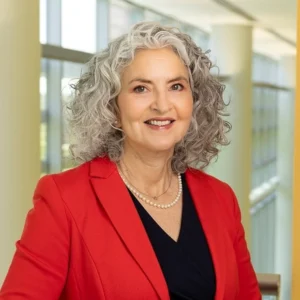



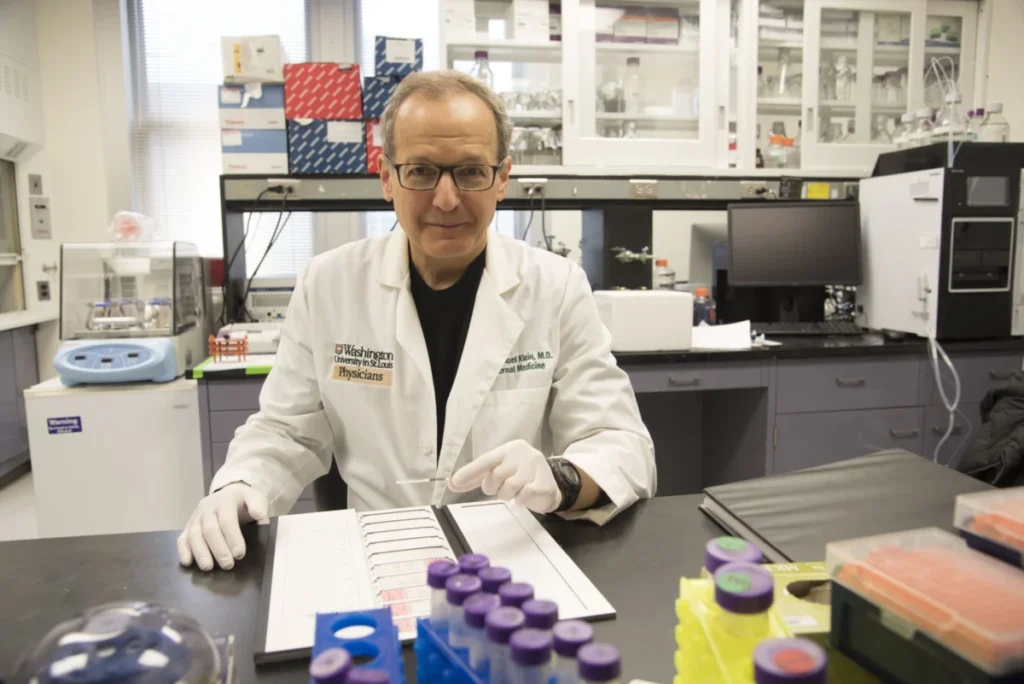
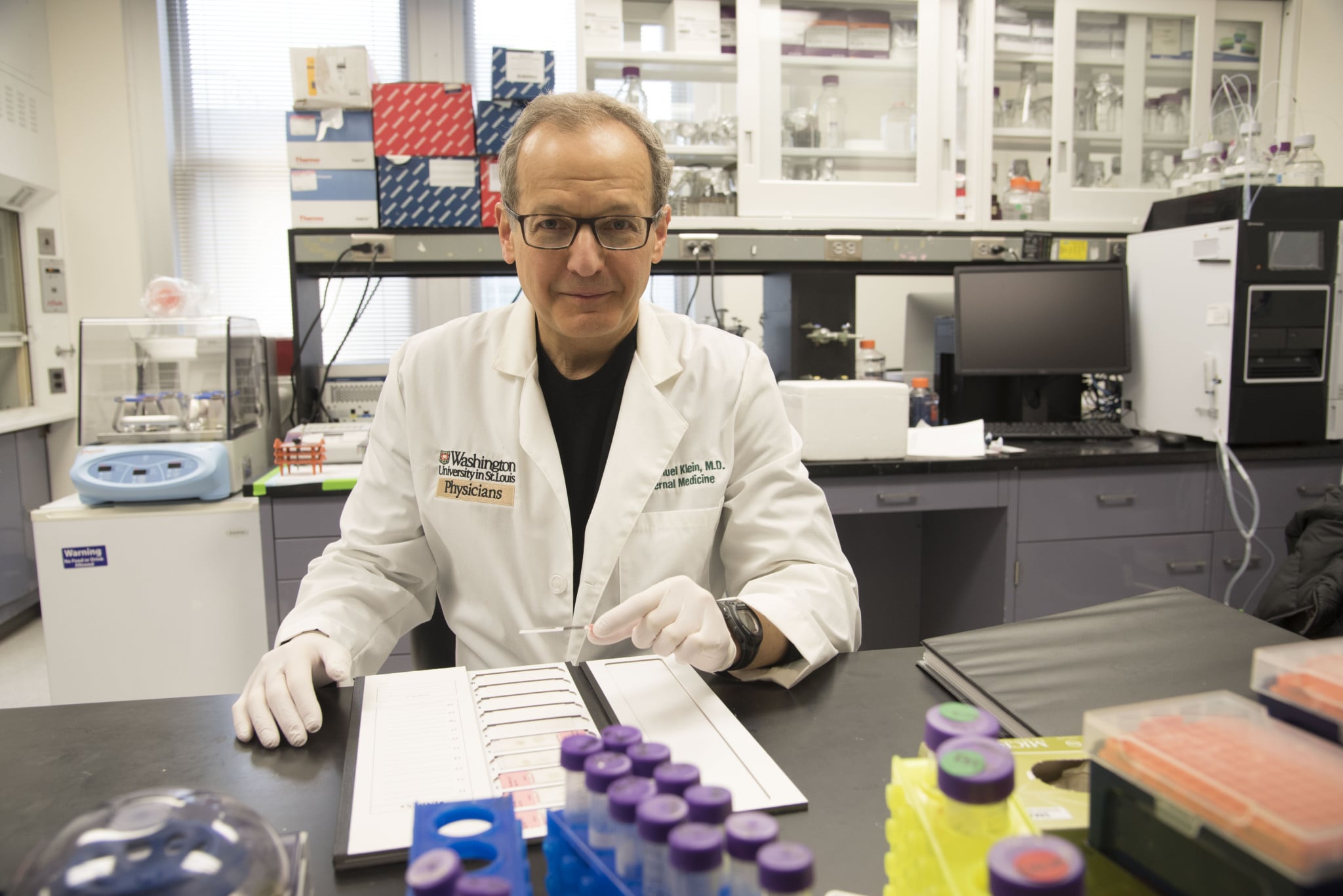
The Endocrine Society has officially announced that Samuel Klein, MD, the William H. Danforth Professor of Medicine and Nutritional Science at Washington University School of Medicine in St. Louis, is the 2026 recipient of the Outstanding Clinical Investigator Laureate Award. This prestigious recognition marks the culmination of over three decades of rigorous inquiry into the physiological complexities of obesity, specifically focusing on the metabolic disparities that exist among individuals with excess body fat. As the director of the Center for Human Nutrition and the Division of Nutritional Science & Obesity Medicine, Dr. Klein has dedicated his career to deciphering why certain patients with obesity remain metabolically resilient while others succumb to debilitating conditions such as type 2 diabetes and cardiovascular disease.
The Laureate Awards are among the highest honors in the field of endocrinology, established to recognize established investigators and educators who have made significant contributions to the understanding of hormone health and disease. Dr. Klein’s selection for the 2026 award highlights the critical importance of human-based translational research in an era where obesity rates continue to climb globally. His work has shifted the clinical paradigm from viewing obesity merely as a condition of "excess weight" to understanding it as a complex, heterogeneous metabolic disorder.
A Career Defined by Academic Excellence and Clinical Rigor
Dr. Klein’s journey into the mechanics of human metabolism began with a robust multi-disciplinary education. He earned his medical degree from Temple University, followed by a Master of Science in nutritional biochemistry and metabolism from the Massachusetts Institute of Technology (MIT). This combination of clinical medicine and deep biochemical training provided the foundation for his future research, allowing him to approach obesity not just as a lifestyle issue, but as a systemic biological puzzle.
Following his medical training, Dr. Klein completed a fellowship in gastroenterology at Mount Sinai Hospital in New York. This specialization in the digestive system and liver would later prove pivotal, as much of his research focuses on the liver’s role in metabolic health. Since joining the faculty at Washington University School of Medicine in 1994, he has built one of the world’s most respected programs for human nutrition and obesity research. Under his leadership, the Center for Human Nutrition has become a hub for clinical trials that utilize sophisticated techniques, such as stable isotope tracer methods and tissue biopsies, to study human metabolism in vivo.
The Paradox of Metabolically Healthy Obesity
For decades, the medical community largely operated under the assumption that a high Body Mass Index (BMI) was a universal precursor to metabolic decline. However, Dr. Klein’s research has been instrumental in characterizing the "metabolically healthy obesity" (MHO) phenotype. His studies have demonstrated that a subset of individuals with obesity—estimated by various studies to be between 15% and 30% of the obese population—do not exhibit the typical complications of insulin resistance, high blood pressure, or dyslipidemia.
By comparing this group with "metabolically unhealthy" individuals, Dr. Klein’s team has identified key biological markers that differentiate the two. One of the primary drivers appears to be the location of fat storage. His work has shown that fat stored subcutaneously (under the skin) is far less harmful than "ectopic fat" stored in the liver or around the abdominal organs (visceral fat). Furthermore, his research into adipose tissue biology has revealed that the ability of fat cells to expand and recruit new blood vessels—rather than simply becoming inflamed and fibrotic—is a hallmark of metabolic health.
This distinction is more than academic; it has profound implications for how physicians prioritize treatment. By identifying which patients are at the highest risk for cardiovascular events and diabetes, clinicians can tailor interventions more effectively, moving toward a model of precision medicine in obesity management.
Quantifying the Impact of Moderate Weight Loss
Another cornerstone of Dr. Klein’s research is the quantification of how weight loss reverses metabolic dysfunction. While many patients feel discouraged if they cannot reach a "normal" BMI, Dr. Klein’s work has provided scientific validation for the benefits of modest weight loss. In a landmark study published in Cell Metabolism, his team demonstrated that a mere 5% weight loss significantly improves insulin sensitivity in the liver, skeletal muscle, and fat tissue, while also reducing total body fat and liver fat content.
This "5% threshold" has become a vital talking point in clinical settings, providing patients with attainable goals that yield immediate biological benefits. Dr. Klein’s research showed that while additional weight loss (up to 11% or 15%) continues to provide incremental benefits, the most dramatic metabolic "leap" occurs within those first few percentage points. This data has helped shape national guidelines for the treatment of obesity, emphasizing sustainable, moderate weight loss as a primary clinical target.
Institutional and Peer Recognition
The nomination of Dr. Klein for the 2026 Laureate Award was supported by leading figures in the endocrine community. Rexford S. Ahima, MD, PhD, director of the Division of Endocrinology, Diabetes and Metabolism at Johns Hopkins University School of Medicine, described Klein as a "unique physician-scientist." Dr. Ahima noted that Klein’s ability to conduct complex studies in human subjects is essential for understanding the pathogenesis and pathophysiology of obesity and diabetes.
The Endocrine Society’s recognition also serves as an endorsement of the "bench-to-bedside" approach. By conducting studies directly on human participants rather than relying solely on animal models, Dr. Klein ensures that his findings are immediately relevant to patient care. His work has bridged the gap between basic science—understanding the molecular pathways of insulin signaling—and clinical practice—treating the patient sitting in the exam room.
Data-Driven Philosophy and Future Directions
In reflecting on his career, Dr. Klein emphasizes the importance of intellectual humility and objectivity. He advises aspiring investigators to "follow the data" rather than becoming emotionally or professionally wedded to a specific hypothesis. This philosophy has allowed him to pivot when new evidence emerges, ensuring that his laboratory remains at the cutting edge of metabolic science.
Looking toward the future, Dr. Klein envisions a deeper exploration of the "ends of the spectrum" in metabolic health. By focusing on the most resilient and the most vulnerable populations, his team hopes to identify novel therapeutic pathways. If researchers can understand the specific molecular "brakes" that prevent a metabolically healthy person from developing diabetes, they may be able to develop pharmacological interventions that mimic those protective mechanisms in high-risk patients.
The 2026 Outstanding Clinical Investigator Award also highlights the evolving landscape of obesity treatment. With the advent of new classes of medications, such as GLP-1 receptor agonists, Dr. Klein’s fundamental research into how fat biology changes during weight loss is more relevant than ever. His work provides the mechanistic understanding of why these drugs are so effective and helps predict which patients will benefit most from them.
Broader Implications for Public Health
The implications of Dr. Klein’s three decades of research extend into the realm of public health and healthcare policy. As obesity-related conditions account for a significant portion of healthcare spending in the United States, understanding the mechanisms of "metabolic dysfunction associated steatotic liver disease" (MASLD) and atherogenic dyslipidemia is a matter of national importance.
Dr. Klein’s work suggests that a one-size-fits-all approach to obesity is insufficient. By documenting the heterogeneity of the disease, he has advocated for a more nuanced understanding of risk. This perspective encourages a shift in focus from weight as a cosmetic or behavioral issue to weight as a biological variable that interacts with genetics, environment, and organ-specific physiology.
As he prepares to receive his award in 2026, Dr. Klein continues to lead the Center for Human Nutrition with a focus on training the next generation of physician-scientists. His legacy is not only found in his hundreds of peer-reviewed publications but also in the hundreds of researchers he has mentored, many of whom are now leading their own departments and labs across the globe.
In his personal life, Dr. Klein acknowledges the "all-consuming" nature of high-level scientific research. He advocates for a balanced life, noting that if he could restart his career, he would invest more time in hobbies and personal interests. Currently, he finds balance through regular exercise and an interest in true crime literature, activities that allow him to "unplug" from the rigorous demands of the lab and clinical practice.
The 2026 Laureate recognition of Samuel Klein, MD, is a testament to the power of persistent, human-centered inquiry. Through his work, the "perplexing dilemma" of obesity is being systematically dismantled, piece by piece, providing a clearer path toward health for millions of people worldwide. The Endocrine Society’s award serves as both a celebration of his past achievements and a catalyst for the future of metabolic research.