

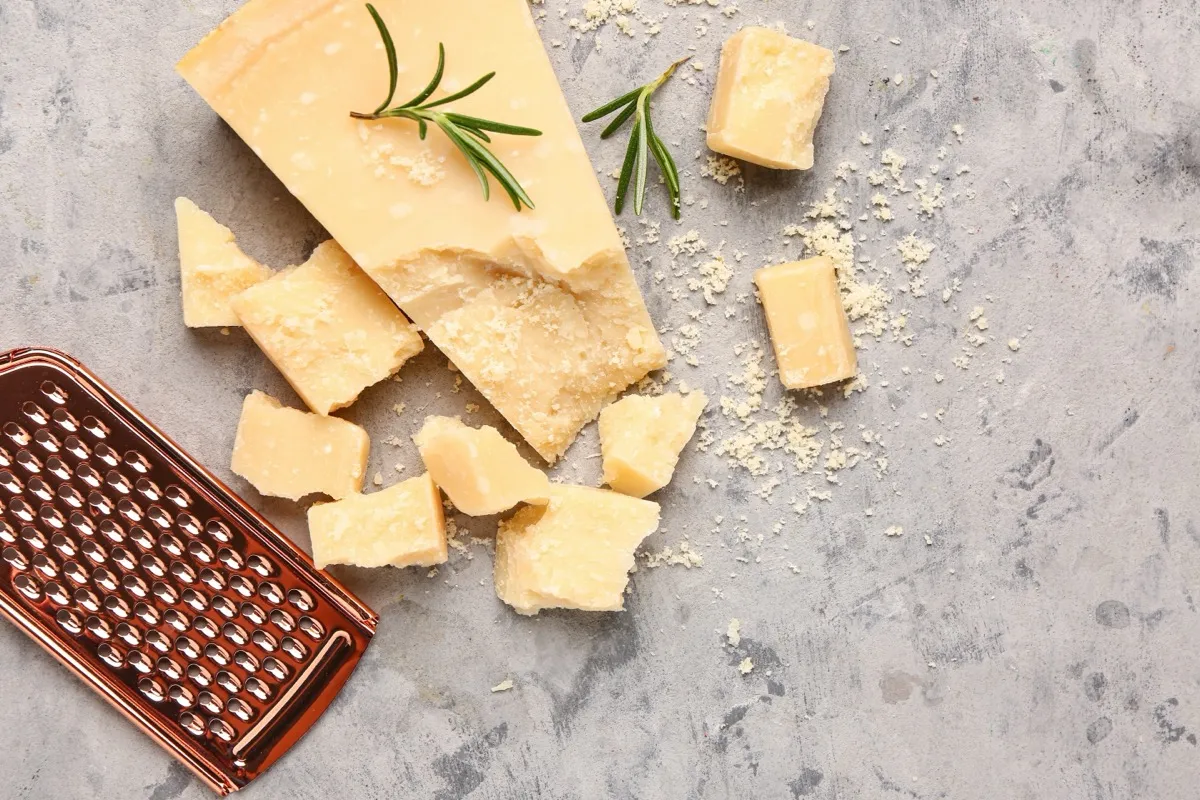
The pursuit of effective strategies for managing belly fat, a common health concern with significant implications beyond aesthetics, often involves a critical examination of dietary choices. While no single food can miraculously eliminate abdominal fat, the strategic inclusion of certain nutrient-dense foods can play a pivotal role in achieving satiety and maintaining muscle mass, both of which are fundamental to overall fat loss. According to Tara Collingwood, MS, RDN, CSSD, LD/N, ACSM-CPT, a Board Certified Sports Dietitian and co-author of the Flat Belly Cookbook for Dummies, cheese, often mistakenly perceived as an indulgence detrimental to weight management, can indeed be a valuable component of a fat-loss diet. Her expertise underscores that "No single food causes belly fat loss. However, higher-protein cheeses that are easy to portion can support fullness and muscle maintenance, both of which are important for overall fat loss." This professional perspective offers a nuanced view, highlighting the importance of protein content and portion control in leveraging cheese as a beneficial dietary element.
Understanding the Role of Protein in Fat Loss
Before delving into specific cheese varieties, it is crucial to establish the scientific rationale behind protein’s importance in fat loss, particularly regarding abdominal adiposity. Belly fat, or visceral fat, located deep within the abdominal cavity, is metabolically active and linked to an increased risk of chronic diseases such such as type 2 diabetes, heart disease, and certain cancers. Reducing this type of fat is therefore a significant health objective. Protein contributes to fat loss through several mechanisms. Firstly, it has a higher thermic effect of food (TEF) compared to carbohydrates and fats, meaning the body expends more energy to digest and metabolize protein. Secondly, protein is highly satiating, promoting feelings of fullness and reducing overall calorie intake by curbing hunger and cravings. Studies consistently demonstrate that higher protein diets lead to greater weight loss and improved body composition. Thirdly, adequate protein intake is essential for muscle maintenance, especially during periods of calorie restriction. Muscle tissue is metabolically more active than fat tissue, meaning it burns more calories at rest. Preserving muscle mass helps maintain a higher resting metabolic rate, making sustainable fat loss more achievable. Collingwood’s emphasis on "muscle maintenance" directly aligns with this physiological principle.

Navigating Cheese in a Calorie-Controlled Diet
The general perception of cheese often leans towards it being a high-fat, high-calorie food best avoided when attempting to lose weight. However, this perspective overlooks the diversity within the cheese category and the significant nutritional benefits many varieties offer. Cheese is a rich source of protein, calcium, and essential vitamins like B12 and riboflavin. The key, as highlighted by Collingwood, lies in selecting varieties that are "higher-protein" and "easy to portion." By focusing on these characteristics, individuals can enjoy the flavor and nutritional benefits of cheese without derailing their fat loss efforts. The rich flavor profiles of many cheeses also contribute to meal satisfaction, which is crucial for adherence to any long-term dietary plan.
Here are seven protein-rich cheeses recommended for inclusion in a diet aimed at managing belly fat, along with detailed insights into their benefits and optimal usage:
1. Cottage Cheese: A Protein Powerhouse
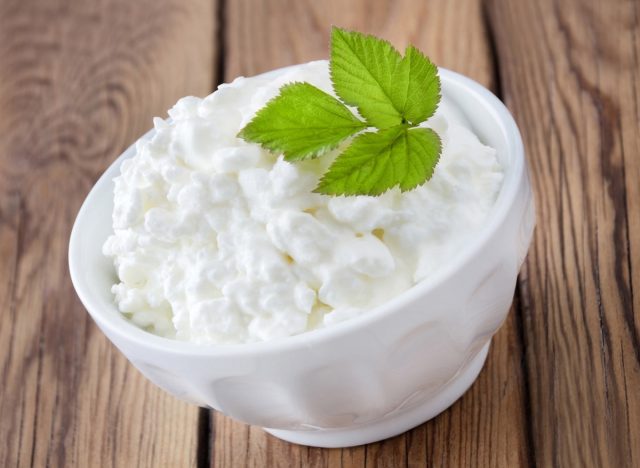
Cottage cheese stands out as one of the highest-protein cheeses available, making it a cornerstone for those prioritizing muscle growth and satiety. A typical half-cup serving of low-fat cottage cheese can provide upwards of 12-14 grams of protein with a relatively modest calorie count. Its protein composition is largely casein, a slow-digesting protein that provides a sustained release of amino acids, contributing to prolonged fullness and aiding muscle repair and growth, especially overnight. Collingwood notes, "Maintaining muscle is important for metabolism, especially when you’re trying to lose abdominal fat. Low-fat or full-fat can work depending on portions and preferences." This flexibility allows individuals to choose based on their overall calorie and fat targets, with low-fat options generally preferred for stricter calorie control. Its versatility is another major asset; cottage cheese can be enjoyed plain, with fruit and a sprinkle of cinnamon for a sweet snack, or savory with herbs, black pepper, and sliced tomatoes. It also serves as an excellent base for dips or as a creamy addition to scrambled eggs. The high leucine content in cottage cheese further supports muscle protein synthesis, a critical process for preserving metabolically active tissue during weight loss.
2. Greek-Style Feta: Flavor for Portion Control
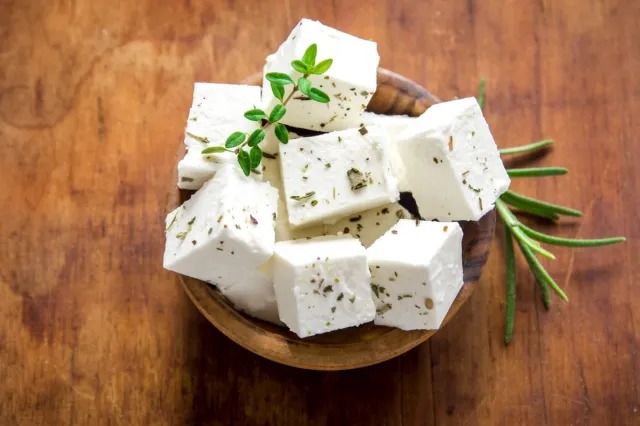
Greek-style feta, known for its distinct tangy and salty flavor, offers a unique advantage in portion control. "Feta has a strong flavor, so a little goes a long way," Collingwood explains. This characteristic makes it an ideal ingredient for adding significant flavor and satisfaction to meals without requiring large, calorie-dense servings. A small crumble of feta can elevate a salad, roasted vegetables, or even a simple omelet, providing a burst of Mediterranean-inspired taste. Nutritionally, feta provides a good amount of protein relative to its calorie density, alongside calcium. Its strong taste means that a tablespoon or two can provide ample flavor, preventing the need for excessive use of other higher-calorie dressings or ingredients. Incorporating feta can enhance the palatability of nutrient-dense, lower-calorie meals, making healthy eating more enjoyable and sustainable. The connection to the Mediterranean diet, widely recognized for its health benefits, further underscores its value.
3. Part-Skim Mozzarella: Convenience and Essential Nutrients
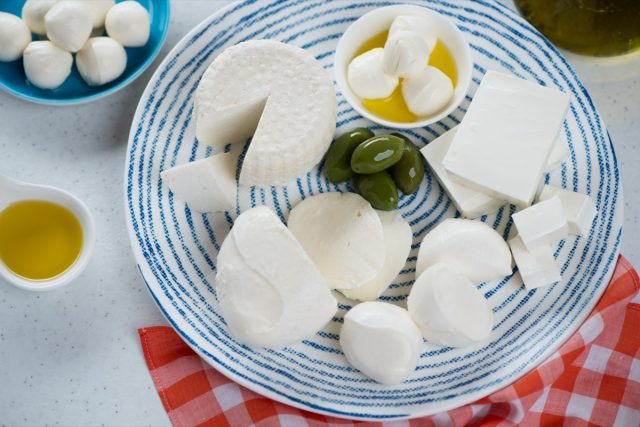
Part-skim mozzarella is a practical choice for weight loss due to its relatively low calorie count and valuable protein and calcium content. "Mozzarella is relatively low in calories and provides protein and calcium, nutrients that support body composition when included in a balanced diet," says Collingwood. The availability of part-skim mozzarella in convenient forms, such as string cheese, further simplifies portion management. String cheese, for instance, offers a pre-portioned, satisfying snack that can curb hunger between meals. Calcium, abundant in mozzarella, is not only crucial for bone health but also plays a role in fat metabolism. Research suggests that adequate calcium intake may support weight management by influencing fat cell regulation. Mozzarella’s mild flavor makes it incredibly versatile, suitable for snacking, adding to salads, or incorporating into light pasta dishes and sandwiches.
4. Parmesan: Concentrated Flavor and Protein
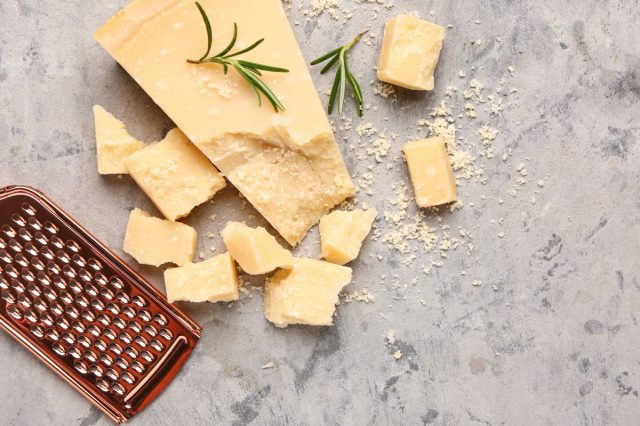
Parmesan, a hard, granular cheese, is celebrated for its intense, savory (umami) flavor. This characteristic makes it another excellent tool for portion control. "Hard cheeses like Parmesan are flavorful and protein-dense, meaning you can use small amounts and still feel satisfied," Collingwood advises. "A tablespoon or two adds big flavor without many calories." Its concentrated flavor means that even a modest sprinkle can significantly enhance the taste of a dish, reducing the need for other high-calorie flavor enhancers. Parmesan provides a notable amount of protein and calcium per serving. Grated over whole-grain pasta with vegetables, sprinkled on roasted asparagus, or added to soups, Parmesan can transform simple meals into satisfying culinary experiences, supporting adherence to a calorie-controlled diet. The aging process of hard cheeses like Parmesan also results in very low lactose content, making it a more digestible option for some individuals with lactose sensitivity.
5. Swiss Cheese: Lower Sodium, Higher Protein
Swiss cheese presents a compelling option, particularly for those mindful of sodium intake and fluid retention. "Swiss cheese offers protein with less sodium than many other cheeses, which can be helpful for people watching their bloating or water retention," Collingwood highlights. Excess sodium can lead to water retention and bloating, which, while not fat, can impact perceived body composition and comfort. Swiss cheese provides a good source of protein and calcium, making it a nutritious addition to a balanced diet. Its distinctive nutty and slightly sweet flavor pairs exceptionally well with whole-grain bread for a sandwich or with various fruits, offering a satisfying and nutrient-rich snack or meal component. Its lower sodium profile distinguishes it from many other cheeses, offering a strategic advantage for certain dietary goals.
6. Part-Skim Ricotta: Versatility in Sweet and Savory Dishes
Part-skim ricotta is another excellent choice, providing both protein and calcium while offering remarkable culinary versatility. "Ricotta provides protein and calcium and works well in both sweet and savory dishes, making it easier to stick with a calorie-controlled plan," Collingwood states. Its creamy texture and mild flavor make it adaptable to a wide array of recipes. For a sweet treat, part-skim ricotta can be paired with fresh berries and a drizzle of honey, offering a protein-packed dessert or breakfast. In savory applications, it can be combined with herbs, garlic, and black pepper to create a spread for whole-grain toast, or incorporated into lighter versions of Italian dishes like lasagna or stuffed shells. This adaptability ensures that individuals can enjoy varied and satisfying meals, which is key to long-term dietary adherence. Choosing part-skim versions helps manage overall fat and calorie intake while still benefiting from its nutritional richness.
7. Goat Cheese: Tangy Richness for Controlled Indulgence
Goat cheese, with its characteristic tangy and sometimes earthy flavor, offers another strategic option for belly fat management. "Goat cheese is rich and tangy, which helps with portion control, and some people find it easier to digest than cow’s milk cheeses," Collingwood explains. The strong flavor profile means that a small amount can deliver significant satisfaction, naturally limiting consumption. This makes it an ideal addition for adding creaminess and depth to salads, grain bowls, or as a spread on crackers without overdoing calories. Furthermore, some individuals with sensitivities to cow’s milk products find goat cheese to be more digestible, making it an inclusive option for a broader range of dietary needs. Its unique flavor profile can prevent palate fatigue and add excitement to otherwise simple, healthy meals.
Holistic Approach to Belly Fat Management
It is imperative to reiterate that while these protein-rich cheeses can be valuable allies in a fat-loss journey, they are just one component of a comprehensive strategy. Effective belly fat management requires a holistic approach that includes a consistent calorie deficit (consuming fewer calories than expended), regular physical activity (a combination of cardiovascular exercise and strength training), adequate hydration, and sufficient sleep. Dietary fiber from fruits, vegetables, and whole grains is also crucial for satiety and digestive health. Stress management plays a role, as chronic stress can elevate cortisol levels, which is linked to increased abdominal fat storage.
The insights provided by Tara Collingwood, a Board Certified Sports Dietitian, underscore that dietary success is not about complete deprivation but about making informed, strategic choices. By selecting protein-rich, portion-friendly cheeses, individuals can enhance their feelings of fullness, support muscle maintenance, and add delicious variety to their meals, all of which contribute positively to the overarching goal of reducing belly fat. As with any dietary modification, consulting with a healthcare professional or a registered dietitian is recommended to develop a personalized plan that aligns with individual health needs and goals. The emphasis remains on balance, moderation, and an overall nutrient-dense diet.
Leah Groth is an experienced shopping editor and journalist for Best Life and Eat This, Not That! bringing readers the best new finds, trends, and deals each week.
