

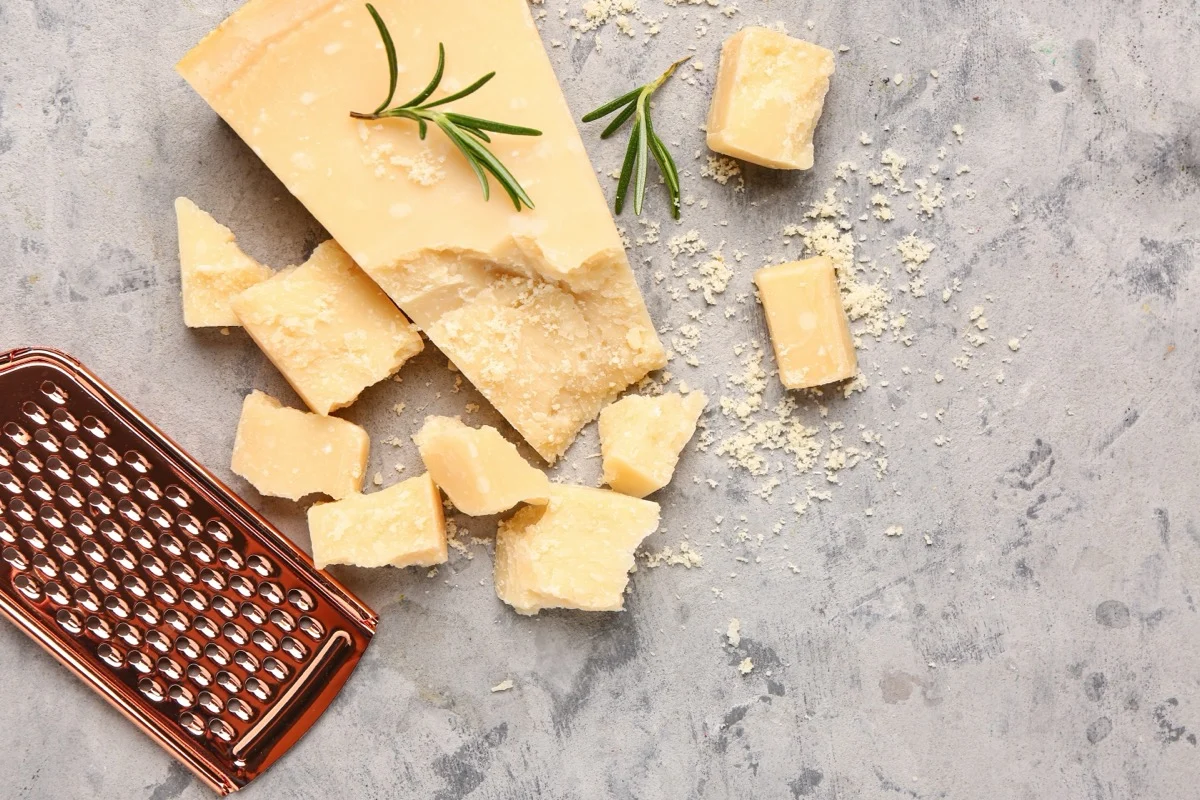
The pursuit of reducing abdominal fat, commonly referred to as belly fat, is a significant health goal for many individuals, driven by both aesthetic desires and the well-documented health risks associated with visceral fat accumulation. While the foundational principles of weight management – a balanced diet and consistent physical activity – remain paramount, the strategic incorporation of specific foods can significantly enhance the efficacy of such efforts. Among these, certain protein-rich cheeses have emerged as a surprisingly valuable ally, not merely as a dietary indulgence but as a functional component of a weight loss regimen.
According to Tara Collingwood, MS, RDN, CSSD, LD/N, ACSM-CPT, a Board Certified Sports Dietitian and co-author of the Flat Belly Cookbook for Dummies, cheese does not inherently impede weight loss and can, in fact, be integrated into a diet aimed at reducing belly fat. Collingwood emphasizes a critical distinction: "No single food causes belly fat loss. However, higher-protein cheeses that are easy to portion can support fullness and muscle maintenance, both of which are important for overall fat loss." This statement underscores a fundamental principle of effective weight management: satiety and metabolic support.
The Science Behind Protein, Satiety, and Muscle Maintenance
To understand why certain cheeses can be beneficial, it’s essential to delve into the physiological mechanisms at play. Protein is widely recognized as the most satiating macronutrient. When consumed, protein triggers the release of gut hormones, such as cholecystokinin (CCK) and glucagon-like peptide-1 (GLP-1), which signal fullness to the brain, thereby reducing appetite and subsequent calorie intake. This "satiety effect" is a cornerstone of sustainable weight loss, helping individuals feel satisfied on fewer calories and preventing overeating.

Furthermore, protein plays a crucial role in muscle maintenance and growth. During periods of calorie restriction, the body can catabolize muscle tissue for energy, which is undesirable because muscle is metabolically active. Preserving muscle mass is vital for a healthy metabolism; a higher muscle-to-fat ratio means the body burns more calories at rest. By providing adequate protein, these cheeses help safeguard lean muscle mass, ensuring that weight loss primarily comes from fat stores, including stubborn belly fat. The thermic effect of food (TEF) also contributes, as protein requires more energy to digest and metabolize compared to carbohydrates or fats, subtly increasing daily calorie expenditure.
The context of dietary choices for belly fat loss has evolved. Decades ago, all fats, including those in cheese, were often demonized. However, contemporary nutritional science provides a more nuanced understanding, highlighting the importance of protein and the type of fats consumed. The focus has shifted from blanket restrictions to mindful choices that support overall health and weight goals. This understanding forms the basis for Collingwood’s recommendations, which prioritize protein content and portion control as key factors in selecting cheeses for a weight-loss diet.
Strategic Integration: Navigating Cheese in a Weight Loss Plan
Successfully incorporating cheese into a fat-loss diet requires strategic thinking beyond simply choosing protein-rich varieties. Portion control is paramount, even with healthier options, as cheese can still be calorie-dense. Pairing cheese with other nutrient-dense foods, such as vegetables, fruits, and whole grains, can create balanced meals and snacks that maximize satiety and nutrient intake while keeping calorie counts in check. The strong flavors of many recommended cheeses mean that a small amount can significantly enhance a dish, providing satisfaction without excessive calories.
Here are seven protein-rich cheeses that can be effectively integrated into a diet aimed at supporting fullness and promoting belly fat loss:
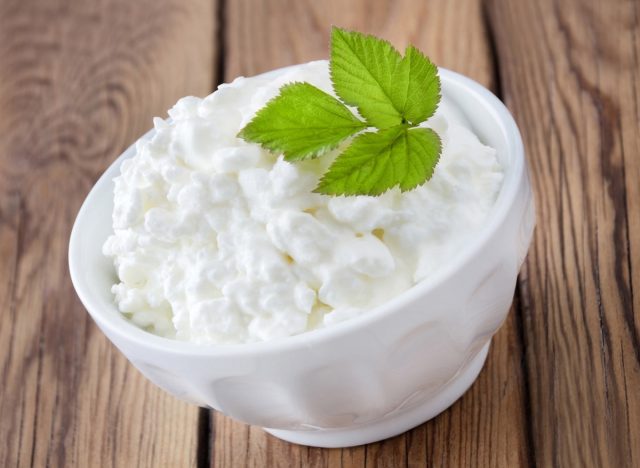
1. Cottage Cheese
Cottage cheese stands out as a top contender due to its exceptionally high protein content. A typical half-cup serving of low-fat cottage cheese can provide around 12-14 grams of protein, making it an excellent choice for promoting satiety and supporting muscle repair and growth. The protein in cottage cheese is primarily casein, a slow-digesting protein that provides a sustained release of amino acids, helping to keep hunger at bay for longer periods.
Collingwood notes, "Maintaining muscle is important for metabolism, especially when you’re trying to lose abdominal fat. Low-fat or full-fat can work depending on portions and preferences." This flexibility allows individuals to choose based on their overall dietary fat targets, with low-fat versions offering a more calorie-controlled option. Beyond protein, cottage cheese is also a good source of calcium, phosphorus, selenium, and B vitamins. Its versatility allows it to be enjoyed plain, with fruit for a sweet snack, or with herbs and vegetables for a savory meal component.
2. Greek-Style Feta
Greek-style feta, known for its distinct tangy and salty flavor, offers a potent taste experience that can be leveraged for portion control. A one-ounce serving provides approximately 4 grams of protein and around 75 calories, along with a significant amount of calcium.
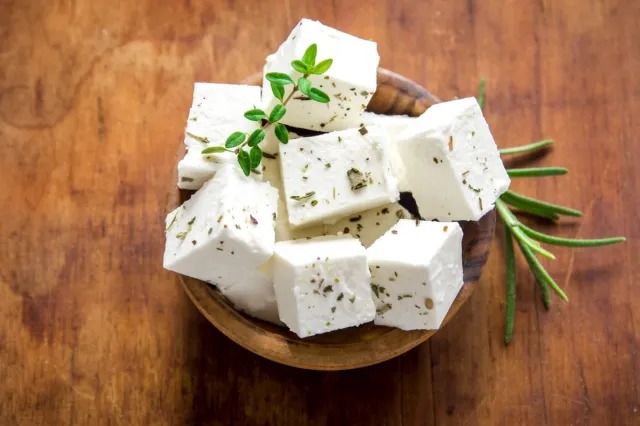
"Feta has a strong flavor, so a little goes a long way," Collingwood explains. "That makes it easier to control portions while still adding satisfaction to meals. Great crumbled over salads or roasted vegetables." This characteristic makes feta an ideal flavor enhancer. By using small amounts, individuals can impart a robust taste to their dishes without significantly increasing calorie or fat intake. Its presence can make a simple salad feel more substantial and gourmet, contributing to overall meal satisfaction. Feta also offers beneficial bacteria if unpasteurized, contributing to gut health, which is increasingly linked to weight management.
3. Part-Skim Mozzarella
Part-skim mozzarella is a staple for those seeking a cheese option lower in fat and calories while still delivering on protein and calcium. Often available in convenient forms like string cheese, it simplifies portion management. A single stick of part-skim mozzarella string cheese typically contains about 6-7 grams of protein and around 80 calories.
Collingwood highlights its benefits: "Mozzarella is relatively low in calories and provides protein and calcium, nutrients that support body composition when included in a balanced diet. String cheese portions make this especially easy to manage." The inherent portion control of string cheese makes it an excellent on-the-go snack, providing a quick protein boost that helps stave off hunger between meals. Mozzarella’s mild flavor also makes it incredibly versatile, suitable for melting onto whole-wheat pizzas, adding to omelets, or enjoying with fresh tomatoes and basil.
4. Parmesan
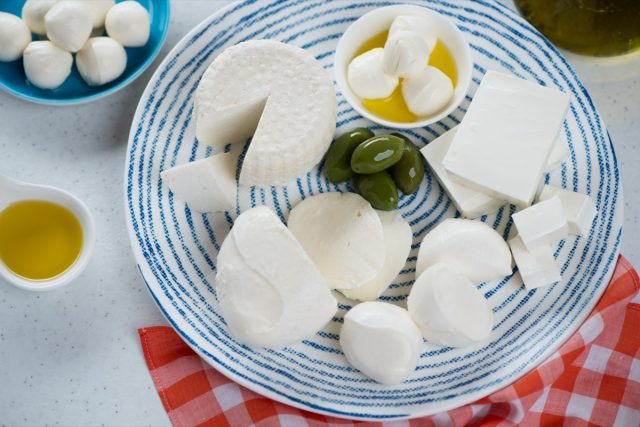
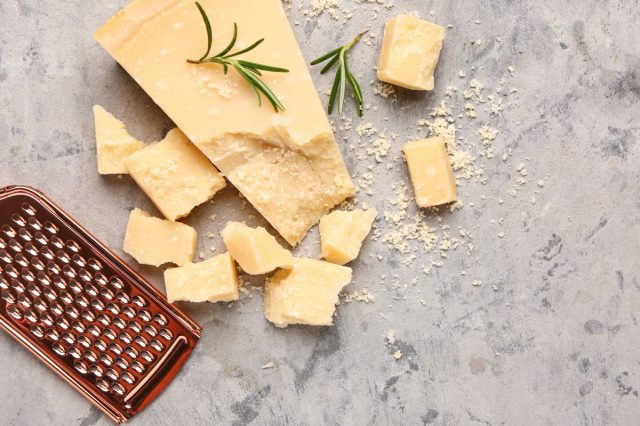
Parmesan, a hard, aged Italian cheese, is celebrated for its intense, umami-rich flavor and firm texture. Despite its rich taste, Parmesan is surprisingly dense in protein and can be used sparingly to great effect. A tablespoon of grated Parmesan contains approximately 2 grams of protein and only about 20-25 calories.
"Hard cheeses like Parmesan are flavorful and protein-dense, meaning you can use small amounts and still feel satisfied. A tablespoon or two adds big flavor without many calories," states Collingwood. This characteristic makes Parmesan an excellent "finishing" cheese, capable of elevating the flavor profile of pasta dishes, soups, roasted vegetables, and salads without adding significant caloric load. Its high calcium content also contributes to bone health, a crucial aspect of overall well-being alongside weight management. Furthermore, due to its aging process, Parmesan is naturally low in lactose, making it a suitable option for some individuals with lactose sensitivities.
5. Swiss Cheese
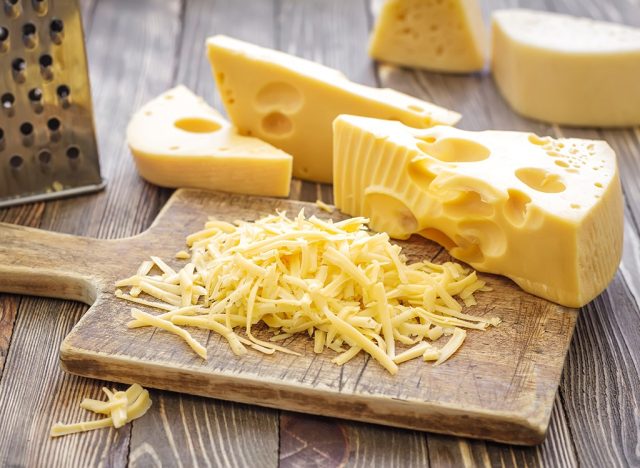
Swiss cheese, known for its distinctive holes and nutty, slightly sweet flavor, offers a good balance of protein and other beneficial nutrients, with a notable advantage regarding sodium content. A one-ounce slice of Swiss cheese typically provides around 8 grams of protein and approximately 100-110 calories.
Collingwood points out a key benefit: "Swiss cheese offers protein with less sodium than many other cheeses, which can be helpful for people watching their bloating or water retention. Pairs well with whole-grain bread or fruit." Lower sodium intake is beneficial not only for managing water retention and bloating but also for cardiovascular health. The protein and calcium in Swiss cheese support muscle and bone health, while its moderate fat content, when part of a balanced diet, contributes to satiety. Its robust flavor makes it an excellent choice for sandwiches, wraps, or as a complement to fruit plates, providing a satisfying and nutritious element.
6. Ricotta (Part-Skim)
Part-skim ricotta, a soft, creamy Italian cheese, is another valuable inclusion in a weight-loss diet due to its favorable protein profile and versatility. A half-cup serving of part-skim ricotta offers roughly 14 grams of protein and about 170 calories. It is particularly rich in whey protein, a fast-digesting protein known for its ability to quickly stimulate muscle protein synthesis and contribute to satiety.
Collingwood is a fan, noting that ricotta "provides protein and calcium and works well in both sweet and savory dishes, making it easier to stick with a calorie-controlled plan. Try it with berries or herbs and vegetables." The creamy texture of ricotta adds a luxurious mouthfeel to dishes, which can enhance satisfaction and prevent cravings for less healthy options. It can be a nutritious base for a breakfast parfait with berries and a sprinkle of nuts, a filling component in savory dishes like lasagna or stuffed shells, or simply spread on whole-grain toast with a drizzle of honey or fresh herbs.
7. Goat Cheese (Chèvre)
Goat cheese, or chèvre, offers a distinctive tangy flavor and creamy texture that can be incredibly satisfying in small quantities, aiding in portion control. A one-ounce serving typically contains about 6 grams of protein and around 75-80 calories.
"Goat cheese is rich and tangy, which helps with portion control, and some people find it easier to digest than cow’s milk cheeses. A little adds creaminess to salads and bowls," Collingwood states. The unique fatty acid composition of goat milk, including a higher proportion of medium-chain triglycerides, can make it easier for some individuals to digest compared to cow’s milk cheeses. Its strong flavor means a small amount can significantly enhance a dish, adding a gourmet touch to salads, roasted vegetables, or even a simple cracker. The variety of textures, from fresh and crumbly to aged and firm, allows for diverse culinary applications, ensuring that taste buds remain engaged while adhering to dietary goals.
Beyond Cheese: A Holistic Approach to Fat Loss
While these protein-rich cheeses offer valuable benefits for fullness and muscle maintenance, it is crucial to remember that they are just one component of a comprehensive strategy for belly fat loss. A truly effective approach integrates a balanced diet rich in whole foods – lean proteins, abundant vegetables, fruits, and complex carbohydrates – with regular physical activity, adequate sleep, and stress management.
The implications of incorporating these cheeses extend beyond immediate weight loss. By fostering a diet rich in protein and calcium, individuals can also support bone health, maintain energy levels, and improve overall dietary adherence due to increased satisfaction. The key lies in mindful consumption, recognizing that even beneficial foods require portion awareness and integration into a broader, health-conscious lifestyle. By making informed choices, cheese lovers can indeed enjoy their favorite dairy product while progressing toward their health and wellness objectives, including the challenging goal of reducing belly fat.
