








The conventional wisdom that snacking before bed is detrimental to weight management is being re-evaluated, especially for individuals navigating the physiological shifts that accompany aging beyond 55. Far from being a source of guilt, strategically chosen bedtime snacks can become powerful allies in supporting metabolism, maintaining muscle mass, and facilitating healthy weight control. This insight comes from leading dietitians who emphasize the critical role of nutrition in addressing the unique metabolic challenges faced by older adults.
Tara Collingwood, MS, RDN, CSSD, LD/N, ACSM-CPT, a Board Certified Sports Dietitian and co-author of the Flat Belly Cookbook for Dummies, highlights the specific concerns: "After 55, muscle loss and blood sugar fluctuations can make weight management harder. A protein and fiber-rich bedtime snack supports muscle maintenance, better sleep, and appetite control, all of which contribute to fat loss over time." She clarifies a common misconception: "No food literally burns fat overnight, but the right bedtime snacks can support muscle, metabolism, blood sugar control, and sleep, which influence fat loss." This nuanced perspective underscores a proactive approach to evening nutrition, transforming a potential dietary pitfall into an opportunity for improved health outcomes.
Understanding the Physiological Landscape After 55

As individuals age past 55, the body undergoes several significant physiological changes that directly impact metabolism, muscle health, and weight management. These changes necessitate a more tailored nutritional approach, particularly concerning nutrient timing and composition.

One of the primary concerns is sarcopenia, the progressive and generalized loss of skeletal muscle mass and strength. This natural process accelerates after the fifth decade of life, leading to a decline in basal metabolic rate (BMR) because muscle tissue is more metabolically active than fat tissue. A reduced BMR means fewer calories are burned at rest, making weight gain easier and weight loss more challenging. Research indicates that adults can lose 3-8% of their muscle mass per decade after age 30, with the rate accelerating after 60. Furthermore, sarcopenia contributes to decreased physical function, increased risk of falls, and overall diminished quality of life. Adequate protein intake, especially distributed throughout the day, including before sleep, is crucial for stimulating muscle protein synthesis (MPS) and mitigating muscle loss. Studies published in journals like The American Journal of Clinical Nutrition have repeatedly shown the benefits of evening protein intake for muscle recovery and adaptation in older adults.
Alongside muscle degradation, older adults often experience shifts in blood sugar regulation. Insulin sensitivity can decrease, making blood glucose levels more prone to fluctuations. This can manifest as dips in blood sugar during prolonged fasting periods, such as overnight, potentially disrupting sleep or leading to increased cravings the following day. Poor sleep, in turn, can further exacerbate metabolic dysregulation, impacting hormones that control appetite (ghrelin and leptin) and stress (cortisol), which collectively influence fat storage and overall body composition. Maintaining stable blood sugar levels through fiber and protein intake can help buffer these fluctuations, fostering better sleep and more consistent energy levels.
The overall metabolic rate tends to slow with age, a phenomenon often attributed to reduced physical activity levels and the aforementioned muscle loss. This deceleration means that the caloric needs of older adults are generally lower than those of younger individuals, yet nutrient requirements remain high, if not increase, for certain micronutrients. Therefore, nutrient-dense, calorie-appropriate choices are paramount, especially for snacks. The objective shifts from simply avoiding calories before bed to strategically consuming specific macronutrients to optimize overnight recovery and metabolic function.
The Strategic Role of Protein and Fiber
The emphasis on protein and fiber in bedtime snacks for older adults is not arbitrary; it is rooted in scientific understanding of their physiological roles.
Protein:
Protein is fundamental for muscle repair and growth. During sleep, the body undergoes restorative processes, including muscle protein synthesis. Consuming a source of slow-digesting protein before bed provides a sustained release of amino acids into the bloodstream, which can enhance overnight muscle repair and growth. This is particularly beneficial for combating sarcopenia. Moreover, protein is highly satiating, helping to curb late-night hunger and prevent overeating of less healthy options. Different types of protein, such as casein (found predominantly in dairy products like cottage cheese and yogurt), are digested slowly over several hours, making them ideal for sustained amino acid delivery during sleep. The recommended dietary allowance (RDA) for protein is 0.8 grams per kilogram of body weight, but many experts suggest that older adults may benefit from 1.0-1.2 grams per kilogram to effectively counteract sarcopenia.
Fiber:
Dietary fiber plays a critical role in blood sugar management. Soluble fiber, found in foods like oats, apples, and chia seeds, forms a gel-like substance in the digestive tract, slowing the absorption of glucose into the bloodstream. This helps prevent rapid spikes and subsequent crashes in blood sugar, promoting stable levels throughout the night. Stable blood sugar contributes to better sleep quality and reduces the likelihood of waking up hungry or experiencing intense cravings the next day. Insoluble fiber, found in nuts and seeds, adds bulk to stool and aids digestive regularity, which is also important for overall health and nutrient absorption. The American Heart Association recommends about 25-30 grams of fiber per day, a target often missed by the general population, especially older adults.
By combining these two macronutrients, bedtime snacks can create a synergistic effect, providing sustained energy, promoting muscle health, stabilizing blood sugar, and enhancing satiety, all of which contribute positively to metabolism and weight control.
Recommended Bedtime Snacks for Optimal Health After 55
Here are specific dietitian-approved bedtime snacks, expanded with scientific rationale and practical considerations, that support fat loss and metabolism after 55:

1. Greek Yogurt with Chia or Flax Seeds
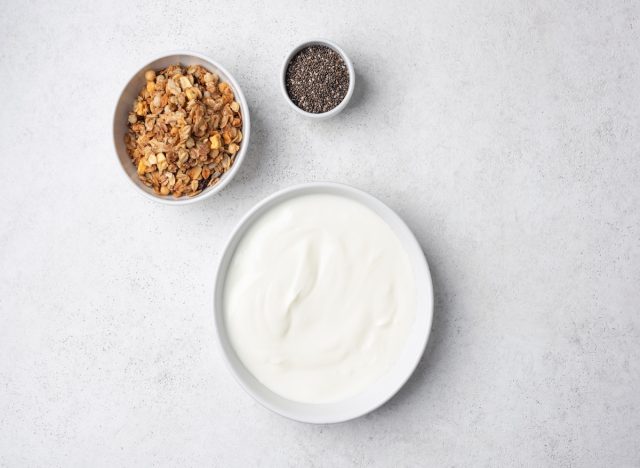
- Rationale: This combination is a powerhouse of protein and fiber. Greek yogurt is renowned for its high protein content, specifically casein, a slow-digesting protein that ensures a steady supply of amino acids to muscles throughout the night. This sustained release is vital for muscle protein synthesis and repair, directly countering age-related muscle loss. A typical serving (e.g., 6 ounces) of plain Greek yogurt can provide 15-20 grams of protein, making a significant contribution to daily protein targets for older adults. Beyond protein, Greek yogurt also offers calcium and probiotics, which support bone health and gut microbiome balance, respectively. A healthy gut microbiome is increasingly linked to metabolic health and immune function.
- Enhancement with Seeds: Adding chia or flax seeds elevates the nutritional profile. These tiny seeds are excellent sources of soluble and insoluble fiber, which work together to regulate blood sugar levels. Soluble fiber forms a gel in the digestive tract, slowing carbohydrate absorption and preventing overnight glucose spikes and dips. Insoluble fiber aids digestion and promotes satiety. Both chia and flax seeds also provide omega-3 fatty acids, known for their anti-inflammatory properties, which can contribute to overall metabolic health and reduce chronic disease risk.
- Practical Tip: Opt for plain, unsweetened Greek yogurt to avoid added sugars. A tablespoon of chia or flax seeds is usually sufficient. Consider adding a small amount of berries for natural sweetness and additional antioxidants.
2. Cottage Cheese with Berries
- Rationale: Similar to Greek yogurt, cottage cheese is an exceptional source of casein protein, offering a sustained release of amino acids for overnight muscle repair. Its unique curdy texture also makes it a satisfying snack. The protein content helps preserve lean muscle mass, which is crucial for maintaining a healthy metabolic rate in later life. Many varieties of cottage cheese are available, from low-fat to full-fat, allowing for individual preference while still delivering a substantial protein boost (e.g., a half-cup serving can provide 12-14 grams of protein).
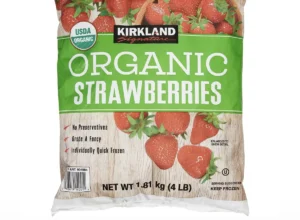
- Enhancement with Berries: Berries, such as blueberries, raspberries, or strawberries, are low in calories and sugar but rich in fiber and antioxidants. The fiber content further assists in blood sugar stabilization, preventing nocturnal hunger pangs. Antioxidants combat oxidative stress and inflammation, supporting cellular health, which is vital for metabolic function and can help reduce the risk of age-related diseases. Their natural sweetness can satisfy cravings without resorting to refined sugars.
- Practical Tip: Choose a cottage cheese with a protein content of at least 15-20 grams per serving for optimal benefits. A half-cup serving of mixed berries adds essential micronutrients without excessive carbohydrates.
3. A Small Protein Smoothie
- Rationale: For those who prefer a lighter, easily digestible option before bed, a small protein smoothie is ideal. It delivers essential macronutrients without feeling heavy. The protein powder can be whey (fast-digesting, but still beneficial), casein (slow-digesting, ideal for overnight), or plant-based alternatives like pea or soy protein. These provide the necessary amino acids for muscle recovery and maintenance. The liquid form can be particularly advantageous for individuals who experience dental issues or digestive discomfort with solid foods late at night.
- Components: Blending with milk or a fortified plant-based milk (like soy or almond milk) adds further protein, calcium, and vitamin D. Incorporating fiber-rich ingredients is key: a handful of spinach or kale adds minimal calories but significant vitamins, minerals, and fiber. A small amount of chia or flax seeds can also be blended in for additional fiber and omega-3s. A few berries can provide natural sweetness and antioxidants.
- Practical Tip: Keep the smoothie small (e.g., 6-8 ounces) and avoid excessive fruit, which can increase sugar content. The goal is nutrient density without a caloric overload.
4. Apple Slices with Nut Butter
- Rationale: This classic snack perfectly balances fiber, healthy fats, and a modest amount of protein. Apples are an excellent source of dietary fiber, particularly pectin, which helps regulate blood sugar levels and promotes satiety. The fiber in apples also supports gut health, which is increasingly linked to metabolic well-being and immune function.
- Enhancement with Nut Butter: Pairing apple slices with nut butter (almond, peanut, cashew) introduces healthy monounsaturated and polyunsaturated fats, along with some plant-based protein. These fats are digested slowly, providing sustained energy and helping to prevent nighttime blood sugar dips that can disrupt sleep and trigger cravings the next day. The combination of fiber, protein, and healthy fats ensures prolonged satiety, reducing the likelihood of waking up hungry. Almond butter, for instance, provides vitamin E, an antioxidant, while peanut butter offers niacin and magnesium.
- Practical Tip: Choose natural nut butter without added sugars or hydrogenated oils. A serving size of about one to two tablespoons of nut butter provides adequate healthy fats and protein without excessive calories.
5. Handful of Nuts with a Protein Source

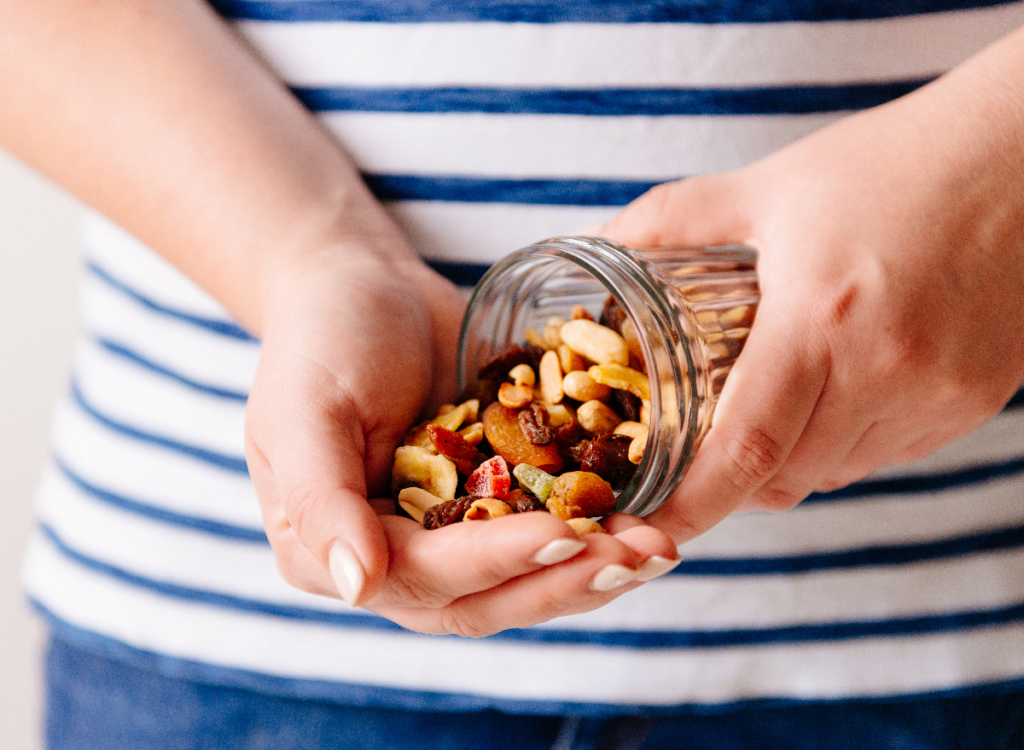
- Rationale: Nuts are nutrient-dense powerhouses, offering healthy fats, fiber, vitamins, and minerals. They are particularly rich in magnesium, a mineral crucial for over 300 enzymatic reactions in the body, including those involved in energy production and muscle function. Magnesium is also known to promote relaxation and improve sleep quality, making nuts a beneficial pre-bedtime food.
- Enhancement with Protein Source: While nuts contain some protein, pairing them with an additional protein source enhances their metabolic benefits. A small handful (approximately 1/4 cup) of almonds, walnuts, or pistachios combined with a small glass of milk, a slice of lean turkey, or a hard-boiled egg creates a more balanced snack. This ensures a higher protein intake for muscle support and extends the feeling of fullness. Walnuts, in particular, are notable for their omega-3 fatty acid content, which contributes to heart health and reduces inflammation.
- Practical Tip: Portion control is vital due to the calorie density of nuts. A small handful is key. Ensure the additional protein source is lean and low in added sugars.
6. Whole-Grain Toast with Avocado and Hemp Seeds
- Rationale: This snack offers a blend of complex carbohydrates, healthy fats, and plant-based protein and fiber. Whole-grain toast provides complex carbohydrates that release glucose slowly, preventing blood sugar spikes. The fiber content further aids in digestive health and satiety. Whole grains also provide B vitamins, important for energy metabolism.
- Enhancement with Avocado and Hemp Seeds: Avocado is rich in monounsaturated fats, which are heart-healthy and contribute to sustained satiety. It also provides fiber and potassium, an electrolyte vital for blood pressure regulation. Sprinkling hemp seeds adds a significant boost of plant-based protein (a complete protein with all essential amino acids), omega-3 and omega-6 fatty acids in an optimal ratio, and additional fiber. This combination helps stabilize blood sugar and provides a nutrient-dense, satisfying snack that supports overall metabolic health.
- Practical Tip: Use one slice of 100% whole-grain toast. A quarter to half an avocado, mashed, topped with a tablespoon of hemp seeds, makes for a balanced and nourishing option.
7. Hard-Boiled Egg(s)
- Rationale: Hard-boiled eggs are a simple, pure protein source that is incredibly convenient. Each large egg provides about 6 grams of high-quality protein, containing all essential amino acids. This makes them excellent for muscle repair and satiety. They are also rich in choline, an essential nutrient important for brain health and metabolism, and vitamin D, a nutrient often deficient in older adults and crucial for bone health and immune function.
- Convenience and Efficacy: The ease of preparation makes hard-boiled eggs a practical option for a quick, effective bedtime snack. They are naturally low in carbohydrates, further supporting blood sugar stability.
- Practical Tip: One or two hard-boiled eggs can be a perfectly sufficient and effective snack to provide overnight protein support without adding unnecessary calories or sugars.
8. Tart Cherry Juice (paired with protein)
- Rationale: While not a protein or fiber powerhouse on its own, tart cherry juice has gained attention for its potential benefits in improving sleep quality. Tart cherries are a natural source of melatonin, a hormone that regulates sleep-wake cycles. Additionally, they contain anti-inflammatory compounds called anthocyanins that may reduce muscle soreness and aid recovery, which is beneficial for active older adults. Improved sleep directly impacts metabolic health, as sleep deprivation can lead to increased cortisol levels, insulin resistance, and imbalances in appetite-regulating hormones.
- Pairing for Balance: To align with the dietitian’s recommendations for protein and fiber, tart cherry juice should ideally be paired with a small protein source, such as a handful of nuts, a small portion of Greek yogurt, or a hard-boiled egg. This combination ensures that the sleep-promoting benefits are complemented by metabolic support, preventing any potential blood sugar spike from the fruit juice alone.
- Practical Tip: Opt for unsweetened tart cherry juice to avoid added sugars. A small serving (e.g., 4-6 ounces) is typically sufficient.
Broader Impact and Implications
Integrating these strategic bedtime snacks into a daily routine extends beyond mere weight management; it contributes significantly to the overall health and well-being of individuals over 55.

Enhanced Quality of Life: By supporting muscle mass, these snacks help preserve strength and mobility, allowing older adults to maintain independence and engage in physical activities they enjoy. Better sleep quality, a direct outcome of stable blood sugar and satiety, leads to improved mood, cognitive function, and energy levels throughout the day. The reduced risk of falls and improved physical function contribute significantly to an active and fulfilling life.
Reduced Risk of Chronic Diseases: Consistent blood sugar regulation, facilitated by fiber and protein, is a cornerstone in preventing and managing type 2 diabetes. The fiber content in these snacks also supports cardiovascular health by helping to lower cholesterol levels and improve gut health, which has emerging links to various chronic conditions, including heart disease and certain cancers. Adequate protein intake is vital for immune function, crucial as the immune system can weaken with age (immunosenescence).
Sustainable Weight Management: The primary goal isn’t rapid fat loss but sustainable weight control