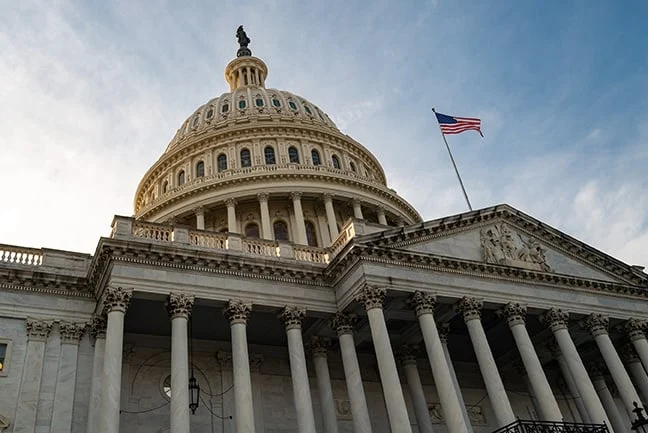
The Endocrine Society, a leading global organization representing thousands of physicians and scientists dedicated to hormone research and clinical care, has issued a formal appeal to the United States Congress, demanding immediate legislative action on two pivotal fronts of the nation’s diabetes crisis before the conclusion of the current legislative year. The Society’s advocacy centers on the critical reauthorization of the Special Diabetes Program (SDP) and the passage of the Improving Needed Safeguards for Users of Lifesaving Insulin Now (INSULIN) Act. With federal funding for essential research programs set to expire on December 31, and millions of Americans continuing to struggle with the rising costs of life-sustaining medication, medical professionals warn that a failure to act would result in a significant setback for public health and scientific innovation.
The Looming Funding Cliff for Diabetes Research
The Special Diabetes Program (SDP) serves as a cornerstone of the federal government’s commitment to combating diabetes. Established by Congress in 1997, the program is divided into two distinct but equally vital components: the Special Statutory Funding Program for Type 1 Diabetes Research, administered by the National Institutes of Diabetes and Digestive and Kidney Diseases (NIDDK), and the Special Diabetes Program for Indians (SDPI), overseen by the Indian Health Service (IHS).
According to the Endocrine Society, the impending December 31 expiration date poses a direct threat to long-term clinical trials and community health initiatives. The NIDDK utilizes SDP funds to explore the underlying causes of type 1 diabetes, an autoimmune condition that requires lifelong insulin administration. This research has been instrumental in the development of continuous glucose monitors (CGMs) and "artificial pancreas" systems, which have revolutionized the management of the disease. Without a timely reauthorization, the Society warns that these research tracks could come to a halt, potentially delaying the discovery of a cure or more effective preventative measures.

Simultaneously, the SDPI provides essential resources for type 2 diabetes prevention and treatment among American Indian and Alaska Native populations—groups that experience disproportionately higher rates of diabetes and its complications. The program has been credited with a 54% reduction in the incidence of end-stage renal disease (ESRD) among Native American adults between 1996 and 2013, a statistic that highlights the program’s efficiency in reducing both human suffering and federal healthcare spending on dialysis.
The INSULIN Act and the Fight for Affordability
While the SDP focuses on the future of treatment and prevention, the INSULIN Act addresses the immediate economic crisis facing the roughly 8.4 million Americans who rely on insulin to survive. The proposed bipartisan legislation, spearheaded by Senators Jeanne Shaheen (D-NH) and Susan Collins (R-ME), seeks to create a uniform price cap on insulin co-pays across the United States healthcare system.
Currently, the Inflation Reduction Act of 2022 provides a $35 monthly co-pay cap for insulin, but this protection is limited strictly to Medicare beneficiaries. The INSULIN Act aims to bridge the gap by extending this $35 cap to the private insurance market, ensuring that individuals with employer-sponsored or individual market plans are not forced to pay hundreds or even thousands of dollars out of pocket for a drug that was discovered over a century ago.
Furthermore, the bill includes provisions to assist the uninsured. By establishing a framework for affordable access through community health centers and other resources, the legislation aims to eliminate the dangerous practice of insulin rationing. A 2022 study published in the Annals of Internal Medicine found that approximately 1.3 million Americans with diabetes rationed their insulin due to cost, a practice that leads to ketoacidosis, organ failure, and death.
Chronology of Federal Diabetes Policy and the Current Standoff
The legislative path for these measures has been marked by both significant milestones and bureaucratic delays. The following timeline outlines the evolution of the current situation:
- 1997: Congress establishes the Special Diabetes Program to address the lack of dedicated funding for type 1 diabetes research and the epidemic of type 2 diabetes in Indigenous communities.
- 2022: The Inflation Reduction Act is signed into law, capping insulin costs at $35 for Medicare patients, but leaving the private sector unregulated.
- May 2023: The INSULIN Act is introduced in the Senate with bipartisan support, aiming to expand price protections and increase transparency among Pharmacy Benefit Managers (PBMs).
- July 2023: The Senate Health, Education, Labor & Pensions (HELP) Committee, chaired by Senator Bernie Sanders, votes to approve the INSULIN Act, moving it toward a full Senate vote.
- September–November 2023: Medical organizations, including the Endocrine Society and the American Diabetes Association (ADA), intensify lobbying efforts as the federal budget cycle nears its end.
- December 31, 2023: The current funding authorization for the Special Diabetes Program is scheduled to expire.
Despite the HELP Committee’s approval in July, the full Senate and the House of Representatives have yet to schedule a final vote on the INSULIN Act. The Endocrine Society notes that this legislative inertia puts the progress of the last two decades at risk.
Supporting Data: The Statistical Reality of the Diabetes Crisis
The urgency of the Endocrine Society’s plea is underscored by the staggering statistics surrounding diabetes in the United States. According to the Centers for Disease Control and Prevention (CDC), approximately 38.4 million Americans—nearly 11.6% of the population—have diabetes. An additional 97.6 million adults have prediabetes.
The economic burden is equally profound. A 2023 report by the American Diabetes Association revealed that the total estimated cost of diagnosed diabetes in the U.S. rose to $412.9 billion in 2022, including $306.6 billion in direct medical costs and $106.3 billion in indirect costs such as reduced productivity. One out of every four healthcare dollars spent in the U.S. is attributed to the care of people with diabetes.
The disparity in the cost of insulin remains a focal point of the debate. While the manufacturing cost of a vial of analog insulin is estimated to be between $3.69 and $6.16, the list price in the United States has historically hovered around $300. While some pharmaceutical companies have recently announced voluntary price reductions, advocates argue that federal legislation is necessary to codify these protections and ensure they are not subject to the whims of corporate strategy.
Stakeholder Perspectives and Institutional Advocacy
The Endocrine Society is not alone in its pursuit of these legislative goals. The broader medical community, including groups such as the Juvenile Diabetes Research Foundation (JDRF) and the American Association of Clinical Endocrinology (AACE), has voiced similar concerns.
"Diabetes research is not a luxury; it is a necessity for millions of families," a representative from the advocacy community stated in response to the Endocrine Society’s campaign. "When we delay funding for the NIDDK, we are essentially telling patients that their future health is on hold. When we fail to cap insulin prices for the privately insured, we are telling workers that their labor isn’t enough to afford the medicine they need to stay alive."
The Endocrine Society’s campaign encourages its members—who are often the primary care providers for these patients—to contact their representatives directly. The Society’s digital platform provides a streamlined method for constituents to voice their support, emphasizing that personal accounts from the front lines of healthcare are often the most persuasive tools in congressional offices.
Broader Implications and Analysis of Inaction
The potential consequences of failing to reauthorize the SDP or pass the INSULIN Act extend beyond the immediate medical needs of patients. From a macroeconomic perspective, the failure to fund prevention programs like the SDPI could lead to a surge in expensive emergency room visits and long-term disability claims.
In the realm of scientific research, the NIDDK’s SDP-funded initiatives are often multi-year or even multi-decade studies. A lapse in funding would not merely pause these studies; it could jeopardize the integrity of the data and force the disbandment of specialized research teams that took years to assemble. This "brain drain" in the field of endocrinology could hinder American competitiveness in biomedical innovation.
Furthermore, the failure to address insulin affordability for the private market creates a "coverage gap" that disproportionately affects young adults and the working class. As individuals transition from their parents’ insurance or move between jobs, the lack of a universal cap on insulin costs creates a period of extreme financial and physical vulnerability.
Conclusion: A Call for Bipartisan Resolve
As the legislative calendar draws to a close, the Endocrine Society remains steadfast in its position that diabetes care must transcend partisan politics. The Society argues that the SDP and the INSULIN Act represent common-sense solutions that have already garnered support from both sides of the aisle. The challenge remains in moving these items to the top of a crowded congressional agenda.
The Society’s call to action is a reminder that the window for intervention is closing. By urging citizens and medical professionals to visit their advocacy portal at endocrine.org/advocacy/take-action, the organization hopes to generate the necessary political pressure to ensure that December 31 passes with a renewed commitment to diabetes research and a tangible path toward affordable medication for all. The outcome of these legislative efforts will determine the trajectory of diabetes care in the United States for years to come, impacting the lives of millions who wait for Congress to turn these priorities into law.