










The field of neuroendocrinology is witnessing a transformative shift as researchers move beyond traditional genetic sequencing toward functional disease modeling using induced pluripotent stem cells (iPSCs). At the forefront of this evolution in South America is Dr. Maria Andrea Camilletti, an assistant researcher at the Laboratory of Applied Research in Neurosciences (LIAN) within the Institute of Neurosciences (INEU-CONICET) at the FLENI Foundation in Buenos Aires. Her work, which bridges the gap between clinical genomics and molecular biology, seeks to unravel the complexities of congenital hypopituitarism (CH), a rare but debilitating condition that affects the development and function of the pituitary gland.
The Foundation of a Scientific Career in Buenos Aires
Dr. Camilletti’s trajectory into the world of high-stakes biological research was influenced by a domestic environment that prized intellectual curiosity. Raised in a family of scientists—including a biochemist mother and relatives who were agronomists and engineers—she was introduced to the life sciences at an early age. This early exposure culminated in 2007 when she enrolled at the Faculty of Natural and Exact Sciences at the University of Buenos Aires (UBA).
The University of Buenos Aires, a cornerstone of Latin American academia, provided a rigorous environment where Camilletti was mentored by active scientists. It was here that she began to understand the duality of scientific pursuit: the thrill of discovery tempered by the practicalities of laboratory management. In 2011, her focus narrowed toward neuroendocrinology when she joined the laboratory of Dr. Graciela Díaz at the Institute of Biology and Experimental Medicine (IBYME). Under Díaz’s mentorship, Camilletti began investigating pituitary tumors, gaining first-hand experience in the challenges of conducting advanced research within Argentina’s fluctuating economic landscape.

Chronology of Research: From Pituitary Tumors to Genomic Panels
The pituitary gland, often referred to as the "master gland," is a pea-sized structure located at the base of the brain. Despite its size, it exerts terminal control over a vast array of physiological processes, including growth, metabolism, reproduction, and stress response. When this gland fails to develop properly, the resulting condition—congenital hypopituitarism—can lead to lifelong deficiencies in multiple hormones.
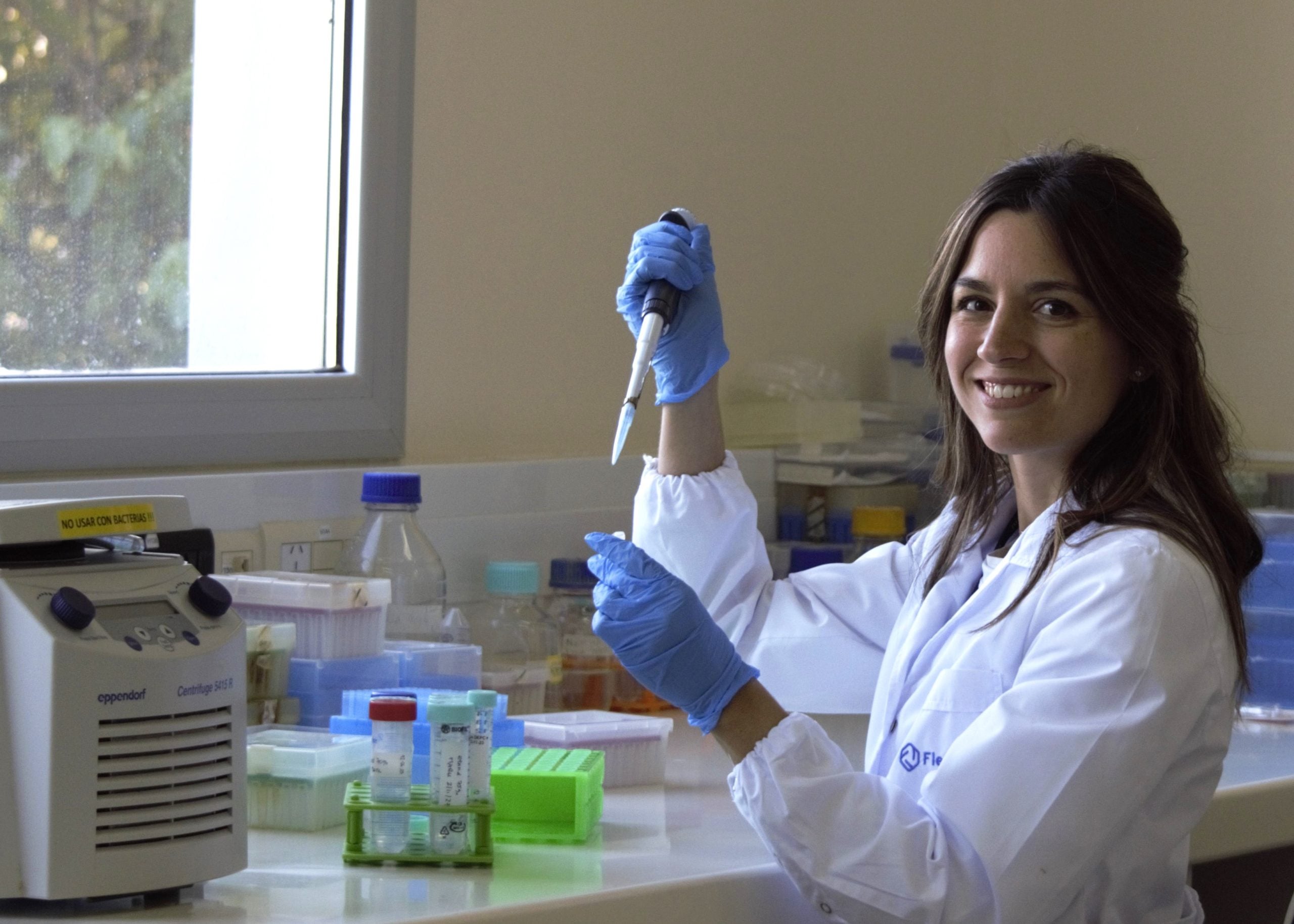
Following the completion of her PhD, Dr. Camilletti transitioned to a postdoctoral position in the laboratory of Dr. María Inés Pérez Millán. This period marked a significant shift toward clinical genomics. Dr. Pérez Millán, having returned to Argentina after a six-year tenure at the University of Michigan, aimed to modernize the diagnostic pipeline for CH in the region.
Between 2016 and 2021, the team focused on the development of a multigene sequencing panel designed to identify the genetic drivers of CH. This ambitious project involved screening over 170 pediatric patients from various hospitals across Argentina. The results of the study highlighted both the progress and the limitations of current genomic medicine:
- Success Rate: The team successfully identified pathogenic variants in 15.3% of sporadic cases.
- The VUS Challenge: A significant majority of the genetic variations discovered were classified as "variants of uncertain significance" (VUS).
- Clinical Implications: Without functional evidence to prove these variants caused the disease, physicians could not use the data for definitive genetic counseling or personalized treatment plans.
The Shift to iPSC Technology: A New Frontier in Modeling
Recognizing that sequencing alone was insufficient to solve the mysteries of the pituitary, Dr. Camilletti and her colleagues turned to a revolutionary technology: induced pluripotent stem cells (iPSCs). First developed in 2006 by Shinya Yamanaka and Kazutoshi Takahashi—a discovery that earned the Nobel Prize in 2012—iPSCs are adult cells that have been genetically reprogrammed to an embryonic-like state.
For Dr. Camilletti’s research at FLENI, iPSCs offered two distinct advantages. First, they possess the capacity for infinite self-renewal. Second, they can be differentiated into any cell type in the human body, including the specialized hormone-producing cells of the pituitary gland. Crucially, because these cells are derived from the patient’s own tissue (such as blood or skin), they carry the exact genetic blueprint of the individual, allowing researchers to observe how specific mutations disrupt development in a controlled laboratory setting.
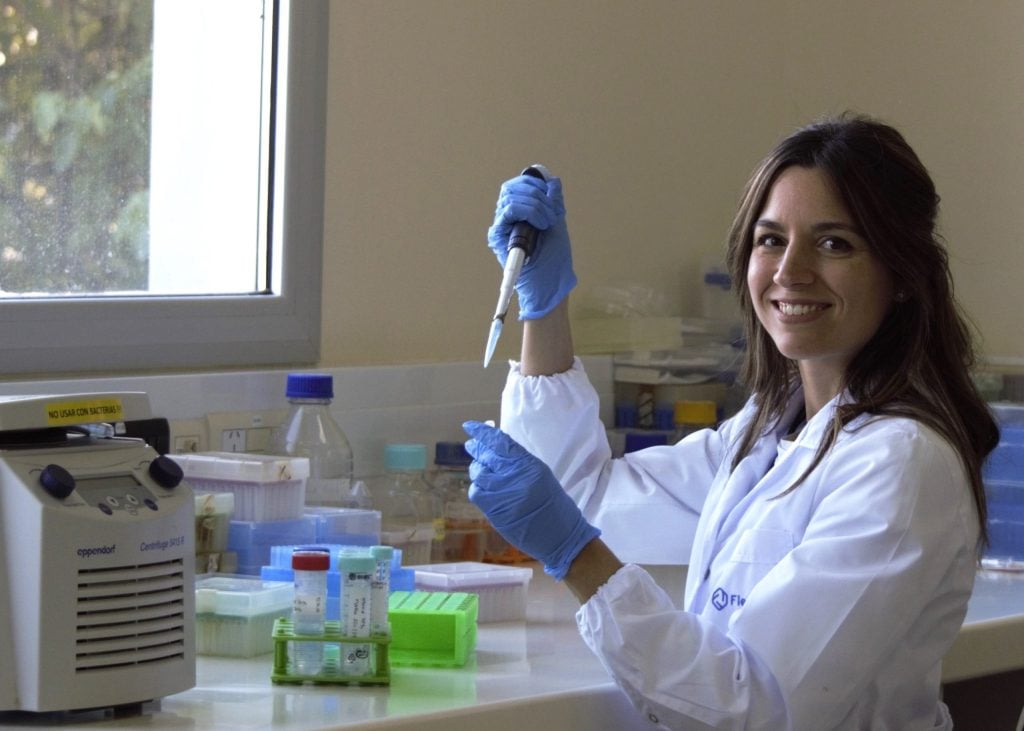
In her current role as an independent researcher at LIAN, Dr. Camilletti is utilizing these "cellular avatars" to investigate the FOXA2 gene. While FOXA2 is known to play a role in early embryonic development, its specific contribution to pituitary formation has remained largely obscure.
Case Study: The FOXA2 Variant and Personalized Medicine
The current cornerstone of Dr. Camilletti’s research involves a collaboration with specialists from Garrahan Hospital, Argentina’s premier pediatric health center. The study focuses on a patient presenting with growth hormone deficiency and craniofacial malformations, carrying a novel heterozygous nonsense variant in the FOXA2 gene (c.686C>A; p.S229*).
To investigate this, the team generated a specific iPSC line from the patient. The research protocol involves:
- Differentiation: Coaxing the patient-derived iPSCs to become pituitary progenitor cells.
- Comparative Analysis: Comparing the development of these cells against a control group of healthy iPSCs.
- Gene Editing: Utilizing CRISPR/Cas9 technology to create a FOXA2 knockout line, allowing the team to observe the total absence of the gene’s function.
- Omics Integration: Employing genomics and proteomics to map the transcriptional landscape, identifying exactly where the developmental pathway goes awry.
This level of detail is essential for moving beyond a "one-size-fits-all" approach to endocrinology. By understanding the pathogenic mechanism of the FOXA2 variant, the research team can provide the patient’s family with precise genetic counseling and contribute to a global database of pituitary-related mutations.
The Challenges of "Ninja-Culture" Laboratory Work
The technical demands of working with iPSCs are notoriously high. Unlike standard cell lines, iPSCs are highly sensitive to environmental changes and "stress" easily. In the LIAN laboratory, Dr. Camilletti and her team adhere to strict protocols that exclude the use of antibiotics in cell cultures to ensure the integrity of the biological models.
This rigorous environment has led to the internal nickname of "ninja-culture technicians" for those who master the art of maintaining these volatile cells. Beyond the technical execution, Dr. Camilletti emphasizes the importance of mentorship. By training PhD fellows and undergraduate students, such as Gonzalo Tomás Chirino Felker and Chiara Grosso, she is ensuring that the specialized knowledge of stem cell differentiation remains a sustainable asset for the Argentine scientific community.

Supporting Data and Regional Context
The significance of Dr. Camilletti’s work is amplified by the regional context of South America. According to data from the Endocrine Society, access to advanced molecular diagnostics for rare endocrine diseases is often limited in developing economies due to high costs and the lack of specialized infrastructure.
By establishing a robust iPSC pipeline in Buenos Aires, FLENI and INEU-CONICET are reducing reliance on international outsourcing for functional genetic assays. This local expertise is vital for:
- Reducing Diagnostic Odysseys: Shortening the time it takes for families to receive a definitive diagnosis for congenital disorders.
- Economic Efficiency: Developing custom-based sequencing panels and in-house modeling that are more cost-effective than proprietary commercial tests.
- Scientific Sovereignty: Contributing unique genetic data from Latin American populations, which are often underrepresented in global genomic studies.
Broader Impact and Future Implications
The implications of Dr. Camilletti’s research extend far beyond the laboratory bench. As the medical community moves toward the era of personalized medicine, the ability to model a patient’s disease in a dish is becoming a prerequisite for advanced therapies.
In the long term, the insights gained from iPSC modeling of FOXA2 and other genes involved in congenital hypopituitarism could pave the way for regenerative medicine. While currently in the realm of experimental research, the possibility of using iPSC-derived endocrine cells for transplantation could eventually offer a permanent cure for hormone deficiencies, replacing the need for daily hormone replacement injections.
Furthermore, the collaborative nature of this work—linking basic researchers at LIAN with clinical physicians at Garrahan Hospital—serves as a model for translational medicine. It ensures that scientific inquiries are directly informed by patient needs and that laboratory discoveries find their way back to the clinic.
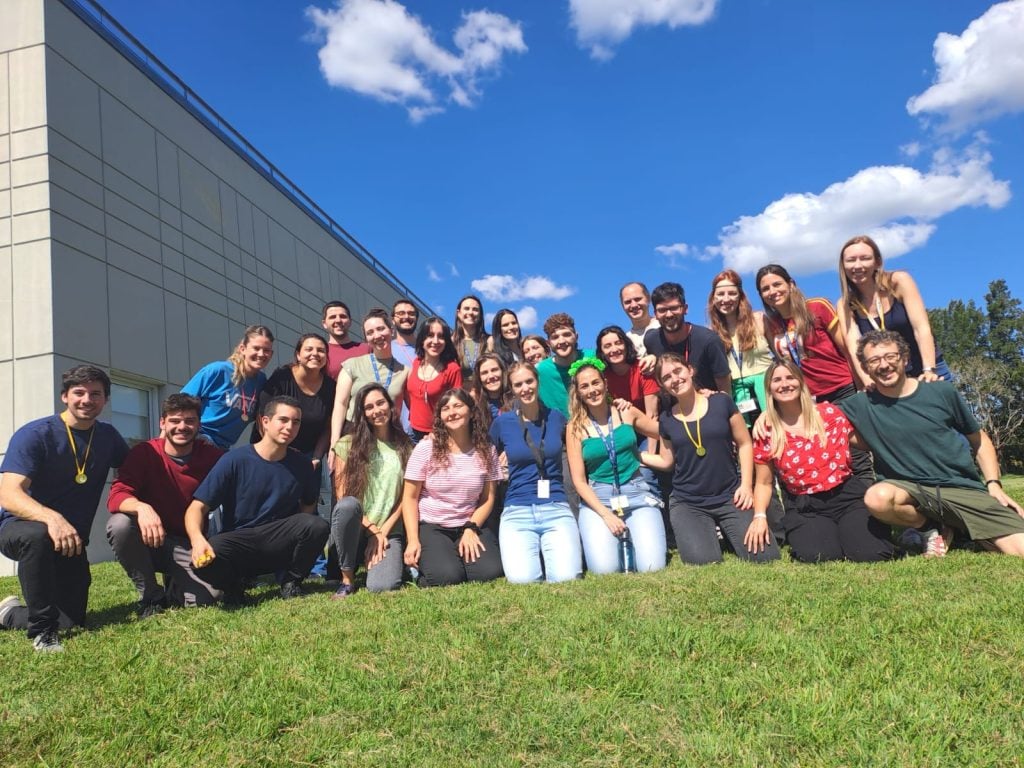
As Dr. Camilletti and the Early-Career Special Interest Group of the Endocrine Society continue to advocate for the integration of new technologies in hormone research, the focus remains clear: to transform "uncertain" genetic variants into actionable medical knowledge. Through a combination of family-inspired curiosity and cutting-edge stem cell technology, the mysteries of the pituitary gland are slowly being decoded, offering a brighter outlook for pediatric patients in Argentina and beyond.