







The humble bread crumb, often overlooked as a mere pantry staple, is experiencing a quiet but profound resurgence in contemporary kitchens, driven by a confluence of economic pressures, a renewed focus on sustainability, and a widespread desire for superior culinary quality. This shift away from mass-produced, store-bought alternatives towards homemade versions represents more than just a culinary preference; it signifies a broader movement in consumer behavior, emphasizing resourcefulness, health consciousness, and a deeper appreciation for the foundational elements of cooking. What was once a routine purchase for many households is increasingly being supplanted by a simple, effective, and surprisingly impactful DIY approach, transforming stale bread from a potential waste product into a versatile, flavorful ingredient that can significantly enhance a myriad of dishes.
Economic Imperatives and the Fight Against Food Waste

In an era marked by fluctuating food prices and growing concerns over household budgets, the economic rationale for making bread crumbs at home has become particularly compelling. According to recent analyses from consumer finance groups, the average household food expenditure has seen a significant uptick over the past two years, making cost-saving measures in the kitchen more critical than ever. A typical package of commercially produced bread crumbs can range from $2.50 to $5.00, depending on brand and type, often containing additives and preservatives. In stark contrast, homemade bread crumbs leverage what would otherwise be discarded – leftover bread that is no longer fresh enough for sandwiches but perfectly suitable for processing. This transformation of a potential waste product into a valuable ingredient offers a tangible saving, often reducing the effective cost to near zero for the primary ingredient.
Beyond direct cost savings, the practice of making homemade bread crumbs is a powerful tool in the fight against food waste, a global challenge with significant environmental and economic repercussions. The United Nations Environment Programme estimates that approximately 17% of total global food production is wasted, with households contributing 11% of this total. Bread, in particular, is one of the most frequently discarded food items in many developed nations due to its relatively short shelf life once opened or exposed to air. A 2022 study conducted by the Food Waste Reduction Alliance highlighted that bread and bakery products collectively account for a substantial portion of avoidable household food waste, often ending up in landfills. By converting stale loaves, crusts, and forgotten ends into bread crumbs, consumers are actively participating in a circular economy within their own homes, extending the life cycle of food products and minimizing their ecological footprint.
"The shift towards homemade bread crumbs is a brilliant example of how individual actions can collectively contribute to larger environmental goals," states Dr. Anya Sharma, an environmental economist specializing in sustainable consumption patterns at the Institute for Resource Management. "It’s a practical, everyday solution that tackles food waste at its root, diverting perfectly edible food from landfills where it would otherwise generate methane, a potent greenhouse gas, and contribute to resource depletion." This simple culinary act, therefore, transcends mere kitchen utility to become a statement of environmental responsibility and economic prudence.

The Culinary Renaissance: Unlocking Superior Flavor and Texture
While economic and environmental factors provide a strong impetus, the primary driver for many home cooks remains the undeniable superiority in flavor and texture offered by homemade bread crumbs. Commercial bread crumbs, particularly the plain varieties, are often characterized by a pervasive blandness that requires heavy seasoning to compensate. They can also possess a uniform, sometimes sawdust-like texture that lacks the nuanced crunch and irregular shape desirable for many culinary applications. Furthermore, pre-packaged options frequently contain high levels of sodium, artificial flavors, and anti-caking agents, detracting from both taste and health. In stark contrast, homemade bread crumbs, crafted from quality bread, deliver a depth of flavor and a delightful crispness that elevates dishes from the ordinary to the exceptional.
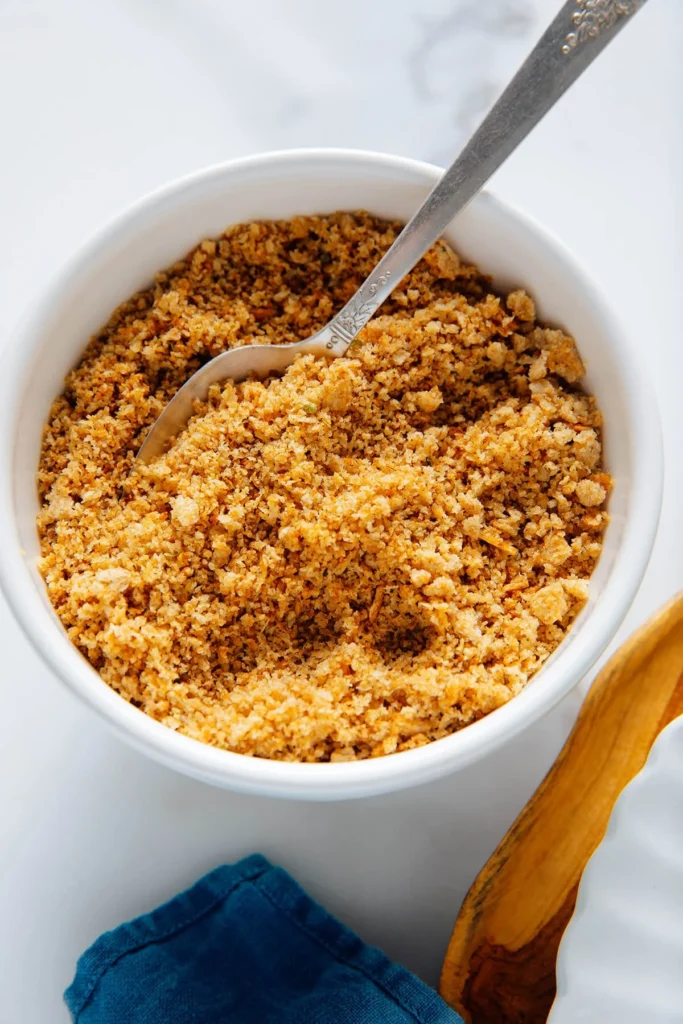
Culinary experts widely concur on this point. Chef Antoine Dubois, head of the Parisian culinary institute Le Cordon Bleu’s innovation lab, remarks, "The difference between store-bought and homemade bread crumbs is akin to comparing instant coffee to a freshly brewed artisan blend. The homemade version brings a richness, a subtle character, and a textural integrity that simply cannot be replicated by mass production. It provides a foundational layer of flavor that store-bought versions simply cannot achieve." This enhanced quality stems from several factors: the choice of bread, the freshness of the grind, and the ability to customize seasonings. Whether using a robust sourdough with its tangy notes, a rustic baguette for a delicate crunch, or even a wholesome whole wheat sandwich bread for added fiber, the inherent flavors of the chosen loaf translate directly and vividly into the crumbs. The option to add fresh herbs, garlic powder, onion powder, or a blend of Italian spices allows for an unparalleled level of customization, tailoring the crumbs precisely to the dish at hand. The aroma alone, as the article suggests, can transform a kitchen into an Italian restaurant, signaling a sensory experience far beyond what a package can offer.

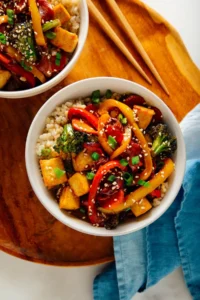
The versatility of homemade bread crumbs further underscores their value. Beyond their traditional role as a breading for cutlets, such as chicken or fish, or a binder in meatballs and meatloaves, these golden morsels serve as a transformative finishing touch. They impart a crucial textural contrast to creamy casseroles, add a sophisticated crunch to vibrant salads, and provide an unexpected layer of complexity to pasta dishes. Imagine a simple mac and cheese elevated by a golden, buttery crust that crumbles perfectly with each bite, or a crisp Caesar salad made even more compelling with freshly toasted, seasoned crumbs instead of conventional, often denser, croutons. The article highlights their adaptability, suggesting uses on everything from roasted vegetables like asparagus or broccoli, to creamy gratins, baked pasta, and even simple omelets, demonstrating their potential to enrich a vast array of recipes with minimal effort.
A Brief Chronology: From Ancient Necessity to Modern Convenience
The concept of using stale bread is not a modern innovation but a practice rooted deeply in culinary history, born out of necessity and ingenuity. For centuries, across various cultures, cooks have found ways to repurpose every morsel of food, and bread, a fundamental dietary staple, was no exception.

- Ancient Times (Pre-1000 AD): Evidence suggests that ancient civilizations, including the Romans and Greeks, would dry and crumble leftover bread. This was primarily a method of preservation and a way to extend the utility of bread. These crumbs were often used as thickeners for broths and stews or mixed with other ingredients to form early forms of meatballs or patties.
- Medieval Europe (1000-1500 AD): In medieval kitchens, bread crumbs, often called "sops," were a common ingredient. They were used to absorb fats in roasting meats, to bind mixtures, and to add substance to lean dishes. Waste was an unthinkable luxury, and every part of an ingredient was utilized.
- Early Modern Period (1500-1800 AD): As culinary techniques evolved, bread crumbs found more refined uses in breading, gratins, and desserts. The development of various cooking implements, though still manual, made the process of crumbling bread more efficient.
- Industrial Revolution (1800s-Early 1900s): The rise of industrial food production saw the advent of packaged goods, including pre-made bread crumbs. This marked a shift towards convenience, gradually moving away from the widespread home preparation of basic ingredients.
- Post-WWII Era (Mid-20th Century): With increasing affluence and the boom in processed foods, store-bought bread crumbs became a household norm in many Western countries. The emphasis was on speed and convenience over artisanal quality.
- Late 20th/Early 21st Century (Present Day): The modern resurgence, however, is significantly aided by technological advancements in the home kitchen and a renewed consumer interest in "from-scratch" cooking. The widespread availability of powerful food processors and high-speed blenders has democratized the process of making bread crumbs. What once required tedious grating or pounding can now be accomplished in mere seconds with the push of a button. This ease of preparation removes a significant barrier, making the homemade option not just superior but also incredibly convenient for busy individuals. "The democratization of kitchen technology, like food processors, has been a game-changer for practices like making bread crumbs," observes Dr. Eleanor Vance, a culinary historian at the University of Gastronomic Sciences. "It bridges the gap between traditional wisdom and modern convenience, allowing more people to access these beneficial culinary techniques that were once more labor-intensive."
The Craft of Crumb Making: Nuances and Best Practices
While the overall process of making bread crumbs at home is straightforward, the article implicitly suggests certain best practices for achieving optimal results, implicitly offering insights into the ‘how’ without being a direct recipe. These nuances elevate the homemade product significantly.
Key among these is the choice of fat for toasting. The explicit recommendation of butter over olive oil is a noteworthy detail, supported by observations of superior crispness and reduced clumping. While olive oil is a staple in many kitchens, its chemical composition and smoking point differ from butter. Butter, with its unique fat composition, appears to create a more stable, enduring crispness, a critical attribute for a finishing crumb, and often imparts a richer, nutty flavor when browned. The article’s finding that olive oil crumbs softened over time after cooking, while buttered crumbs maintained their crispness, provides practical, empirical evidence for this recommendation.

Another crucial aspect highlighted is the precise timing of adding crumbs to the hot fat and the subsequent cooling process. The instruction to melt butter in a skillet and wait until the foam is nearly gone before testing the temperature by dropping in a few bread crumbs demonstrates a nuanced approach to achieving perfect golden-brown results without burning. This "sizzle test" ensures the fat is at the optimal temperature for frying, promoting even browning and crispness. Spreading the freshly cooked crumbs on a plate to cool is not merely a suggestion but a critical step to halt the cooking process and ensure maximum crispness. This allows steam to escape, preventing the crumbs from becoming soggy and ensuring they remain light and airy.
The discussion around drying bread before processing also offers valuable insight, challenging a commonly held belief. While some traditional methods advocate for intentionally drying bread overnight on the counter or baking it at a low temperature (e.g., 275 degrees Fahrenheit for about 20 minutes), the article posits that for most common bread types, such as standard sandwich bread, this step is often unnecessary. This pragmatic advice streamlines the process, removing a potentially time-consuming step and making homemade crumbs even more accessible for spontaneous preparation. For notably moist or very fresh artisanal breads, a brief drying period might still be beneficial, but for everyday use, direct processing often suffices, highlighting the efficiency of modern kitchen appliances.
Broader Impact and Implications for the Food Industry

The growing trend of homemade bread crumbs, while seemingly minor in the vast landscape of food production, holds broader implications for the food industry. If a significant number of consumers shift away from purchasing pre-packaged bread crumbs, it could impact the market for these products. Manufacturers might need to innovate, perhaps by offering higher-quality, more sustainably sourced, or customizable options to retain market share. The emphasis on fresh, natural ingredients and the ability to control additives also puts pressure on the industrial food sector to increase transparency regarding ingredients, preservatives, and sodium content in their offerings.
Furthermore, this trend reflects a larger movement towards conscious consumption and a return to foundational cooking skills. It signifies a desire among consumers to exert more control over the ingredients in their food, to understand the origins of what they eat, and to participate more actively in the preparation process. This is not merely about frugality; it’s about a holistic approach to food that encompasses health, environmental responsibility, and culinary enjoyment. Data from market research firms specializing in consumer packaged goods indicate a steady rise in demand for "clean label" products and ingredients that promote sustainability, aligning perfectly with the homemade bread crumb phenomenon.
"We are witnessing a quiet revolution in home kitchens," notes Sarah Chen, a senior market analyst tracking food trends at Global Food Insights. "Consumers are increasingly sophisticated, demanding more from their food than just convenience. They want quality, they want sustainability, and they want value. Homemade bread crumbs encapsulate all these desires in a very simple, elegant solution." This shift is indicative of a broader culinary awakening, where the basic ingredients are celebrated and the process of creating them at home is seen as an act of empowerment and mindful living, fostering a deeper connection between the consumer and their food.

Conclusion: A Small Ingredient, A Big Impact
In conclusion, the simple act of transforming leftover bread into homemade bread crumbs is far more than just a recipe; it is a microcosm of evolving culinary practices and consumer values. It addresses critical contemporary issues such as food waste, economic prudence, and the pursuit of superior flavor and healthier eating. From its historical roots in resourcefulness to its modern accessibility facilitated by kitchen technology, homemade bread crumbs embody a powerful trifecta of benefits. They offer an unparalleled crispness and taste that elevates any dish, provide a tangible financial saving by utilizing otherwise discarded food, and contribute meaningfully to environmental sustainability by reducing food waste. As households continue to navigate economic uncertainties and environmental imperatives, the practice of making bread crumbs at home stands as a testament to the enduring power of simple, thoughtful culinary choices to make a significant positive impact. This small ingredient, crafted with care, indeed makes a big impact on meals, budgets, and the planet, symbolizing a broader return to fundamental, sustainable, and flavorful cooking.