







By Hank Schultz, Senior Editor, SupplySide Supplement Journal | April 9, 2026
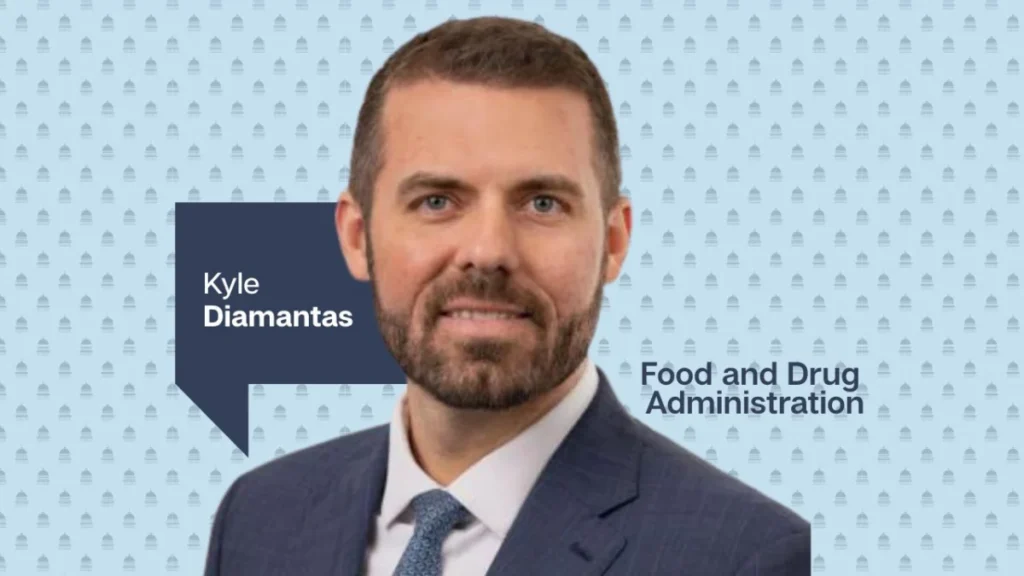
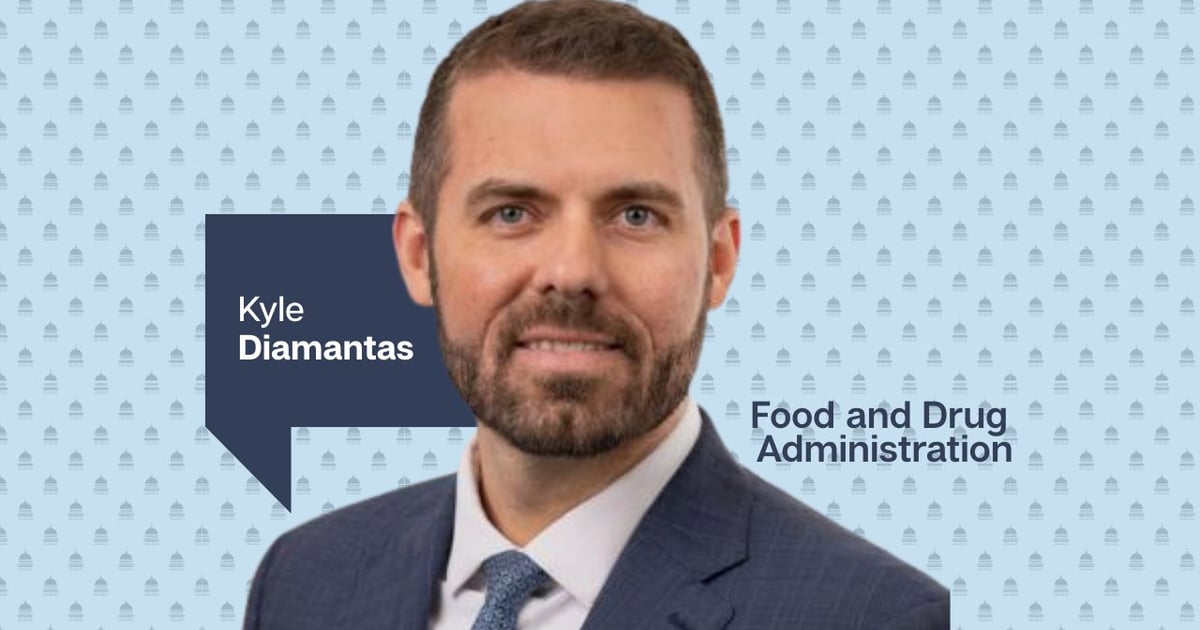
FDA official Kyle Diamantas has asserted that the "Make America Healthy Again" (MAHA) movement has served as a significant catalyst for change within the agency, fostering a renewed perspective on its core mission. Diamantas, who made these remarks during a recent meeting hosted by the Natural Products Association (NPA), emphasized that this impetus has made it easier for the Food and Drug Administration (FDA) to re-examine its objectives with a fresh lens.
Diamantas, a 38-year-old attorney from Florida with established ties to the Trump administration, was appointed as the FDA’s Deputy Commissioner for Human Foods in 2025. He shared his insights during a fireside chat moderated by Daniel Fabricant, Ph.D., President and CEO of the NPA. "We are taking a fresh look at how we can better serve consumers and how we can better protect food safety," Diamantas stated, addressing attendees. He further elaborated, "The momentum of the MAHA movement has really supported us and has made it easier for us. That momentum is really supporting change."

His appointment to the deputy commissioner role followed the resignation of his predecessor, Jim Jones, in 2025. Jones cited his departure as a protest against what he described as "indiscriminate layoffs" of 89 FDA staffers. This event was part of a broader trend of workforce reduction within the agency during 2025, where reports indicated that as many as 3,500 FDA employees were laid off, although some have since been rehired. The context of these workforce reductions is crucial to understanding the operational environment within which Diamantas is now working. Historically, the FDA has grappled with a perceived mismatch between its extensive mandate and its allocated resources, a challenge that has been cited by numerous staffers across different administrations.
Diamantas acknowledged the agency’s constrained resources in his recent comments, though he did not directly attribute the downsizing to the Trump administration’s policies. He articulated the significant disparity between the agency’s responsibilities and its budget, stating, "One of the challenges is the resources we have to do our work. We are responsible for 80% of the U.S. food supply. We are doing that on a budget half the size of the Dallas School District." This stark comparison underscores the operational hurdles the FDA faces in fulfilling its public health mandate.
The MAHA movement’s core tenets are reportedly guiding Diamantas’s approach to shaping the agency’s priorities. "We are really rooted in tackling the chronic disease epidemic in this country," he declared, indicating a strategic focus on long-term public health challenges. This alignment suggests a potential shift towards proactive health initiatives, a move that could resonate with the broader public health discourse often amplified by movements emphasizing national well-being.
Modernizing Supplement Regulation: A Key Priority
A significant area of focus for Diamantas is the "modernization" of how the FDA regulates dietary supplements. Central to this initiative is the clarification of the New Dietary Ingredient (NDI) notification process. This process has been a subject of ongoing discussion and debate since the initial draft guidance was released in 2010. A revised guidance was issued in 2016 but was never finalized, leaving many fundamental questions regarding its implementation unresolved.
The importance of the NDI pathway has been amplified by the Trump administration’s efforts to phase out the self-affirmed Generally Recognized As Safe (GRAS) pathway for food ingredients. This policy shift is expected to lead to an increased number of NDI notifications being submitted to the FDA by ingredient developers in the coming years. However, this move has also encountered considerable resistance. Reports indicate significant pushback against the elimination of the self-affirmed GRAS program, with legal experts raising credible questions about the FDA’s statutory authority to unilaterally discontinue this established market pathway. The industry’s response to these regulatory shifts is a critical factor to monitor, as it will dictate the future landscape of ingredient approval and market access.
Diamantas recognized the substantial growth of the dietary supplement industry, noting its expansion in both size and scope. He stated, "The supplement industry has grown tremendously not just in size but in scope and scale and our regulatory system has not kept up." His commitment to enhancing clarity for manufacturers is evident: "We want to help manufacturers understand their responsibility more clearly." This suggests a move towards more accessible and understandable regulatory frameworks, which could foster greater compliance and innovation within the sector.
Beyond procedural reforms, the FDA is exploring the integration of new technologies to enhance its regulatory capabilities. Diamantas indicated that embracing additional third-party data streams could revolutionize the agency’s approach. For instance, the utilization of artificial intelligence (AI) tools could significantly improve the agency’s ability to prioritize facility inspections, particularly given the constraints on available personnel. Furthermore, giving greater weight to the results of third-party facility audits and leveraging that data more effectively could provide valuable insights and efficiencies. This technological integration could represent a significant step forward in the FDA’s capacity to oversee a complex and rapidly evolving market.
Navigating the Path to Reform
While the Trump administration has been characterized by its decisive and sometimes abrupt decision-making, Diamantas cautioned that significant change within large bureaucratic organizations like the FDA often unfolds gradually. "Every place I’ve worked there has been a ‘we’ve always done it that way’ mentality. FDA is no different," he observed. This sentiment highlights the inherent challenges of institutional inertia and the deeply ingrained practices that can impede rapid transformation.
The article also touched upon the increasing role of state regulators in addressing perceived gaps in federal oversight. Some states have implemented restrictions on the sale of certain supplements to minors, citing concerns about potential links to eating disorders. Additionally, new testing requirements for some supplements are emerging at the state level. Diamantas acknowledged this trend, stating, "There is no doubt that there has been an increasing wave of state action. They have viewed their work as filling a void in federal regulatory action." He further revealed that governors have directly communicated their actions were intended to compel the FDA to be more proactive. This dynamic suggests a potential for a more collaborative, albeit sometimes competitive, regulatory environment between federal and state authorities, driven by public health concerns.
The FDA’s reform efforts are not being pursued for the sake of change itself. Diamantas emphasized that the principle of "right-sizing the regulatory sphere" will serve as the guiding philosophy. The agency is actively seeking input from stakeholders regarding requirements that impose unnecessary costs without a corresponding benefit to human health. "We want to hear from you all as to what are the requirements that create unnecessary cost and that don’t really impact human health. We want to know how we can reduce costs and burdens and still protect human health," he concluded. This consultative approach signals a commitment to evidence-based regulation that balances consumer protection with industry feasibility.
The broader implications of these proposed reforms are significant. A modernized and more efficient regulatory framework for dietary supplements could foster greater innovation, attract investment, and ultimately benefit consumers by ensuring the availability of safe and effective products. The integration of technology, such as AI, could lead to more targeted and effective oversight, optimizing the use of limited resources. Furthermore, addressing the chronic disease epidemic through a focus on diet and nutrition, as Diamantas indicated, aligns with pressing public health goals.
The journey toward implementing these changes will likely be complex, requiring careful navigation of established procedures, stakeholder engagement, and the inherent challenges of large-scale organizational reform. However, the acknowledged impetus from the MAHA movement, coupled with a clear articulation of priorities like supplement regulation modernization and a commitment to evidence-based policy, suggests a period of potential transformation for the FDA’s human foods program. The agency’s success will hinge on its ability to translate these stated intentions into tangible improvements that enhance both public health and the clarity of the regulatory landscape for the industries it oversees. The coming months and years will be critical in observing the concrete outcomes of these reform efforts.