






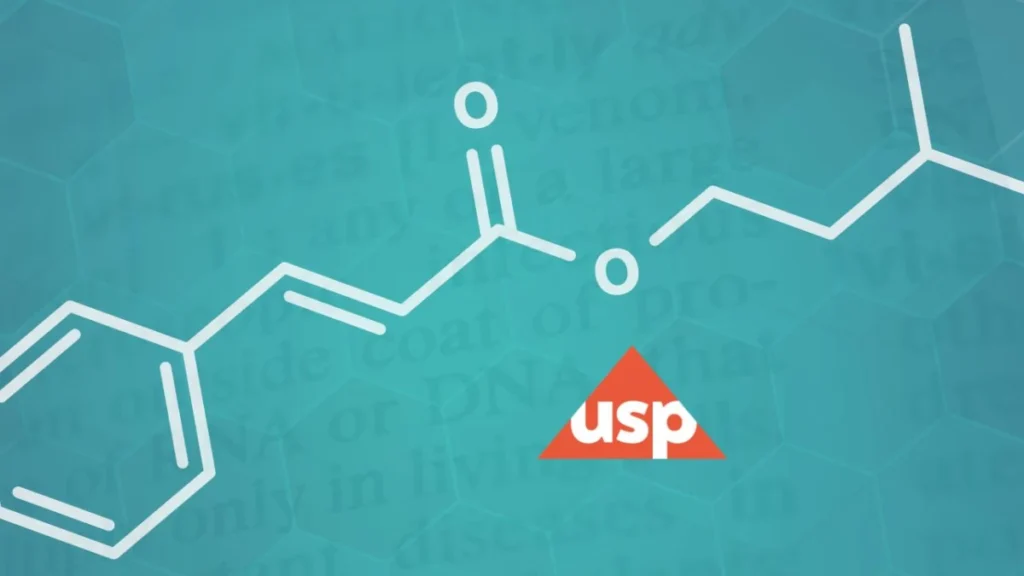
In a significant development for the burgeoning dietary supplement industry, Niagen Bioscience has announced that its patented form of nicotinamide riboside chloride (NRCl), marketed under the brand name Niagen, has officially achieved a published dietary supplement ingredient monograph by the United States Pharmacopeia (USP). This milestone marks the first-ever USP monograph for a nicotinamide riboside ingredient, establishing a crucial quality benchmark for this increasingly popular NAD+ precursor. The monograph, a testament to years of dedicated scientific collaboration, is slated to take effect in October 2026, providing regulatory bodies and consumers with a definitive standard for purity, potency, and testing of NRCl.
The United States Pharmacopeia, an independent, science-based nonprofit organization, plays a pivotal role in safeguarding public health by developing and disseminating official quality standards for medicines, food ingredients, and dietary supplements. These standards are widely recognized and utilized by regulatory agencies worldwide, including the U.S. Food and Drug Administration (FDA), to ensure the safety and efficacy of products reaching the market. The establishment of a USP monograph for NRCl signifies a formal endorsement of its quality and the reliability of its manufacturing and testing processes.
Rob Fried, CEO of Niagen Bioscience, highlighted the profound implications of this achievement for the broader NAD+ supplement landscape. "This monograph is a meaningful development for the broader NAD+ supplement industry because NR (nicotinamide riboside) now has a published pharmacopeial standard, while NMN (nicotinamide mononucleotide) and NAD+ do not," Fried stated. He further emphasized the commitment required to reach this point, adding, "It underscores the importance of doing the long-term scientific and technical work required to help define a quality standard." This distinction positions Niagen’s NRCl as a leader in terms of established quality assurance within the competitive NAD+ precursor market, a sector that has seen exponential growth fueled by research into cellular aging and energy metabolism.
The Rigorous Path to a USP Monograph
The journey to achieving a USP monograph for NRCl was a protracted and intensive undertaking, involving a six-year collaboration between Niagen Bioscience and USP. Throughout this period, Niagen Bioscience actively sponsored the monograph development effort, contributing extensive analytical methods, meticulously defined specifications, and robust testing approaches. This deep dive into the scientific and technical aspects of NRCl production and characterization was essential for meeting USP’s stringent requirements.
The resulting monograph outlines comprehensive guidelines that will govern the quality of NRCl used in dietary supplements. These guidelines encompass critical parameters such as identity testing, ensuring the ingredient is indeed NRCl; assay specifications, defining the acceptable range of active compound; impurity limits, setting thresholds for unwanted byproducts; contaminant and microbial standards, guaranteeing safety from harmful substances and microorganisms; and detailed packaging and storage guidelines, preserving the integrity and stability of the ingredient. The anticipation surrounding its October 2026 effective date underscores the industry’s readiness to adopt these elevated quality benchmarks.
Aron Erickson, Vice President of Research and Development at Niagen Bioscience, articulated the scientific foundation of the monograph. "The monograph for NRCl is based on the scientific data, analytical methods, and specifications that we established for Niagen," Erickson confirmed. This statement underscores that the USP standard is not an arbitrary creation but is directly rooted in the extensive research and development conducted by Niagen Bioscience, validating the company’s proprietary form of NRCl.
The Legal and Regulatory Framework of USP Standards
The significance of USP standards is further amplified by their recognition within the U.S. legal framework. As Binu Koshy, Ph.D., Principal Scientist at USP, explained, USP and its standards are recognized as part of the federal Food, Drug and Cosmetic Act. This federal recognition means that while adherence to USP monographs is voluntary for dietary supplements, any product that claims to meet a USP standard is legally obligated to do so. Failure to meet such a claimed standard can result in the product being deemed misbranded, opening the door to regulatory action by the FDA.
"FDA and USP maintain a collaborative relationship to ensure that USP standards are aligned with legal requirements where applicable," Koshy elaborated, highlighting the synergistic efforts between the two organizations to uphold public health and consumer safety. This close working relationship ensures that USP standards are not only scientifically sound but also practically enforceable within the existing regulatory landscape.
Koshy also confirmed the groundbreaking nature of this publication. "NRCl monograph is the first for a nicotinamide riboside ingredient, and USP is evaluating proposals for other NAD+ precursors," he stated. This indicates a strategic focus by USP to address the growing interest in NAD+ boosting compounds and to develop necessary quality standards for this emerging category of dietary ingredients. The proactive evaluation of other NAD+ precursors suggests a commitment to a comprehensive approach in setting standards for this class of molecules.
The Broader Implications for the NAD+ Industry
The establishment of a USP monograph for NRCl carries substantial implications for the entire NAD+ precursor market. For years, the industry has navigated a landscape where quality standards for many compounds, including NAD+ itself and NMN, have been less defined. This has created potential for variability in product quality and raised concerns among both consumers and regulators. The Niagen Bioscience NRCl monograph provides a clear and enforceable benchmark, setting a precedent for other NAD+ precursors to follow.
Background and Chronology:
- Early Research into NAD+: Nicotinamide riboside (NR) and nicotinamide mononucleotide (NMN) emerged as popular subjects of research in the early 2010s due to their role as precursors to Nicotinamide Adenine Dinucleotide (NAD+), a vital coenzyme involved in cellular metabolism, DNA repair, and energy production.
- Development of Niagen®: Niagen Bioscience (formerly ChromaDex) invested heavily in the research, development, and patenting of nicotinamide riboside chloride (NRCl), leading to the commercialization of Niagen®. This involved extensive preclinical and clinical studies to establish its safety and efficacy.
- Initiation of USP Monograph Process: Recognizing the need for established quality standards, Niagen Bioscience initiated a collaboration with USP approximately six years prior to the announcement. This process involved submitting extensive scientific data, analytical methodologies, and proposed specifications for NRCl.
- USP Review and Development: USP’s scientific committees rigorously reviewed the submitted information, conducted independent evaluations, and engaged in iterative discussions with Niagen Bioscience to refine the monograph’s requirements. This phase ensured the monograph’s scientific integrity and practical applicability.
- Publication of the Monograph: Following successful completion of the review and development process, USP officially published the dietary supplement ingredient monograph for NRCl.
- Anticipated Effective Date: The monograph is scheduled to become effective in October 2026, providing the industry with a clear timeline for implementation.
Supporting Data and Industry Trends:
The demand for NAD+ boosting supplements has surged, driven by a growing awareness of cellular aging processes and the potential of NAD+ to support energy levels, cognitive function, and metabolic health. Market research reports indicate a compound annual growth rate (CAGR) in the NAD+ supplements market projected to exceed 10% in the coming years, with some estimates placing the market value in the billions of dollars. This rapid expansion underscores the critical need for standardized quality control measures.
The lack of a USP monograph for other NAD+ precursors, such as NMN, has been a point of discussion within the scientific and consumer communities. While NMN has also garnered significant research interest and consumer adoption, its quality and purity can vary considerably between manufacturers. The USP’s acknowledgment that it is "evaluating proposals for other NAD+ precursors" suggests a future where standardized monographs may become available for these ingredients as well, further elevating the quality assurance across the entire category.
Reactions and Inferences from Related Parties:
While direct quotes from regulatory bodies beyond USP are not available in the initial announcement, the FDA’s acknowledgment of USP standards within the Food, Drug and Cosmetic Act implies a supportive stance. The FDA’s reliance on USP standards for various drug and supplement components suggests that this new monograph will likely be viewed favorably by the agency as it pertains to the quality of NRCl used in dietary supplements.
Consumer advocacy groups and health professionals who prioritize evidence-based and quality-controlled supplements are likely to welcome this development. The existence of a USP monograph provides a tangible assurance of quality that consumers can rely on when making purchasing decisions, potentially leading to increased consumer confidence in NRCl-containing products.
Analysis of Implications:
The establishment of a USP monograph for NRCl is poised to have several far-reaching consequences:
- Enhanced Consumer Confidence: A USP monograph offers a credible, third-party verification of ingredient quality. This can significantly boost consumer trust in products that bear the Niagen® ingredient or are certified to meet the NRCl monograph.
- Leveling the Playing Field: By setting a clear standard, the monograph can help differentiate high-quality manufacturers from those who may compromise on quality. This incentivizes adherence to rigorous standards across the industry.
- Regulatory Clarity: The monograph provides regulatory bodies with a defined benchmark for evaluating NRCl. This can streamline regulatory oversight and enforcement efforts.
- Stimulus for Further Research: With a standardized, high-quality ingredient readily available, researchers may find it easier to conduct further studies on the efficacy and applications of NRCl, potentially leading to new discoveries and broader therapeutic uses.
- Potential for Broader Industry Standards: As USP continues to evaluate other NAD+ precursors, this NRCl monograph serves as a model and precedent. It signals a future where more NAD+ boosting ingredients may achieve similar quality certifications, promoting a more robust and reliable market.
- Impact on Manufacturing Practices: Manufacturers of NRCl will need to align their production processes and quality control measures with the USP monograph’s requirements. This may lead to significant investments in analytical equipment, personnel training, and process optimization.
In conclusion, Niagen Bioscience’s achievement of a USP monograph for its patented NRCl is a landmark event. It not only solidifies the quality of Niagen® but also sets a crucial precedent for the NAD+ precursor market, promising greater transparency, reliability, and consumer confidence in a rapidly expanding sector of the health and wellness industry. The October 2026 effective date signifies a coming era of elevated quality standards for NAD+ ingredients.