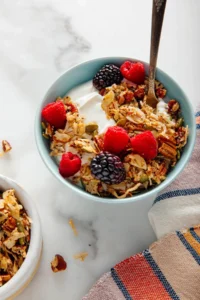









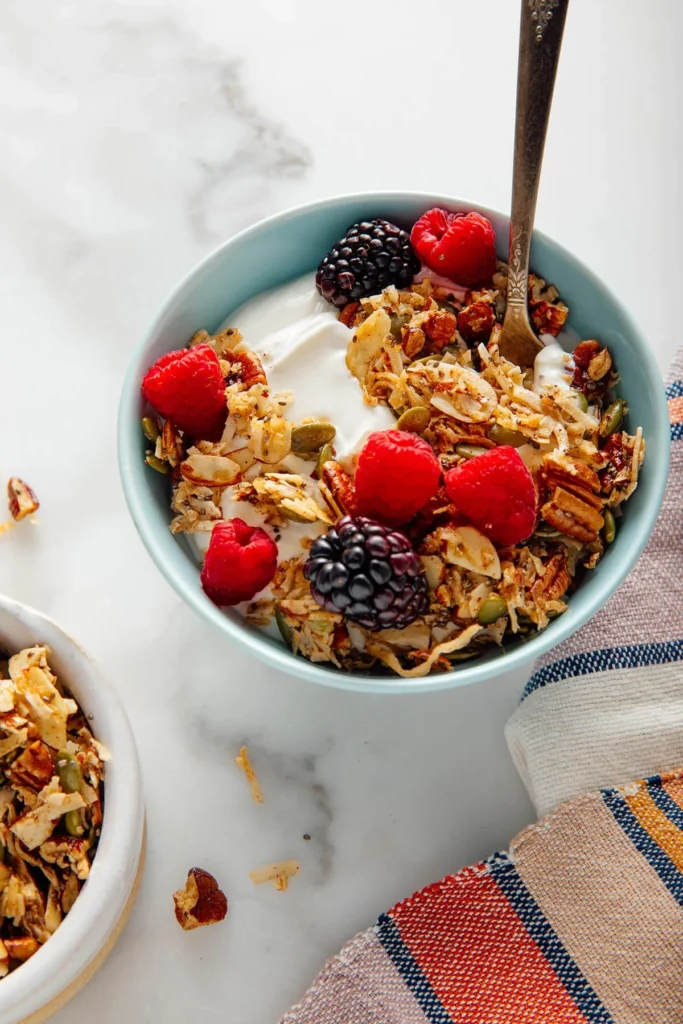
The culinary landscape continues to evolve, with grain-free granola emerging as a significant player in the health and wellness sector. Moving beyond traditional oat-based formulations, this innovative breakfast and snack option delivers a sweet, nutty crunch while catering to a growing demographic seeking carbohydrate-conscious and gluten-free alternatives. Its rise is not merely a trend but a reflection of deeper shifts in dietary understanding and personal health management, exemplified by individuals navigating conditions such as gestational diabetes, where meticulous blood sugar control is paramount. This particular iteration, inspired by the work of a registered dietitian, has demonstrated its capacity to transform routine meals into satisfying, health-supportive experiences, solidifying its place as a kitchen essential for many.
The Evolving Landscape of Dietary Choices: Understanding the Grain-Free Movement
The concept of grain-free eating has gained considerable traction over the past decade, driven by a confluence of factors ranging from perceived digestive benefits to a broader interest in low-carbohydrate lifestyles. While often conflated with gluten-free, the grain-free approach extends beyond merely avoiding gluten-containing grains like wheat, barley, and rye to encompass all grains, including typically "healthy" options like oats, rice, and corn. Proponents suggest that eliminating grains can alleviate inflammation, improve gut health, stabilize blood sugar levels, and aid in weight management. This dietary philosophy resonates with various contemporary eating patterns, including paleo, keto, and specific carbohydrate diets (SCD), each with its own rationale but sharing a common thread of grain exclusion.
The shift towards grain-free alternatives is not solely anecdotal; market research indicates a substantial increase in consumer demand for products aligning with these dietary preferences. Reports from industry analysts highlight a compound annual growth rate (CAGR) for the global grain-free food market, projected to reach significant valuations in the coming years. This growth is fueled by heightened consumer awareness regarding food sensitivities, allergies, and the desire for nutrient-dense options. Manufacturers and home cooks alike are responding by innovating traditional recipes, transforming staples like bread, pasta, and, notably, granola, into grain-free versions that maintain flavor and texture integrity.
Personal Health Imperatives: Navigating Gestational Diabetes with Dietary Innovation
The practical application of grain-free eating often stems from specific health directives. One such scenario, as detailed by many, involves managing gestational diabetes (GD), a condition that develops during pregnancy and affects how a woman’s body uses sugar (glucose). GD impacts a significant percentage of pregnancies globally, with prevalence rates varying but often cited between 2% and 10%. Effective management is crucial to prevent complications for both mother and baby, primarily through dietary modifications and, if necessary, medication. This often necessitates a carb-conscious approach to maintain stable blood sugar levels.
For individuals facing such dietary challenges, discovering palatable and satisfying food options becomes critical. Traditional granolas, typically rich in oats and sometimes high in added sugars, can pose a challenge for blood sugar management due to their carbohydrate content. The development of a grain-free granola, therefore, offers a valuable solution. It provides the beloved crunch and sweetness of conventional granola without the glycemic impact of oats, making it an ideal choice for a gestational diabetes-friendly breakfast or snack. The inspiration for this particular recipe stemmed from the work of registered dietitian Lily Nichols, RDN, author of "Real Food for Pregnancy." Nichols advocates for a nutrient-dense, real-food approach to prenatal nutrition, emphasizing balanced macronutrients and blood sugar control as foundational elements for a healthy pregnancy. Her influence underscores the importance of evidence-based dietary strategies in clinical settings and for personal health management.
A Deep Dive into Nutritional Composition: The Power of Nuts, Seeds, and Coconut
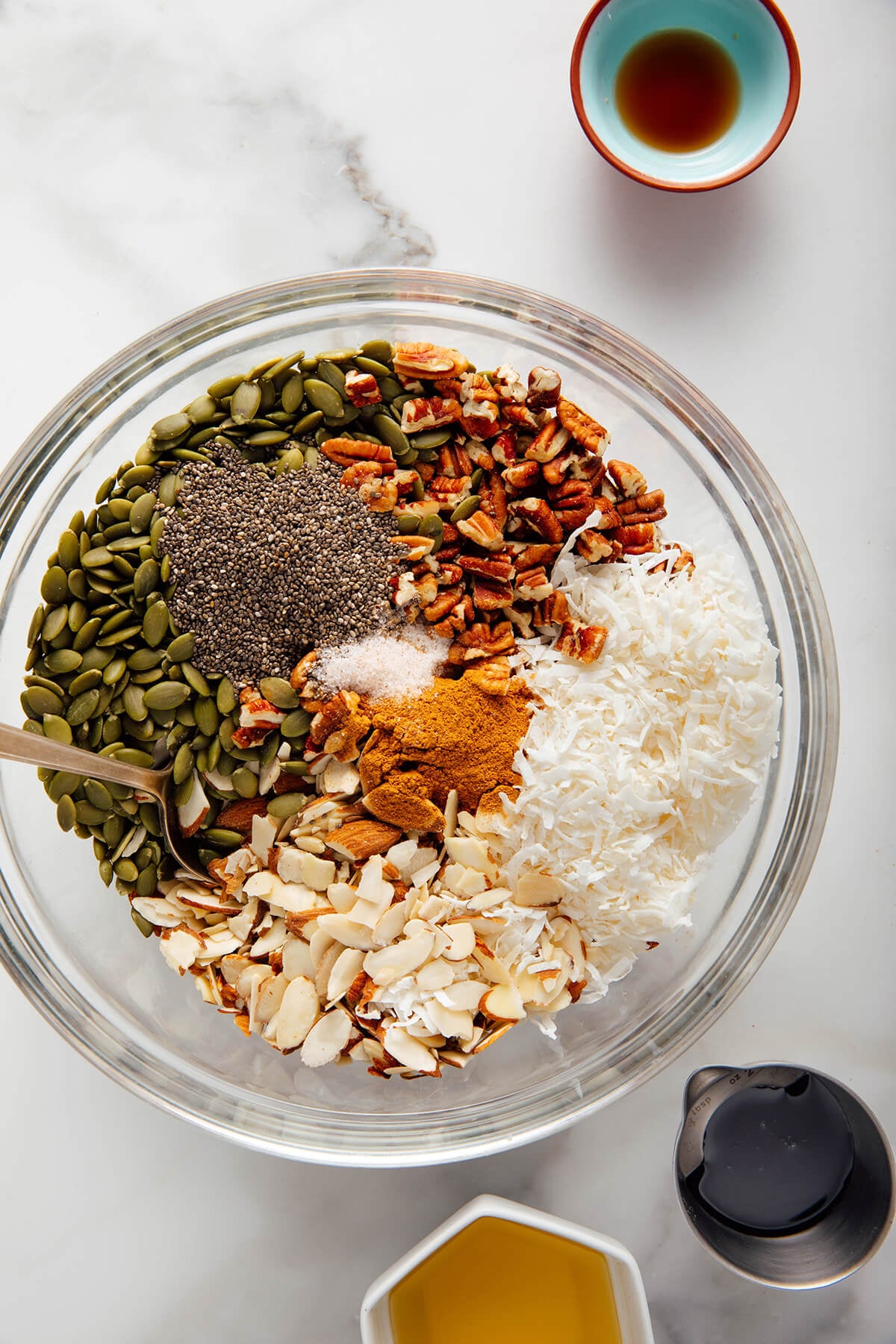
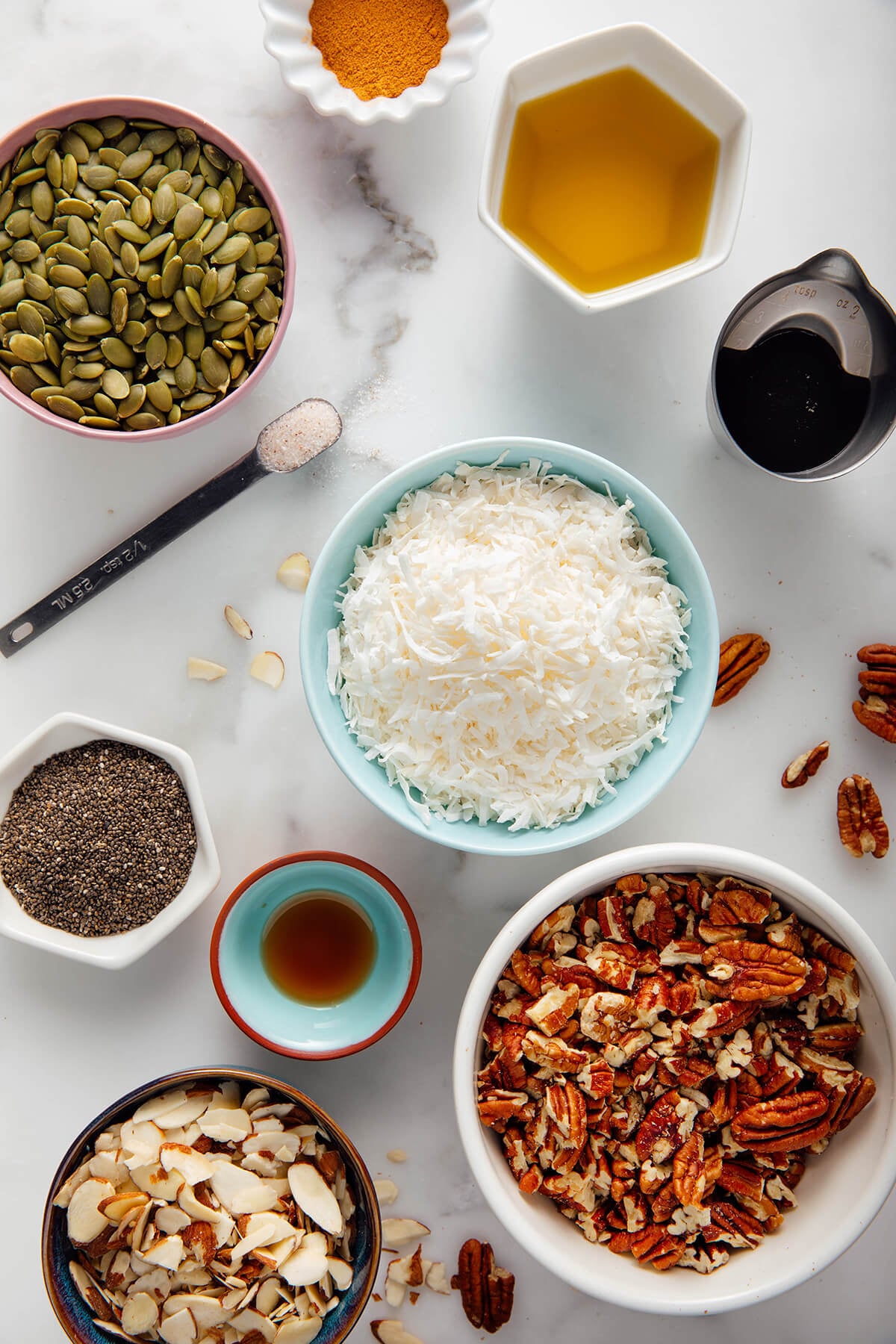
The nutritional efficacy of grain-free granola lies in its core ingredients: a carefully selected blend of nuts, seeds, and coconut. Unlike oat-based granolas, which derive much of their caloric and carbohydrate content from rolled oats, grain-free versions primarily utilize ingredients known for their healthy fats, protein, and fiber content.
- Nuts (Almonds, Pecans, Walnuts): These powerhouses are rich in monounsaturated and polyunsaturated fats, which are beneficial for heart health and provide sustained energy. They are also excellent sources of plant-based protein, contributing to satiety and muscle maintenance. Furthermore, nuts deliver essential vitamins and minerals, including Vitamin E, magnesium, and selenium. For instance, almonds are noted for their Vitamin E content, an antioxidant, while walnuts are unique for their high alpha-linolenic acid (ALA), an omega-3 fatty acid.
- Seeds (Chia, Flax, Pepitas/Pumpkin Seeds): Seeds are nutritional giants in a tiny package. Chia seeds are celebrated for their exceptional fiber content, including soluble fiber that can help regulate blood sugar, and their omega-3 fatty acids. Flax seeds also offer a significant dose of omega-3s (ALA) and lignans, compounds with antioxidant properties. Pepitas, or pumpkin seeds, provide zinc, magnesium, and a good amount of protein. These seeds contribute significantly to the granola’s fiber profile, aiding digestion and promoting fullness, a crucial aspect for blood sugar control.
- Coconut: Desiccated or shredded coconut adds a unique texture and flavor profile, alongside a healthy dose of medium-chain triglycerides (MCTs). MCTs are metabolized differently from other fats, potentially offering a quick source of energy and supporting metabolic health. Coconut also provides dietary fiber and various minerals.
The combination of these ingredients results in a granola that is not only delicious but also boasts a favorable macronutrient balance: lower in net carbohydrates compared to traditional versions, higher in healthy fats, and a good source of protein and fiber. This profile makes it an excellent choice for those seeking to manage blood sugar, maintain energy levels without spikes and crashes, or simply incorporate more nutrient-dense foods into their diet.
Culinary Versatility and Market Resonance: More Than Just a Breakfast Item
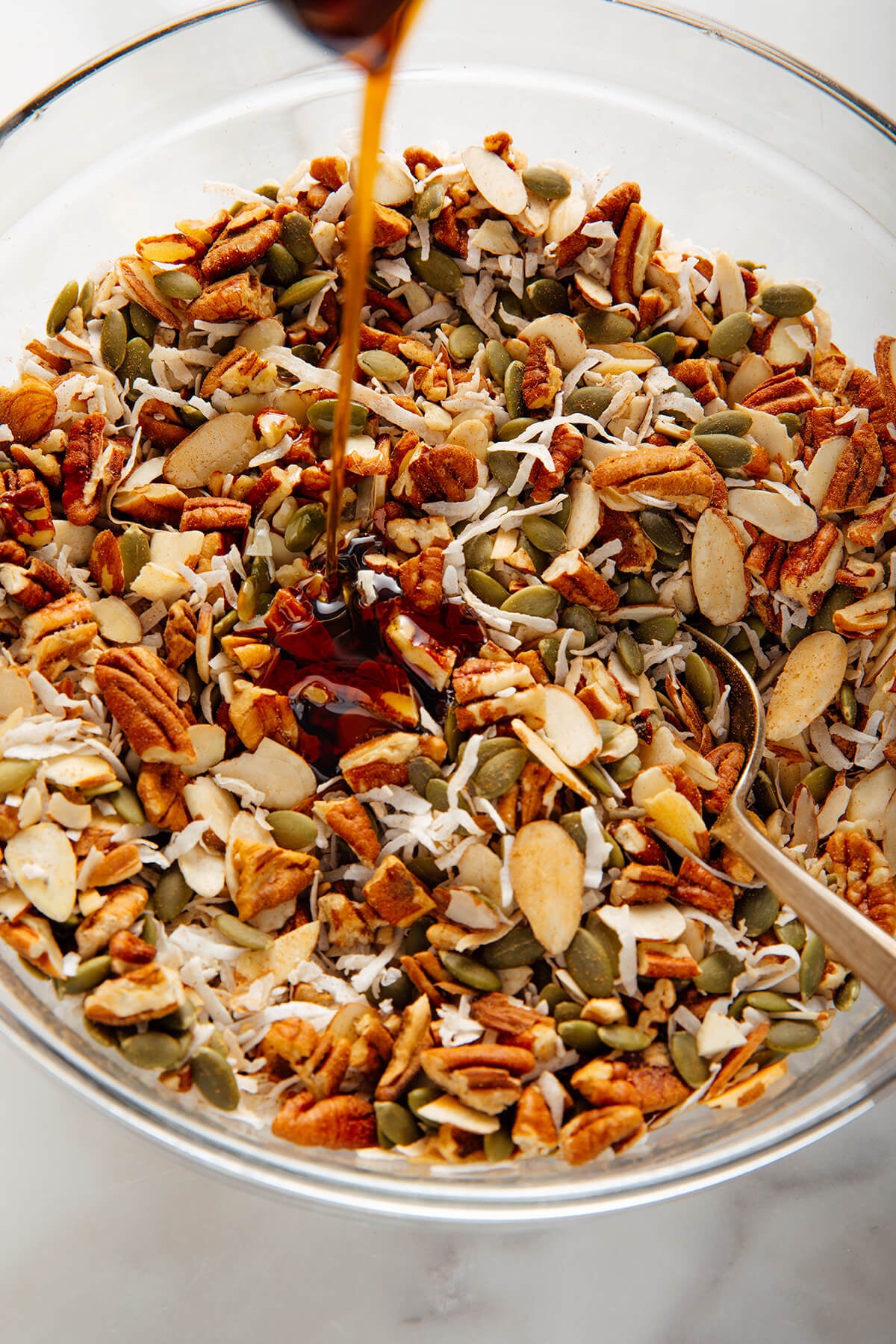
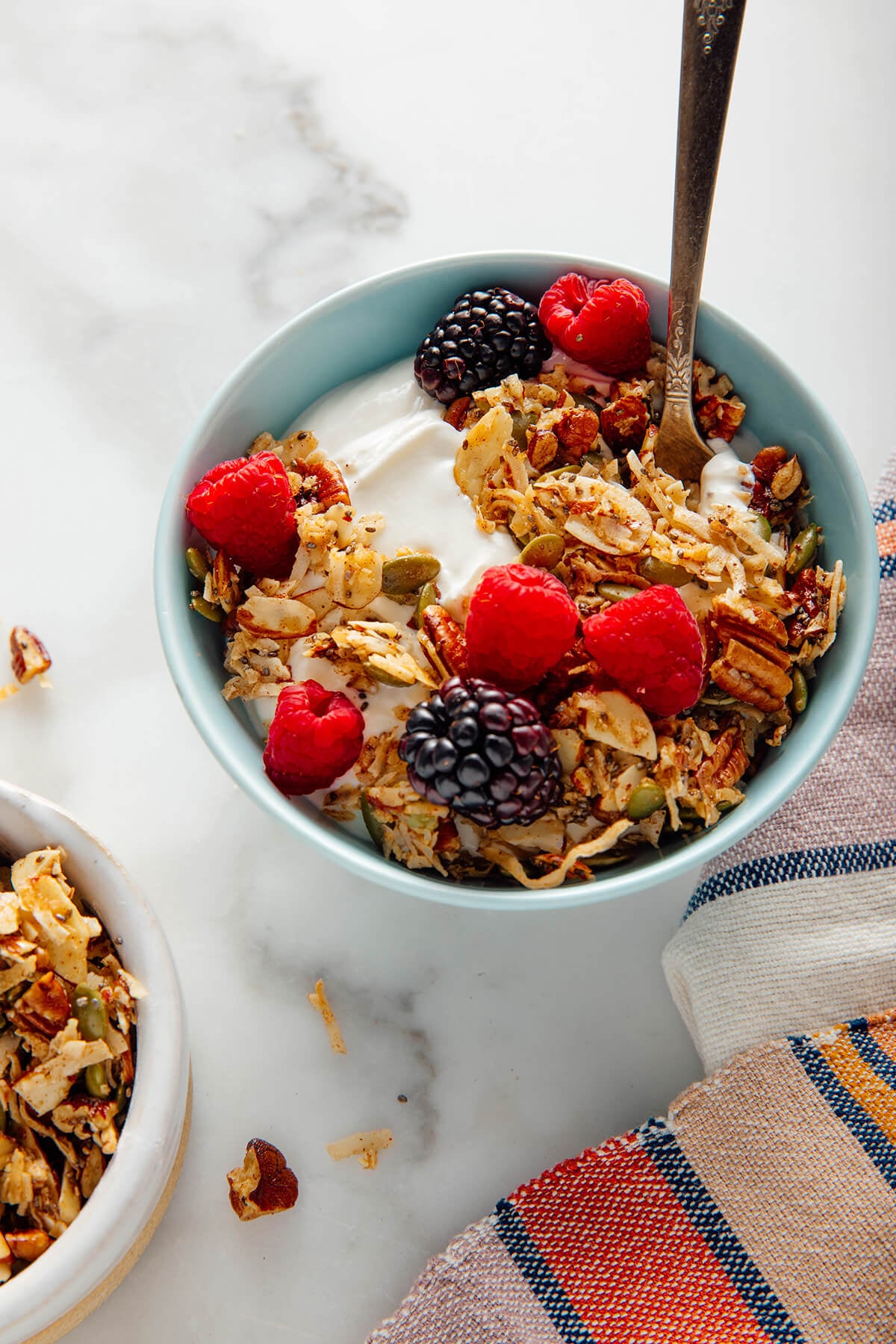
The appeal of grain-free granola extends beyond its nutritional benefits to its remarkable culinary versatility. While it shines as a topping for Greek yogurt, adding a crucial textural contrast and flavor boost, its applications are far broader. It can be sprinkled over smoothie bowls, enhancing their nutrient density and crunch, or incorporated into fruit salads for an unexpected layer of texture. As a standalone snack, it offers a satisfying alternative to processed options, providing sustained energy between meals. Its adaptability also makes it suitable for various dietary contexts, including dairy-free, egg-free, soy-free, and easily modifiable to be vegan by choosing maple syrup over honey.
The growing consumer interest in healthy snacking and convenient meal solutions has further propelled the market for products like grain-free granola. Supermarket shelves now feature an array of options, from artisanal small-batch productions to offerings from large food manufacturers, all vying to meet the demand for clean-label, functional foods. This market expansion reflects a broader societal shift towards proactive health management through diet, where consumers are increasingly scrutinizing ingredient lists and seeking out foods that align with their personal wellness goals. The ease of home preparation also plays a role, empowering individuals to control sugar levels and ingredient quality, often at a lower cost than store-bought alternatives.
Customization and Practical Preparation: Crafting the Ideal Granola
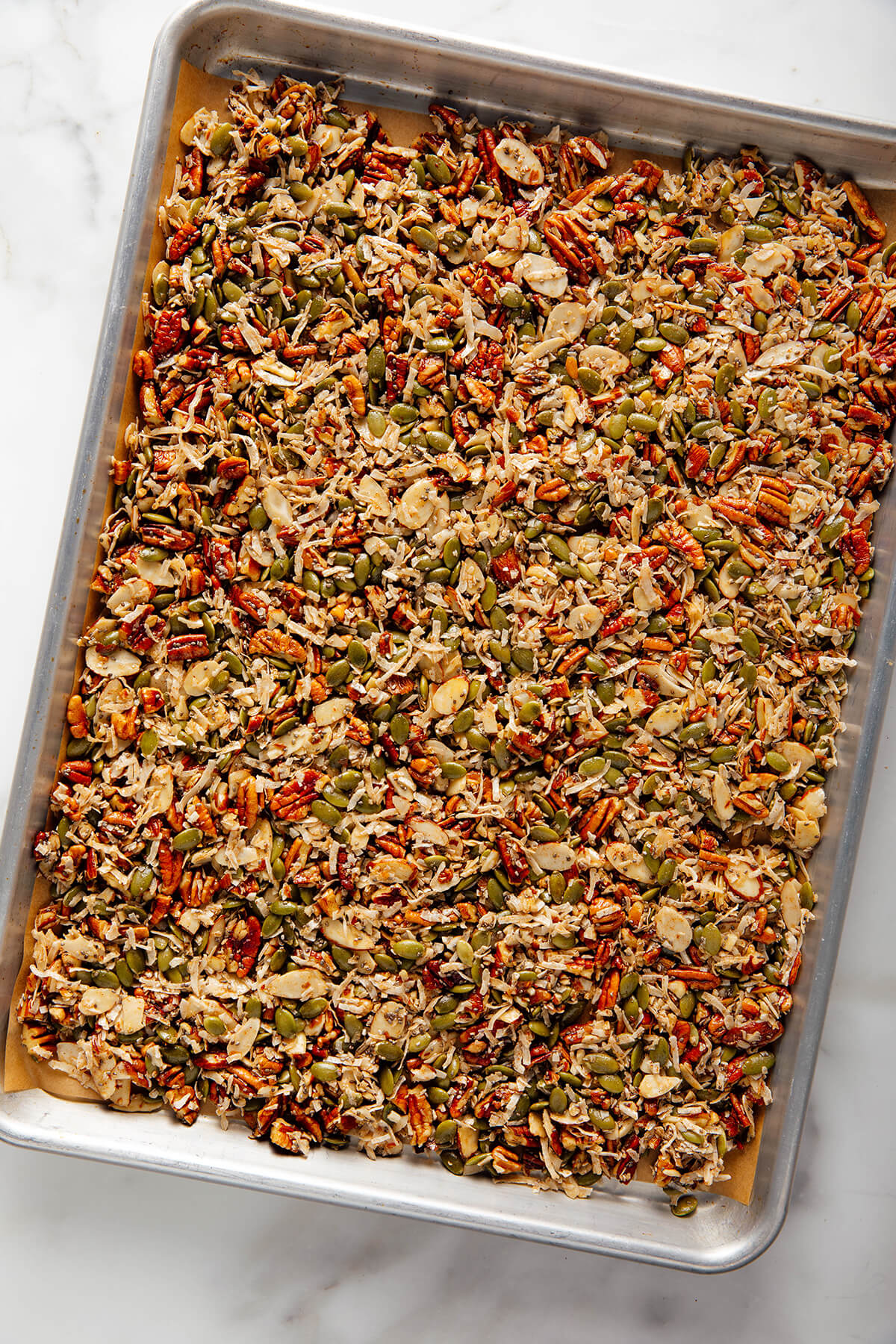
One of the most appealing aspects of grain-free granola, particularly for home cooks, is its inherent flexibility and ease of customization. The recipe provides a foundational framework, allowing for significant adaptation to individual preferences and pantry availability.
- Nut Selection: While a blend of sliced almonds and pecans offers a delightful texture and flavor, the recipe is highly adaptable. Walnuts can be substituted, or a combination of various nuts can be used. For those with nut allergies, the recipe suggests replacing nuts with additional pepitas or unsalted raw shelled sunflower seeds, making it a truly inclusive option. The advice to chop larger nuts ensures a consistent texture throughout the batch.
- Coconut Variations: The type and quantity of coconut can be adjusted. Finely shredded coconut is often preferred for its light, crackly texture, but larger flakes can also be used. For coconut enthusiasts, the amount can be increased significantly, balancing it with a reduction in other nuts or seeds. Conversely, those who dislike coconut can substitute it entirely with other seeds or nuts.
- Seed Enhancements: Chia and flax seeds are optional but highly recommended for their nutritional boost. Chia seeds offer a more noticeable visual and textural presence, contributing to the "clumping" effect, while ground flax seeds blend in more subtly, enriching the granola with omega-3s and fiber without altering the texture significantly.
- Flavor Profiles: The base recipe provides a warm, nutty flavor, which can be enhanced or altered with spices. Cinnamon is a classic addition, complementing the nuts and seeds, but it can be omitted to allow the natural flavors to shine. For seasonal variations, a pumpkin spice blend can transform the granola into an autumnal treat, showcasing its versatility for different times of the year.
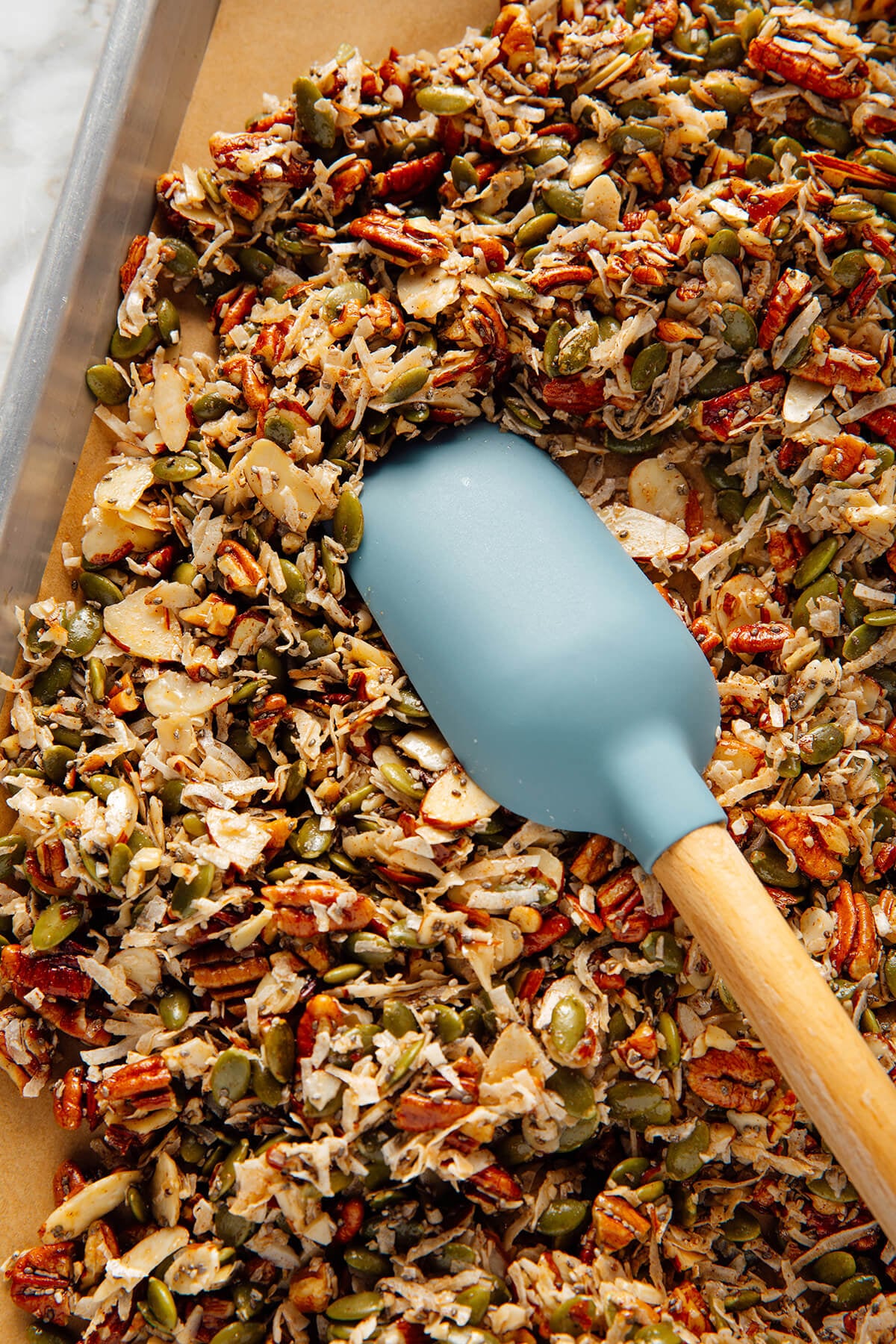
Beyond ingredient selection, successful grain-free granola preparation involves a few key tips. Utilizing pre-chopped nuts can significantly reduce preparation time. It is crucial to ensure that all nuts and seeds are fresh, as rancid ingredients can impart an unpleasant flavor that will ruin the entire batch. Achieving the desired clumpy texture, a hallmark of good granola, is often dependent on allowing the granola to cool completely on the baking sheet without disturbance after baking. This allows the binding agents (like maple syrup or honey) to set properly, creating satisfying clusters. Proper storage in an airtight container at room temperature is also essential to maintain its crispness and extend its shelf life, typically for several weeks.
Broader Implications and Expert Endorsement
The increasing popularity and thoughtful formulation of recipes like grain-free granola signify a maturation in public discourse around diet and health. It moves beyond simplistic dietary fads to embrace nuanced, informed choices. While the article doesn’t contain direct quotes from external experts, the explicit reference to registered dietitian Lily Nichols and her work serves as an inferred endorsement of the principles underpinning this recipe. Her emphasis on "real food" and mindful carbohydrate management for specific health conditions provides a credible foundation.
This approach aligns with broader nutritional guidance that encourages whole, unprocessed foods and customization based on individual needs, rather than a one-size-fits-all diet. Dietitians and health professionals increasingly advocate for personalized nutrition plans, where options like grain-free granola can serve as valuable tools for clients managing diabetes, seeking weight management, or simply aiming for a more nutrient-dense diet. The implication is clear: food can be both delicious and therapeutic, and innovative recipes are at the forefront of this integration.
In conclusion, grain-free granola represents more than a culinary novelty; it is a testament to the dynamic interplay between personal health needs, scientific understanding, and culinary creativity. From its origins as a practical solution for managing conditions like gestational diabetes to its broader appeal as a versatile, nutrient-dense breakfast and snack option, it embodies a progressive approach to eating. By leveraging the inherent goodness of nuts, seeds, and coconut, and offering extensive customization, this granola provides a compelling example of how dietary restrictions can inspire delicious and genuinely beneficial food innovations that resonate with a diverse and health-conscious public.