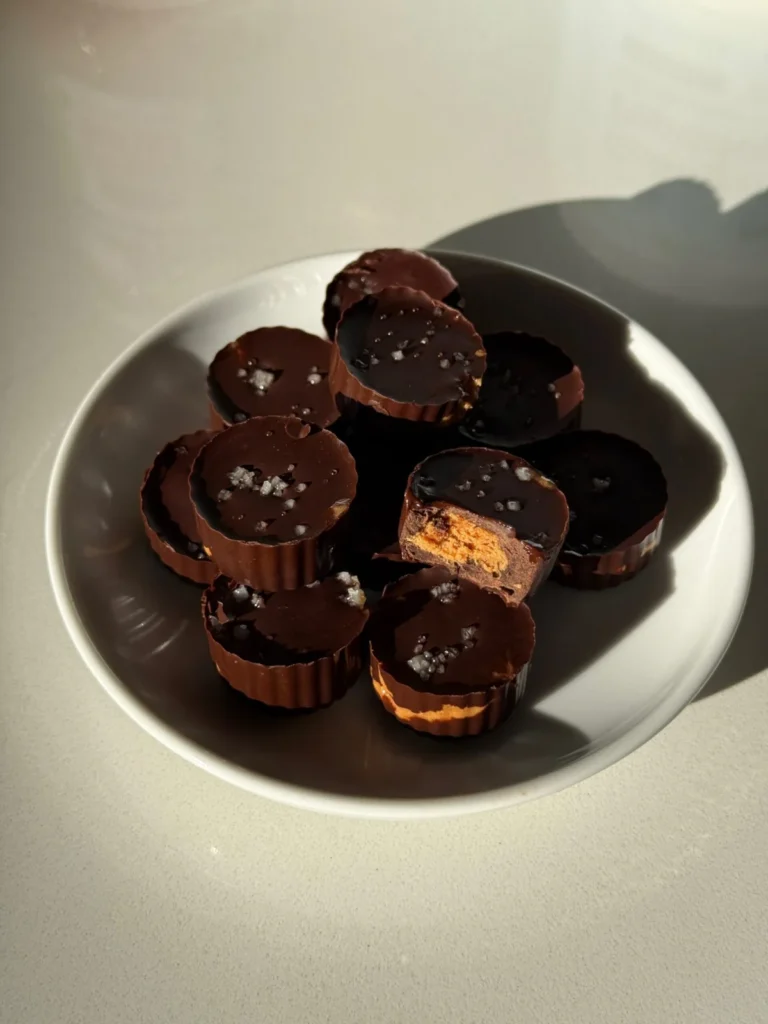
The landscape of dietary habits and consumer preferences is undergoing a significant transformation, with a pronounced shift towards healthier, more mindful eating choices. Amidst this evolution, the simple act of preparing homemade treats has gained considerable traction, driven by a desire for greater control over ingredients and a reduction in processed sugars. A prime example of this trend is the growing popularity of homemade keto peanut butter cups, a confection that skillfully balances indulgent flavors with nutritional benefits, notably through the incorporation of functional ingredients like Perfect Keto Collagen. This particular recipe epitomizes a broader movement where consumers are actively seeking alternatives to conventional store-bought options, which often come laden with excessive sugar and artificial additives.
The Ascendance of Health-Conscious Snacking
The global snack food market, valued at an estimated $450 billion in 2023, is experiencing a fundamental reorientation. While traditional snacks continue to hold a significant share, the healthy snacks segment is projected to grow at a Compound Annual Growth Rate (CAGR) of over 5% from 2024 to 2032, reaching substantial figures. This growth is fueled by an increasing public awareness of the detrimental effects of high sugar intake, coupled with a proactive approach to wellness. Consumers are no longer solely driven by taste; they are actively scrutinizing ingredient labels, seeking products that offer tangible health benefits, and avoiding components perceived as harmful. This paradigm shift has created a fertile ground for homemade alternatives, where individuals can tailor recipes to their specific dietary needs and preferences, effectively bypassing the sugar overload prevalent in many commercial offerings.
The allure of treats like peanut butter cups remains undiminished across demographics, but the conventional versions often contain high-fructose corn syrup, hydrogenated oils, and a myriad of artificial flavors and preservatives. The homemade keto rendition directly addresses these concerns, presenting a product that delivers rich chocolate flavor and creamy peanut butter texture without compromising health goals. The emphasis on "just a few simple ingredients" underscores the appeal of simplicity and naturalness, contrasting sharply with the often-complex and obscure ingredient lists of mass-produced snacks.
The Ketogenic Diet: A Catalyst for Innovation
Central to the rise of these health-optimized treats is the sustained popularity of the ketogenic diet. Originating as a therapeutic diet for epilepsy in the 1920s, the keto diet has re-emerged in recent decades as a prominent weight management and health optimization strategy. Its core principle involves drastically reducing carbohydrate intake, moderating protein, and increasing healthy fats, thereby inducing a metabolic state known as ketosis. In ketosis, the body shifts from burning glucose for energy to burning fat, producing ketones. While proponents cite benefits such as improved energy levels, enhanced cognitive function, and significant weight loss, strict adherence to the diet can limit conventional food choices, especially in the realm of desserts and snacks.
This dietary constraint has, paradoxically, spurred immense innovation within the food industry and among home cooks. The demand for keto-compliant snacks that do not compromise on taste or texture is substantial. Market data indicates that the global ketogenic diet food market was valued at approximately $10 billion in 2022 and is projected to grow to over $15 billion by 2030, reflecting a robust consumer base actively seeking specialized products. Homemade keto peanut butter cups fit perfectly into this niche, offering a familiar, comforting treat that aligns with strict macronutrient ratios, typically achieved by replacing traditional sugar with erythritol, stevia, or monk fruit, and using natural, unsweetened peanut butter.
Functional Ingredients: The Role of Perfect Keto Collagen
A distinguishing feature highlighted in the context of these homemade peanut butter cups is the inclusion of functional ingredients, specifically Perfect Keto Collagen. This addition elevates the treat beyond mere indulgence, integrating supplementary health benefits. Collagen, the most abundant protein in the human body, plays a crucial role in the structure of skin, hair, nails, bones, tendons, and ligaments. As individuals age, natural collagen production declines, leading to visible signs of aging and potential joint discomfort.
The incorporation of grass-fed collagen, often combined with Medium-Chain Triglycerides (MCTs) for an added ketogenic boost, taps into the booming market for dietary supplements. The global collagen market was estimated at over $5 billion in 2022 and is expected to grow significantly, driven by increasing consumer awareness of its anti-aging, beauty, and joint health benefits. In the context of a dessert, collagen serves multiple purposes: it contributes to the overall protein content, aiding satiety and muscle maintenance; it can improve the texture of baked goods, providing a desirable chewiness or smoothness; and it delivers its well-documented physiological benefits without altering the flavor profile. This strategic fortification transforms a simple dessert into a "functional food," a product designed to offer health benefits beyond basic nutrition.
Deconstructing the Treat: A Nutritional Analysis
To fully appreciate the appeal of homemade keto peanut butter cups, a comparative nutritional analysis against their conventional counterparts is instructive. A standard, store-bought peanut butter cup (e.g., Reese’s) typically contains around 10-11 grams of sugar per serving, primarily from sugar, dextrose, and corn syrup. Its ingredient list often includes partially hydrogenated oils, artificial flavors, and preservatives. Calories can range from 80-100 per cup, with a significant portion derived from rapidly digestible carbohydrates.
In contrast, a homemade keto version meticulously crafted with ingredients such as sugar-free chocolate (sweetened with erythritol or stevia), natural unsweetened peanut butter, and Perfect Keto Collagen, drastically alters this profile. Sugar content is virtually eliminated, replaced by non-caloric or low-glycemic sweeteners. The fat content typically remains high, but from healthier sources like natural peanut butter (monounsaturated fats) and potentially MCTs from the collagen blend, which are beneficial for ketosis. Protein content is often boosted by the collagen, and fiber can be enhanced if ingredients like cocoa powder or certain nuts are used. This results in a snack that has a minimal impact on blood glucose levels, making it suitable for individuals managing diabetes, following a ketogenic diet, or simply seeking to reduce their overall sugar intake without sacrificing enjoyment. The glycemic index of such a homemade treat would be significantly lower, mitigating the energy spikes and subsequent crashes associated with high-sugar snacks.
The DIY Movement and Empowerment Through Food
Beyond the specific nutritional advantages, the act of making these peanut butter cups at home aligns with a broader "Do-It-Yourself" (DIY) food movement. This movement is characterized by consumers seeking greater transparency and control over their food supply. Faced with concerns about ingredient sourcing, manufacturing processes, and the environmental impact of industrial food production, many are turning to their kitchens as a locus of empowerment.
Preparing food from scratch offers several advantages:
- Ingredient Control: Consumers can select organic, non-GMO, or allergen-free ingredients as desired, avoiding additives, artificial colors, and preservatives. For instance, those with peanut allergies could adapt the recipe to use almond or sunflower seed butter.
- Cost-Effectiveness: While initial ingredient purchases might seem higher, batch cooking and homemade preparation can often be more economical than consistently buying premium "healthy" processed snacks.
- Customization: Recipes can be easily adapted to individual taste preferences or dietary needs, such as adjusting sweetness levels, adding spices like cinnamon or vanilla, or incorporating different nut butters. The original article’s placeholder for "Recipe Variations" implicitly acknowledges this versatility.
- Freshness and Quality: Homemade items are consumed fresh, without the need for extensive preservation techniques that can compromise nutritional value or flavor.
- Educational Value: The process of cooking and baking at home can be an educational experience, fostering a deeper understanding of food science and nutrition, particularly for families.
This trend is not merely about health; it’s about reclaiming agency in an increasingly complex food system. The simple instruction to "Skip the store-bought treats and make these Easy Peanut Butter Cups instead" serves as an invitation to participate in this empowering culinary movement.
Industry Response and Future Implications
The growing demand for health-conscious and customized snacks has not gone unnoticed by the wider food industry. Major food manufacturers are responding by:
- Reformulating Existing Products: Reducing sugar, salt, and unhealthy fats in their established lines.
- Developing New Product Lines: Introducing "better-for-you" options, including keto-friendly, plant-based, and functional snacks. This includes an increase in sugar-free chocolate options and natural peanut butter brands.
- Acquiring Smaller Health Brands: Integrating successful niche brands into larger portfolios to capture market share in the health segment.
- Investing in Research and Development: Exploring novel sweeteners, healthy fats, and functional ingredients to meet evolving consumer demands.
Food industry analysts predict that the convergence of health trends, technological advancements in food science, and changing consumer lifestyles will continue to drive innovation in the snack sector. The market for personalized nutrition, where food products are tailored to individual genetic, metabolic, and lifestyle profiles, is also on the horizon, further emphasizing the shift away from one-size-fits-all consumption.
However, challenges remain. The term "healthy" can be subjective and sometimes misused in marketing. Consumers must remain vigilant and informed, continuing to scrutinize labels and understand the nutritional implications of their choices. Even with healthier ingredients, moderation remains key, as caloric intake still matters for weight management.
Conclusion: A Microcosm of Dietary Evolution
The unassuming homemade keto peanut butter cup, fortified with Perfect Keto Collagen, stands as a compelling microcosm of broader dietary shifts currently underway. It embodies a consumer-driven revolution demanding transparency, health benefits, and personal control over food choices. This simple recipe highlights the intersection of several powerful trends: the widespread adoption of specific dietary protocols like keto, the increasing awareness of functional ingredients such as collagen, and the resurgence of home cooking as a means of empowerment and wellness.
As society continues to grapple with rising rates of chronic diseases linked to diet, the pursuit of "indulgent" foods that simultaneously contribute to health will only intensify. The market will continue to witness a fascinating interplay between established food giants adapting to new realities and agile startups pioneering innovative, health-centric solutions. Ultimately, recipes like these peanut butter cups are not just about satisfying a craving; they represent a conscious choice for a healthier lifestyle, demonstrating that deliciousness and wellness are not mutually exclusive but can, in fact, be harmoniously integrated into daily life. The call to action, "Tag @perfectketo with #perfectketo if you make them!", reinforces the community aspect and shared journey in this evolving landscape of informed eating.