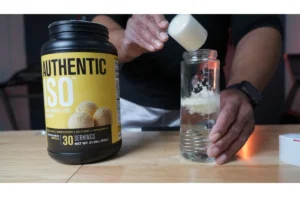



The global dietary supplement market, valued at over $150 billion, has seen a significant surge in the popularity of pre-workout formulations among both elite athletes and recreational gym-goers. These products, designed to enhance multi-ingredient performance, promise to bridge the gap between fatigue and peak physical output. However, the efficacy of these supplements is inextricably linked to the physiological principle of timing. Understanding the duration of these effects is not merely a matter of convenience; it is a critical component of metabolic optimization.
Pre-workout supplements function as ergogenic aids, providing the body with a concentrated blend of stimulants, amino acids, and vasodilators. While the immediate sensation of a "rush" is often attributed to caffeine, the complex chemical interactions within the body dictate a specific window of opportunity for maximum performance. To capitalize on these benefits, users must navigate the pharmacokinetics of various ingredients, balancing peak plasma concentrations against the inevitable half-life of the compounds.

The Science of Supplement Duration: Understanding Half-Life
In pharmacology and sports nutrition, the "half-life" of a substance refers to the time required for its concentration in the bloodstream to be reduced by half. This metric is the primary determinant of how long a pre-workout’s effects will persist. However, the duration of the perceived "boost" is often shorter than the chemical presence of the ingredients in the system.

Most high-quality pre-workout formulas reach peak effectiveness between 30 and 60 minutes after ingestion. During this window, the ingredients move from the digestive tract into the bloodstream, where they begin to influence the central nervous system (CNS) and muscular tissue. As the body metabolizes these compounds, the performance-enhancing benefits gradually taper off. For most users, the primary ergogenic window lasts between two and three hours, though residual effects, particularly from stimulants, can linger for significantly longer.
Analytical Breakdown of Primary Ingredients
To understand the longevity of a pre-workout, one must analyze the individual components that comprise these formulas. Each ingredient follows a distinct metabolic pathway and serves a specific role in the training process.

Caffeine: The Central Nervous System Catalyst
Caffeine is the most widely utilized psychoactive substance in the world and the cornerstone of most stimulant-based pre-workouts. Research indicates that caffeine improves anaerobic power, aerobic endurance, and cognitive focus by blocking adenosine receptors in the brain, thereby delaying the perception of fatigue.
- Peak Concentration: Caffeine typically reaches its highest levels in the blood within 45 to 60 minutes.
- Duration: The half-life of caffeine is approximately three to seven hours. This longevity is a double-edged sword; while it provides a sustained energy boost, late-day consumption can significantly disrupt sleep architecture, hindering the recovery phase essential for muscle hypertrophy.
- Dosage Standards: Effective doses are generally cited at 3 to 6 milligrams per kilogram of body weight.
Beta-Alanine: The Intramuscular Buffer
Beta-alanine is a non-essential amino acid that aids in the production of carnosine, a molecule that helps buffer acid in muscles during high-intensity exercise. This process is vital for maintaining performance during the "burn" associated with lactic acid buildup.
- Duration of Effect: Beta-alanine has a relatively short half-life of about one hour.
- The Paresthesia Effect: A common side effect is paresthesia—a tingling sensation on the skin. While harmless, this sensation usually peaks 30 minutes after ingestion and subsides as the body processes the amino acid.
- Long-term Strategy: Unlike caffeine, the benefits of beta-alanine are cumulative. Consistent daily use over several weeks is required to fully saturate muscle carnosine levels.
Creatine Monohydrate: The Cellular Energy Reserve
Creatine is perhaps the most researched supplement in the fitness industry, known for its ability to increase the production of adenosine triphosphate (ATP), the primary energy currency of cells.

- Timing Nuance: Unlike other ingredients, the timing of a single dose of creatine in a pre-workout is largely irrelevant for immediate performance.
- Mechanism: Creatine works through systemic saturation. Users must maintain consistent levels in their system through daily supplementation (typically 3 to 5 grams) to experience increased strength and power output. Its presence in a pre-workout formula is more about convenience and long-term maintenance than a temporary "boost."
Vasodilators: Arginine and Citrulline
Nitric oxide (NO) boosters like L-arginine and L-citrulline are included to promote vasodilation—the widening of blood vessels. This increases blood flow to working muscles, often referred to as "the pump."
- L-Citrulline vs. Arginine: Recent studies suggest L-citrulline is more effective at raising blood arginine levels than taking arginine itself.
- Duration: These ingredients typically peak within 60 minutes. L-citrulline has a half-life of about one hour, but its effects on nitric oxide production can assist in recovery for several hours post-exercise by facilitating nutrient delivery and waste removal.
Chronology of Ingestion: A Strategic Timeline
For optimal results, sports nutritionists suggest a structured timeline for supplement consumption. This chronology ensures that the peak plasma levels of stimulants and vasodilators coincide with the most demanding segments of the training session.
- T-Minus 60 Minutes: Ingestion of the supplement. This allows the digestive system to break down the formula and begin the absorption process.
- T-Minus 30 Minutes: The onset of increased heart rate and mental alertness. If the formula contains beta-alanine, paresthesia may begin to manifest.
- T-Minus 15 Minutes: Initiation of the warm-up. At this stage, the increased blood flow from nitric oxide boosters begins to facilitate oxygen transport.
- The Training Window (0 to 90 Minutes): This is the "Golden Hour" where caffeine, citrulline, and beta-alanine are at their peak. Mental focus is heightened, and the threshold for physical exhaustion is at its maximum.
- Post-Workout (2 to 4 Hours): The acute performance effects begin to wane. However, the caffeine may remain at 50% concentration, necessitating caution for those training in the evening.
Industry Oversight and Consumer Safety
The dietary supplement industry in the United States is regulated by the Food and Drug Administration (FDA) under the Dietary Supplement Health and Education Act of 1994 (DSHEA). Unlike pharmaceutical drugs, supplements do not require pre-market approval for safety or efficacy. This regulatory environment has led to concerns regarding "proprietary blends," where manufacturers list ingredients without disclosing specific dosages.

Health professionals and athletic organizations frequently recommend that consumers look for third-party certifications, such as NSF Certified for Sport or Informed Choice. These certifications verify that the product contains the ingredients listed on the label and is free from banned substances or contaminants.
Potential Adverse Reactions
While generally considered safe for healthy individuals, pre-workouts can cause side effects, including:
- Gastrointestinal Distress: Often caused by high concentrations of caffeine or certain sweeteners.
- Hypertension and Tachycardia: Excessive stimulant intake can lead to elevated blood pressure and heart rate.
- Adrenal Fatigue: Chronic over-reliance on stimulants may lead to diminished sensitivity, requiring "cycling" (periods of abstinence) to reset the body’s receptors.
Broader Impact and Market Implications
The evolution of pre-workout supplements reflects a broader societal trend toward "biohacking" and the pursuit of optimized human performance. What was once the domain of professional bodybuilders has permeated the mainstream fitness culture. This shift has significant economic and public health implications.

Economically, the demand for transparent, science-backed formulas is driving innovation. We are seeing a move away from high-stimulant "crash" formulas toward "nootropic" pre-workouts that emphasize cognitive clarity and sustained endurance.
From a health perspective, the professionalization of amateur fitness requires a higher degree of education. The "more is better" mentality is being replaced by a more nuanced understanding of metabolic timing. As the medical community continues to study the long-term effects of these concentrated ingredients, the focus is shifting toward how these supplements can support longevity and functional health, rather than just temporary gym performance.
In conclusion, a pre-workout supplement is a sophisticated tool that, when timed correctly, can significantly enhance training intensity and recovery. By aligning the ingestion of these compounds with their physiological peak, athletes can ensure that their "power-up" lasts through their final set, transforming a temporary boost into long-term physical progress.