


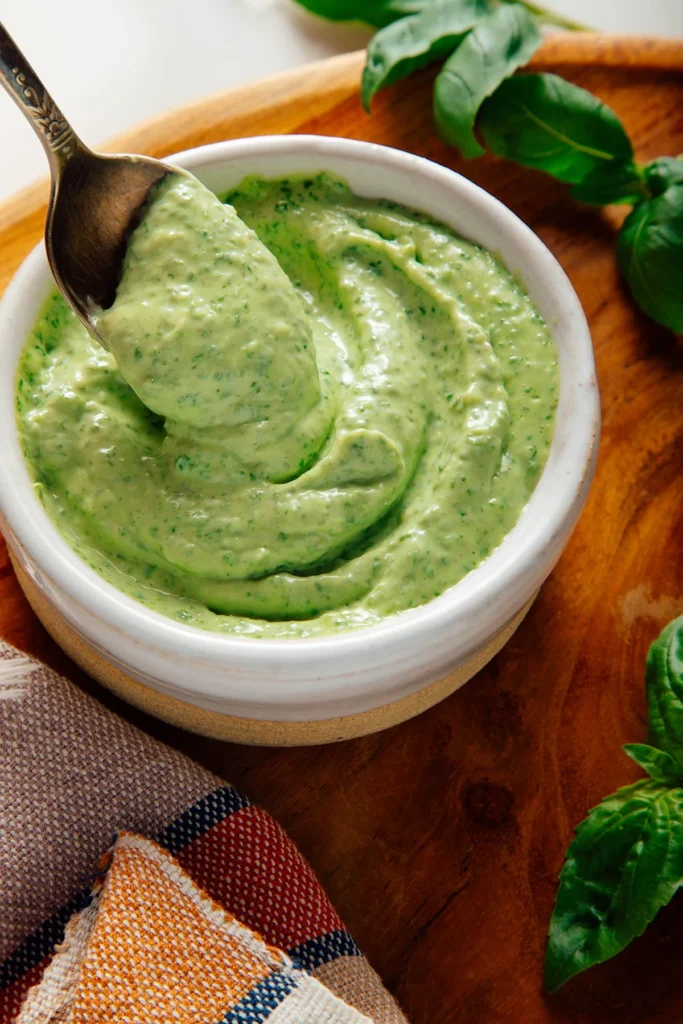
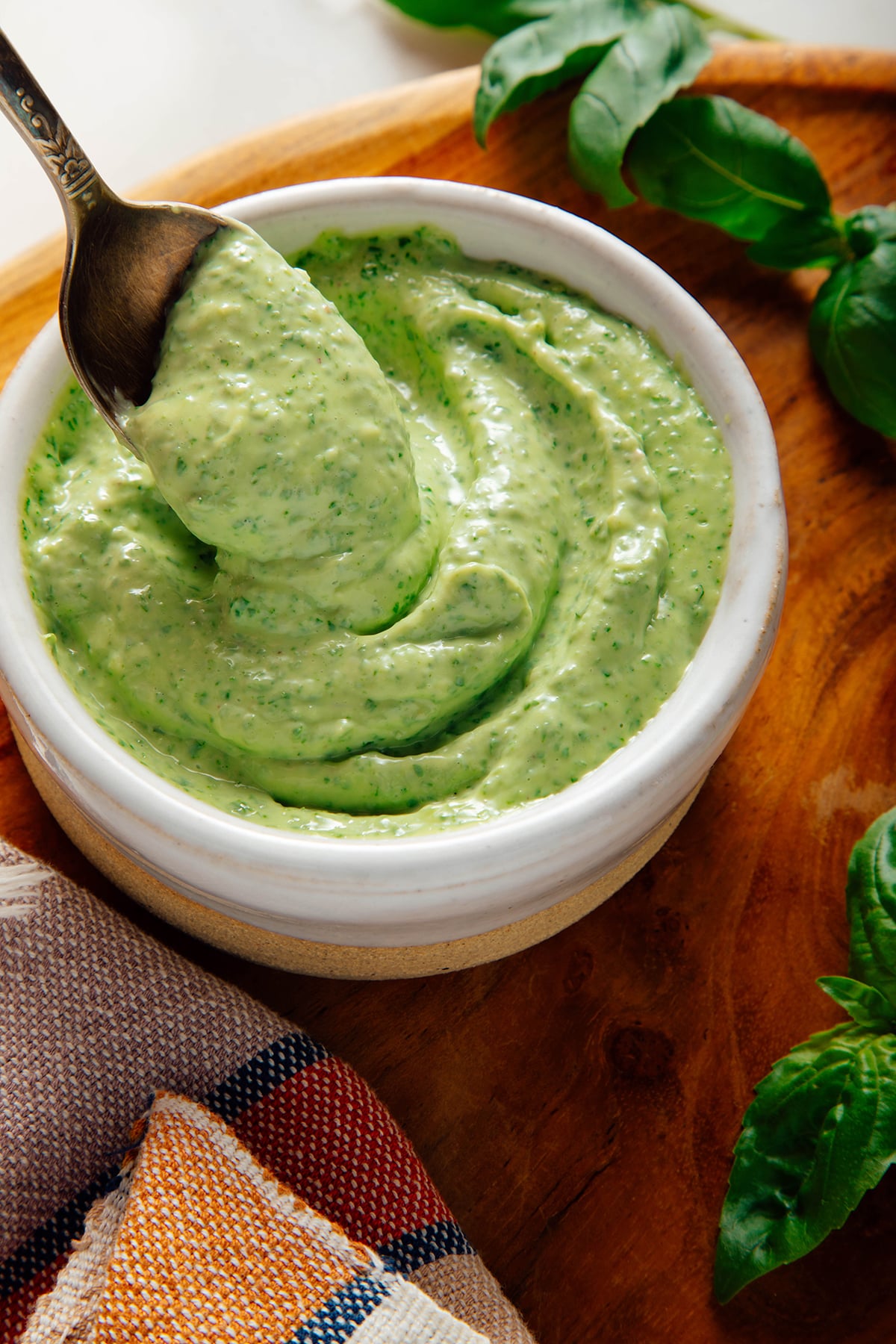
A distinctive creamy basil sauce has emerged as a compelling culinary addition, offering a vibrant, fresh profile reminiscent of a sophisticated summertime aioli. This condiment, lauded for its ease of preparation and remarkable versatility, is rapidly gaining traction among home cooks and culinary enthusiasts seeking to elevate everyday meals and snacks. Its appeal lies in its ability to transform simple dishes into flavourful experiences, requiring only a few readily available ingredients and minimal preparation time. The increasing popularity of this sauce underscores a broader trend towards fresh, homemade condiments that capitalize on seasonal produce, particularly during the peak growing months for herbs like basil.
The impetus behind such a simple yet impactful creation often stems from a desire to utilize abundant seasonal ingredients effectively. With summer gardens frequently overflowing with fragrant basil, culinary experts note a perennial search for alternatives to traditional pesto, which, while beloved, can sometimes lead to an excess of a single flavour profile. This creamy basil sauce presents itself as an innovative solution, offering a distinct texture and taste that broadens the application possibilities for fresh basil. Its quick assembly means that even those with limited time can produce a high-quality, flavour-enhancing condiment, contributing to a more dynamic and enjoyable home cooking experience.
The Genesis of a Summer Staple: Context and Inspiration
The concept of a creamy basil sauce, while seemingly straightforward, draws inspiration from a rich tapestry of culinary traditions. The article highlights its resemblance to aioli, a Mediterranean emulsion of garlic, olive oil, and egg yolk, underscoring its heritage in rich, flavourful sauces designed to complement a wide array of dishes. This particular rendition, noted to be inspired by a basil dip served at French Market in Kansas City, illustrates how local culinary innovations can inspire broader trends. Such creations often begin as specialized offerings in restaurants, then filter down to home kitchens as recipes are shared and adapted, becoming accessible to a wider audience. This chronological evolution from restaurant specialty to household staple is a common trajectory for popular food items, demonstrating a continuous dialogue between professional chefs and amateur cooks.
The emphasis on "summertime" basil is critical to understanding the sauce’s appeal. Basil (Ocimum basilicum), a member of the mint family, thrives in warm climates and is at its peak freshness and aromatic potency during the summer months. Its delicate leaves and intense, slightly peppery, sweet aroma are quintessential to warm-weather cuisine. This seasonality not only dictates availability but also influences the desire for recipes that harness its fleeting freshness. The sauce’s emergence aligns perfectly with consumer preferences for light, refreshing flavours during hotter periods, contrasting with heavier, richer sauces more suited to colder seasons.
Deconstructing the Flavours: A Deep Dive into Key Ingredients
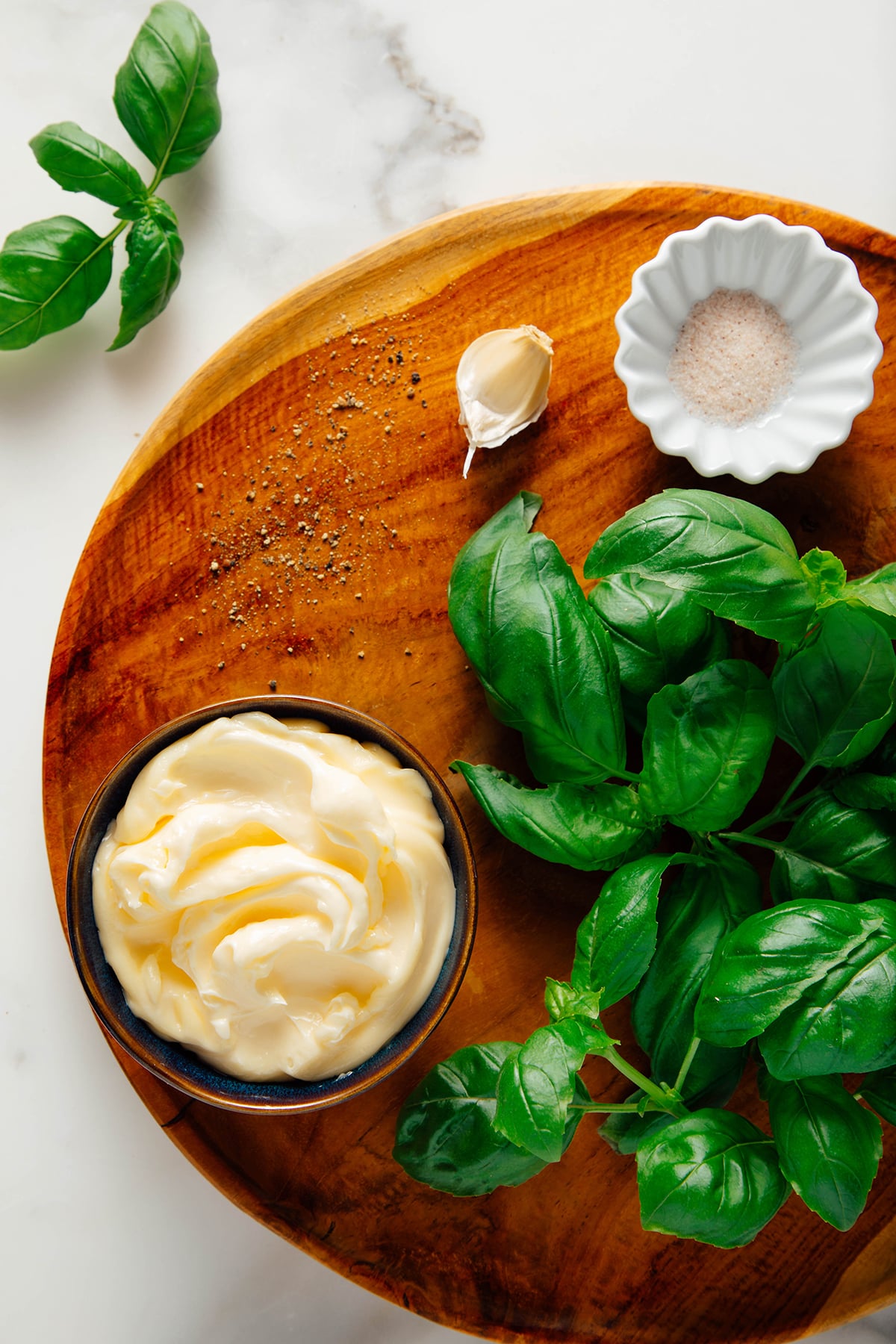
The magic of this creamy basil sauce, as with many highly regarded culinary preparations, lies in the synergistic interaction of its deceptively simple components. Each ingredient plays a crucial role, contributing distinct characteristics that culminate in a harmonious and memorable flavour profile.
Garlic: The Pungent Foundation
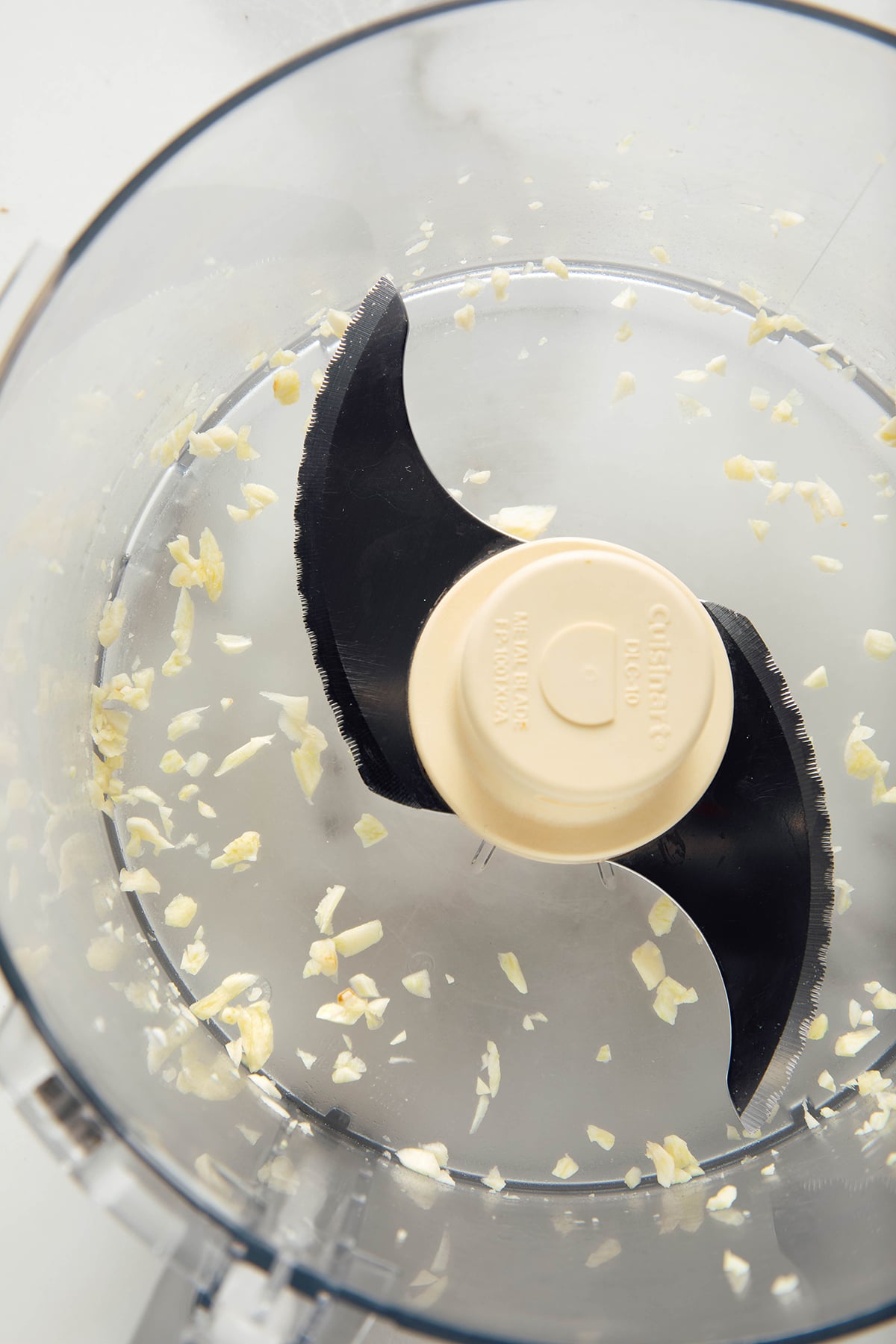
Garlic (Allium sativum), a foundational aromatic in countless global cuisines, serves as the initial flavour anchor. The recommendation to "blitz" a single clove in a food processor before adding other ingredients is not merely a convenience but a strategic culinary choice. This method ensures a fine, even distribution of garlic’s pungent compounds, allicin being the most prominent, throughout the sauce. Unlike finely chopped or minced garlic, which might offer bursts of intense flavour, a thoroughly processed garlic provides a subtle yet pervasive warmth and sharpness. Historically, garlic has been valued not only for its flavour-enhancing properties but also for its purported medicinal benefits, including its antimicrobial and anti-inflammatory qualities, making it a healthful addition to any diet. Its inclusion here grounds the sauce with a familiar, comforting depth that prevents the basil from becoming overwhelmingly singular.
Fresh Basil: The Aromatic Heart
At the core of this sauce’s identity is fresh basil. The instructions specifically call for using the leaves and tiny stems while discarding thicker stems, a detail that speaks to both texture and flavour. Basil leaves contain volatile oils, primarily eugenol, linalool, and methyl chavicol, which are responsible for its characteristic sweet and slightly peppery aroma. Thicker stems, by contrast, can introduce fibrousness and a slightly bitter taste, detracting from the sauce’s smoothness and bright flavour. The freshness of the basil is paramount; as culinary experts frequently note, the flavour compounds in basil are delicate and degrade quickly after harvesting. Optimal freshness is reflected in vibrant green, unblemished leaves, which translate directly into a more intensely aromatic and visually appealing sauce. The suggestion to ensure basil is thoroughly dry before blending is a critical technical point, preventing dilution and aiding in the emulsification process, ensuring a bright green colour and desirable consistency.
Mayonnaise: The Creamy Emulsifier
Mayonnaise, an emulsion of oil, egg yolk, and vinegar or lemon juice, provides the "creamy" aspect that defines this sauce. Its luxurious texture and inherent tanginess are indispensable, acting as both a flavour carrier and a structural base. The preference for specific brands, such as Duke’s mayonnaise, highlights the nuanced differences in commercial mayonnaise products, which can vary in fat content, acidity, and overall flavour profile. Duke’s, for instance, is known for its distinct tangy, rich flavour without added sugar, contributing a specific character to the sauce. From a nutritional perspective, mayonnaise is calorie-dense due, primarily, to its oil content. However, the article acknowledges the growing market for "health-conscious options made with avocado oil," reflecting consumer demand for products with perceived healthier fat sources. This adaptability allows individuals to tailor the sauce to their dietary preferences without compromising its fundamental creamy texture.
Salt and Pepper: The Essential Seasonings
The roles of salt and black pepper, though seemingly minor, are crucial. Salt acts as a flavour enhancer, bringing out the inherent sweetness of the basil and balancing the tang of the mayonnaise and the pungency of the garlic. It modulates perception, making other flavours more pronounced and cohesive. Black pepper, with its characteristic heat and earthy aroma, provides a crucial "kick," adding a layer of complexity and preventing the sauce from tasting flat. The instruction to "season generously" with black pepper indicates a desire for a noticeable warmth, contributing to the overall dynamic profile of the sauce.
Cultivation and Preservation: Ensuring Peak Freshness
For those with a surplus of basil, understanding proper care and handling is essential to maximize the herb’s potential in recipes like this sauce. Basil’s delicate nature means it requires specific conditions to maintain its freshness and vibrant colour.
- Room Temperature Storage: Contrary to many leafy greens, basil typically fares better at room temperature than in the refrigerator. Cold temperatures can cause basil leaves to blacken and wilt rapidly, diminishing both their appearance and flavour. A common method for home storage involves treating basil like a cut flower: trim the stems, place them in a jar of water, and cover loosely with a plastic bag before leaving it on the counter away from direct sunlight. This can extend its freshness for several days.
- Drying for Blending: The instruction to ensure basil is "dry before blending" is critical. Excess moisture on the leaves can dilute the sauce, affecting its consistency and potentially compromising the emulsification of the mayonnaise. Water can also oxidize the basil more quickly during blending, leading to a duller green colour. Gently washing basil under cool water to remove dirt or debris, patting it dry with a clean towel, and then allowing it to air dry for a short period are recommended steps to ensure optimal results. This meticulous preparation ensures the sauce achieves its intended bright green hue and rich flavour.
- Seasonal Abundance: The mention of planting basil during summer highlights the seasonal nature of fresh produce. Growing basil at home not only ensures a steady supply of fresh leaves but also allows for immediate use, capturing the herb at its aromatic peak. For those with significant yields, recipes like this creamy basil sauce become invaluable for utilizing the bounty before it spoils, minimizing food waste and maximizing garden output.
The Craft of Preparation: A Seamless Process
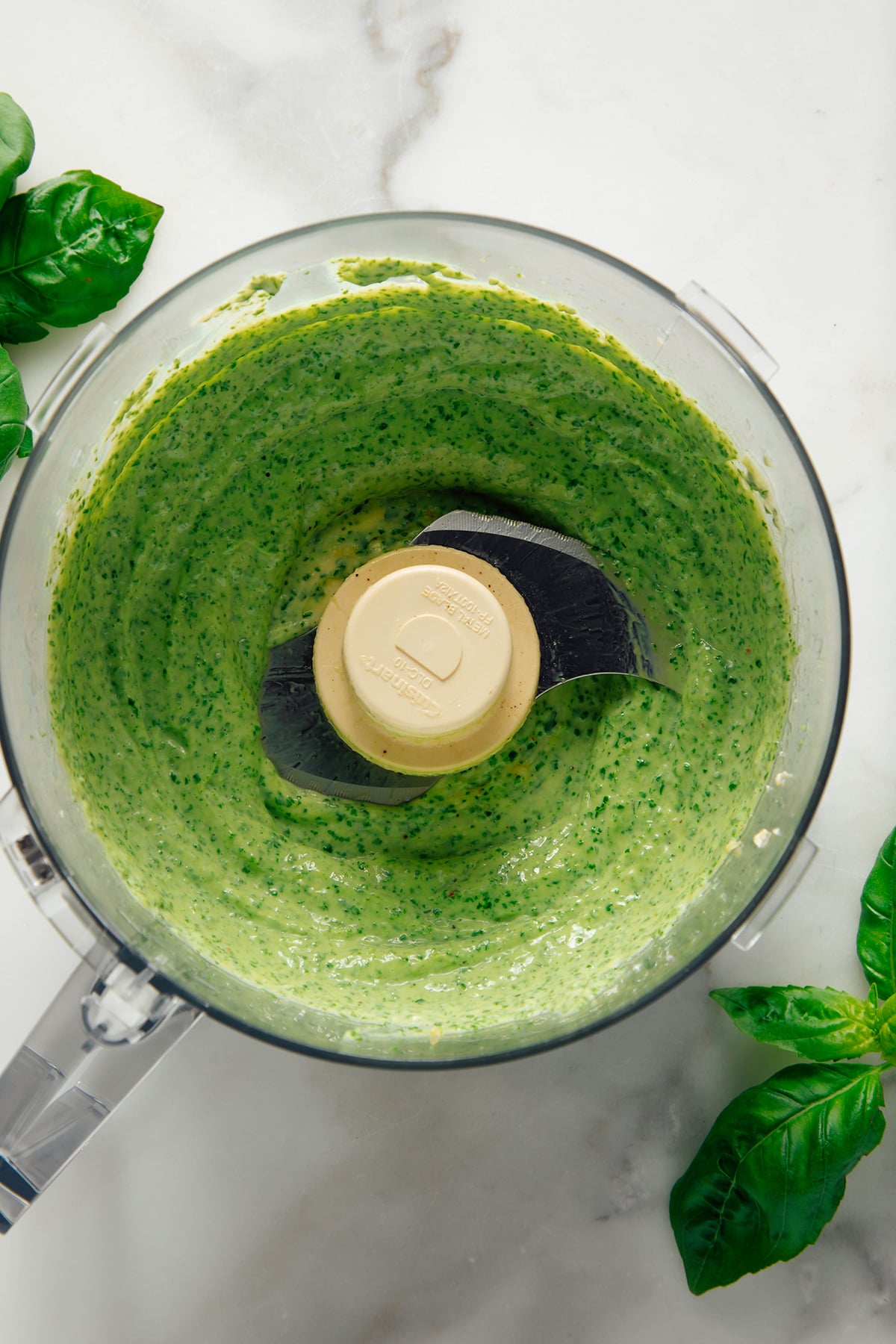
The preparation of this creamy basil sauce is remarkably straightforward, emphasizing efficiency without sacrificing flavour. The use of a food processor streamlines the process, transforming raw ingredients into a smooth, cohesive condiment in minutes.
- Garlic Preparation: The process begins with the garlic. Placing a single clove directly into the food processor and pulsing it until finely minced ensures an even distribution of its potent flavour. This technique avoids the need for a separate chopping board or garlic press, adhering to a philosophy of minimal cleanup and maximum efficiency.
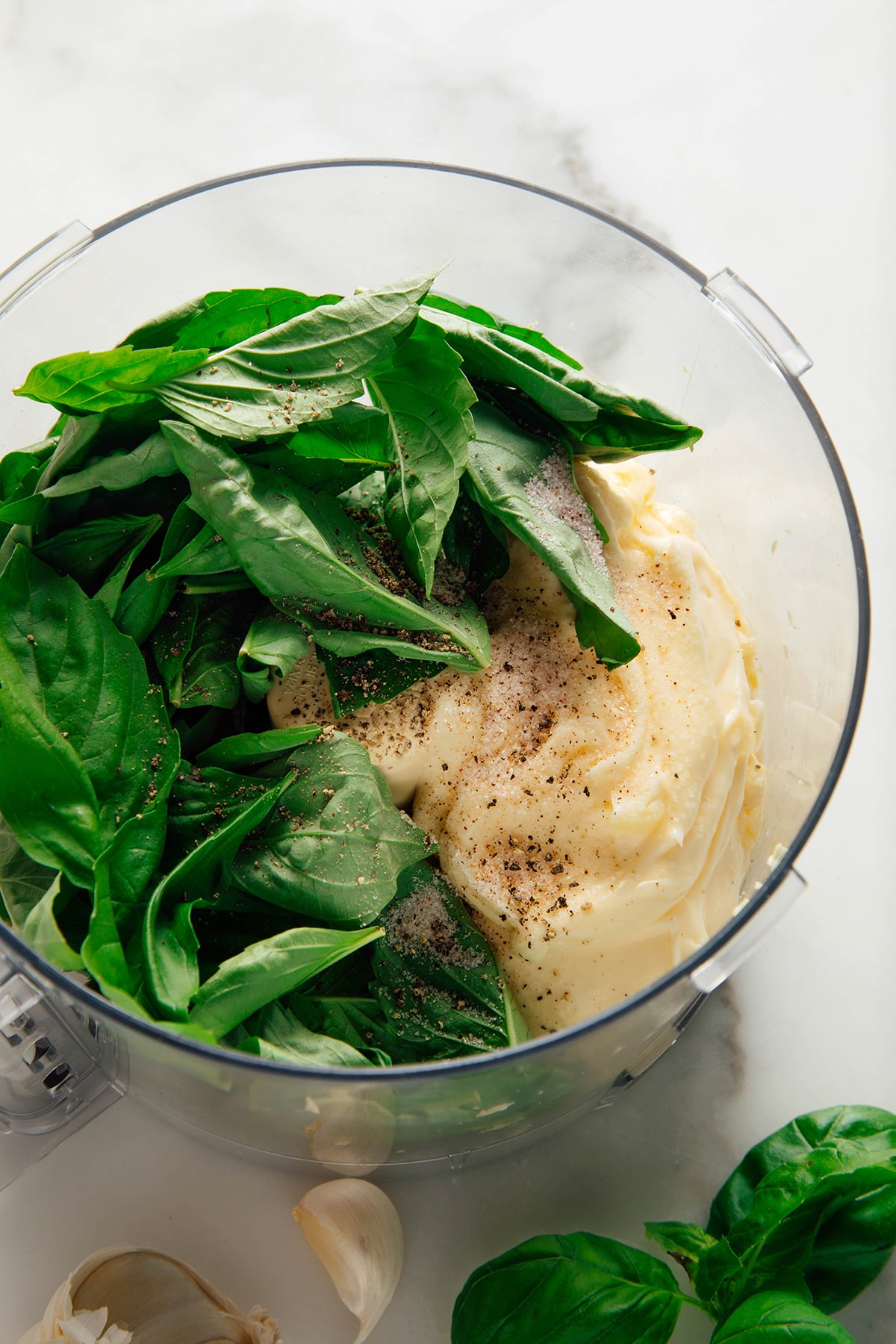
- Incorporating Basil: Once the garlic is prepared, the fresh basil leaves (and small stems, if any) are added to the food processor. Blending the basil with the pre-minced garlic allows the volatile oils of the basil to be released and integrated thoroughly. The goal is a finely chopped mixture where the basil’s vibrant green hue starts to dominate.
- Achieving Creaminess: The mayonnaise is then introduced, providing the luxurious base. As the mixture is processed, the mayonnaise coats the basil and garlic particles, creating a smooth, emulsified sauce. The fat in the mayonnaise helps to extract and carry the fat-soluble flavour compounds from the basil, intensifying its taste.
- Seasoning to Perfection: Finally, salt and black pepper are added and blended in. This final seasoning step is crucial for balancing the flavours, enhancing the basil’s freshness, and providing a subtle warmth from the pepper. The sauce should be tasted and adjusted as necessary to achieve the desired balance of saltiness and spice.
The rapid preparation time, typically "just a few minutes," positions this sauce as an ideal solution for busy individuals or impromptu culinary needs, further enhancing its appeal as a convenient and flavourful option.
Diverse Culinary Applications: Beyond the Sandwich
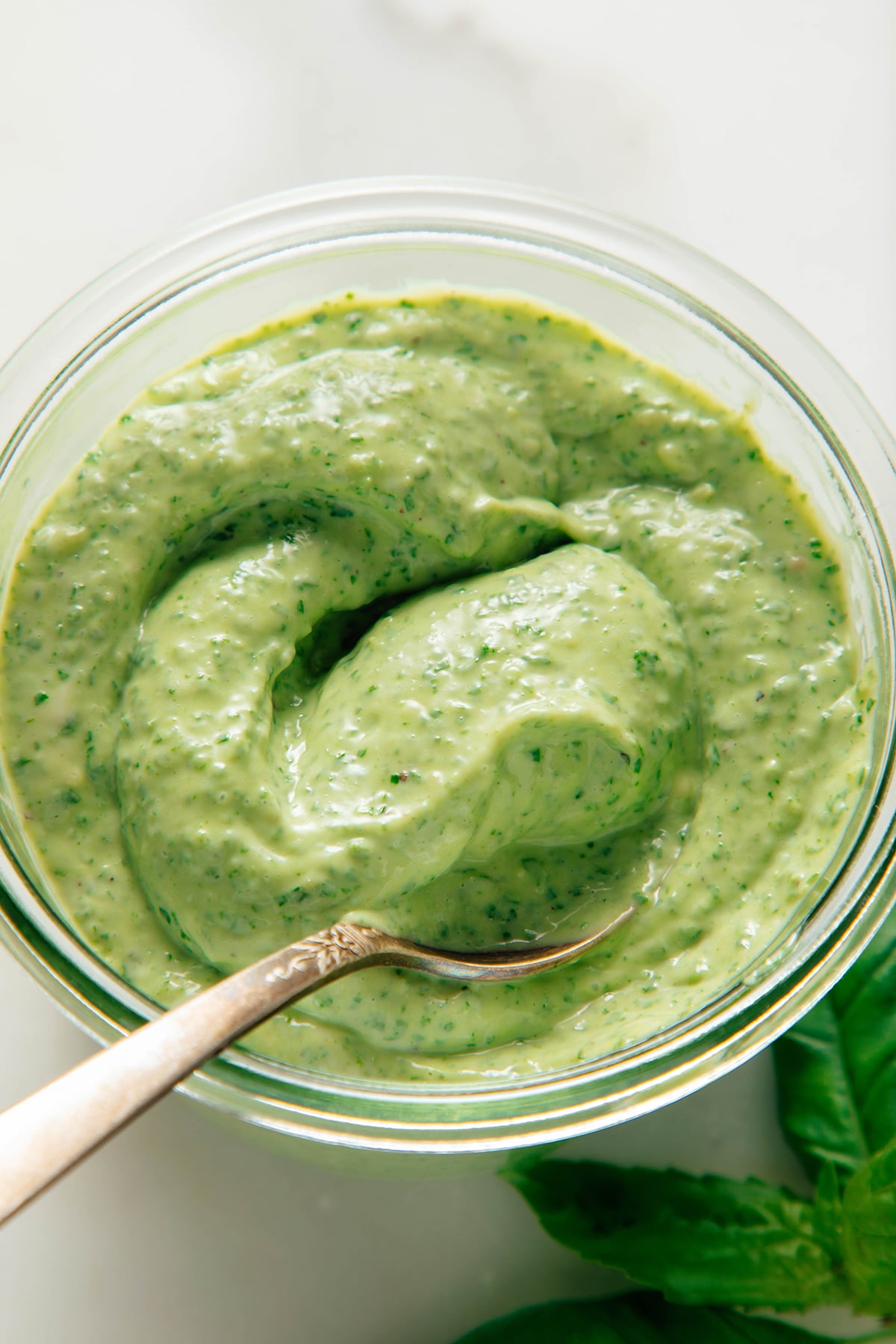
The true measure of a versatile condiment lies in its ability to enhance a wide array of dishes, and this creamy basil sauce excels in this regard. While its immediate application might be on sandwiches, its flavour profile, characterized by fresh basil, tangy mayonnaise, and pungent garlic, makes it suitable for numerous culinary contexts.
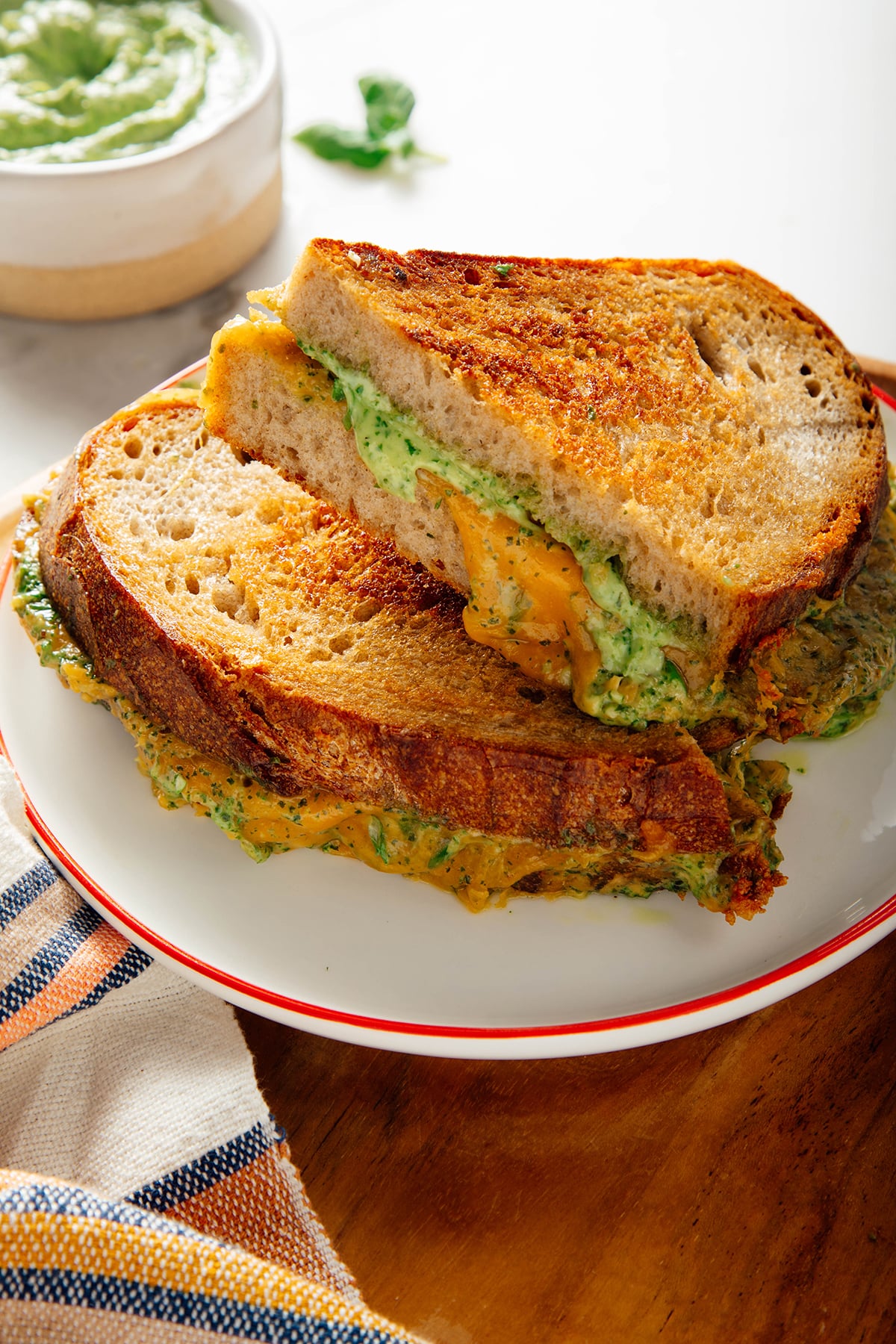
- Sandwiches and Wraps: As noted, it functions as an exceptional alternative to traditional ranch dressing, imparting a brighter, more herbaceous flavour to deli sandwiches, grilled chicken wraps, or vegetarian pitas. Its creamy texture helps bind ingredients together and adds moisture.
- Dipping Sauce: It serves as an excellent dip for raw vegetables (crudités), adding a gourmet touch to snack platters. Its vibrant colour and fresh taste make it particularly appealing for entertaining. It can also elevate simple fried foods, offering a fresh counterpoint to rich flavours.
- Grilled Dishes: The sauce pairs exquisitely with grilled meats, poultry, and fish. The smoky char from grilling complements the fresh basil, while the creaminess of the sauce provides a luxurious mouthfeel. It can be drizzled over grilled chicken breasts, salmon fillets, or even grilled halloumi cheese.
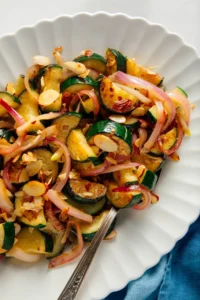
- Vegetable Enhancer: Its affinity for "summertime produce like zucchini" extends to other vegetables such as roasted asparagus, steamed green beans, or baked sweet potatoes. A dollop of basil sauce can transform simple steamed vegetables into a vibrant side dish.
- Salad Dressing: Thinned slightly with a touch of lemon juice or water, it can be used as a creamy, herbaceous salad dressing, particularly on salads featuring tomatoes, mozzarella, or grilled vegetables.
- Pasta Sauce Alternative: While not a traditional pasta sauce, a spoonful stirred into hot pasta with cherry tomatoes and perhaps some fresh mozzarella offers a light, no-cook alternative to heavier cream or tomato-based sauces.
- Garnish and Finishing Touch: A drizzle over scrambled eggs, omelets, or even a simple bruschetta can add a sophisticated layer of flavour and visual appeal.
The suggestion to add a "drizzle of thick balsamic vinegar or balsamic glaze" offers another dimension, introducing a sweet-tart counterpoint that complements basil and further enhances its versatility, particularly in dishes featuring tomatoes or cheese. This adaptability makes the sauce a valuable asset in any kitchen, encouraging creativity and culinary exploration.
Nutritional Considerations and Customization
While the article focuses on the flavour and utility of the creamy basil sauce, a journalistic perspective also requires consideration of its nutritional aspects and potential for customization.
- Caloric Content: Mayonnaise, as the primary base, contributes significantly to the caloric and fat content of the sauce. For those monitoring caloric intake, using a lighter mayonnaise or one made with healthier oils (like avocado oil, as mentioned) can be a viable modification.
- Sodium Content: Both commercial mayonnaise and added salt contribute to the sodium content. Individuals on low-sodium diets should be mindful of the quantity of added salt and consider reduced-sodium mayonnaise options.
- Fresh Ingredients Benefits: The fresh basil and garlic, however, offer significant nutritional benefits. Basil is rich in antioxidants, vitamins K and A, and various minerals. Garlic is known for its immune-boosting properties and beneficial sulfur compounds. Using fresh ingredients generally means avoiding the artificial colours, flavours, and preservatives often found in store-bought condiments.
- Dietary Adaptations: The sauce is inherently vegetarian. For vegan diets, a plant-based mayonnaise (often made with aquafaba or plant milk) can be substituted seamlessly, maintaining the creamy texture and flavour profile. This adaptability makes the recipe inclusive of various dietary preferences.
- Portion Control: Given its richness, portion control is key. Using the sauce as a flavour accent rather than a heavy dressing allows for enjoyment without excessive caloric intake.
The ability to customize ingredients based on dietary needs and preferences highlights the broader trend in home cooking: empowering individuals to take control of what goes into their food, moving away from a one-size-fits-all approach.
Broader Impact: Culinary Innovation and Home Cooking Trends

The enthusiastic reception of simple yet impactful recipes like this creamy basil sauce speaks to several significant trends in contemporary culinary culture.
- Revival of Home Cooking: In an era of increasing reliance on convenience foods, there’s a growing movement towards rediscovering the joys and benefits of home cooking. Recipes that are quick, easy, and yield impressive results, like this sauce, are instrumental in encouraging this trend. They demonstrate that delicious, fresh food doesn’t necessarily require extensive time or specialized skills.
- Emphasis on Fresh, Seasonal Ingredients: Consumers are increasingly prioritizing fresh, locally sourced, and seasonal ingredients. This sauce directly taps into this preference by showcasing the vibrant flavour of fresh basil, especially abundant in summer. It aligns with a broader push towards sustainable eating and connecting with the origins of food.
- Culinary Creativity and Customization: The versatility of the sauce encourages home cooks to experiment and personalize their meals. Instead of relying on pre-made, often generic condiments, individuals can create unique flavour combinations that suit their palate. This fosters culinary confidence and a sense of accomplishment.
- Minimizing Food Waste: For those who grow their own herbs or purchase large quantities, recipes that effectively utilize surplus produce are invaluable. This sauce provides an excellent way to use up an abundance of basil before it spoils, contributing to efforts to reduce food waste in the home.
- Health and Wellness Focus: While not explicitly a "health food," the ability to control ingredients, choose healthier mayonnaise options, and incorporate fresh herbs aligns with a general societal shift towards more mindful eating and prioritizing ingredients with known health benefits.
In conclusion, the emergence and widespread appreciation for a simple creamy basil sauce transcend mere recipe sharing; it reflects a confluence of culinary trends, seasonal availability, and the enduring human desire for fresh, flavourful, and easily prepared food. Its ability to elevate everyday dishes with minimal effort positions it as a valuable asset in the modern kitchen, promising to become a go-to flavour booster for countless home cooks throughout the summer and beyond.