







The Biochemical Foundation of Creatine
To understand the utility of creatine, one must first examine its biological role within the human body. Creatine is a nitrogenous organic acid produced naturally in the liver, kidneys, and pancreas from the amino acids glycine, arginine, and methionine. Approximately 95% of the body’s creatine is stored in skeletal muscle in the form of phosphocreatine (PCr), with the remaining 5% found in the brain and testes.
The primary function of these stores is to assist in the production of adenosine triphosphate (ATP), the universal energy currency of the cell. During high-intensity, short-duration activities such as heavy weightlifting or sprinting, the body’s demand for ATP skyrockets. However, intramuscular ATP stores are typically depleted within 2 to 3 seconds of maximal effort. When ATP is used, it loses a phosphate group and becomes adenosine diphosphate (ADP). Creatine "recharges" the system by donating its high-energy phosphate group to ADP, rapidly regenerating ATP through a process known as phosphorylation. This chemical recycling allows athletes to maintain peak power output for longer durations, translating to more repetitions, heavier loads, and improved performance in explosive movements.
A Chronological History of Creatine Research and Usage
The journey of creatine from a laboratory curiosity to a global market leader spans nearly two centuries. It was first identified in 1832 by French chemist Michel Eugène Chevreul, who extracted it from meat. By the early 20th century, researchers had discovered that consuming supplemental creatine could increase the amount of the compound stored within the muscles.

However, the "Creatine Revolution" did not truly begin until the 1990s. Following the 1992 Barcelona Olympics, reports surfaced that gold medalists, including sprinters Linford Christie and Sally Gunnell, had utilized creatine to enhance their training. This sparked a surge in commercial interest and scientific inquiry. In 1993, the first commercially available creatine supplement was launched, and by the late 1990s, it had become a staple in professional sports locker rooms.
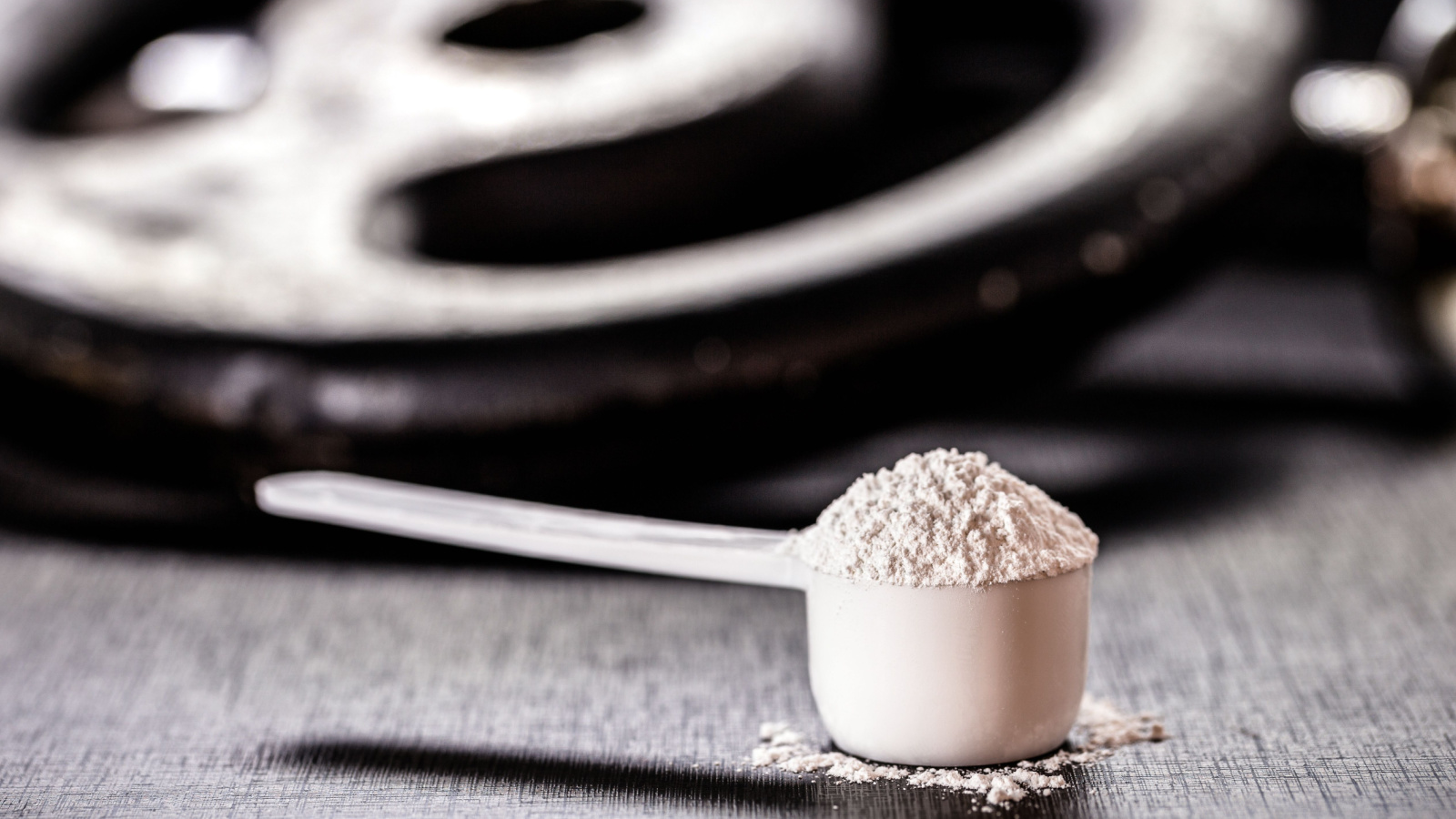
In 2007, the International Society of Sports Nutrition (ISSN) published its first position stand on creatine, concluding that creatine monohydrate is the most effective ergogenic nutritional supplement currently available to athletes in terms of increasing high-intensity exercise capacity and lean body mass. In the decades since, research has expanded beyond the gym, investigating the compound’s impact on aging, traumatic brain injury, and metabolic health.
Optimizing Results: Loading Phases and Maintenance Protocols
The objective of creatine supplementation is to reach "muscle saturation," the point at which the muscle cells can no longer store additional phosphocreatine. There are two primary strategies for achieving this state, each supported by clinical data.
The Rapid Saturation Strategy (Loading Phase)
The most common method used in clinical trials involves a "loading phase." For five to seven days, a user consumes 20 grams of creatine daily, typically divided into four 5-gram doses. Data suggests that this protocol can increase muscle creatine stores by 10% to 40% within a single week. While highly effective, some users report minor gastrointestinal (GI) distress during this period due to the high volume of powder ingested.
The Gradual Saturation Strategy (Maintenance Start)
For those wishing to avoid potential GI issues, research indicates that taking a steady dose of 3 to 5 grams per day will eventually result in full muscle saturation within 21 to 28 days. While the initial performance benefits take longer to manifest compared to the loading phase, the end result—maximum saturation—is identical.
Long-Term Maintenance
Once saturation is achieved, a daily dose of 3 to 5 grams is sufficient to maintain peak levels. Scientists emphasize that "cycling" creatine—taking it for several weeks and then stopping—is unnecessary and counterproductive. Unlike hormonal supplements, creatine does not suppress the body’s natural production, and long-term safety studies spanning up to five years have shown no adverse effects in healthy individuals.

Comparative Analysis of Creatine Variants
As the supplement market has grown, manufacturers have introduced various forms of the compound, such as creatine hydrochloride (HCL), creatine ethyl ester, and buffered creatine. These variants are often marketed as being more "bioavailable" or requiring lower dosages than the traditional monohydrate.
However, objective analysis remains heavily weighted in favor of creatine monohydrate. It is the form used in the vast majority of successful clinical trials and boasts a near-100% absorption rate in humans. Many of the newer, more expensive forms have either failed to outperform monohydrate in head-to-head studies or have been shown to be less stable in the digestive tract. For example, creatine ethyl ester has been found to degrade into creatinine (a waste product) more rapidly than monohydrate, rendering it less effective for muscle saturation.
Beyond the Muscle: Cognitive and Neuroprotective Implications
One of the most significant shifts in the modern understanding of creatine is its role in brain health. The brain is an energetically demanding organ, accounting for roughly 20% of the body’s total energy consumption despite making up only 2% of its mass. Like muscle cells, neurons rely on the ATP-PCr system for rapid energy.
Studies have shown that creatine supplementation can improve short-term memory and reasoning, particularly in individuals who are sleep-deprived or under high levels of stress. Furthermore, there is emerging evidence suggesting that creatine may offer neuroprotective benefits in the context of neurodegenerative diseases. Research published in journals such as Nature and the Journal of Clinical Medicine has explored its potential to slow the progression of Parkinson’s disease and Huntington’s disease by maintaining mitochondrial function.
Additionally, a 2020 study indicated a correlation between low dietary creatine intake and higher rates of depression in the general population. This has led to increased interest in creatine as an adjunctive therapy for mood disorders, particularly in vegetarian and vegan populations who do not obtain creatine through red meat or poultry.

Addressing Safety Concerns and Common Myths
Despite its status as a gold-standard supplement, creatine continues to face scrutiny regarding its safety profile. Objective data, however, consistently debunks the most common fears.
Renal Function and Creatinine
A common concern among medical professionals unfamiliar with sports nutrition is that creatine may damage the kidneys. This myth stems from the fact that creatine supplementation raises blood levels of creatinine, a biomarker used to measure kidney function. However, elevated creatinine from supplementation is a benign byproduct of increased creatine turnover, not an indicator of kidney stress. Multiple long-term studies have confirmed that creatine does not adversely affect renal filtration in healthy individuals.
The Alopecia Controversy
The "hair loss myth" originated from a single 2009 study on rugby players, which found that creatine increased levels of dihydrotestosterone (DHT), an androgen linked to male pattern baldness. However, this study has never been replicated, and it did not actually measure hair loss—only a hormone level that remained within the normal physiological range. Subsequent reviews by the International Society of Sports Nutrition have concluded that there is no direct evidence linking creatine to hair loss.
Water Retention
Creatine does cause water retention, but it is "intracellular" rather than "subcutaneous." The water is drawn into the muscle cells, which is a key component of the supplement’s anabolic (muscle-building) effect. This cellular swelling not only makes muscles look fuller but also serves as a biological signal for protein synthesis.
Market Implications and the Future of Supplementation
The global creatine market has seen unprecedented growth, with recent estimates valuing the industry at over $500 million annually. This surge is driven not only by athletes but by an aging population interested in "sarcopenia" prevention—the loss of muscle mass associated with getting older.

Looking forward, the focus of creatine research is expected to shift toward its metabolic impacts on blood sugar regulation and its potential to mitigate the effects of traumatic brain injury (TBI) in contact sports. For consumers, the message from the scientific community is clear: creatine is a safe, inexpensive, and highly effective tool for improving both physical and mental performance. As long as users prioritize purity—specifically looking for "micronized" monohydrate to ensure solubility—creatine remains the most reliable investment in the modern supplement cabinet.