The Challenge of Cross-Organ Research in Transplantation
For decades, the fields of kidney, liver, heart, and lung transplantation have operated largely in isolation. While medical professionals in each specialty have long recognized that diabetes negatively impacts survival, the specific epidemiological trends and survival outcomes across different organ types remained poorly understood. This lack of "crosstalk" between specialties has often resulted in fragmented care for patients who, despite having different transplanted organs, face similar metabolic threats.
Study lead Mishal Ali, a graduate researcher at the University of Chicago, and her supervisor Alan L. Hutchison, MD, PhD, a transplant hepatologist at UChicago Medicine, sought to bridge this gap. Their comprehensive multi-organ analysis utilized registry data from the federal Organ Procurement and Transplantation Network (OPTN). The OPTN, which is overseen by the United Network for Organ Sharing (UNOS), serves as the central database for all transplant activities in the United States. By tapping into this massive repository, Ali and Hutchison were able to analyze the records of 803,762 transplant recipients, covering a period from 1987 to 2021.
The primary objective was to characterize the prevalence of baseline diabetes and the incidence of New-Onset Diabetes After Transplantation (NODAT), while also assessing how these conditions correlate with mortality across different organ groups. The sheer scale of the cohort provides a high degree of statistical power, allowing the researchers to identify patterns that would be invisible in smaller, single-center studies.

The Medical Catch-22: Immunosuppression and Insulin Resistance
A central focus of the research is the paradoxical nature of post-transplant care. To prevent the recipient’s immune system from attacking and rejecting the new organ, patients must undergo lifelong immunosuppressive therapy. However, the primary drugs used in these regimens—glucocorticoids and calcineurin inhibitors—are notorious for their adverse effects on glucose metabolism.
Dr. Hutchison explains that glucocorticoids, such as prednisone, significantly worsen insulin resistance. When patients are on these medications, their bodies become less adept at processing carbohydrates and sugars, even if their pancreatic function was previously normal. Furthermore, calcineurin inhibitors like tacrolimus and cyclosporine, which are essential for long-term graft survival, interfere with the very mechanisms that allow beta cells in the pancreas to release insulin.
"The same mechanisms that prevent T cells from attacking the transplanted organ underlie how beta cells in the pancreas release insulin," Hutchison noted. "A side effect of these medications is direct damage to the beta cells that produce and release insulin."
In the past, transplant teams attempted to mitigate these risks by reducing the intensity of immunosuppression. However, these efforts often backfired, leading to higher rates of organ rejection and increased mortality. This creates a "catch-22" where clinicians must choose between the immediate survival of the organ and the long-term metabolic health of the patient. The Chicago team’s research suggests that instead of simply adjusting drug dosages, a more nuanced, predictive, and personalized approach to monitoring is required.
Quantifying the Burden: Kidney and Thoracic Disparities
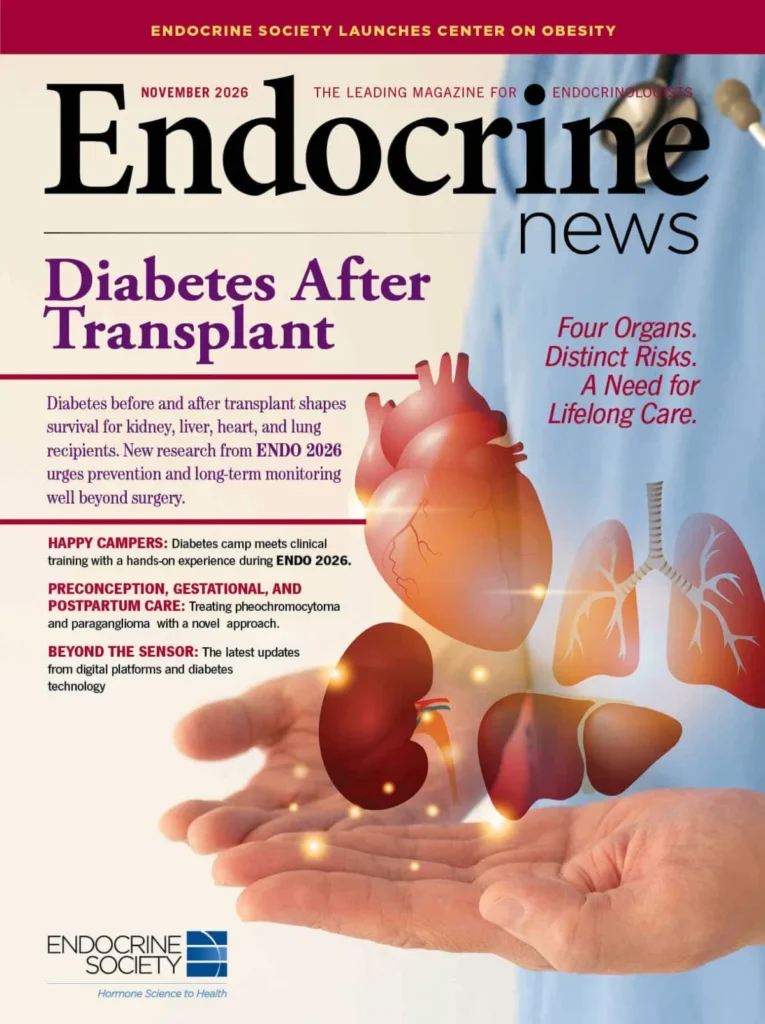
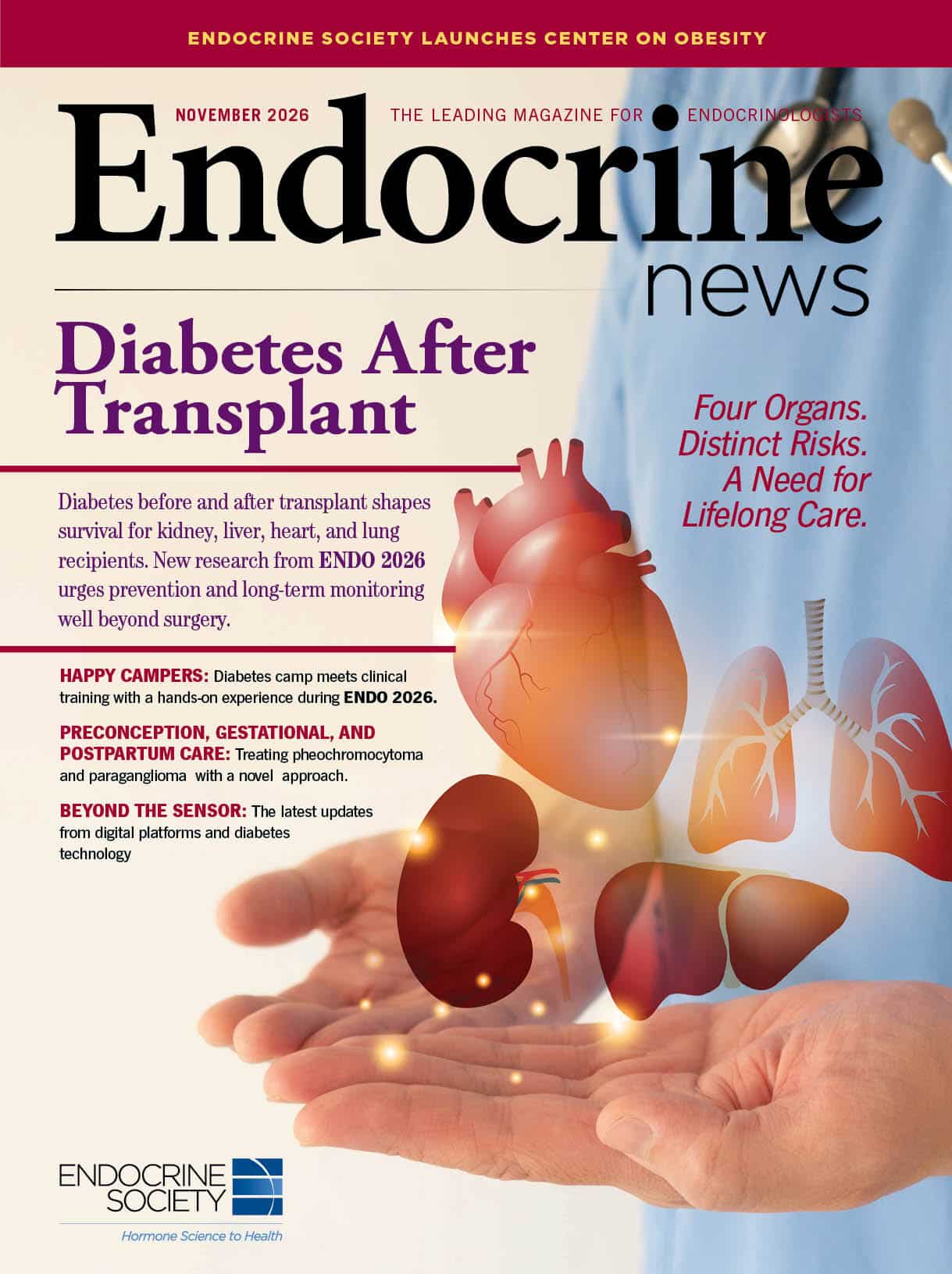
The study’s findings revealed significant differences in how diabetes manifests across different transplant types. In terms of baseline health, kidney transplant recipients faced the heaviest burden. The analysis showed that one in three kidney recipients was already diabetic at the time of their procedure. This high prevalence is often linked to the fact that diabetes is a leading cause of end-stage renal disease, creating a cycle where the disease that necessitates the transplant continues to complicate the patient’s recovery.
However, a different and somewhat surprising pattern emerged among patients who were not diabetic prior to surgery. When tracking the incidence of NODAT over a 15-year period, the researchers found that thoracic recipients—those receiving heart or lung transplants—were the most vulnerable. Approximately 25% of lung and heart recipients developed diabetes post-transplant, a rate significantly higher than that seen in liver or kidney recipients.
Several factors may contribute to this thoracic disparity. Lung transplant recipients, for instance, often suffer from cystic fibrosis, a systemic disease that can damage the pancreas. Even if a patient’s primary issue is pulmonary, the underlying disease process may already have compromised their insulin production, making them more susceptible to the effects of immunosuppression. Additionally, heart and lung patients typically require more intensive immunosuppressive regimens than liver patients, further taxing their metabolic systems.
Mortality Risks and the One-Year Milestone
The impact of diabetes on survival also varied by organ type, revealing a complex relationship between the timing of diabetes onset and mortality risk. For kidney and liver recipients, pre-existing diabetes was found to be a much more significant predictor of death than NODAT. This suggests that the long-term damage caused by chronic diabetes prior to the transplant creates a lower health baseline, making it more difficult for the body to recover from the stress of surgery and subsequent immunosuppression.

Conversely, for heart and lung recipients, the development of NODAT was associated with a higher mortality risk than pre-existing diabetes. Using Kaplan-Meier survival analysis and Cox proportional hazards regression—adjusting for variables such as age, sex, body mass index (BMI), and transplant year—the researchers identified a 6.8-fold variation in diabetes burden across the cohort.
A critical finding was the "stark rise" in NODAT cases around the one-year mark for heart and lung recipients. In the transplant community, the first year is often viewed as the most critical period for graft survival. However, Ali and Hutchison argue that this focus may lead to a "blind spot" regarding long-term metabolic complications.
"After the first year, the main driver of mortality for all transplant recipients is cardiovascular disease," Hutchison stated. "Diabetes and metabolic syndrome account for a large amount of that. There’s either something we can do differently in that first year, or at the very least, their primary care providers should know this is someone they have to pay extra attention to."
Future Directions: Toward Transplant Endocrinology
The positive reception of the research at ENDO 2026 has sparked a broader conversation about the need for a formal "Transplant Endocrinology" sub-specialty. Currently, many patients transition from the high-intensity care of a transplant center back to their primary care providers (PCPs) after the first year. If these PCPs are not fully aware of the elevated metabolic risks associated with specific transplant types, early signs of diabetes may be missed.
To address this, the UChicago team is working on several fronts. One project involves the development of a "prognosticator"—a tool designed to estimate the likelihood of a patient developing diabetes at one, five, or ten years post-transplant. By identifying high-risk individuals before they even undergo surgery, clinicians could create personalized monitoring plans.
The team is also integrating technology into patient care. At UChicago Medicine, transplant candidates and recipients are being equipped with continuous glucose monitors (CGMs) and undergoing oral glucose tolerance tests (OGTTs) to improve early detection. On the pharmacological side, Dr. Hutchison is collaborating with the U.S. Food and Drug Administration (FDA) to study a small molecule drug that may delay the onset of post-transplant diabetes. This drug, which is already approved for other indications, has shown promise in delaying Type 1 diabetes and could provide a new tool for transplant teams.
A Mandate for Long-Term Care
The research presented at ENDO 2026 serves as a call to action for the global medical community. As transplant techniques and short-term survival rates improve, the focus must shift toward the "second lease on life" that these procedures provide.
"What matters is how patients do over the long term," Hutchison emphasized. "The field needs to focus on all the care and thought that needs to go in before and after to make the transplant viable and sustainable."
Mishal Ali’s future work will involve further stratifying the data by specific immunosuppression regimens and examining the underlying causes of organ-specific diabetes trends. The team is also preparing a formal manuscript for publication and has already submitted proposals for ENDO 2027 to continue the discussion.
Ultimately, the study underscores that a transplant is not a one-time event but the beginning of a lifelong journey. By breaking down the silos between organ specialties and integrating metabolic health into the core of transplant medicine, researchers hope to ensure that the gift of a new organ is not overshadowed by the onset of a preventable chronic disease. The goal is to move from a reactive model of care—waiting for diabetes to appear—to a proactive, predictive model that safeguards the patient’s health for decades to come.