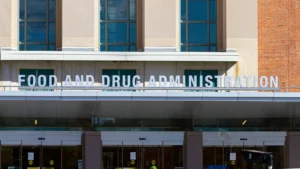






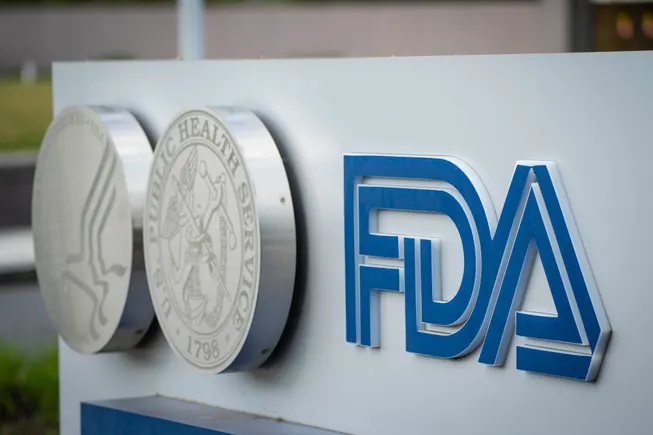
Medline Industries, LP, a prominent global manufacturer and distributor of medical supplies, has initiated a comprehensive market removal of specific angiographic syringes following a series of reports detailing mechanical failures that pose significant risks to both patients and healthcare providers. The recall, which specifically targets the Namic angiographic rotating adaptor control syringes, was triggered by evidence that the devices can become loose or entirely disconnected during critical medical procedures. This mechanical instability, often manifesting as an unwinding of the syringe during use, has been linked to severe health complications, including life-threatening air embolisms and potential exposure to biohazardous materials. While the recall process began in late February 2024, the urgency of the situation was underscored by a formal warning letter from the U.S. Food and Drug Administration (FDA) made public in late March, which highlighted systemic failures in Medline’s quality control and manufacturing protocols at its Glen Falls, New York, production facility.
The Mechanics of the Recall and Patient Safety Risks
The Namic angiographic rotating adaptor control syringes are specialized instruments utilized in the field of interventional radiology and cardiology. Their primary function is the administration of radiographic contrast media—a substance used to enhance the visibility of internal structures like blood vessels and organs during medical imaging procedures such as angiograms. Because these procedures often involve high-pressure injections and direct access to the vascular system, the integrity of the connection between the syringe and the manifold is paramount.
The FDA’s recall notice and subsequent warning letter reveal that these syringes may spontaneously unwind or disconnect during a procedure. When the connection fails, the clinical consequences can be immediate and severe. For the patient, a disconnected syringe can lead to significant blood loss and an increased risk of systemic infection. More critically, the breach in the line allows atmospheric air to be introduced into the vascular system. If this air is injected into the patient, it can result in an air embolism—a condition where an air bubble obstructs blood flow in a vital vessel. Depending on where the bubble travels, an air embolism can lead to a stroke, heart attack, or respiratory failure, making it a life-threatening emergency.
For healthcare clinicians, the failure of the rotating adaptor presents a direct occupational hazard. The sudden disconnection of a syringe under pressure can result in the spraying or leaking of blood and contrast media, leading to accidental biohazard exposure. As of mid-March 2024, the FDA confirmed that Medline had reported at least four serious injuries directly associated with these device failures, though fortunately, no fatalities have been linked to the issue at this time.
A Chronology of Quality Control Failures
The path to the current market removal reveals a protracted period of internal assessment and regulatory friction. According to documentation released by the FDA, Medline first identified issues with the Namic syringes in June 2023. At that time, the company launched a corrective action plan after receiving a surge in reports that syringes were detaching from manifolds. Initial internal investigations by Medline attributed the failure to the presence of excess silicone on the device components, which compromised the friction required to maintain a secure, locked connection.
Despite receiving reports of air injections and clinician exposure to biohazards throughout the latter half of 2023, Medline initially categorized the health risk as "low." This assessment led the company to propose a limited field notice rather than a full product recall. Medline argued that a full removal was unnecessary, citing the potential for market shortages and the supposed effectiveness of prior communications to customers.
However, the FDA’s perspective shifted significantly following a direct inspection of the Glen Falls manufacturing site in December 2023. Federal investigators found that the company’s response did not align with the actual risks posed to patients. By January 2024, under regulatory pressure, Medline began scrapping affected devices within its own inventory and increased the cleaning frequency of manufacturing machinery to mitigate the silicone buildup. It was not until February 2024, after multiple high-level discussions with the FDA regarding the inadequacy of its initial strategy, that Medline agreed to a formal removal of the products from the market. The scale of the problem is evidenced by the volume of complaints; between June 2023 and February 2024, Medline recorded 250 formal complaints regarding the syringe’s tendency to loosen or disconnect.
Manufacturing Deficiencies and Cleanroom Concerns
The FDA’s warning letter also brought to light troubling conditions at the Glen Falls facility that extended beyond the silicone issue. During the December inspection, investigators observed a lack of basic hygiene and maintenance in the cleanroom environments where the Namic product line is manufactured. Specifically, FDA officials documented the accumulation of particulates and foreign matter on top of the machines used to produce sterile medical devices.
The investigation revealed that the last documented cleaning of the equipment tops prior to the inspection had occurred on November 26, 2023. In the weeks following that date, Medline received 114 separate complaints regarding foreign matter or hair found within its products. While Medline initiated a review of its cleanroom risks following these observations, the FDA noted that the company failed to adequately assess the potential impact on products already in the field or currently held in inventory. This lapse suggested a systemic failure to maintain the sterile conditions required for Class II medical devices, further eroding regulatory confidence in the facility’s output.
Guidance for Healthcare Providers and Clinical Impact
In response to the recall, Medline issued an urgent letter to its customers on February 27, 2024, instructing healthcare facilities to immediately quarantine and destroy any remaining inventory of the affected Namic syringes. The company provided specific instructions for the disposal of the devices and the documentation required to receive credit or replacements.
Recognizing the critical nature of angiographic procedures and the potential for device shortages, the FDA has provided narrow guidance for "rare cases" where angiography is urgently required and no alternative syringes are available. In such emergency scenarios, the FDA stated that clinicians may use the Namic rotating adaptor syringe, but only with "extreme caution and vigilance." This requires a staff member to manually stabilize the connection between the syringe and the manifold throughout the entire procedure while continuously monitoring for any signs of loosening or air infiltration. This manual intervention is a temporary and high-risk measure, emphasizing the severity of the manufacturing defect.
Broader Implications for Medline and the Medical Device Industry
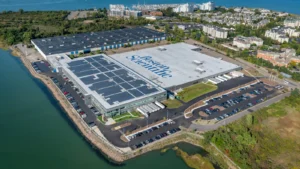
Medline Industries is one of the largest privately held manufacturers and distributors of medical supplies in the United States, serving a vast network of hospitals, surgery centers, and physician offices. The Glen Falls facility, which Medline acquired as part of its $167 million purchase of the Namic fluid management business from AngioDynamics in 2019, is a central hub for its interventional cardiology offerings.
The issuance of a formal FDA warning letter is a significant regulatory escalation. It indicates that the agency found "significant violations" of Quality System regulations. Such letters can have long-term repercussions, including the withholding of premarket approval for new devices and the potential for federal contracts to be suspended if the violations are not corrected. For Medline, the challenge lies not only in fixing the mechanical issue of excess silicone but in overhaul of the quality management systems that allowed a "low risk" designation to persist despite hundreds of complaints and documented injuries.
This incident also highlights the ongoing challenges within the medical device supply chain regarding the use of lubricants like silicone. While silicone is essential for the smooth operation of syringes, its over-application can lead to catastrophic mechanical failures in high-pressure environments. The industry at large may face increased scrutiny regarding the precision of lubricant application and the robustness of "fail-safe" locking mechanisms in vascular access tools.
Conclusion
The recall of the Namic angiographic syringes serves as a stark reminder of the critical intersection between manufacturing precision and patient safety. As Medline works to remediate the issues at its Glen Falls plant and address the concerns raised in the FDA’s warning letter, the medical community remains on high alert. The transition from a "low risk" internal assessment to a full-scale market removal under federal pressure underscores the vital role of regulatory oversight in the healthcare sector. For now, the focus remains on ensuring that no further patients are subjected to the risks of air embolism or infection due to a preventable mechanical flaw in a device designed to save lives. Healthcare providers are urged to adhere strictly to the recall instructions and report any further adverse events to the FDA’s MedWatch program to ensure continued transparency in the resolution of this safety crisis.