

As the seasons shift and spring approaches, many individuals rekindle their commitment to health and fitness, often initiating new weight management regimens. A cornerstone of successful dietary changes lies not just in main meals but crucially in strategic snacking. Unplanned or unhealthy snacking can swiftly derail even the most diligently maintained calorie deficit, particularly the pervasive habit of late-night indulgence. To navigate this common challenge, expert guidance is paramount. This article delves into the critical role of informed snack choices, drawing upon the insights of Dr. Kezia Joy, RDN, a Medical Advisor with Welzo, who advocates for a select group of five snacks specifically engineered to support weight loss objectives.
The Foundation of Smart Snacking: Key Nutritional Pillars for Success
Effective weight loss is a multifaceted endeavor, but at its nutritional core are three indispensable components: protein, healthy fats, and fiber. These macronutrients and dietary elements work synergistically to promote satiety, regulate blood sugar, and provide sustained energy, thereby acting as the bedrock for any weight-loss-approved snack. Dr. Joy emphasizes that these elements are not merely beneficial but essential for transforming snacking from a potential pitfall into a powerful tool for achieving health goals.
-
Protein’s Primacy: Often dubbed the "king of macronutrients" for weight loss, protein is crucial for several reasons. It boasts a higher thermic effect of food (TEF) compared to carbohydrates or fats, meaning the body expends more energy to digest and metabolize it. More importantly, protein significantly enhances satiety, the feeling of fullness. Studies consistently show that high-protein meals and snacks lead to reduced subsequent food intake. This is partly due to its impact on hunger hormones like ghrelin and GLP-1. Adequate protein intake also helps preserve lean muscle mass during caloric restriction, which is vital for maintaining a healthy metabolism. For example, a typical adult seeking weight loss might aim for 20-30 grams of protein per snack to maximize satiety.
-
Fiber’s Filling Power: Dietary fiber, particularly soluble fiber, is a game-changer for weight management. It adds bulk to food without contributing significant calories, slows down digestion, and promotes a feeling of fullness. Fiber also helps stabilize blood sugar levels by mitigating rapid glucose spikes after meals, preventing the subsequent crashes that often trigger intense cravings. Beyond weight loss, fiber is indispensable for digestive health, supporting a healthy gut microbiome and regular bowel movements. The average adult often consumes far less than the recommended 25-30 grams of fiber per day, making fiber-rich snacks an excellent way to bridge this gap.
-
Healthy Fats for Sustained Satisfaction: While often demonized in past diet trends, healthy fats are critical for satiety and overall health. Fats take longer to digest than carbohydrates, contributing to a prolonged feeling of fullness. They also play a vital role in nutrient absorption, particularly for fat-soluble vitamins (A, D, E, K), and are essential for hormone production and cellular function. Monounsaturated and polyunsaturated fats, found in foods like nuts, seeds, and avocados, contribute to heart health and can reduce inflammation. However, due to their caloric density (9 calories per gram), portion control is crucial when incorporating healthy fats into a weight-loss plan.
Dr. Joy highlights that the snacks she recommends are meticulously chosen to embody these three key components. "Each [of these options] allows for quick preparation, can be easily incorporated into your daily routine, and will allow you to have a variety of options as you work on losing weight, and help keep you from feeling like you’re being deprived by eating a ‘snack,’" she explains. This approach transforms snacking from a restrictive chore into an empowering element of a healthy lifestyle.
Dr. Joy’s Five Recommended Snacks for Weight Loss: A Detailed Examination
These five snack options are not arbitrary selections but are backed by nutritional science and practical applicability for individuals striving for weight loss. They are designed to be convenient, delicious, and highly effective in curbing hunger and promoting satiety.
-
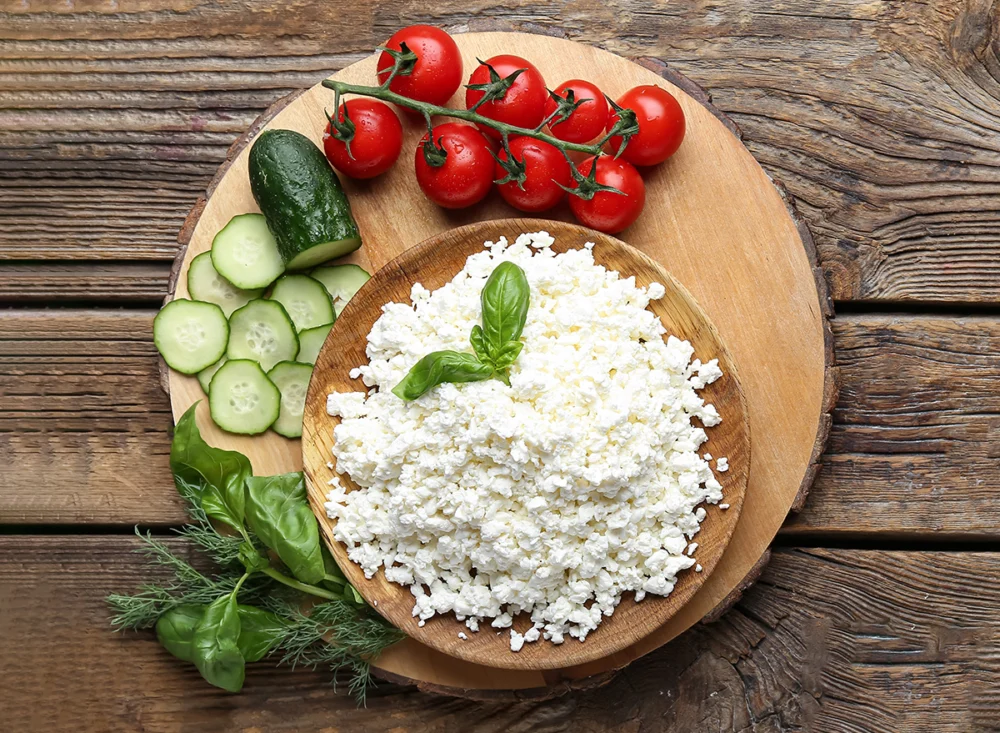
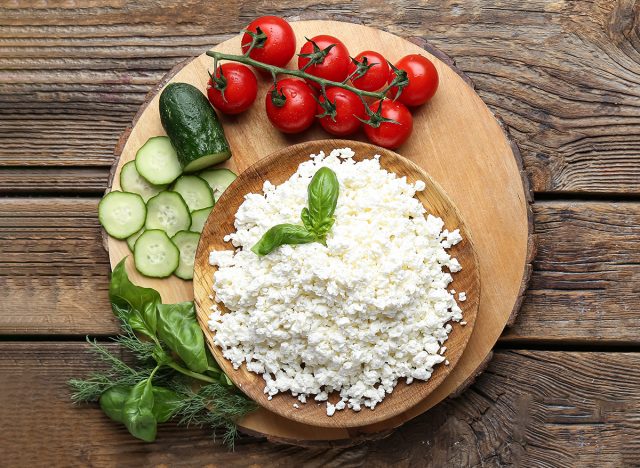
Cottage Cheese with Vegetables: This combination offers a potent one-two punch of protein and fiber. Cottage cheese is an excellent source of casein protein, a slow-digesting protein that provides a sustained release of amino acids, keeping hunger at bay for longer periods. A half-cup serving of low-fat cottage cheese can provide around 12-14 grams of protein with relatively few calories. When paired with a generous portion of raw or lightly steamed vegetables like cucumber slices, cherry tomatoes, bell pepper strips, or carrot sticks, the fiber content skyrockets, further enhancing satiety and providing essential vitamins, minerals, and antioxidants. The versatility allows for various flavor profiles, from a savory sprinkle of black pepper and herbs to a touch of everything bagel seasoning.
-
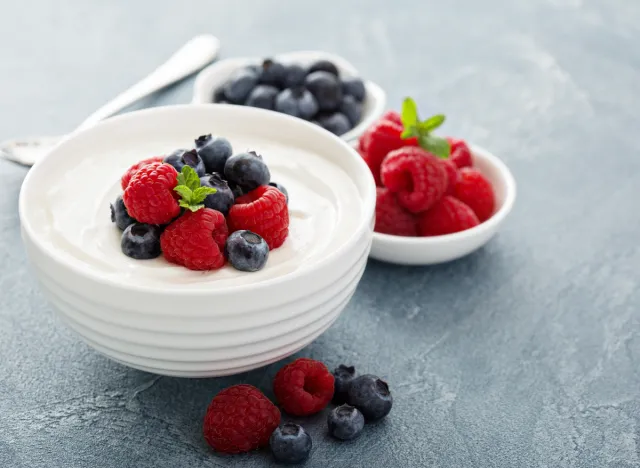
Greek Yogurt with Fresh Berries: Greek yogurt stands out for its significantly higher protein content compared to regular yogurt, often double or triple the amount per serving. A 5.3-ounce container of plain, non-fat Greek yogurt can deliver 15-18 grams of protein, along with beneficial probiotics for gut health. The tartness of plain Greek yogurt pairs beautifully with the natural sweetness and vibrant antioxidants of fresh berries (blueberries, raspberries, strawberries). Berries are low in calories but high in fiber and micronutrients, making them an ideal fruit choice for weight management. This snack offers a delightful balance of protein, fiber, and natural sugars, satisfying sweet cravings without resorting to added sugars often found in flavored yogurts.
-
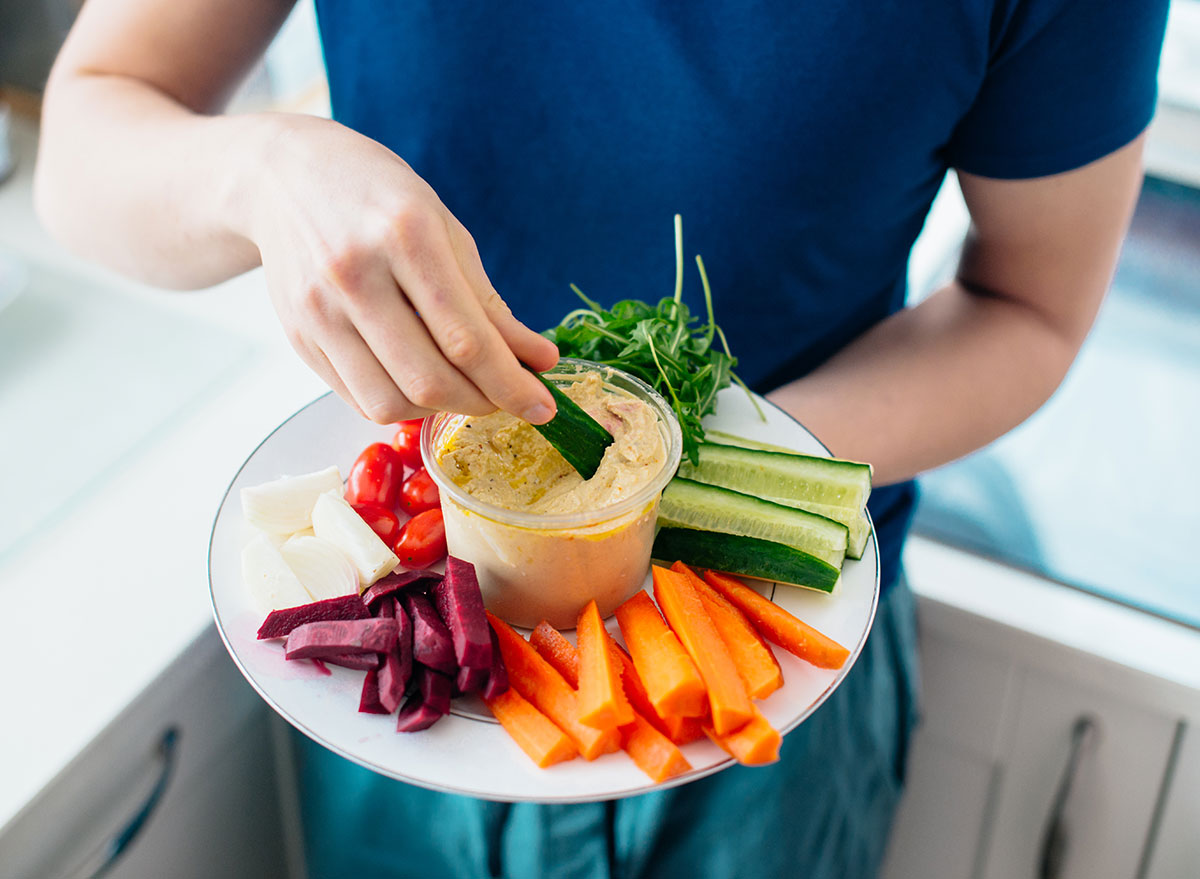
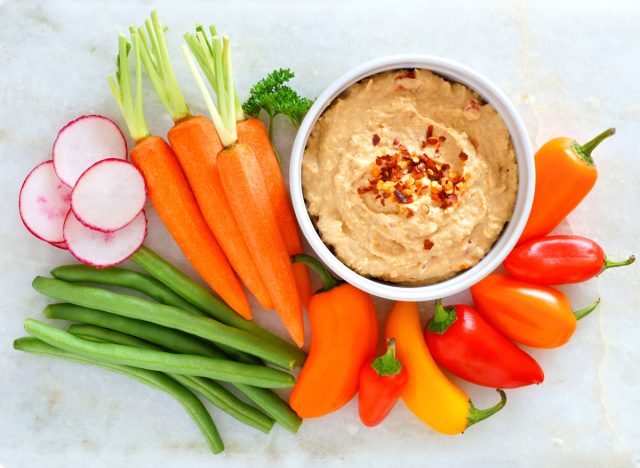
Hummus with Raw Vegetables: A Mediterranean staple, hummus is a powerhouse made from chickpeas, tahini (sesame paste), olive oil, lemon juice, and garlic. Chickpeas are legumes rich in both plant-based protein and dietary fiber, contributing significantly to fullness. Tahini provides healthy monounsaturated fats. A typical 2-tablespoon serving of hummus offers about 2-3 grams of protein and 2-3 grams of fiber. When paired with an assortment of raw, crunchy vegetables like carrots, celery, bell peppers, broccoli florets, or snap peas, this snack becomes a nutrient-dense option that encourages mindful eating through chewing. It’s a savory, satisfying alternative to processed dips and crackers.
-
An Ounce of Nuts with a Piece of Fruit: This classic pairing offers a harmonious blend of healthy fats, fiber, and a modest amount of protein from the nuts, complemented by the natural sugars, vitamins, and additional fiber from the fruit. Nuts (almonds, walnuts, pistachios, cashews) are calorie-dense but incredibly nutrient-rich, providing heart-healthy fats, vitamin E, magnesium, and selenium. Portion control is critical here; an ounce is roughly a small handful (about 23 almonds or 14 walnut halves). The fiber in nuts, combined with the fiber in a medium apple, pear, or banana, creates a filling and energy-sustaining snack. This combination also helps regulate blood sugar, as the fats and fiber slow the absorption of fruit sugars.
-
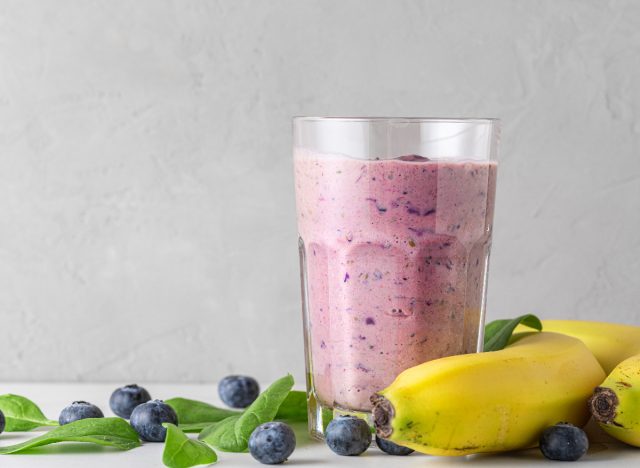
A Smoothie Using Whole Food Ingredients and Protein: Smoothies offer unparalleled customization and nutrient delivery. The key, Dr. Joy emphasizes, is to focus on "whole food ingredients and protein." This translates to a base of leafy greens (spinach, kale), a modest amount of fruit (berries, half a banana), a liquid (unsweetened almond milk, water), and a scoop of protein powder (whey, casein, plant-based) or a protein-rich addition like Greek yogurt or cottage cheese. Healthy fats can be added via a tablespoon of chia seeds, flax seeds, or almond butter. This structure ensures a high protein and fiber content, making it incredibly satiating and nutrient-dense, avoiding the common pitfall of fruit-heavy, sugary smoothies that can spike blood sugar.
Beyond the Plate: The Science of Satiety and Preventing Overeating
The efficacy of these dietitian-approved snacks extends beyond their individual nutrient profiles; it lies in their collective ability to modulate physiological responses that govern hunger and satiety. These snacks are "chock-full of fiber and protein," Dr. Joy notes, two components that inherently take longer to digest than refined carbohydrates. This extended digestion period is crucial for promoting sustained fullness and preventing the premature onset of hunger.
Moreover, a critical benefit of these snacks is their impact on blood glucose levels. "These types of snack food can assist with maintaining consistent blood glucose levels, and consistent blood glucose levels are very important to regulate your hunger. The less your blood glucose levels fluctuate, the less you will experience hunger," Dr. Joy explains. When blood sugar levels remain stable, the body avoids the sharp spikes and subsequent crashes that trigger intense cravings and impulsive eating decisions. By providing a steady supply of energy, these snacks help circumvent the physiological triggers that lead to overeating at subsequent meals or reaching for less healthy options. This proactive approach to hunger management is a cornerstone of sustainable weight loss.
The Hidden Traps of Conventional Snacking: Why Many Snacks Derail Weight-Loss Goals
In stark contrast to the dietitian-approved options, many commercially available snacks are significant contributors to weight gain and poor health outcomes. These "typical snacks," as Dr. Joy refers to them, are often laden with refined carbohydrates, excessive added sugars, and unhealthy fats, while offering minimal nutritional value.
"They’re easily digested, but do little to suppress our desire for additional food," Dr. Joy states. This rapid digestion leads to quick energy spikes followed by equally rapid crashes, leaving individuals feeling hungry again shortly after consumption. This cycle makes it incredibly easy to overeat these calorie-dense, nutrient-poor foods throughout the day, inadvertently consuming hundreds of excess calories without feeling truly satisfied. Common culprits include potato chips, cookies, sugary granola bars, and processed crackers, which are designed for palatability and ease of consumption rather than nutritional benefit.
Furthermore, Dr. Joy emphasizes the concept of nutrient density: "Another reason why the snacks I recommend are better than typical snacks is that they have a larger volume of nutrients per serving than typical snacks. Most snack foods are designed so that we can eat too much of them with very little nutritional value. Therefore, when you choose to eat one of the snacks I recommend, the calories will provide satiety, or fullness." This distinction is critical. A 150-calorie serving of potato chips offers minimal fiber or protein, leading to little satisfaction, whereas a 150-calorie serving of Greek yogurt with berries provides substantial protein and fiber, promoting sustained fullness. This difference in nutrient return on caloric investment is a fundamental reason why many conventional snacks actively hinder weight loss efforts.
Strategic Snacking: When and How to Incorporate Healthy Choices
Beyond what to eat, when to eat plays a significant role in successful weight management. Snack timing is a strategic element that can either support or undermine dietary goals. Dr. Joy underscores the importance of intentional snacking to maintain consistent energy levels and prevent extreme hunger.
"Snacks at appropriate times may prevent an interval of time from one meal to another in which individuals are likely to consume excess calories due to a large gap in time since the last meal. Snacking maintains consistent levels of energy throughout the day," she advises. For many, a mid-afternoon snack is particularly beneficial. This period often sees an energy dip, making individuals vulnerable to reaching for sugary treats or overeating at dinner. A balanced, protein- and fiber-rich snack at this time can "help control energy crashes and reduce the likelihood that you’ll feel the need for sweet treats." It also supports cognitive function, enhancing focus and productivity during the latter part of the workday.
Evening snacking, however, requires a more nuanced approach. Dr. Joy cautions that "Evening snacking should be purposeful (not routine) and based on your body’s need for food as opposed to just eating out of habit." Many late-night eating occasions are driven by boredom, stress, or habit rather than genuine physical hunger. If a snack is truly needed before bed, "Protein-based snacks are usually the best choice." The slow digestion of protein can help stabilize blood sugar overnight and prevent morning hunger pangs, without causing the rapid insulin spikes associated with carbohydrate-heavy snacks that can interfere with sleep and fat burning. This strategic approach to timing transforms snacking from a spontaneous act into a deliberate component of a well-structured eating plan.
Long-Term Implications and Holistic Health Benefits
Adopting a smart snacking strategy extends far beyond merely shedding pounds; it contributes to a holistic improvement in overall health and well-being. The consistent intake of protein, fiber, and healthy fats, as advocated by Dr. Joy, yields numerous long-term benefits.
For instance, regular consumption of fiber-rich foods supports a healthy gut microbiome, which is increasingly linked to everything from immune function to mood regulation. Stable blood sugar levels, maintained through mindful snacking, significantly reduce the risk of developing insulin resistance and type 2 diabetes. The emphasis on whole foods over processed alternatives decreases exposure to inflammatory ingredients, added sugars, and unhealthy trans fats, thereby promoting cardiovascular health and reducing the risk of chronic diseases.
Furthermore, successful weight loss achieved through sustainable habits, rather than restrictive fad diets, fosters a positive relationship with food. It cultivates mindful eating practices and empowers individuals to make informed choices that align with their health goals. Dr. Joy’s recommendations pave the way for developing these sustainable eating patterns, which are crucial for maintaining weight loss in the long run. By choosing snacks that are truly nourishing and satisfying, individuals are more likely to "continue to make good choices over time," preventing the cycle of deprivation and overindulgence that often plagues traditional dieting efforts. This approach builds a foundation for lifelong healthy habits, leading to sustained energy, improved mental clarity, and an enhanced quality of life.
In conclusion, as individuals embark on their weight loss journeys, particularly with the renewed motivation that spring often brings, the role of snacking cannot be underestimated. By integrating Dr. Kezia Joy’s five dietitian-approved picks—cottage cheese with vegetables, Greek yogurt with fresh berries, hummus with raw vegetables, portion-controlled nuts with fruit, and protein-rich whole-food smoothies—into their daily routines, they are not merely curbing hunger. They are actively engaging in a strategic nutritional approach that optimizes satiety, stabilizes blood glucose, and provides essential nutrients. This informed approach transforms snacking from a potential stumbling block into a powerful ally in achieving sustainable weight loss and fostering enduring health.
