


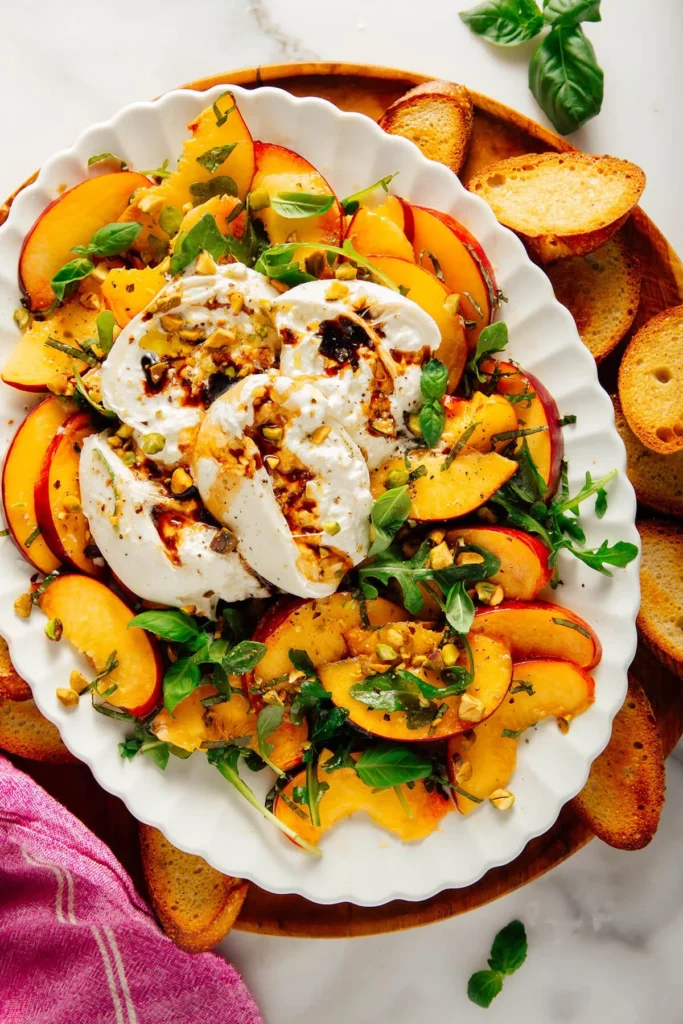
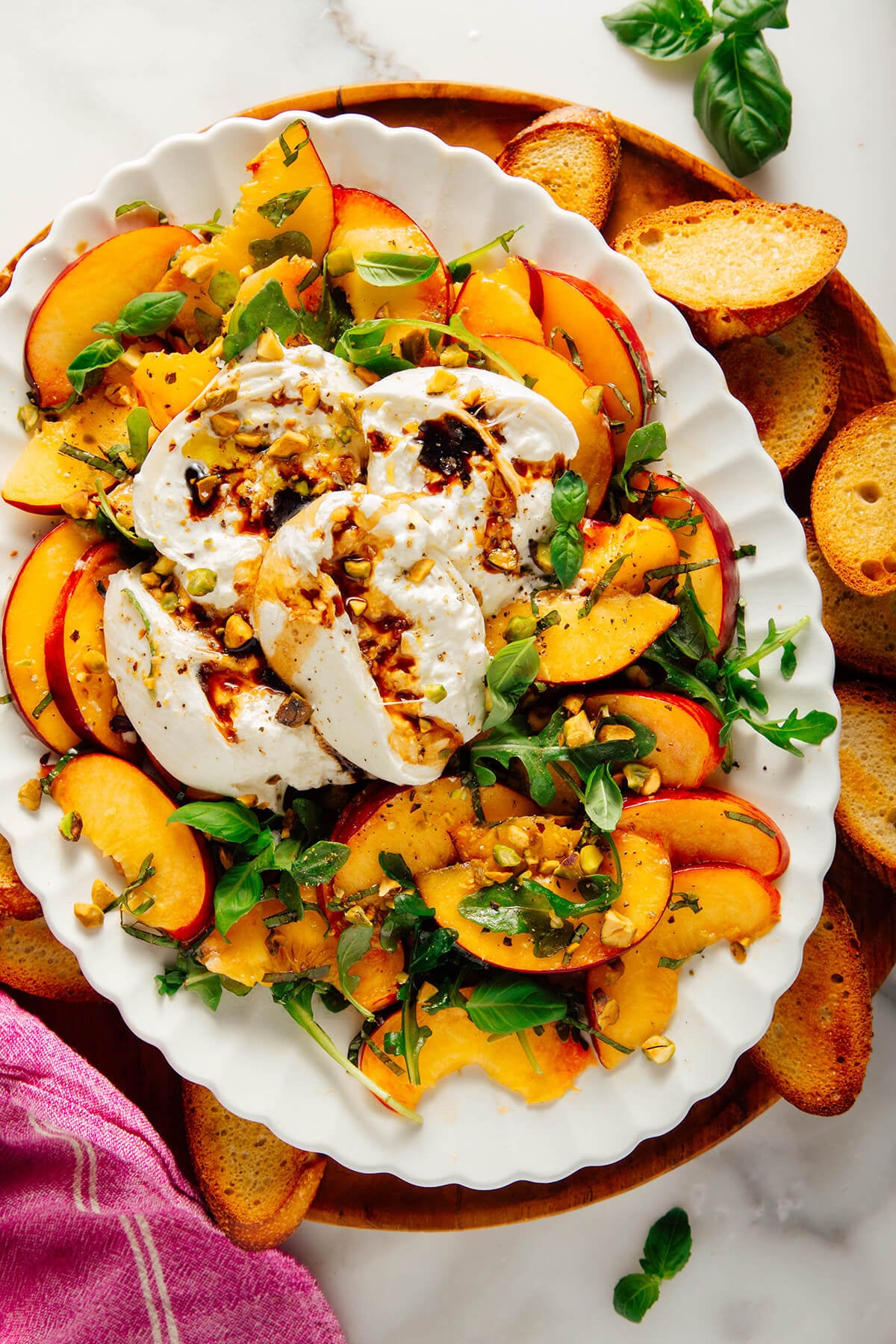
The culinary landscape continually evolves, yet some innovations resonate with a timeless appeal, particularly those that celebrate seasonal bounty with elegant simplicity. One such dish, the Peach and Burrata Salad, has emerged as a quintessential summertime offering, masterfully blending the sweet succulence of fresh peaches with the creamy richness of burrata cheese, complemented by a vibrant array of fresh herbs and a subtle, tangy dressing. This creation, championed by culinary expert Kathryne Taylor of Cookie and Kate, exemplifies the modern trend towards gourmet-quality meals achievable with minimal effort, requiring no cooking and ready in a mere 15 minutes.
The dish represents a sophisticated twist on a classic, building upon the established popularity of its predecessor, the Burrata with Tomatoes and Basil. Taylor’s inspiration to substitute peaches for tomatoes proved to be a stroke of culinary genius, transforming a familiar savory profile into an exciting sweet-and-savory sensation perfectly suited for warm weather. This adaptation highlights an increasing adventurousness in contemporary home cooking, where traditional ingredient pairings are challenged and redefined to create novel sensory experiences. The result is not merely a salad but a versatile culinary statement, equally at home as a refreshing appetizer or a light, elegant main course.
The Genesis of a Seasonal Stunner
The journey from a tomato-based burrata dish to its peach-infused counterpart illustrates a common trajectory in culinary innovation: taking a proven concept and adapting it to leverage seasonal availability and explore new flavor harmonies. Taylor noted her initial feeling that peaches would complement burrata beautifully, a hypothesis that, upon execution, yielded "great" results, leading to a "wholehearted recommendation." This iterative process of culinary experimentation, often driven by intuition and a deep understanding of ingredients, is a hallmark of successful recipe development. The immediate adoption and enthusiastic reception of such recipes within the online culinary community underscore a collective appetite for fresh, accessible ideas that elevate everyday dining.
The transition from a tomato-centric summer salad to a peach-centric one also reflects broader agricultural cycles and consumer preferences. While tomatoes remain a summer staple, the peak ripeness of peaches offers a distinct sweetness and delicate texture that provides a contrasting, yet equally compelling, counterpoint to the creamy burrata. This seasonal shift encourages consumers to diversify their palate and embrace the full spectrum of produce available throughout the year, promoting sustainable eating habits by prioritizing ingredients at their prime.
Deconstructing the Dish: A Symphony of Ingredients
The Peach and Burrata Salad is a masterclass in ingredient selection, where each component plays a crucial role in the overall flavor and textural experience. The simplicity of the recipe belies the complexity of the flavors it delivers, a testament to the quality and intrinsic characteristics of its core ingredients.
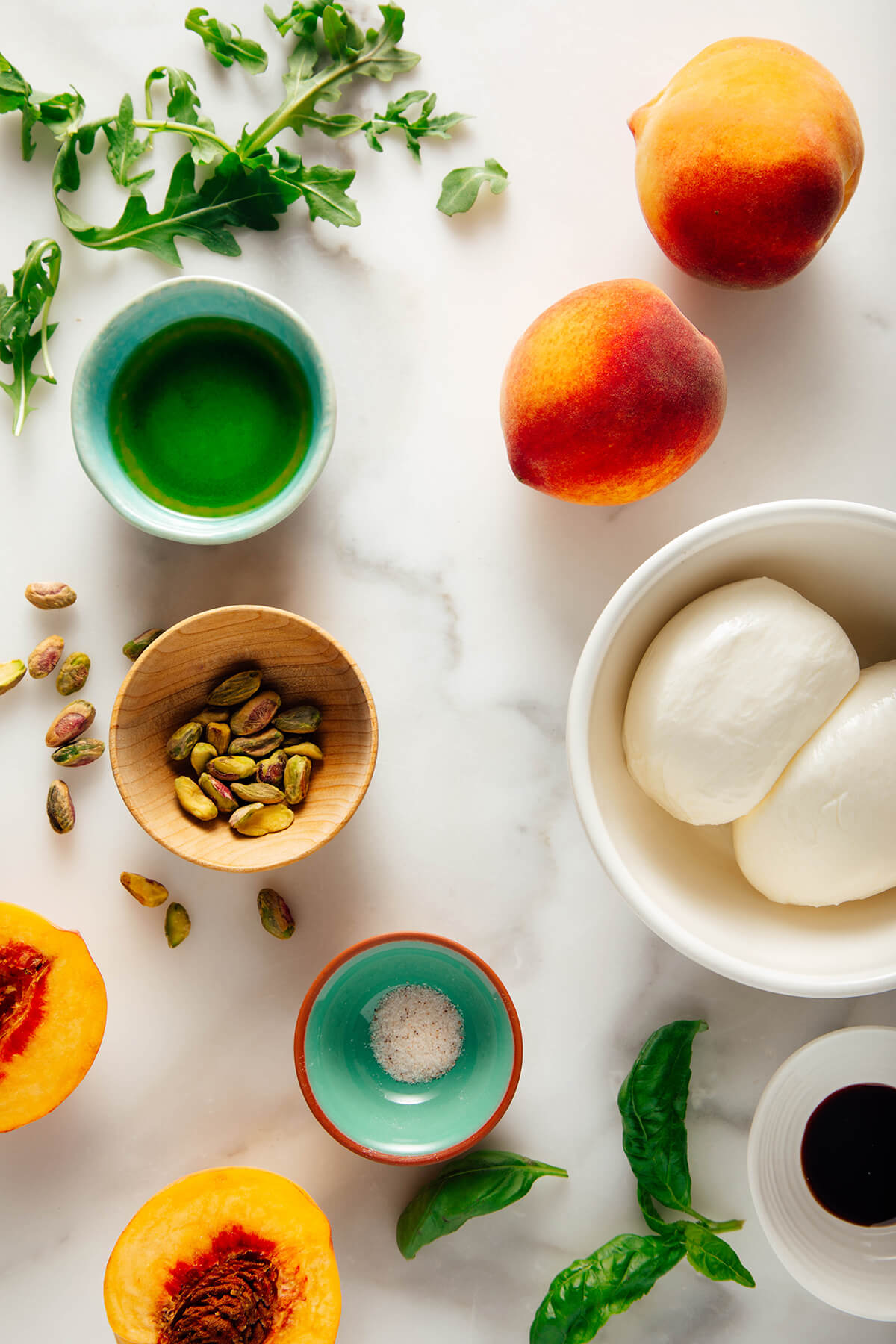
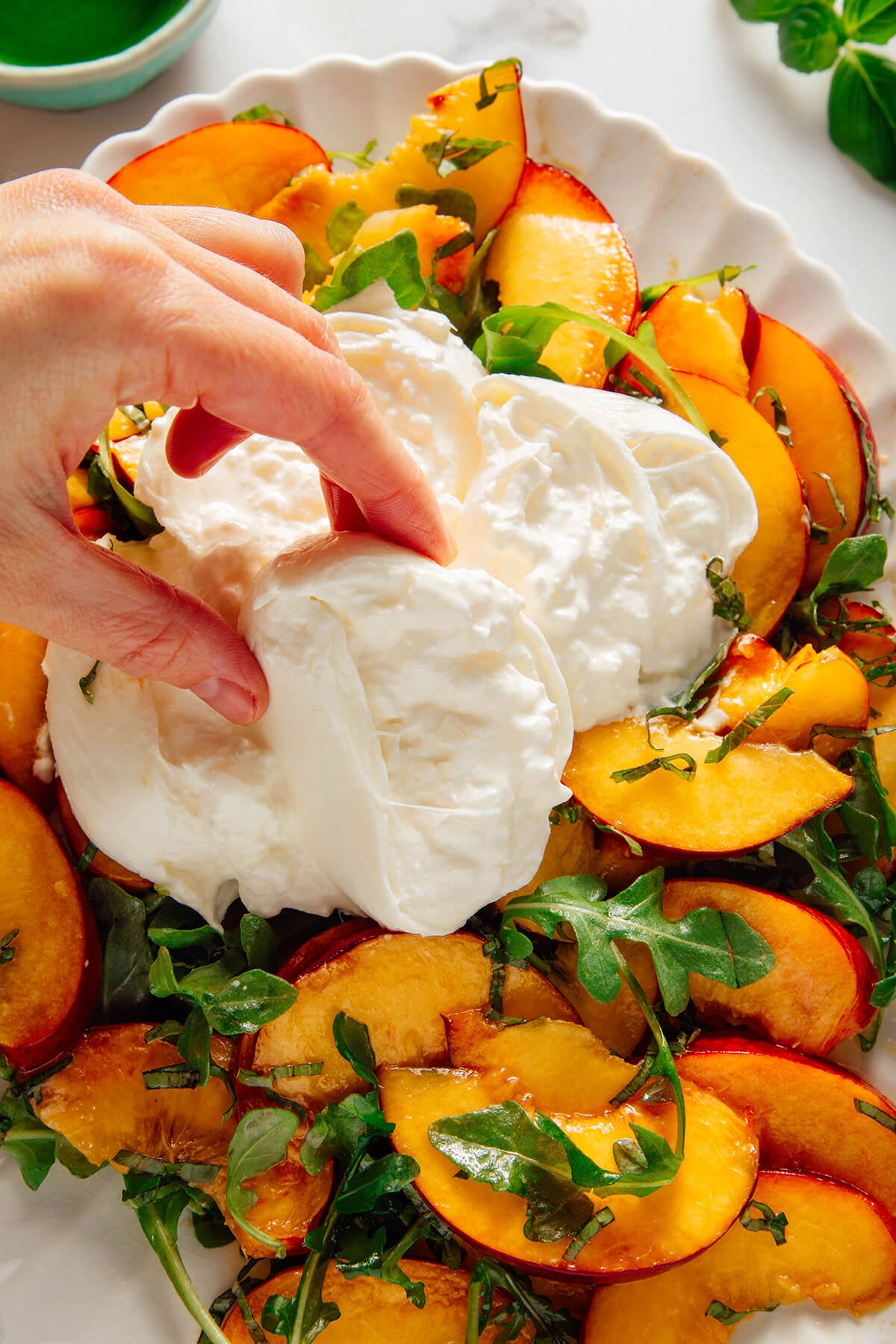
Peaches: At the heart of this dish are ripe, juicy peaches. Globally, peaches (Prunus persica) are a major fruit crop, with China being the largest producer, followed by Italy, Spain, and the United States. In the U.S., California, Georgia, and South Carolina are leading peach-producing states, with peak season typically running from late May through August. Peaches are rich in vitamins A and C, dietary fiber, and antioxidants like beta-carotene, contributing to overall health and well-being. Their natural sweetness and slightly tangy undertones make them exceptionally versatile, capable of bridging the gap between sweet and savory applications. Varieties range from the commonly found yellow peaches, known for their robust flavor and vibrant color, to the subtler, sweeter white peaches. Freestone peaches, where the flesh separates easily from the pit, are often preferred for slicing in salads.
Burrata Cheese: This Italian specialty, originating from Puglia, has seen a significant surge in popularity in recent years. Burrata, meaning "buttered" in Italian, is a fresh Italian cow milk cheese, made from mozzarella and cream. The outer shell is solid mozzarella, while the inside contains a soft, stringy curd (stracciatella) mixed with fresh cream, giving it an incredibly rich, buttery texture and milky flavor. Unlike standard mozzarella, which offers a firmer, uniform texture, burrata provides a luxurious creaminess that oozes when cut, creating a decadent mouthfeel that pairs exquisitely with the crispness of arugula and the sweetness of peaches. Its increasing availability in gourmet markets and even mainstream grocery stores reflects a growing consumer demand for artisanal dairy products.
Fresh Arugula: Providing a peppery, slightly bitter counterpoint to the sweetness of the peaches and the richness of the burrata, fresh arugula (Eruca vesicaria sativa) is indispensable. Also known as rocket, this leafy green is a staple of Mediterranean cuisine and is packed with vitamins K, A, and C, as well as folate and calcium. Its delicate crunch and distinctive flavor prevent the salad from becoming overly sweet or heavy, adding a refreshing zest that cleanses the palate. The subtle bitterness also enhances the savory aspects of the olive oil and balsamic vinegar.
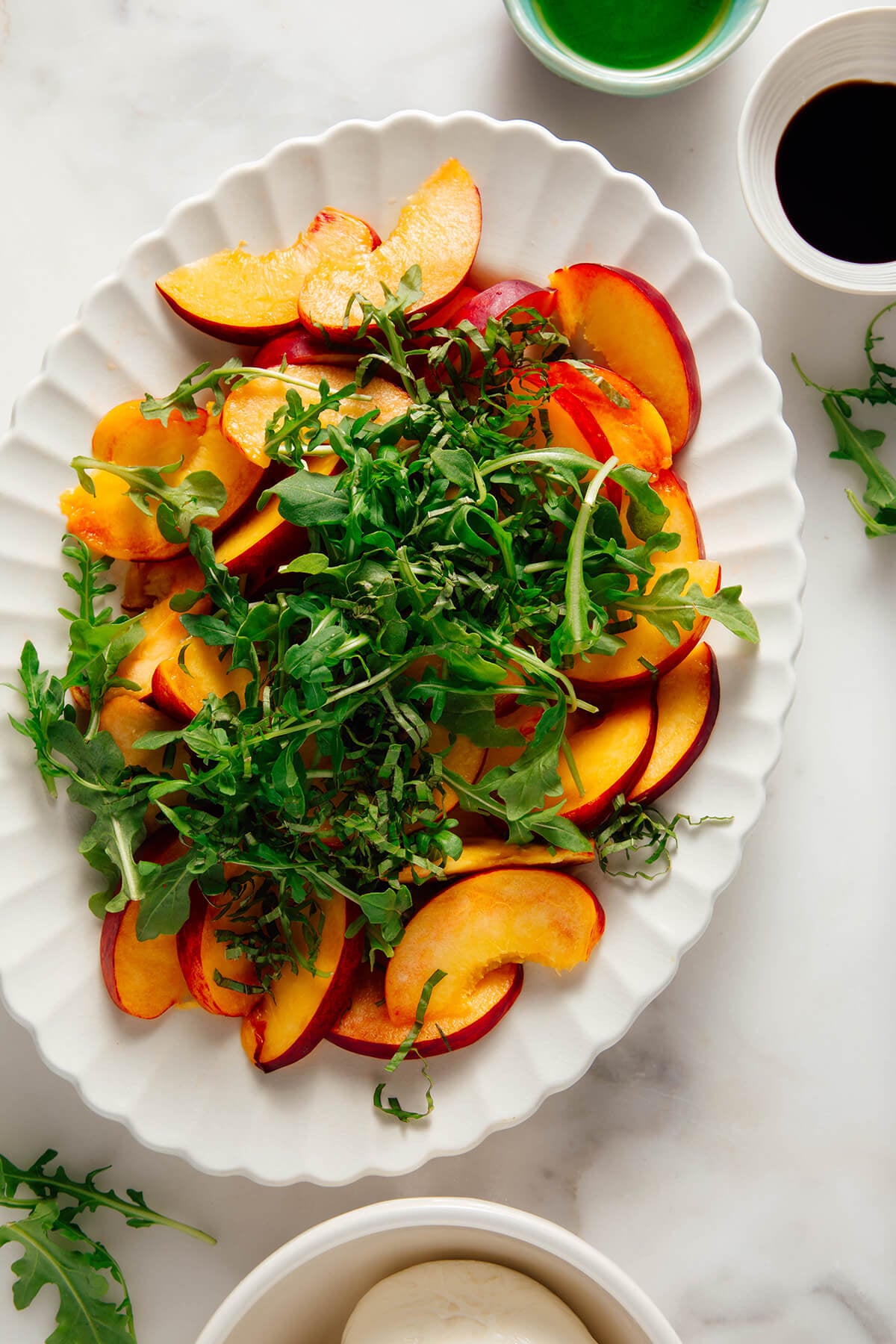
Fresh Basil: The aromatic presence of fresh basil (Ocimum basilicum) is crucial for tying the Mediterranean-inspired flavors together. Its sweet, slightly peppery, and anise-like notes complement both the fruit and the cheese beautifully. Basil is a key herb in Italian cooking and is revered for its fragrance and versatility. Beyond its culinary appeal, basil contains essential oils with antioxidant and anti-inflammatory properties. The vibrant green leaves also add a striking visual element to the salad.
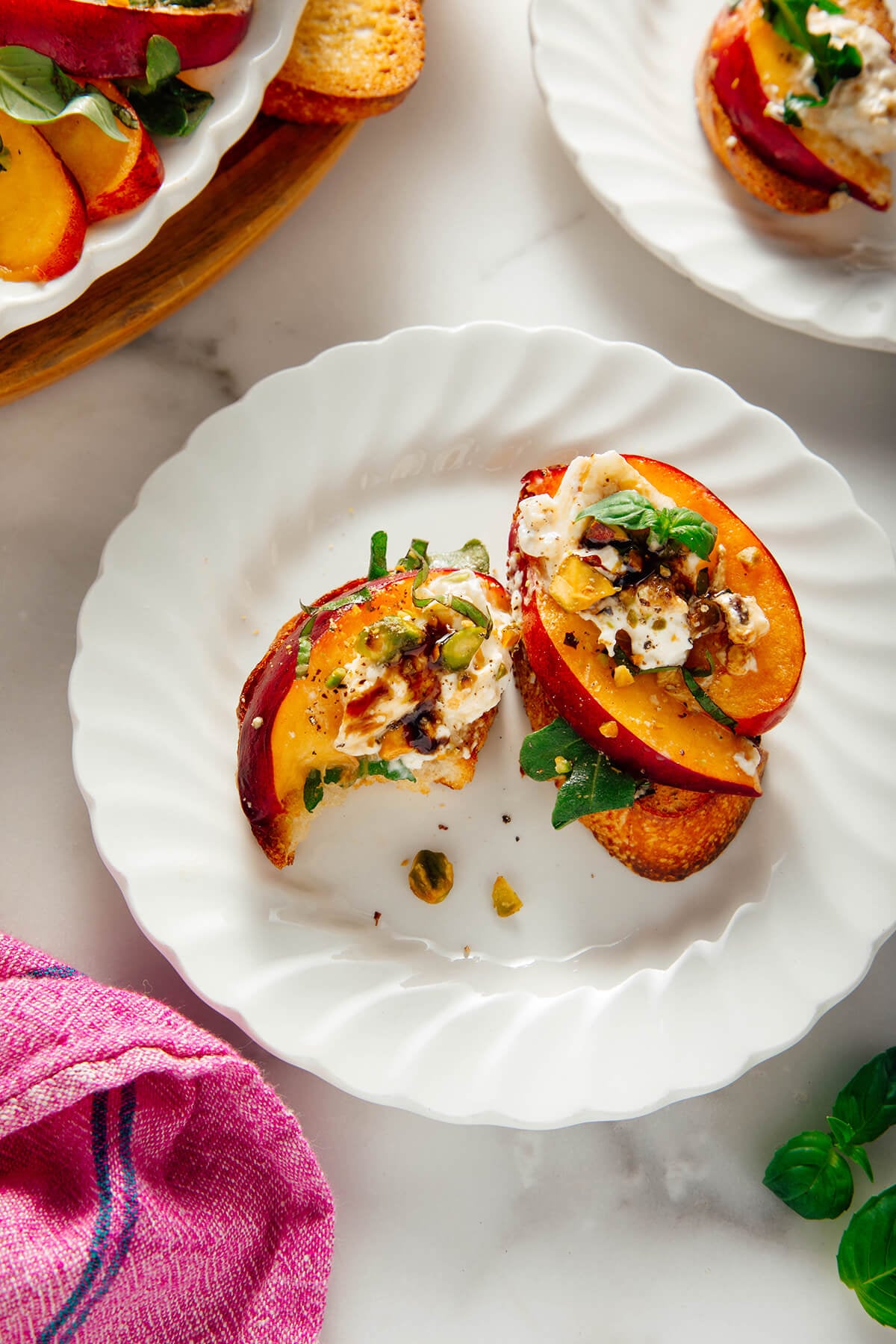
Toasted Pistachios: Offering a delightful textural contrast and a subtle nutty flavor, toasted pistachios are a thoughtful addition. Pistachios are native to the Middle East and Central Asia and have been consumed for thousands of years. They are a good source of protein, fiber, healthy fats, and various minerals like potassium and magnesium. Toasting them enhances their natural sweetness and gives them a satisfying crunch, which plays off the soft burrata and juicy peaches. They provide a grounding element to the otherwise light and airy components of the salad.
High-Quality Olive Oil and Balsamic Vinegar: The dressing, a simple drizzle of extra virgin olive oil and balsamic vinegar, is fundamental. Extra virgin olive oil, particularly from regions like Italy or Greece, contributes healthy monounsaturated fats and a fruity, sometimes peppery, flavor profile. Balsamic vinegar, especially traditional varieties from Modena or Reggio Emilia, offers a complex sweet-sour tang that cuts through the richness of the cheese and brightens all the other ingredients. The interplay of these two liquid gold ingredients creates a balanced vinaigrette without the need for elaborate emulsifications.
The Allure of No-Cook Gourmet
The rising popularity of dishes like the Peach and Burrata Salad underscores a significant trend in modern gastronomy: the desire for "no-cook" or "minimal-cook" recipes that do not compromise on flavor or presentation. In an era where time is a premium, and health-conscious choices are paramount, recipes that promise gourmet results in minutes without heating up the kitchen are highly valued. This approach aligns with several contemporary lifestyle factors:
- Convenience: A 15-minute preparation time is incredibly appealing for busy individuals and families.
- Health and Freshness: Minimal processing means ingredients retain more of their natural nutrients and vibrant flavors.
- Energy Efficiency: Avoiding oven or stovetop use contributes to energy savings and keeps kitchens cooler, especially during summer months.
- Culinary Accessibility: These recipes empower even novice cooks to create impressive dishes, fostering a greater engagement with home cooking.
- Visual Appeal: The inherent beauty of fresh, colorful produce arranged artfully on a platter naturally lends itself to stunning presentations, which are highly shareable on social media platforms.
This trend is also reflected in market data. According to a 2023 report by the Food Industry Association (FMI), consumers continue to prioritize health, convenience, and fresh ingredients in their meal planning. Sales of fresh produce and specialty cheeses have consistently shown growth, indicating a consumer base eager for recipes that highlight these components without extensive preparation.
Culinary Versatility and Serving Suggestions
Beyond its inherent deliciousness, the Peach and Burrata Salad distinguishes itself through remarkable versatility. While it can serve as a standalone light lunch, its composition makes it an exceptional accompaniment to a range of summer fare, enhancing both casual backyard barbecues and more formal al fresco dining experiences.
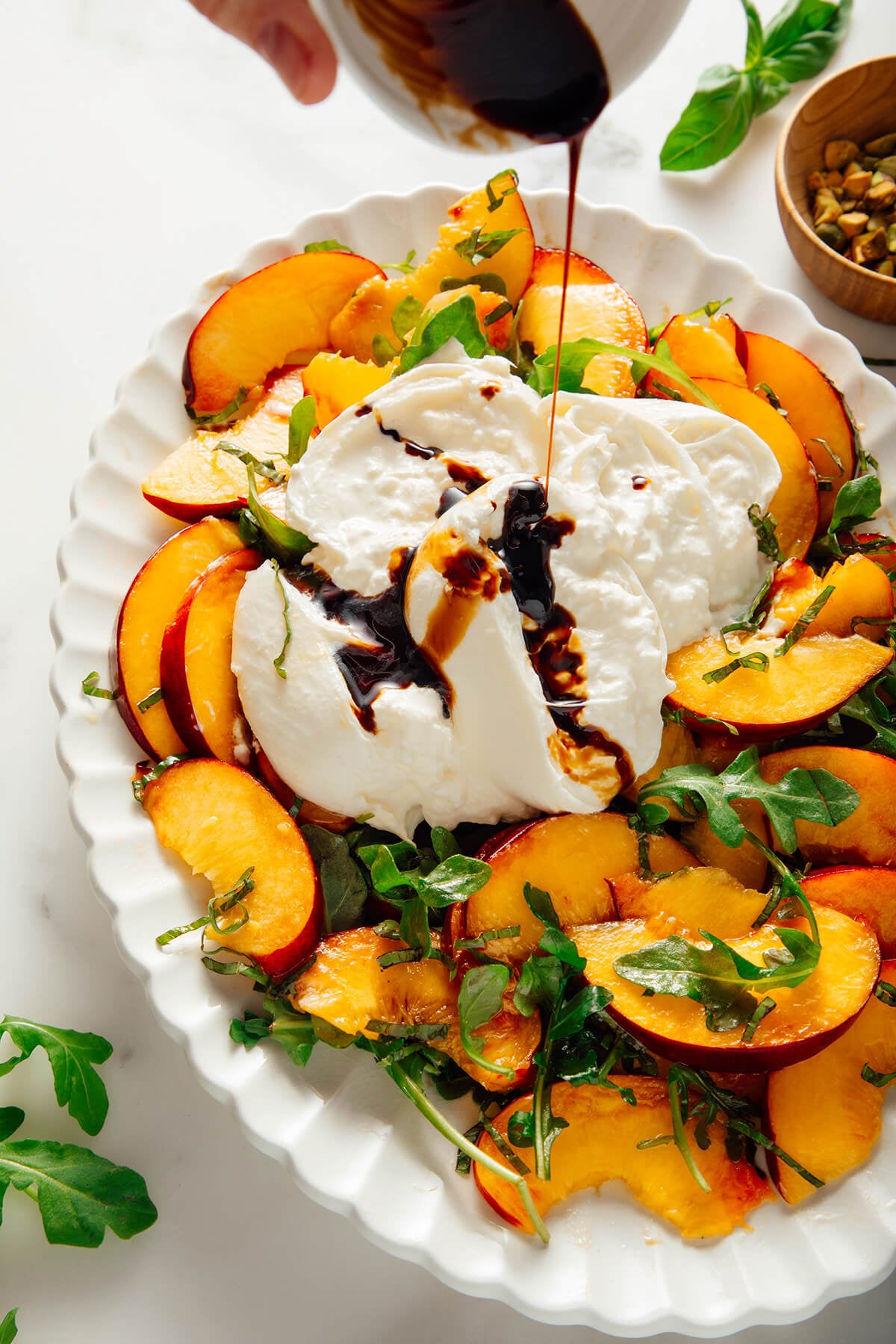
As an appetizer, it offers a sophisticated start to any meal, whetting the appetite with its sweet-savory complexity. For main courses, it pairs particularly well with grilled proteins, where its freshness can cut through the richness of meats or provide a bright counterpoint to vegetarian options. Kathryne Taylor specifically recommends serving it alongside grilled veggie burgers or gourmet grilled pizzas, where the salad’s vibrant flavors and textures can complement the smoky notes of grilled dishes. It would also harmonize beautifully with other Italian-inspired sides like pesto pasta or a simple grilled corn on the cob, creating a cohesive and delightful summer spread.
From a beverage pairing perspective, the salad’s profile lends itself perfectly to crisp, refreshing wines. A dry rosé, with its subtle berry notes and bright acidity, would beautifully echo the sweetness of the peaches while complementing the creamy burrata. Similarly, a light-bodied, crisp white wine such as a Sauvignon Blanc or a Pinot Grigio would offer a refreshing counterpoint, enhancing the overall dining experience without overpowering the delicate flavors of the dish.
Furthermore, the recipe’s core concept is highly adaptable, allowing for personalization based on preference or ingredient availability. Should burrata be unavailable, fresh mozzarella, whether sliced or in smaller "bocconcini" balls, serves as an excellent substitute, offering a similar milky freshness, albeit with a firmer texture. Variations in nuts, such as toasted walnuts or pecans, could replace pistachios, introducing different nutty nuances. Experimentation with other stone fruits like nectarines or plums could also yield exciting seasonal alternatives, maintaining the sweet-savory balance while offering new flavor dimensions.
Nutritional Profile and Health Implications
The Peach and Burrata Salad, rooted in fresh, whole ingredients, aligns closely with the principles of a Mediterranean-style diet, widely recognized for its numerous health benefits. The emphasis on fresh fruits, leafy greens, healthy fats from olive oil and pistachios, and moderate dairy consumption contributes to a nutritionally rich meal.
- Rich in Vitamins and Antioxidants: Peaches, arugula, and basil contribute a significant array of vitamins (A, C, K), minerals, and antioxidants, which are vital for immune function, skin health, and combating oxidative stress.
- Healthy Fats: Extra virgin olive oil and pistachios provide monounsaturated and polyunsaturated fats, known to support heart health by helping to lower bad cholesterol levels.
- Dietary Fiber: Peaches, arugula, and pistachios are good sources of dietary fiber, promoting digestive health and contributing to satiety, which can aid in weight management.
- Protein and Calcium: Burrata provides essential protein for muscle repair and growth, as well as calcium for bone health.
While the specific nutritional information provided by the recipe developer is an estimate and not a substitute for professional advice, the overall composition points to a balanced and health-conscious choice. The transparency regarding nutritional disclaimers, as noted by Cookie and Kate, underscores a responsible approach to sharing culinary information, encouraging individuals to consult with nutritionists for personalized dietary guidance.
Broader Impact on Food Culture and Consumer Engagement
The widespread appeal and easy shareability of recipes like the Peach and Burrata Salad reflect the profound impact of digital platforms and culinary blogs on modern food culture. Websites like Cookie and Kate serve as vital hubs for disseminating accessible, high-quality recipes, influencing how millions of people cook and eat. The visual appeal of such dishes, captured in professional photography, makes them highly shareable across social media, inspiring a ripple effect of home cooks attempting and adapting the recipes.

This phenomenon also fosters a deeper appreciation for seasonal eating and local produce. By highlighting ingredients at their peak, these recipes encourage consumers to seek out fresh, locally sourced options, thereby supporting local farmers and reducing the environmental footprint associated with long-distance food transport. The emphasis on simplicity and natural flavors also reinforces a trend away from heavily processed foods towards more wholesome, ingredient-driven cuisine.
The interactive nature of food blogs, with comment sections allowing for direct feedback and sharing of adaptations, creates a dynamic community around food. Kathryne Taylor’s invitation for readers to share their recipe outcomes ("Please let me know how your recipe turns out in the comments!") exemplifies this engagement, transforming recipe sharing into a collaborative culinary experience. This feedback loop is invaluable, as it helps refine recipes, inspire new variations, and build a loyal following, cementing the dish’s place in the annual summer repertoire for many households.
In conclusion, the Peach and Burrata Salad is more than just a recipe; it is a culinary event that captures the essence of summer. It embodies a sophisticated yet approachable philosophy of cooking, celebrating fresh ingredients, effortless preparation, and vibrant flavors. As culinary expert Kathryne Taylor notes, the dish is poised to become a cherished summer tradition for many, a testament to its compelling blend of simplicity, elegance, and undeniable deliciousness. Its continued popularity underscores a prevailing desire among consumers for dishes that are both visually stunning and exquisitely tasteful, yet remain attainable within the demands of modern life.