

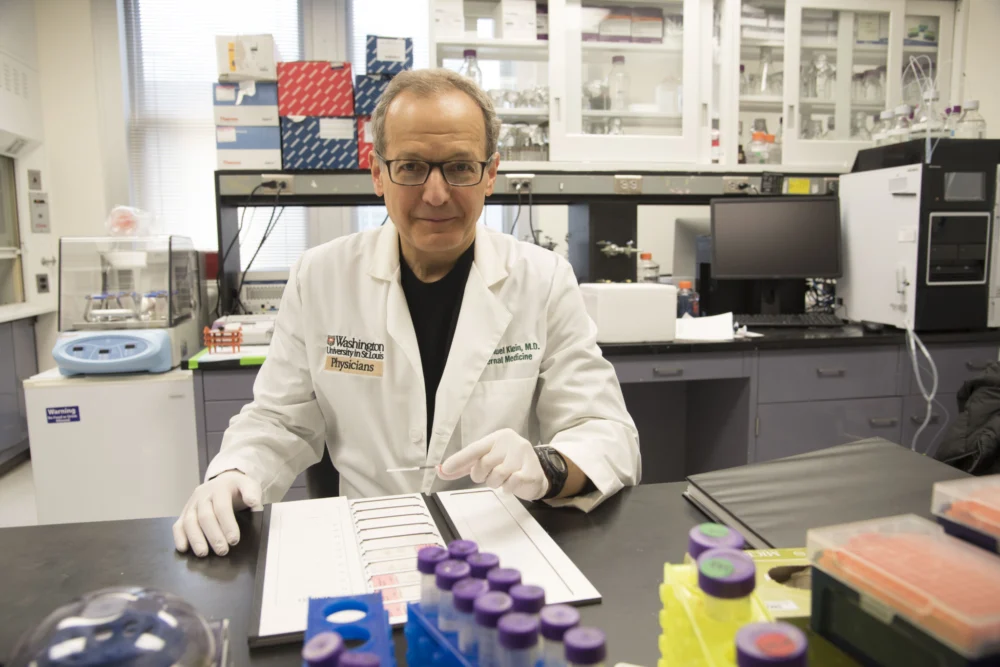
The Endocrine Society has officially announced that Samuel Klein, MD, the William H. Danforth Professor of Medicine and Nutritional Science at Washington University School of Medicine in St. Louis, is the 2026 recipient of the Outstanding Clinical Investigator Laureate Award. This prestigious recognition honors a career spanning more than three decades, during which Dr. Klein has fundamentally altered the scientific community’s understanding of why obesity manifests differently across the human population. His work has moved beyond the simple observation of excess body fat to explore the complex, multi-organ biological mechanisms that dictate metabolic health. As the director of the Center for Human Nutrition and the Division of Nutritional Science & Obesity Medicine, Klein has become a pivotal figure in translational medicine, bridging the gap between bench-side biochemistry and clinical patient care.
The selection of Dr. Klein for the 2026 Laureate Award highlights the increasing clinical importance of precision medicine in treating metabolic disorders. For 30 years, Klein’s central research question has focused on a biological paradox: while obesity is a primary driver of type 2 diabetes and cardiovascular disease, a subset of individuals with high Body Mass Index (BMI) remains remarkably resistant to these complications. By investigating this heterogeneity, Klein’s research has provided a roadmap for identifying which patients are at the highest risk for metabolic decline and how targeted weight loss interventions can reverse specific pathophysiological processes.
A Career Defined by Academic and Clinical Excellence
Dr. Samuel Klein’s path to becoming a world-renowned investigator in obesity medicine began with a rigorous multidisciplinary education. He earned his medical degree from Temple University, followed by a Master of Science in nutritional biochemistry and metabolism from the Massachusetts Institute of Technology (MIT). This combination of clinical training and fundamental biochemical education provided the foundation for his later work in human metabolism. Following his initial medical training, Klein completed a fellowship in gastroenterology at Mount Sinai Hospital in New York, an experience that deepened his interest in the liver’s role in metabolic health.
In 1994, Klein joined the faculty at Washington University School of Medicine in St. Louis. Over the ensuing 30 years, he rose through the ranks to lead the Center for Human Nutrition, one of the premier institutions for metabolic research in the United States. His leadership has been characterized by a commitment to human-subject research, utilizing sophisticated techniques such as stable isotope tracer methods and tissue biopsies to monitor metabolic flux in real-time. This approach has allowed his team to observe the inner workings of human metabolism with a level of precision that animal models often cannot replicate.
Throughout his tenure, Klein has authored hundreds of peer-reviewed studies that have appeared in the world’s leading medical journals, including The New England Journal of Medicine, The Journal of Clinical Investigation, and Diabetes. His work has consistently focused on the pathogenesis of insulin resistance and the role of adipose tissue distribution—specifically the difference between subcutaneous fat and visceral fat—in driving systemic inflammation and metabolic dysfunction.
The Scientific Mystery of Metabolic Heterogeneity
A cornerstone of Dr. Klein’s research is the investigation of "metabolically healthy obesity" (MHO) versus "metabolically unhealthy obesity" (MUO). Traditionally, the medical community viewed obesity as a monolithic condition where health risks increased linearly with weight. However, Klein’s meticulous human studies have demonstrated that the location and behavior of fat cells are often more important than the total volume of fat.
In his research, Klein has identified that individuals with metabolically unhealthy obesity often exhibit an inability to expand their subcutaneous fat stores (the fat just under the skin) safely. When these stores reach their limit, fat begins to accumulate in "ectopic" sites, such as the liver, skeletal muscle, and the area surrounding internal organs (visceral fat). This ectopic fat is highly inflammatory and leads to insulin resistance, a precursor to type 2 diabetes. Conversely, those with metabolically healthy obesity tend to have fat that is stored more efficiently in subcutaneous areas, with less inflammation and preserved insulin sensitivity.
By studying these two ends of the spectrum, Klein’s lab has identified novel pathways for therapeutic intervention. His work suggests that if clinicians can understand the mechanisms that protect MHO individuals, they may be able to develop pharmacological treatments that mimic these protective effects in patients with more severe metabolic complications. This research is particularly relevant in the current era of GLP-1 receptor agonists and other powerful weight-loss medications, as it helps clarify which metabolic pathways are being repaired when a patient loses weight.
Supporting Data: The Rising Stakes of Obesity Research
The urgency of Dr. Klein’s work is underscored by global health statistics. According to the World Health Organization (WHO), global obesity rates have nearly tripled since 1975. In the United States, data from the Centers for Disease Control and Prevention (CDC) indicates that the prevalence of obesity among adults is approximately 42%, with severe obesity affecting nearly 10% of the population.
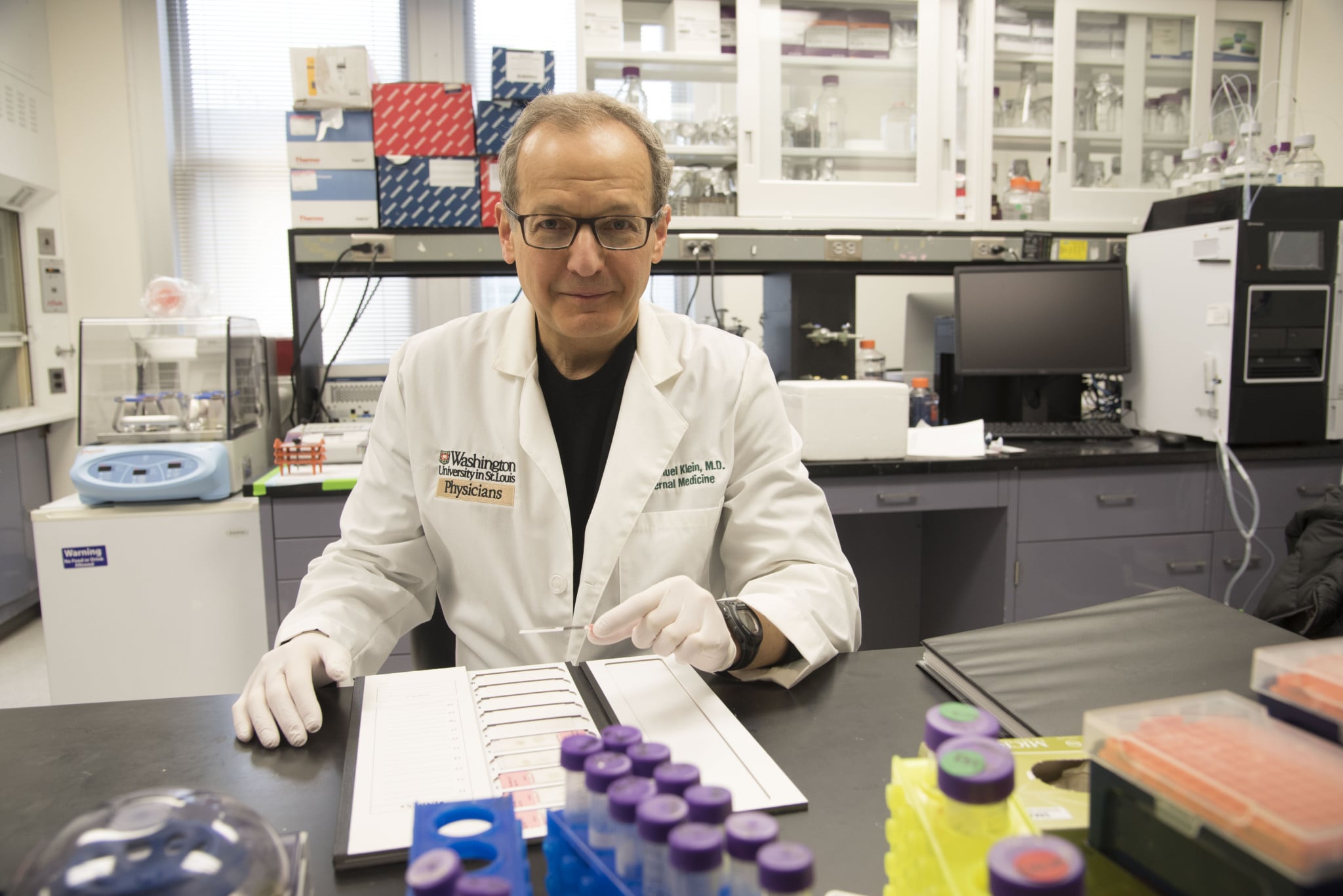
The economic and clinical burden of obesity-related diseases is immense. Metabolic dysfunction-associated steatotic liver disease (MASLD), formerly known as non-alcoholic fatty liver disease (NAFLD), is now a leading cause of liver transplantation worldwide. Klein’s research has been instrumental in showing that even modest weight loss—as little as 5% to 10% of total body weight—can lead to a significant reduction in liver fat and a marked improvement in multi-organ insulin sensitivity.
Data from Klein’s various clinical trials have shown that:
- Adipose tissue is not just a storage depot but an active endocrine organ.
- Intra-abdominal (visceral) fat is more strongly associated with metabolic derangements than total body fat.
- The "quality" of adipose tissue, including its mitochondrial function and collagen content, plays a critical role in metabolic outcomes.
These findings have shifted the clinical focus from weight loss as a cosmetic or purely "total mass" goal to weight loss as a means of restoring systemic metabolic harmony.
Recognition and Official Responses from the Scientific Community
The nomination of Dr. Klein for the Outstanding Clinical Investigator Award was met with widespread support from his peers. Rexford S. Ahima, MD, PhD, director of the Division of Endocrinology, Diabetes, and Metabolism at Johns Hopkins University School of Medicine, provided a glowing endorsement of Klein’s contributions. Dr. Ahima described Klein as a "unique physician-scientist" whose ability to conduct complex studies in human subjects has been vital to understanding the pathogenesis and pathophysiology of obesity.
The Endocrine Society, which represents more than 18,000 physicians and scientists worldwide, views the Laureate Awards as the pinnacle of achievement in the field. The Outstanding Clinical Investigator Award, specifically, is reserved for those who have made significant contributions to the understanding of endocrine disorders through clinical research. By naming Klein a 2026 Laureate, the Society acknowledges the global impact of his work on public health policy and clinical guidelines for the management of obesity and diabetes.
In his own reflections on the award, Dr. Klein emphasized that the honor belongs to his entire team. He noted that the recognition validates the importance of "multi-organ system biology" and the need to study humans directly to gain the most accurate insights into disease progression.
Broader Impact and the Future of Metabolic Science
The implications of Dr. Klein’s research extend far beyond the laboratory. His findings have influenced the way physicians talk to their patients about weight. Instead of focusing solely on the scale, clinicians are increasingly looking at metabolic markers, such as liver enzymes, lipid profiles, and blood glucose levels, to assess health.
Klein’s work also provides a cautionary tale for the next generation of scientists. In his advice to aspiring investigators, he stresses the importance of intellectual humility. "It is important to follow the data and not become personally invested in a particular hypothesis," Klein stated. This commitment to objective truth is what has allowed his research to remain relevant as new technologies and theories have emerged over the last three decades.
Looking forward, the research conducted by Dr. Klein and his colleagues at Washington University will likely play a role in the development of "precision nutrition." As the medical community moves toward personalized treatment plans, the data generated by Klein’s lab will help determine which dietary and pharmacological interventions are best suited for an individual’s specific metabolic profile.
As he prepares to receive the award in 2026, Dr. Klein continues to be active in his research, seeking to solve the remaining puzzles of human metabolism. While he admits a desire to have developed more hobbies outside of his professional life—citing exercise and true crime novels as his current escapes—his dedication to his field has left an indelible mark on medicine. His career serves as a testament to the power of persistent, high-quality clinical investigation in the fight against the world’s most pressing metabolic health challenges.
