








The intersection of industrial forestry and chemical management has reached a critical juncture as environmental advocates and ecologists raise alarms over the widespread application of glyphosate in forest regeneration. Traditionally, the life cycle of a forest is defined by a rhythmic transition from death to renewal, where a fallen tree becomes a nurse log, providing a nutrient-rich substrate for new seedlings and a habitat for a myriad of decomposers. This natural process facilitates a complex web of biodiversity, including fungal networks that connect plant species beneath the soil. However, the modern industrial forestry model has increasingly replaced these self-sustaining ecosystems with managed plantations, where chemical herbicides are deployed to eliminate native vegetation in favor of commercial timber species. This shift, driven by the pursuit of maximized logging profits, has prompted a rigorous debate regarding the long-term ecological viability of "conifer release" programs and the systemic use of glyphosate in the wild.
The Ecological Mechanics of Natural Regeneration
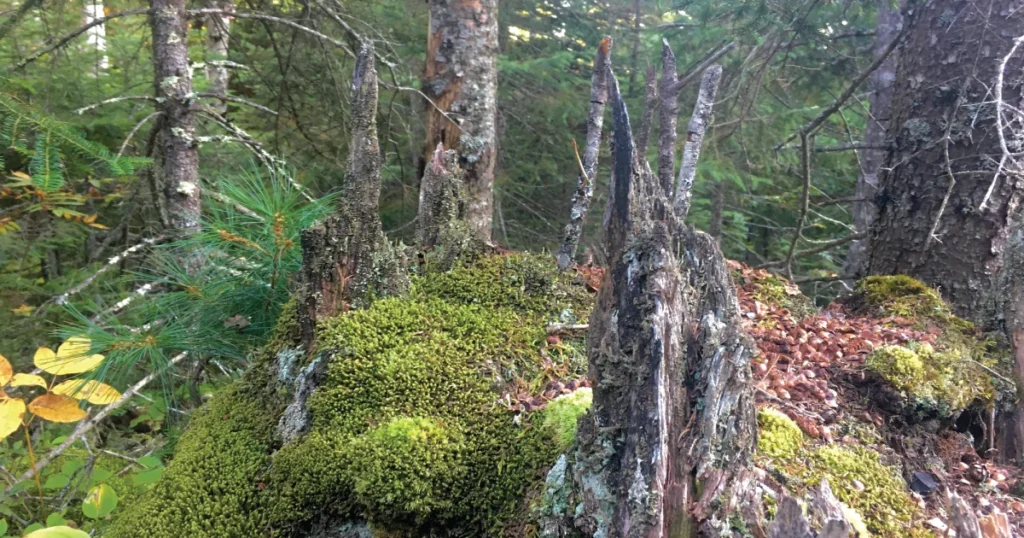
To understand the impact of chemical intervention, one must first examine the baseline of natural forest succession. In a healthy, unmanaged forest, the death of a canopy tree is not an end but a catalyst. As the tree falls, it creates a light gap in the canopy, allowing sun-drenched patches to reach the forest floor. The fallen trunk, or nurse log, retains moisture and provides a steady supply of nitrogen and phosphorus as it decays. Seedlings that establish themselves on these logs are often more resilient than those in the mineral soil, as they are elevated above certain soil-borne pathogens and have immediate access to a concentrated nutrient source.
Beneath the surface, the forest is governed by a symbiotic relationship known as the mycorrhizal network. Fungal threads, or hyphae, penetrate the root cells of various plants, creating a biological highway. Through this network, trees and shrubs exchange carbon, water, and chemical signals. Research indicates that even species often dismissed as "weeds" by the logging industry, such as birch, alder, and raspberry, play vital roles in this network. They contribute to soil stabilization, nutrient cycling, and provide food and shelter for wildlife. When a forest is allowed to regenerate naturally, it develops a heterogeneous structure that is resilient to pests, diseases, and climatic shifts.

The Transition to Industrial Silviculture
The industrial plantation model operates on a different set of priorities. Rather than fostering a diverse ecosystem, the goal is to produce a uniform crop of high-value conifers—such as spruce, pine, or fir—in the shortest possible timeframe. This process begins with clear-cutting, followed by the planting of seedlings in structured rows. To ensure these seedlings grow without competition for sunlight and soil nutrients, the industry employs "conifer release" strategies.
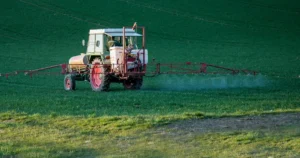
The primary tool in this strategy is glyphosate, a broad-spectrum systemic herbicide. Glyphosate works by inhibiting the shikimate pathway, a metabolic route used by plants, fungi, and bacteria to synthesize essential amino acids. Because humans and animals do not possess this pathway, the chemical has long been marketed as safe for use in proximity to wildlife. However, its effect on the forest floor is absolute. By targeting deciduous trees and broadleaf plants, glyphosate effectively resets the successional clock of the forest, leaving behind a landscape dominated by a single age class and a limited number of species.
A Chronology of Glyphosate Use in Forestry
The history of glyphosate in silviculture is marked by increasing reliance and shifting regulatory landscapes.
- 1974: Glyphosate is first brought to market by Monsanto under the trade name Roundup. While initially used in agriculture, its potential for controlling "competing" vegetation in forestry is quickly identified.
- 1980s: Provincial and state forestry agencies across North America begin integrating herbicide spraying into standard reforestation protocols. The "free-to-grow" standard becomes a regulatory requirement, mandating that planted conifers must be free from deciduous competition within a certain timeframe.
- 1990s – 2000s: The use of aerial spraying becomes the norm for large-scale operations. Tens of thousands of hectares are treated annually. During this period, the first significant scientific pushback emerges, with researchers questioning the impact on moose browse and songbird habitats.
- 2015: The International Agency for Research on Cancer (IARC), a branch of the World Health Organization, classifies glyphosate as "probably carcinogenic to humans." This sparks a wave of litigation and public outcry, though many national regulators, including Health Canada and the U.S. EPA, maintain that the chemical is safe when used according to label instructions.
- 2020 – 2025: Several jurisdictions, including Quebec, have moved to ban or severely restrict the use of herbicides in public forests, opting instead for manual brushing. However, in other regions, the volume of glyphosate used in forestry continues to rise as companies seek to offset the losses from wildfires and pest infestations with faster growth cycles.
Supporting Data: The Impact on Biodiversity and Soil Health
The quantitative cost of chemical forestry is reflected in both soil chemistry and species counts. A study published in the journal Scientific Reports highlighted that glyphosate significantly decreases fungal connections in the soil. Specifically, the abundance of arbuscular mycorrhizal fungi—the primary partners for many forest plants—can drop by up to 40% in treated areas. This disruption limits the ability of the remaining conifer seedlings to access deep-well water during droughts, potentially making them more vulnerable to the very environmental stresses the industry hopes to mitigate.
Furthermore, the "grey wasteland" described by environmental groups is supported by botanical surveys. In the first three years following a glyphosate application, the biomass of deciduous shrubs and herbaceous plants can be reduced by 70% to 90%. This has a cascading effect on the local fauna. For example, moose and deer rely on the "pioneer" species like willow and aspen for winter forage. When these are eliminated, the carrying capacity of the land for large ungulates drops significantly.
From a carbon sequestration perspective, while conifer plantations grow quickly, they often fail to match the total ecosystem carbon storage of a diverse natural forest. Natural forests store vast amounts of carbon in the soil and woody debris; by contrast, the frequent disturbance and chemical suppression in plantations prevent the accumulation of long-term soil organic matter.
Official Responses and Industry Perspectives
The logging industry maintains that the use of glyphosate is a necessary component of modern sustainable forest management. Representatives from major timber corporations argue that without herbicide intervention, many replanted sites would be overtaken by fast-growing deciduous brush, leading to a "failure to reforest" and a subsequent shortage of timber for future generations.
"We are tasked with ensuring a stable supply of wood fiber while meeting strict government standards for reforestation," stated a spokesperson for a leading forestry association in a recent industry forum. "Glyphosate is a proven tool that allows us to meet these standards efficiently. It is one of the most studied chemicals in the world, and its use in forestry is highly regulated to protect water sources and sensitive habitats."
Conversely, Indigenous communities and environmental organizations like the Wilderness Committee argue that the industry’s definition of "productivity" is too narrow. They contend that the focus on "logging profits" ignores the "natural capital" of a healthy forest. Many Indigenous groups have called for a moratorium on aerial spraying, citing the loss of traditional food sources and medicinal plants, as well as the potential for chemical runoff into salmon-bearing streams.
Broader Implications: Wildfire Risk and Climate Change
One of the most pressing concerns regarding the elimination of deciduous trees is the impact on wildfire behavior. Deciduous species like aspen and birch have higher moisture content in their leaves and lack the volatile resins found in conifers. In a natural forest, these species often act as "green breaks," slowing the spread of fire.
By using glyphosate to create vast monocultures of conifers—essentially "standing fuel"—the industry may be inadvertently increasing the risk of catastrophic wildfires. Data from recent fire seasons suggests that plantations of a uniform age and species are more susceptible to "crown fires," which are harder to control and more destructive to the soil than ground fires in diverse forests.
The fact-based analysis of the situation suggests that the current trajectory of chemical-dependent silviculture is a trade-off. While it may provide a short-term boost in timber yield and corporate profitability, it does so at the expense of ecological resilience. The removal of the "nurse log" cycle and the suppression of the mycorrhizal network fundamentally alters the forest’s ability to function as a living system.
Conclusion and Future Outlook
As the global community moves toward more stringent biodiversity targets, the practice of "poisoning nature" for timber efficiency is likely to face increasing legal and social pressure. The transition toward "intensive" forest management through chemical means represents a departure from the biological realities of the forest floor. The long-term implications for soil health, wildlife habitat, and fire safety remain a subject of intense scientific scrutiny.
The debate over glyphosate in forestry is ultimately a debate over the definition of a forest. Is it a complex, self-regenerating ecosystem where death feeds life, or is it a simplified industrial landscape designed for the extraction of a single commodity? As the data continues to accumulate, the pressure on policymakers to find a middle ground—one that prioritizes both the economic needs of the logging industry and the biological integrity of the natural world—will only intensify. For now, the "toxic tradeoff" remains a defining feature of the modern wilderness.