As the days lengthen and the vibrancy of spring begins to emerge, many individuals turn their attention towards personal wellness goals, often prioritizing physical fitness and dietary improvements. This seasonal shift frequently inspires a renewed commitment to health, with dieting and weight management becoming prevalent objectives. However, the path to successful weight loss is rarely linear, and establishing a robust foundation for dietary success begins long before the first workout session. A meticulously curated grocery list, particularly one optimized for strategic snacking, is paramount. The role of intelligent snacking cannot be overstated, especially when considering the potential pitfalls of impulsive eating, such as late-night consumption, which can swiftly undermine a carefully planned calorie deficit.
The Modern Snacking Predicament: A Call for Change
Snacking has evolved considerably in modern dietary patterns. Historically, snacks might have been simple, whole foods consumed out of genuine hunger between meals. Today, the landscape is dominated by a vast array of ultra-processed, convenient options often high in refined carbohydrates, added sugars, and unhealthy fats, yet remarkably low in essential nutrients. This ubiquitous availability, coupled with aggressive marketing, has normalized frequent, often mindless, snacking. The consequence is a significant contribution to excess caloric intake without providing sustained satiety or adequate nutritional value, a key factor in the global rise of obesity and diet-related chronic diseases. As consumers increasingly seek effective and sustainable methods for weight management, the distinction between detrimental and beneficial snacking becomes critically important.
To navigate this complex environment and empower individuals to make informed choices, we consulted Dr. Kezia Joy, RDN, a distinguished Medical Advisor with Welzo. Dr. Joy emphasizes that effective weight loss is not merely about restriction but about strategic nourishment, where every food choice contributes positively to one’s health objectives. She underscores the significance of preparing for success by stocking one’s kitchen with nutrient-dense options that support satiety and metabolic balance. Dr. Joy has identified five specific snack recommendations that stand out for their efficacy in supporting weight loss, advocating for their inclusion in any health-conscious grocery list. These aren’t just suggestions; according to Dr. Joy, they represent the core of what constitutes an effective weight-loss-supportive snack.
Expert Guidance: Dr. Kezia Joy’s Strategic Approach to Snacking
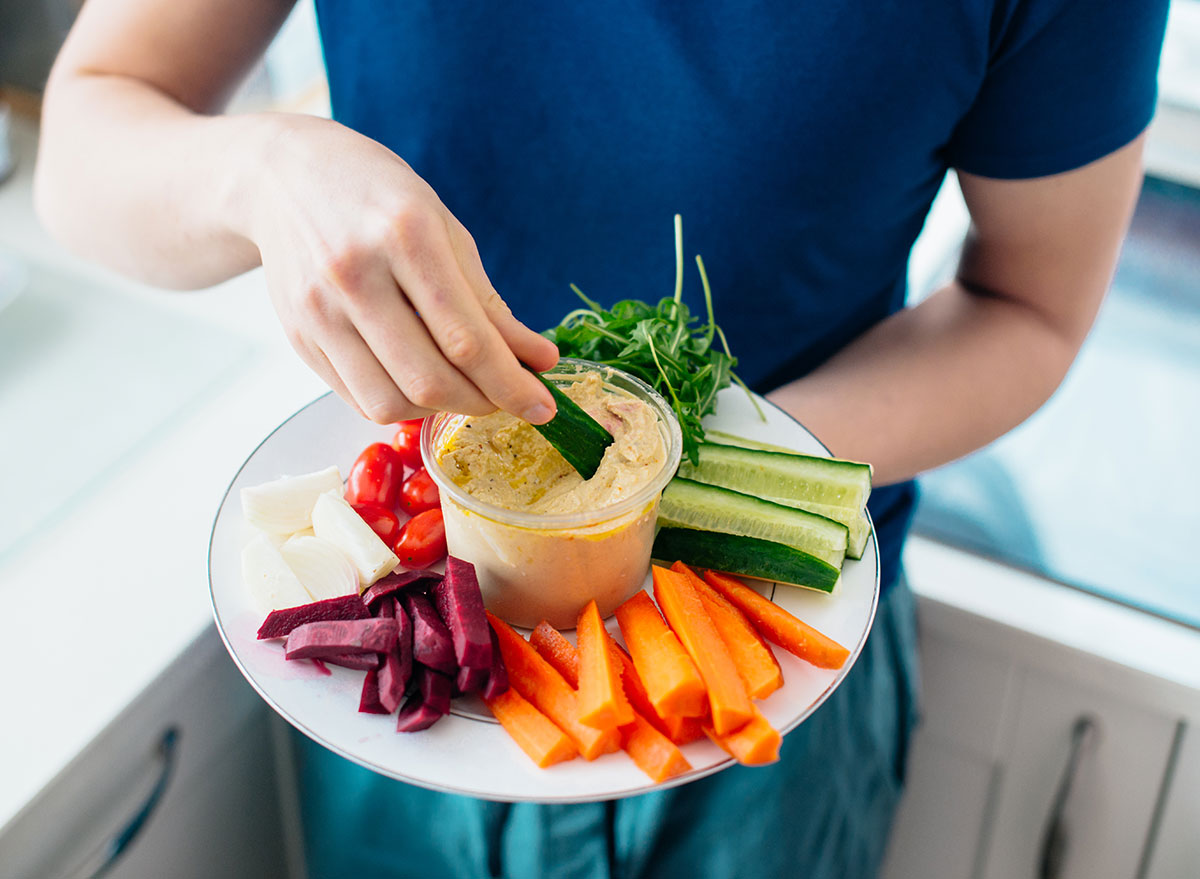
Dr. Joy’s philosophy centers on the idea that snacks should be purposeful, contributing to nutritional needs rather than merely staving off temporary cravings with empty calories. Her recommendations are designed to be easily integrated into daily routines, offering convenience without compromising on health benefits. The underlying principle is to select foods that provide a high volume of nutrients per serving, ensuring sustained fullness and energy without excessive caloric intake. This approach helps to prevent the feeling of deprivation often associated with dieting, fostering long-term adherence to healthier eating patterns.
"Each of these options allows for quick preparation, can be easily incorporated into your daily routine, and will allow you to have a variety of options as you work on losing weight, and help keep you from feeling like you’re being deprived by eating a ‘snack’," Dr. Joy explains. "When you eat snacks that are good for you and allow you to meet your nutritional needs, but also limit the amount of calories you consume, you are more likely to continue to make good choices over time." This perspective shifts the focus from avoiding "bad" foods to embracing "good" ones, making the weight loss journey feel more empowering and less restrictive.
The Five Pillars of Weight-Loss Snacking: Detailed Breakdown
Dr. Joy’s five recommended snacks are carefully selected for their balanced nutritional profiles, emphasizing protein, fiber, and healthy fats—the triumvirate for satiety and metabolic health.
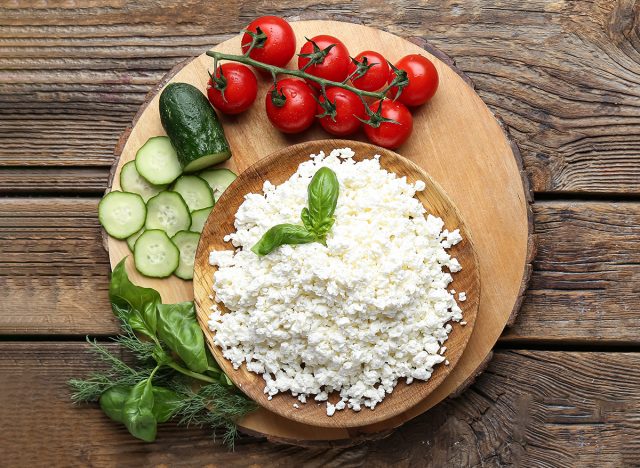
1. Cottage Cheese with Vegetables: A Protein Powerhouse
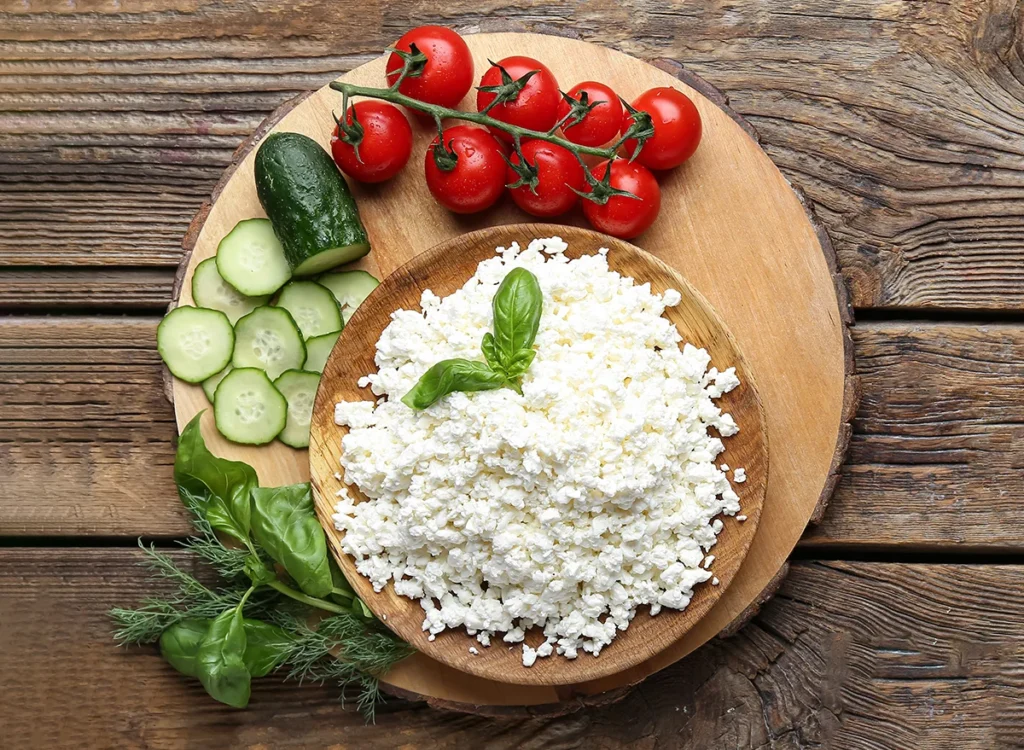
Cottage cheese is a nutritional marvel, particularly lauded for its high protein content. A single serving can provide a substantial amount of casein protein, a slow-digesting protein that promotes prolonged satiety and supports muscle maintenance, which is crucial during weight loss to preserve lean body mass. Beyond protein, cottage cheese is a good source of calcium, phosphorus, selenium, and B vitamins. When paired with fresh, raw vegetables such as cucumber slices, bell pepper strips, cherry tomatoes, or carrot sticks, it transforms into a fiber-rich, vitamin-packed snack. The vegetables add volume and a satisfying crunch, contributing to feelings of fullness while delivering essential micronutrients and antioxidants. This combination offers a low-calorie yet highly nutritious option that can curb hunger effectively between meals. The versatility of vegetables allows for endless variations, preventing palate fatigue.
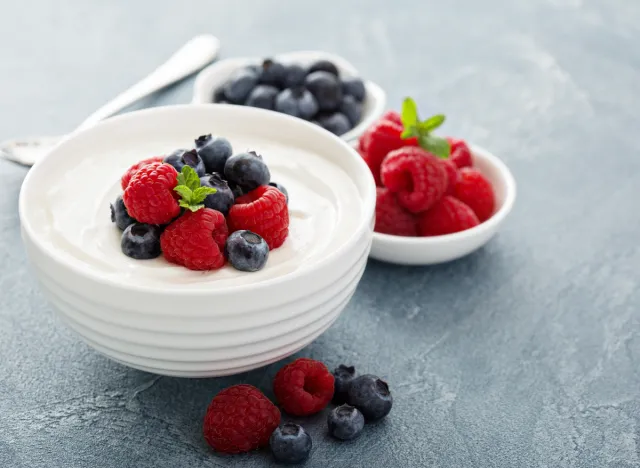
2. Greek Yogurt with Fresh Berries: Probiotic & Antioxidant Boost
Greek yogurt, renowned for its thick texture and tangy flavor, is another excellent source of protein, often containing twice the amount found in regular yogurt. Its fermentation process also imbues it with beneficial probiotics, which play a vital role in gut health—an increasingly recognized factor in weight management and overall well-being. The protein in Greek yogurt helps to stabilize blood sugar levels and keep hunger at bay. Complementing it with fresh berries (strawberries, blueberries, raspberries, or blackberries) introduces a burst of natural sweetness, dietary fiber, and a potent dose of antioxidants. Berries are low in calories but rich in vitamins (especially Vitamin C) and phytonutrients, which combat oxidative stress. This vibrant snack provides a satisfying balance of protein, healthy carbohydrates, and fiber, making it an ideal choice for sustained energy and digestive health.
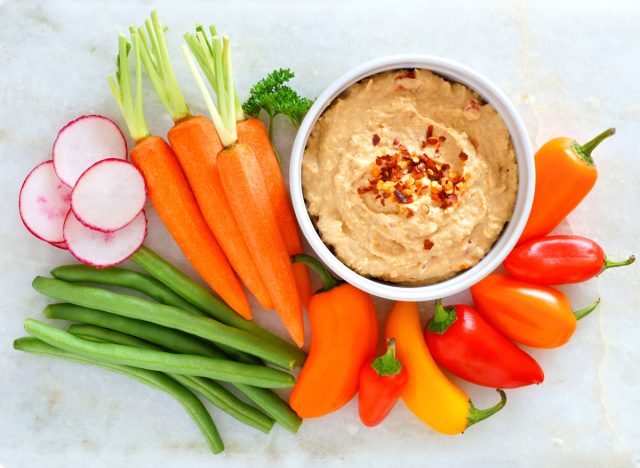
3. Hummus with Raw Vegetables: Fiber-Rich & Satisfying
Hummus, a dip made from mashed chickpeas, tahini (sesame paste), lemon juice, and garlic, is a fantastic source of plant-based protein and dietary fiber. Chickpeas are legumes known for their ability to promote satiety and aid in blood sugar regulation due to their complex carbohydrate and fiber content. Tahini contributes healthy monounsaturated and polyunsaturated fats, further enhancing the snack’s ability to keep you feeling full and satisfied. Dipping raw vegetables like carrots, celery, bell peppers, or snap peas into hummus provides a crunchy, flavorful, and nutrient-dense experience. This pairing maximizes fiber intake, which is critical for digestive health and slowing nutrient absorption, thus preventing rapid spikes and crashes in blood glucose. Hummus with veggies is an excellent option for those seeking a savory, substantial snack that supports energy levels and digestive regularity.
4. An Ounce of Nuts with a Piece of Fruit: Healthy Fats & Natural Sugars
Nuts, such as almonds, walnuts, or pistachios, are nutritional powerhouses, offering healthy fats (monounsaturated and polyunsaturated), protein, and fiber. Despite their caloric density, studies suggest that nuts can be highly beneficial for weight management due to their satiating properties. The combination of fats, protein, and fiber slows digestion and helps to regulate appetite. When portioned correctly (an ounce is roughly a small handful), nuts provide sustained energy. Pairing them with a piece of fresh fruit, like an apple, orange, or a small banana, adds natural sugars for a quick energy boost, along with additional fiber, vitamins, and antioxidants. This snack is convenient, portable, and delivers a synergistic blend of macro- and micronutrients that satisfy both hunger and a craving for something sweet, all while avoiding processed alternatives.
5. Protein-Packed Smoothies: Customizable Nutrition
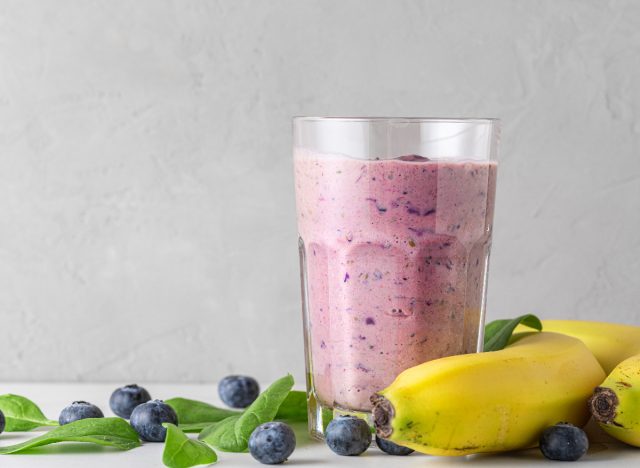
Smoothies offer incredible versatility, allowing for a concentrated delivery of nutrients from whole food ingredients. Dr. Joy advocates for smoothies made with a base of unsweetened liquid (water, almond milk, or coconut water), a source of protein (protein powder, Greek yogurt, or cottage cheese), leafy greens (spinach, kale), and a small amount of fruit for natural sweetness and fiber. Adding healthy fats like avocado or chia seeds further enhances satiety and nutrient absorption. The key is to prioritize whole foods and minimize added sugars. A well-constructed smoothie can serve as a complete mini-meal or a highly effective snack, providing a quick, easy, and customizable way to meet protein, fiber, and vitamin requirements. This option is particularly beneficial for those with busy schedules or who find it challenging to consume enough fruits and vegetables in their daily diet.
The Science of Satiety: Protein, Fiber, and Healthy Fats
The efficacy of Dr. Joy’s recommended snacks is rooted in the physiological impact of three essential macronutrients: protein, fiber, and healthy fats. Protein is the cornerstone, known for its high thermic effect, meaning the body expends more energy to digest it compared to carbohydrates or fats. More importantly, protein triggers the release of satiety hormones like cholecystokinin (CCK) and peptide YY (PYY), which signal fullness to the brain, significantly reducing appetite. This leads to decreased overall calorie intake.
Fiber, particularly soluble fiber found in fruits, vegetables, and legumes, forms a gel-like substance in the digestive tract, slowing down gastric emptying and nutrient absorption. This prolonged digestion contributes to a feeling of fullness for longer periods and helps to stabilize blood glucose levels, preventing the sharp peaks and troughs that often lead to subsequent cravings. Furthermore, fiber supports a healthy gut microbiome, which is increasingly linked to metabolic health and weight regulation.
Healthy fats, while calorie-dense, are crucial for hormone production, nutrient absorption, and contributing to satiety. They slow down the emptying of the stomach, extending the feeling of fullness and reducing the urge to snack again shortly after. Monounsaturated and polyunsaturated fats, found in nuts, seeds, and avocados, also offer anti-inflammatory benefits and support cardiovascular health. The synergistic action of these three components ensures that the recommended snacks not only satisfy hunger but also contribute meaningfully to the body’s nutritional needs and metabolic balance.
Beyond Calories: The Critical Role of Nutrient Density
A significant distinction between Dr. Joy’s recommended snacks and many conventional options lies in their nutrient density. "Most snack foods are designed so that we can eat too much of them with very little nutritional value. Therefore, when you choose to eat one of the snacks I recommend, the calories will provide satiety, or fullness," Dr. Joy states. Typical processed snacks, often found in brightly colored packaging, are engineered for palatability and quick digestion, leading to a temporary energy spike followed by a crash, prompting further consumption. These items frequently offer "empty calories" – calories devoid of significant vitamins, minerals, fiber, or protein. In contrast, the dietitian-approved snacks provide a high volume of essential nutrients per calorie, ensuring that the body receives what it needs to function optimally while simultaneously managing caloric intake. This focus on nutrient density over mere calorie counting is a fundamental shift towards sustainable weight management and improved overall health.
Strategic Snacking: Optimizing Timing for Sustained Energy and Hunger Control
The timing of snacks is often overlooked but plays a crucial role in effective weight management. "Snacks at appropriate times may prevent an interval of time from one meal to another in which individuals are likely to consume excess calories due to a large gap in time since the last meal. Snacking maintains consistent levels of energy throughout the day," Dr. Joy explains.
A common scenario is the mid-afternoon slump, where energy levels dip, and cravings for sugary or high-fat foods intensify. A strategically timed, balanced snack during this period can stabilize blood glucose, prevent an energy crash, and significantly reduce the likelihood of reaching for unhealthy sweet treats or overeating at the subsequent main meal. By bridging the gap between lunch and dinner, a smart snack prevents extreme hunger, allowing for more mindful and controlled eating during meals.
Evening snacking, traditionally a problematic area for many, also benefits from a strategic approach. Dr. Joy advises that "Evening snacking should be purposeful (not routine) and based on your body’s need for food as opposed to just eating out of habit. Protein-based snacks are usually the best choice." This highlights the importance of distinguishing between genuine physiological hunger and habitual or emotional eating. If an evening snack is genuinely needed to prevent discomfort or support muscle recovery (e.g., after an intense workout), a protein-rich option can be beneficial. However, mindlessly grazing in front of the television, driven by boredom or stress rather than hunger, is a common pitfall that can easily derail weight loss efforts.
The Downfall of Conventional Snacking: A Cautionary Tale
The vast majority of commercially available snacks undermine weight loss goals because they are formulated to be hyper-palatable and easily digestible, leading to minimal satiety. These products, often loaded with refined carbohydrates and added sugars, provide a quick burst of energy but fail to sustain it. "They’re easily digested, but do little to suppress our desire for additional food," Dr. Joy observes. This rapid digestion and lack of satiating components create a vicious cycle where individuals consume more calories without ever feeling truly full, leading to an insidious accumulation of excess energy. Moreover, the high sugar content contributes to blood glucose spikes and crashes, exacerbating hunger and cravings. The nutritional void in these snacks means that while calories are consumed, the body remains deprived of essential micronutrients, signaling a continued need for food. This makes it incredibly easy to overeat, turning an innocent snack into a significant caloric burden.
Cultivating Sustainable Habits: Long-Term Health Implications
Adopting Dr. Joy’s recommended snacking habits extends far beyond short-term weight loss. By consistently choosing nutrient-dense snacks, individuals are not just managing their waistlines; they are investing in their overall health. These choices contribute to:
- Improved Blood Glucose Control: Stable blood sugar levels reduce the risk of insulin resistance, type 2 diabetes, and associated complications.
- Enhanced Energy Levels: Consistent nutrient intake prevents energy dips, supporting sustained focus and productivity throughout the day.
- Better Digestive Health: High fiber intake promotes regular bowel movements and feeds beneficial gut bacteria, crucial for a healthy microbiome.
- Reduced Risk of Chronic Diseases: A diet rich in whole foods, fiber, and healthy fats is protective against cardiovascular disease, certain cancers, and other chronic conditions.
- Mindful Eating Practices: The deliberate choice of nourishing snacks encourages a more conscious approach to food, fostering a healthier relationship with eating and reducing emotional or mindless consumption.
The shift from "mindless snacking" to "purposeful nourishment" is a powerful one. It reframes snacking not as a diet compromise but as an integral component of a holistic health strategy. By incorporating these dietitian-approved options, individuals can transform a common dietary challenge into a significant asset on their journey to sustainable weight loss and improved well-being.
Conclusion: Empowering Healthier Choices
As spring ushers in a period of renewed aspirations for health and fitness, the strategic integration of dietitian-approved snacks stands out as a practical and highly effective pathway to achieving weight management goals. Dr. Kezia Joy’s expert recommendations for cottage cheese with vegetables, Greek yogurt with fresh berries, hummus with raw vegetables, nuts with fruit, and protein-packed smoothies provide a clear blueprint for combating mindless eating. These choices are not merely about calorie reduction; they embody a sophisticated understanding of satiety, blood glucose regulation, and nutrient density. By prioritizing protein, fiber, and healthy fats, these snacks empower individuals to control hunger, stabilize energy levels, and foster a sustainable approach to healthier living. Ultimately, equipping one’s kitchen with these five picks is more than just a grocery list optimization; it is an investment in long-term health, vitality, and empowered dietary decision-making.