
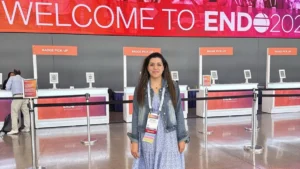








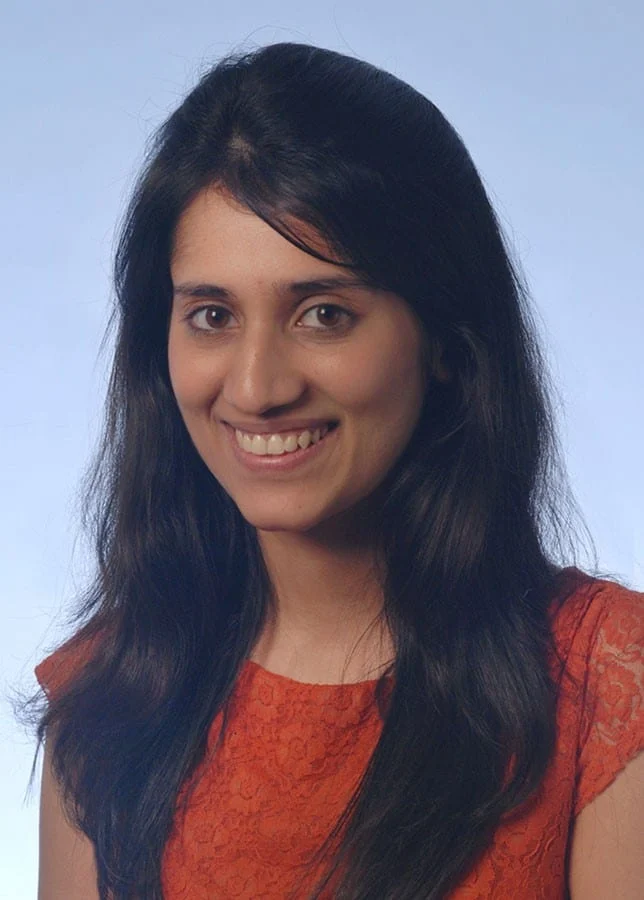
The clinical landscape of obesity management is undergoing a significant paradigm shift, moving away from a purely metrics-driven approach toward a more nuanced, patient-centric model. Dr. Zeb I. Saeed, an adult endocrinologist at Brigham and Women’s Hospital and a member of the steering committee for the Endocrine Society’s Early Career Special Interest Group (SIG), has recently articulated a set of three foundational principles designed to guide clinicians through the complexities of obesity care. As the medical community grapples with the rising prevalence of metabolic disorders and the advent of highly potent pharmacological interventions, Dr. Saeed’s framework emphasizes the necessity of reframing the patient-provider narrative to ensure long-term success and psychological well-being.
Dr. Saeed, who also serves as an instructor of medicine at Harvard Medical School, argues that while traditional medical training provides a robust foundation in physiology and pharmacology, it often falls short in preparing clinicians for the "human experience" of obesity. Patients frequently present with decades of internalized shame and societal blame, necessitating a clinical approach that prioritizes empathy and biological understanding over simple caloric calculations.
The Evolution of Obesity Perception in Modern Medicine
The historical context of obesity treatment has often been marred by a misunderstanding of its etiology. For decades, both the public and segments of the medical community viewed body weight as a moral failing or a lack of discipline. However, the American Medical Association (AMA) officially recognized obesity as a chronic disease in 2013, a milestone that began to shift the clinical focus toward pathophysiology.

Despite this official recognition, the stigma remains pervasive. Dr. Saeed notes that many patients enter the clinical setting having been blamed for their body size for most of their lives. This psychological burden can hinder engagement and trust. In response, the Endocrine Society and its members are advocating for a strategy that addresses not just the weight itself, but the biological and environmental factors that drive it.
This shift comes at a critical time. According to the Centers for Disease Control and Prevention (CDC), the prevalence of obesity in the United States reached approximately 41.9% between 2017 and 2020. The associated medical costs are estimated to be nearly $173 billion annually. As the medical industry introduces new classes of medications, such as GLP-1 and GIP receptor agonists, the need for a standardized, compassionate clinical framework has never been more urgent.
Principle 1: Prioritizing Non-Scale Victories and Holistic Health
The first principle in Dr. Saeed’s framework involves a shift in focus from the numerical value on a scale to broader health outcomes. While Body Mass Index (BMI) remains a standard diagnostic tool, it is increasingly viewed as an incomplete metric of individual health. Dr. Saeed advocates for the identification of "non-scale victories" (NSVs) as primary markers of progress.
When patients set weight-loss goals, they are often seeking qualitative improvements in their daily lives rather than just a lower number. These goals frequently include:
- Increased Mobility: The ability to perform daily tasks without physical discomfort.
- Reduced "Food Noise": A decrease in the intrusive, obsessive thoughts about food that many patients with obesity experience.
- Improved Energy Levels: Reclaiming the vitality necessary for professional and personal engagement.
- Cardiometabolic Improvement: Enhancements in blood pressure, glucose levels, and lipid profiles.
By documenting these patient-defined goals in clinical notes and revisiting them during follow-up appointments, clinicians can maintain momentum even during weight-loss plateaus. Data suggests that patients who focus on functional improvements are more likely to adhere to long-term treatment plans compared to those who focus solely on weight. This collaborative approach transforms the clinical encounter from a transactional exchange into a partnership focused on the whole person.
Principle 2: Deconstructing the Willpower Myth and Removing Blame
A central tenet of Dr. Saeed’s approach is the deliberate removal of blame from the clinical conversation. Decades of societal messaging have reinforced the idea that weight management is a simple matter of willpower. Dr. Saeed highlights that by the time patients seek specialist help, they are often overwhelmed by guilt and a sense of personal failure.
Modern endocrinology provides the evidence necessary to dismantle this narrative. Obesity is influenced by a complex interplay of genetics, epigenetics, neurohormonal regulation, and environmental factors. Processes such as satiety and energy balance are biologically driven, largely controlled by the hypothalamus and the gut-brain axis.
"Satiety, food intake, and energy balance are biologically driven processes, not moral ones," Dr. Saeed asserts. Providing patients with this biological context can be transformative, often leading to a visible sense of relief. This reframing does not absolve the patient of accountability in their care; rather, it replaces counterproductive shame with scientific understanding. When patients understand that their biology is working against them, they are better equipped to partner with their physicians to utilize pharmacological and lifestyle interventions effectively.
Principle 3: Managing Obesity as a Chronic, Relapsing Condition
The third principle addresses the common misconception that obesity treatment is a "quick fix" or a temporary intervention. With the rise of weight-loss medications on social media, many patients believe they can use pharmacotherapy to "kick-start" weight loss and then discontinue the medication once a goal is reached.
Dr. Saeed emphasizes that obesity must be treated with the same long-term perspective as hypertension or hypothyroidism. Just as a physician would not discontinue an ACE inhibitor once a patient’s blood pressure normalizes, anti-obesity medications are often required indefinitely to manage the underlying chronic disease.
This perspective is supported by rigorous clinical trial data:
- STEP-1 Trial Extension: Results showed that after the withdrawal of semaglutide (Wegovy), participants regained a significant portion of their lost weight, illustrating that the biological drivers of obesity persist even after weight is lost.
- SURMOUNT-4 Trial: This study on tirzepatide (Zepbound) demonstrated that patients who switched to a placebo after an initial weight-loss period experienced a substantial reversal of their progress, while those who stayed on the medication continued to see benefits.
By establishing this chronic disease framework before the first prescription is written, clinicians can set realistic expectations. This prevents patients from viewing weight regain as a personal failure and instead helps them understand it as a biological response to the cessation of treatment.
Chronology of Dr. Saeed’s Academic and Clinical Contributions
Dr. Saeed’s insights are informed by an extensive background in medical education and clinical practice. Her career trajectory reflects a deep commitment to both patient care and the training of the next generation of physicians.
- 2019–2023: Served as an assistant professor of medicine at Indiana University. During this period, she held the role of associate clerkship director for the Internal Medicine Clerkship for four years.
- 2020–2024: Acted as the appointed key clinical educator for the Division of Endocrinology and the associate program director for the endocrinology fellowship at Indiana University.
- January 2025: Joined the faculty at Harvard Medical School and Brigham and Women’s Hospital in a new role as principal clinical experience (PCE) core faculty in the Medicine Core I Clerkship.
Throughout her tenure, Dr. Saeed has led numerous workshops at Academic Internal Medicine Week and has become a prominent voice in advocating for precision education and longitudinal assessment in medical training. Her focus on how clinicians are taught to perceive obesity is directly reflected in the patient-centric principles she advocates for today.
Broader Implications for Healthcare Systems and Society
The implementation of Dr. Saeed’s principles has implications that extend beyond the individual exam room. As more endocrinologists and primary care physicians adopt a person-centered approach, the broader medical culture may begin to see a reduction in weight bias. Research has shown that weight bias in healthcare can lead to delayed diagnoses, as symptoms are often attributed to a patient’s weight rather than explored for other underlying causes.
Furthermore, the "chronic disease" model of obesity has significant policy implications. It provides a scientific basis for insurance providers to offer long-term coverage for anti-obesity medications and nutritional counseling, moving away from the "lifestyle drug" designation that has historically limited patient access to care.
The Endocrine Society’s Early Career Special Interest Group, of which Dr. Saeed is a part, plays a vital role in disseminating these modern standards. By targeting clinicians early in their careers, the group aims to ensure that the future of endocrinology is defined by a sophisticated understanding of metabolic health that balances advanced pharmacology with empathetic, human-centered communication.
Conclusion: A New Standard for Endocrine Care
The framework proposed by Dr. Saeed—focusing on non-scale victories, removing blame, and treating obesity as a chronic condition—represents a maturation of obesity medicine. As the field continues to evolve with new research and therapies, these principles provide a steady compass for clinicians navigating the complexities of human biology and behavior.
Ultimately, the goal of these patient-centric strategies is to foster a relationship of mutual trust. When patients feel understood rather than judged, and when they view their health through the lens of biology rather than morality, the potential for sustained, long-term improvement in quality of life is greatly enhanced. Dr. Saeed’s approach serves as a call to action for the medical community to treat the person, not just the pathology, ensuring that the advancements in obesity science are matched by advancements in the quality of care.