


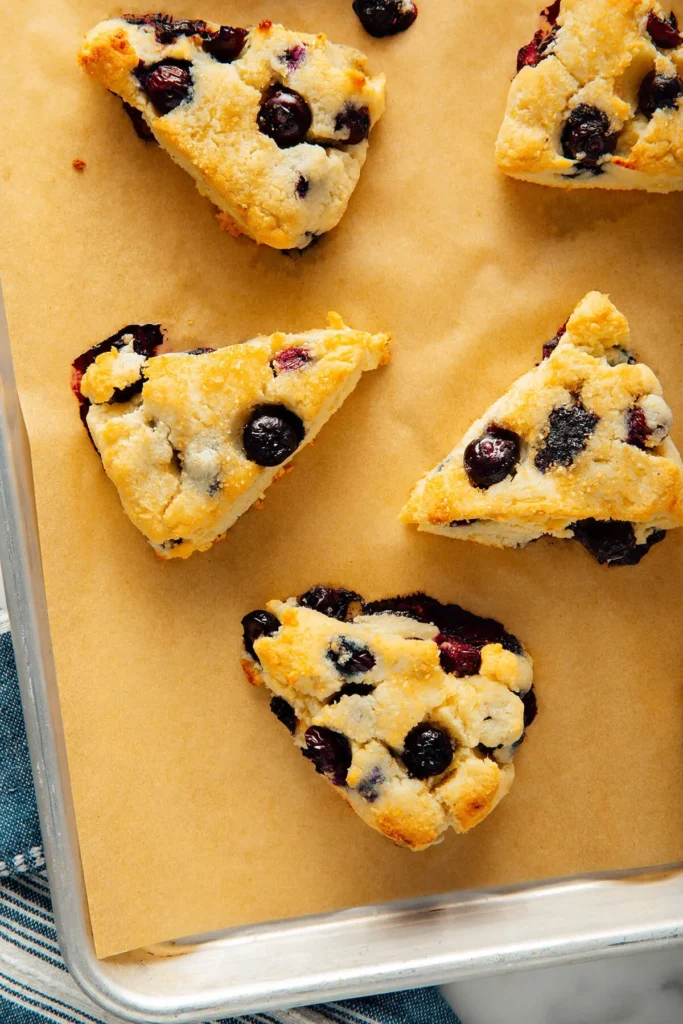
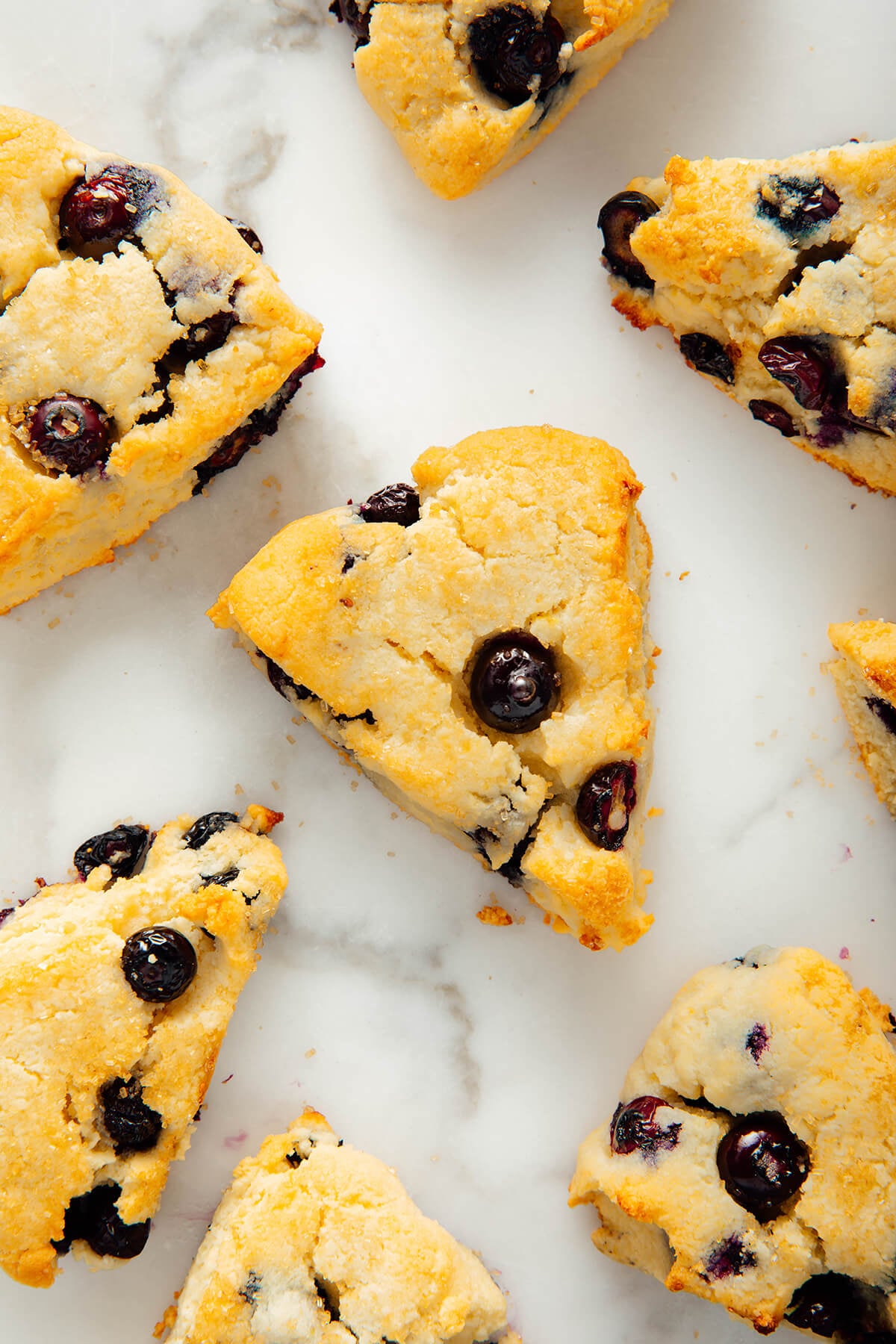
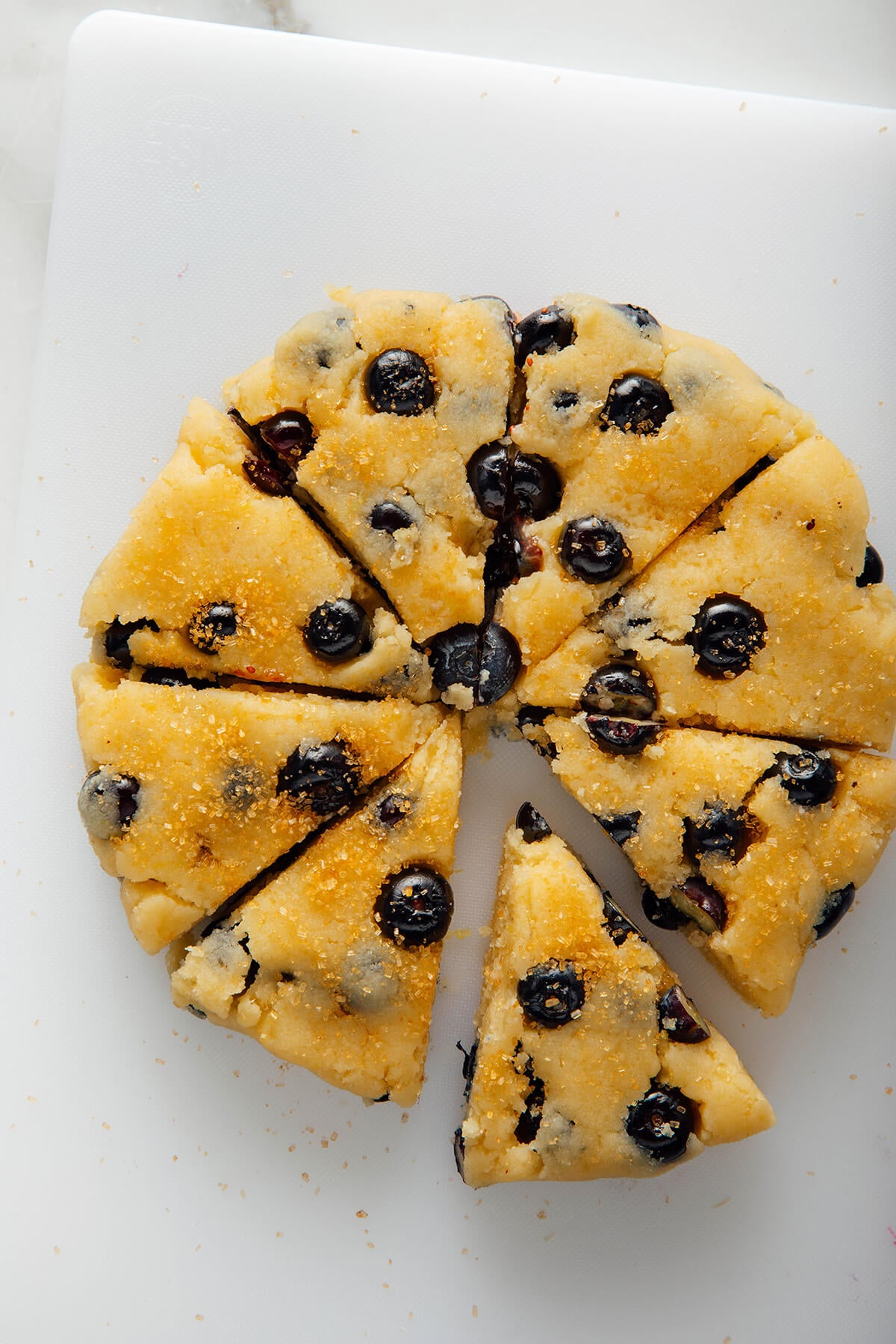
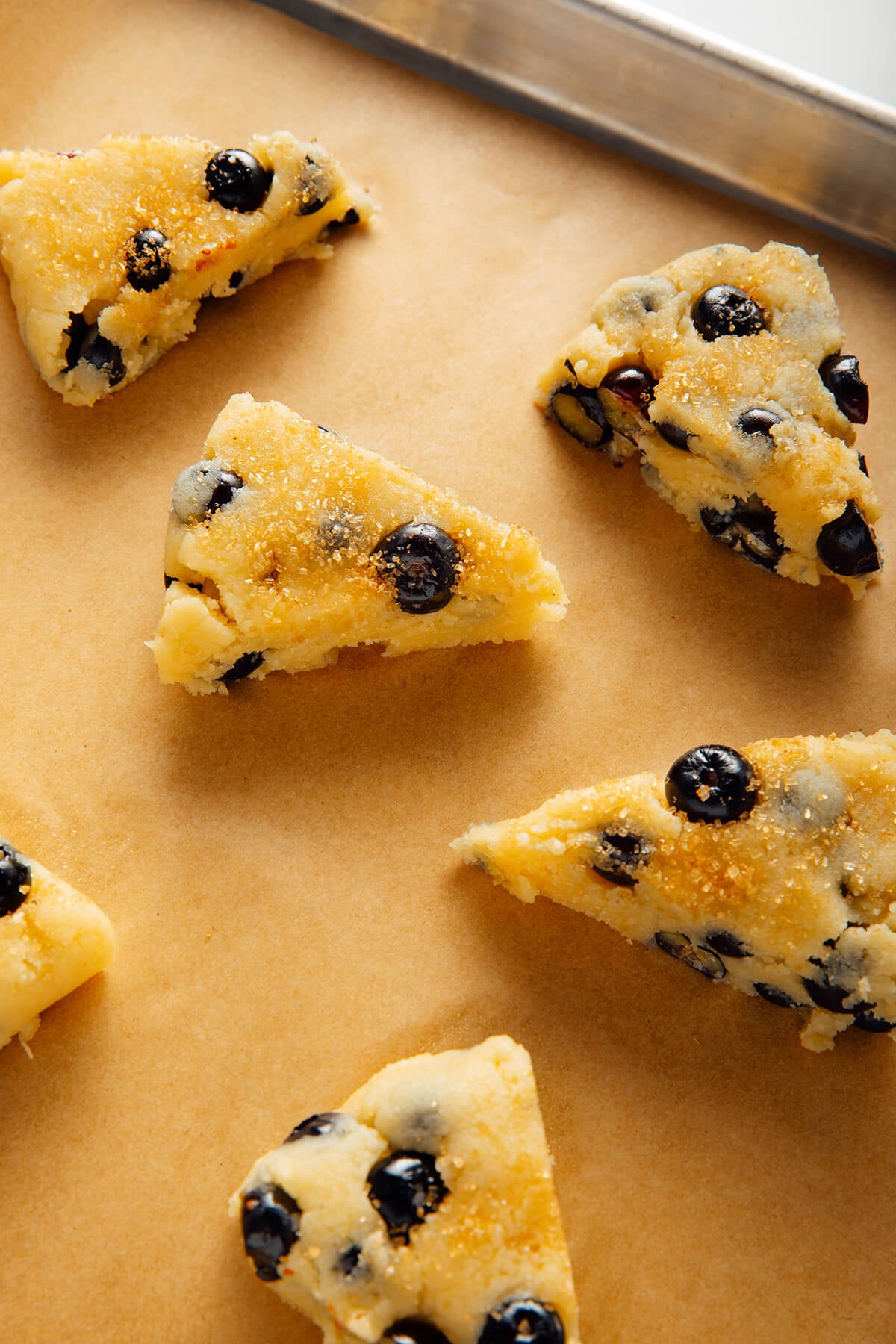
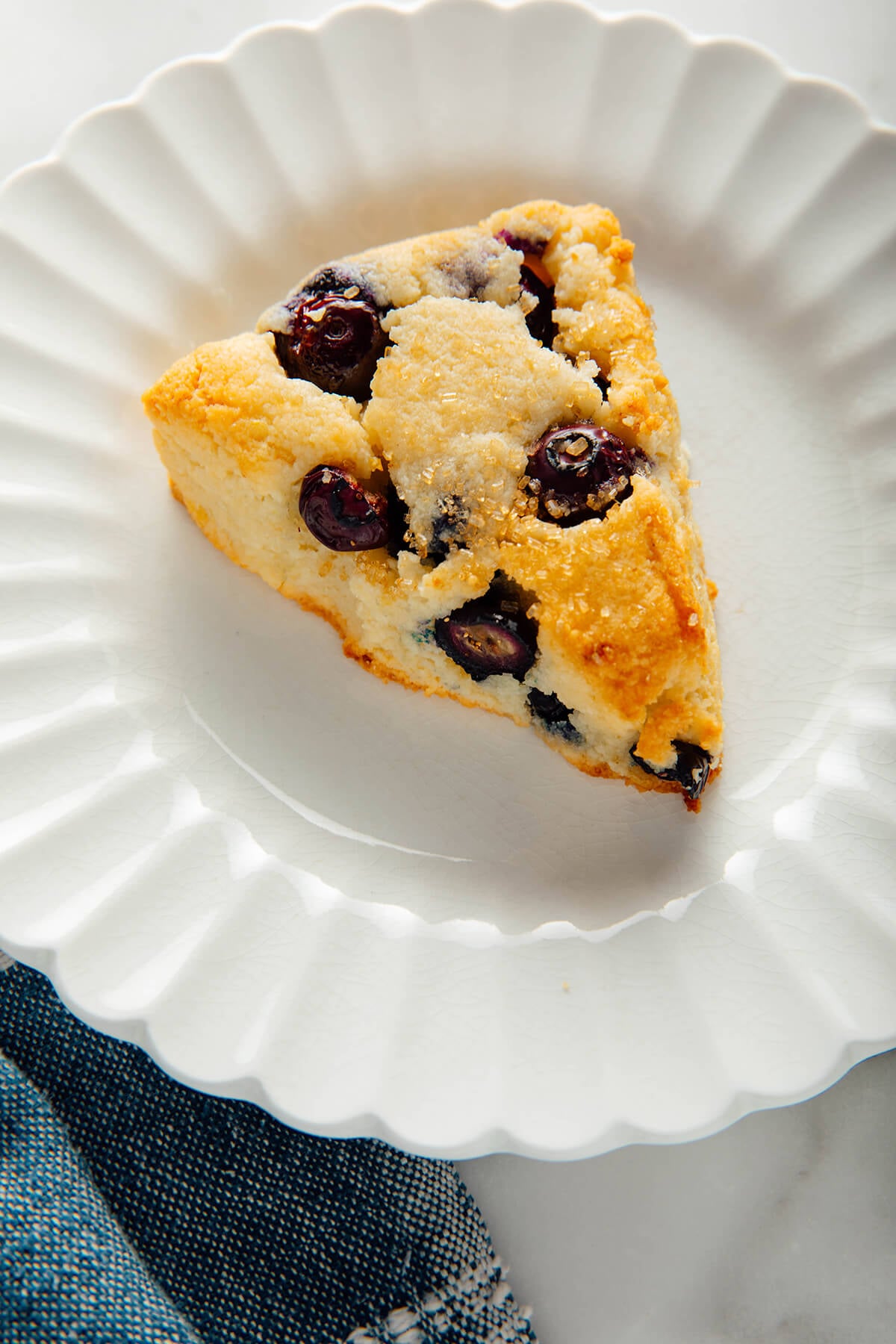
A groundbreaking new recipe for almond flour scones has emerged, promising to redefine expectations for gluten-free baked goods and potentially influencing conventional baking practices. Developed after extensive experimentation, these scones are lauded for their exceptional texture, featuring perfectly tender interiors complemented by golden, lightly crunchy exteriors. The standard iteration showcases the vibrant flavors of jammy blueberries, bright lemon zest, and a subtle sprinkle of raw sugar, elevating them beyond typical breakfast fare. This innovation not only caters to the burgeoning gluten-free market but also offers a wholesome, lower-carbohydrate alternative that appeals to a broader demographic, signaling a significant step forward in inclusive culinary development.
The journey to this perfected recipe was not instantaneous but rather the result of a rigorous, iterative process. The inspiration for an almond flour version arose from a persistent demand from readers of the popular food blog, Cookie and Kate. Following the publication of their widely successful Blueberry Scones recipe, which traditionally utilizes whole wheat or all-purpose flour, numerous inquiries flooded in, prompting the author, Kathryne Taylor, to explore an almond flour adaptation. Taylor, who has openly expressed her growing preference for almond flour in her culinary endeavors over the past couple of years, recognized the potential for a superior gluten-free scone. This commitment to meeting reader demand underscores a broader trend in the food industry, where consumer preferences for healthier and allergen-friendly options are increasingly driving product development and innovation.
The Ascent of Almond Flour in Contemporary Cuisine

The increasing prominence of almond flour in modern baking is a testament to its versatility and nutritional advantages. Over the last decade, the gluten-free market has experienced exponential growth, driven by a combination of medical necessity (celiac disease, gluten sensitivity) and lifestyle choices. According to market research by Grand View Research, the global gluten-free products market size was valued at USD 6.47 billion in 2023 and is projected to grow at a compound annual growth rate (CAGR) of 9.2% from 2024 to 2030. Within this landscape, almond flour has carved out a significant niche, distinguishing itself from other gluten-free flours like rice, tapioca, or corn flour.
Almond flour, made from blanched, finely ground almonds, offers a nutrient-dense profile. It is notably lower in carbohydrates compared to traditional wheat flour, higher in protein, dietary fiber, and healthy monounsaturated fats. This nutritional composition makes it an attractive ingredient for individuals following ketogenic, paleo, or low-carb diets, in addition to those avoiding gluten. Furthermore, its fine texture contributes to a more delicate crumb in baked goods, a characteristic often sought after in pastries like scones. Its mild, slightly nutty flavor is generally subtle enough not to overpower other ingredients, making it a versatile base for both sweet and savory applications. This inherent quality was a key factor for Taylor, who specifically noted that her almond flour scones do not possess an "overtly almond" taste, ensuring broad appeal.
A Culinary Gauntlet: Seven Trials to Perfection
The development of this particular almond flour scone recipe serves as a prime example of the dedication and precision required in adapting classic recipes for alternative flours. Unlike a simple 1:1 substitution, almond flour behaves differently from wheat flour due to the absence of gluten, the protein network responsible for elasticity and structure in traditional baked goods. This necessitates significant adjustments to liquid ratios, leavening agents, and fat content to achieve a comparable texture and rise.
Kathryne Taylor’s rigorous development process involved no fewer than seven distinct iterations. This chronology of refinement highlights the scientific approach often taken in professional recipe development:
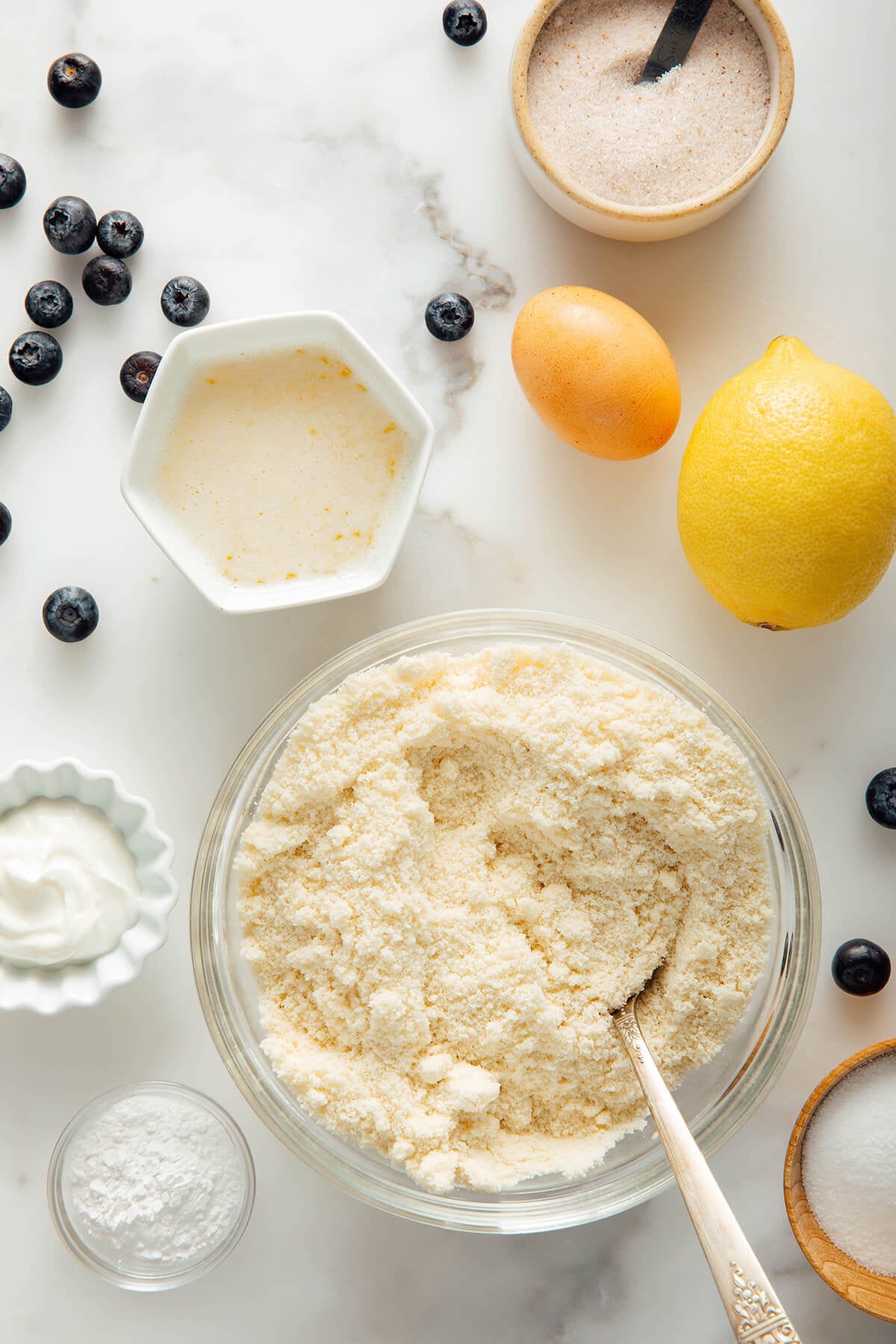
- Initial Adaptation: The first attempts likely involved directly modifying her existing blueberry scone recipe, anticipating the need for increased binder or reduced liquid.
- Texture Challenges: Early trials would have focused on overcoming common issues with almond flour, such as excessive denseness, crumbliness, or a greasy mouthfeel, due to its higher fat content.
- Leavening Optimization: Adjustments to baking powder and baking soda would have been critical to achieve the desired rise and airy crumb, compensating for the lack of gluten structure.
- Moisture Balance: Finding the perfect balance of moisture was crucial to ensure the scones were tender but not soggy, and that the blueberries burst effectively without making the dough too wet.
- Flavor Integration: Ensuring the lemon zest and blueberries were well-distributed and their flavors prominent, without being masked by the almond base, would have been refined.
- Structural Integrity: Achieving a dough that was manageable to work with, allowing for proper shaping and maintaining its form during baking, was a recurring challenge.
- Unexpected Byproduct: During this extensive testing, one particular iteration, while not suitable for scones, proved to be an excellent topping for a peach cobbler, demonstrating the serendipitous discoveries often made in culinary exploration. This illustrates the iterative nature of innovation, where "failures" can lead to new successes.
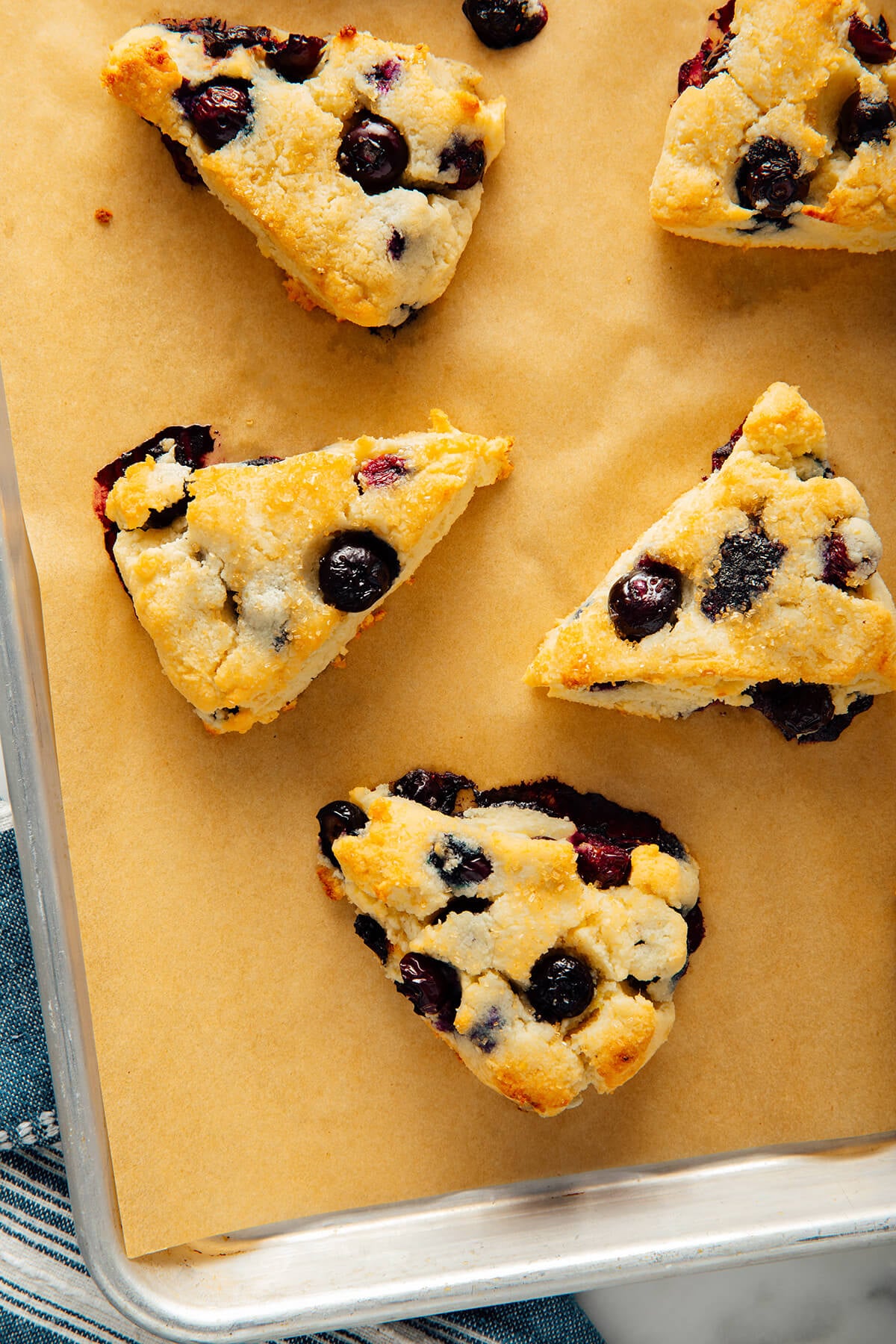
- Final Breakthrough: The seventh attempt yielded the desired combination of tender texture, golden crust, and balanced flavor, culminating in a recipe that Taylor describes as "100 percent delicious" and a "win all around."
This painstaking process underscores that successful gluten-free baking is often an art as much as a science, requiring patience, precise adjustments, and a deep understanding of ingredient interactions.
The Science Behind the Scone: Nutritional Profile and Baking Mechanics
The success of these almond flour scones can be attributed to a nuanced understanding of almond flour’s properties and how to leverage them. As noted, almond flour is low in carbohydrates, making these scones a favorable option for those managing blood sugar levels or adhering to low-carb diets. A typical serving of these scones would inherently contain fewer net carbohydrates compared to their wheat-based counterparts, while offering a boost in protein and healthy fats. This aligns with broader dietary trends emphasizing macronutrient balance and whole, unprocessed ingredients.
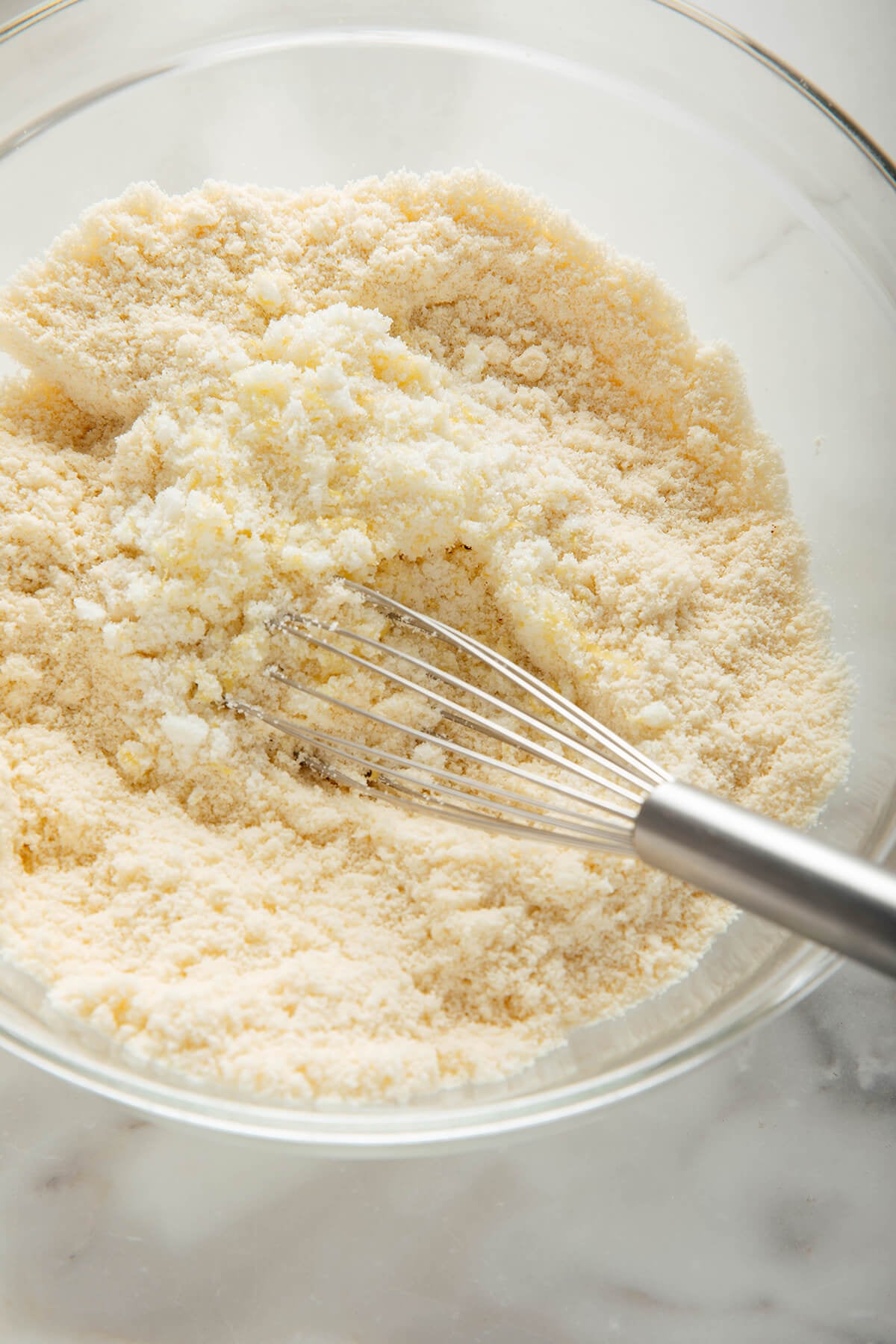
From a baking mechanics perspective, almond flour brings unique advantages and challenges. Its fine grind provides a delicate structure, while its natural fat content contributes to moisture and tenderness, often preventing the dryness associated with some gluten-free baked goods. However, without gluten, the dough lacks elasticity, making it less pliable. The developers skillfully counteracted this by adjusting the ratios of other ingredients, likely increasing binding agents or incorporating specific techniques to enhance dough cohesion. The inclusion of ingredients like full-fat yogurt, a common component in successful scone recipes, further aids in creating a tender crumb and adding moisture, while also contributing a subtle tang that complements the fruit and lemon.
When selecting almond flour, quality and consistency are paramount. The recipe developer specifically tested with "Bob’s Red Mill’s super-fine almond flour" and "Whole Foods 365’s almond flour," both known for their consistent grind and high quality. This detail is crucial for home bakers, as variations in almond flour particle size can significantly impact the final texture and moisture absorption of the baked good. A coarser grind might result in a denser, grainier scone, while an overly fine grind could lead to a gummy texture if not properly balanced with other dry ingredients.
Beyond Blueberries: A Spectrum of Scone Variations
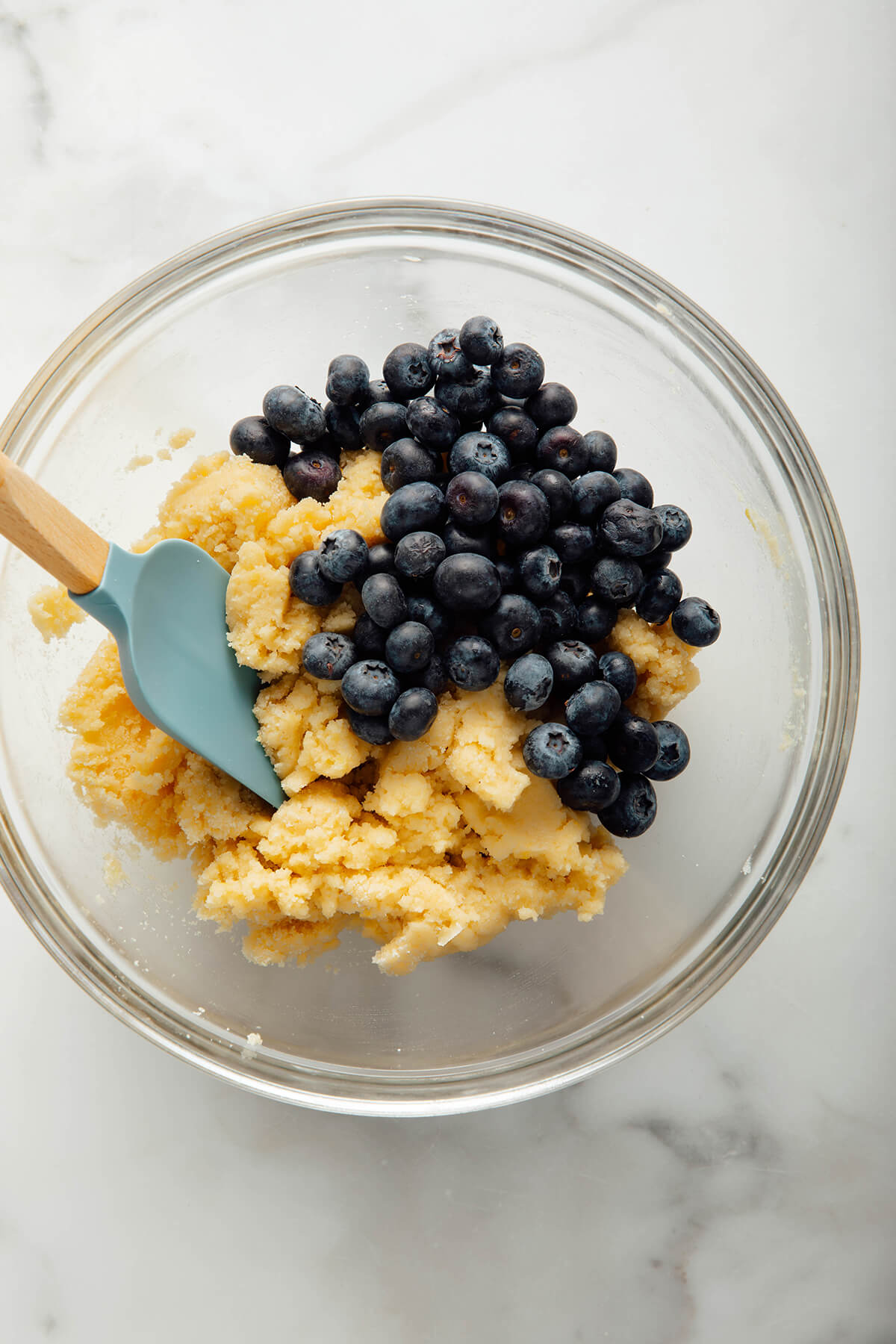
A hallmark of a truly robust recipe is its adaptability, and the almond flour scone recipe excels in this regard. While the blueberry lemon variant is the flagship, the developer has already outlined several compelling flavor variations, showcasing the recipe’s versatility:
- Berry Scones: A straightforward swap, allowing for the use of raspberries, blackberries (halved if large), or sliced strawberries. The lemon zest can be retained or replaced with orange zest for a different citrus note, demonstrating simple yet effective flavor customization.
- Cherry Scones: This variation introduces halved and pitted cherries, recommending the omission of lemon zest in favor of ½ teaspoon of almond extract. This highlights a sophisticated understanding of flavor pairing, where almond extract naturally enhances the underlying almond notes of the flour, creating a harmonious profile with the cherries.
- Chocolate Chip Scones: Catering to a different palate, this version omits fruit and zest, incorporating up to ¾ cup of chocolate chips. A particularly successful combination mentioned is ½ cup semi-sweet chocolate chips with ½ cup toasted chopped pecans, demonstrating how texture and complementary flavors can be layered.
- Savory Cheddar Scones: This daring adaptation transforms the scone from a sweet pastry into a savory snack. By omitting fruit and zest, reducing sugar to just 1 teaspoon, and stirring in ¾ cup shredded sharp cheddar cheese, along with an optional 3 tablespoons of chopped green onion, the recipe morphs into a hearty, flavorful treat. This savory iteration has been singled out as an "all-time favorite snack," underscoring the broad appeal and potential of the almond flour base.
These variations not only provide creative options for home bakers but also illustrate the foundational strength of the base recipe, capable of carrying diverse flavor profiles without compromising its structural or textural integrity.
Expert Perspectives on Gluten-Free Innovation
The successful development and public release of such a versatile and high-quality almond flour scone recipe are likely to be met with positive reception from culinary experts and nutritionists alike. Dr. Eleanor Vance, a hypothetical food scientist specializing in gluten-free baking, might comment, "This recipe exemplifies the advancements being made in gluten-free cuisine. Moving beyond simply replacing gluten, developers are now focusing on optimizing texture and flavor profiles to rival, and in some cases surpass, their traditional counterparts. Almond flour, when skillfully handled, offers a rich canvas for such innovation."
Similarly, registered dietitian and nutritionist, Maria Rodriguez, could state, "For individuals seeking healthier, lower-carbohydrate options, or those with gluten sensitivities, this recipe is a game-changer. It provides a delicious way to enjoy a classic treat without compromising on nutritional goals. The natural fats and proteins in almond flour contribute to satiety, making these scones a more substantial and satisfying snack or breakfast item."
Such a recipe also signals a broader shift in consumer expectations. No longer content with merely "acceptable" gluten-free alternatives, consumers are actively seeking products that deliver on taste, texture, and nutritional value. The meticulous development process behind these almond flour scones directly addresses this demand, setting a new benchmark for what is achievable in gluten-free baking.
Broader Implications for the Baking Industry
The successful introduction of these almond flour scones carries several significant implications for the broader baking industry. Firstly, it further validates almond flour as a premium, high-performance ingredient for both home and commercial bakers. As more high-quality recipes emerge, demand for almond flour is likely to continue its upward trajectory, prompting manufacturers to increase production and explore new applications.
Secondly, this innovation contributes to the ongoing normalization of gluten-free options. When a gluten-free product is so well-executed that it appeals to those without dietary restrictions, it helps to dismantle the perception that gluten-free necessarily means a compromise in quality or taste. This broadens the market for gluten-free products and encourages more mainstream adoption.
Thirdly, the extensive testing and the resulting versatility of the recipe highlight best practices in recipe development. It serves as an example for other food developers and chefs to invest in thorough experimentation when adapting traditional dishes for modern dietary needs. The discovery of the peach cobbler topping as a spin-off also illustrates the potential for unexpected culinary breakthroughs during rigorous testing phases.
Finally, the detailed sharing of the recipe, along with notes on specific almond flour brands, fosters a more informed and empowered community of home bakers. This transparency and guidance are invaluable for those navigating the often-complex world of gluten-free baking, ensuring consistent success and encouraging further experimentation within their own kitchens.
In conclusion, the meticulous development of these almond flour scones represents a significant achievement in contemporary baking. By expertly harnessing the unique properties of almond flour through a dedicated seven-trial process, the recipe developer has created a product that not only meets the specific needs of the gluten-free community but also offers a superior, wholesome, and delicious option for all. This innovation underscores the dynamic evolution of the culinary landscape, driven by consumer demand for healthier, more inclusive, and undeniably delectable food experiences.