


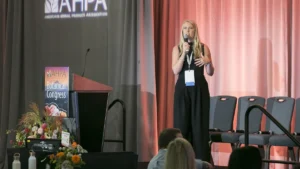




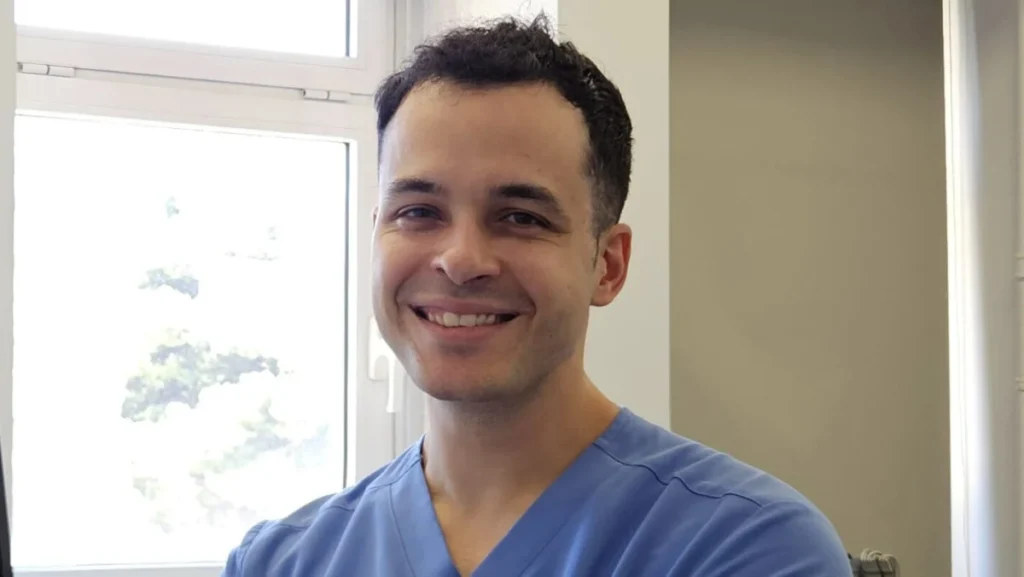
The annual ENDO 2026 meeting, hosted by the Endocrine Society, once again served as a premier global stage for the unveiling of transformative research in the field of endocrinology. Among the most anticipated sessions of the conference was the Rising Star Power Talks, a high-stakes, "blitz-style" competition designed to provide a national platform for early-career investigators and in-training members. This year’s session highlighted 15 finalists who presented groundbreaking work to a diverse panel of experts and an audience of their peers. Among the standout participants was Konstantinos Stefanakis, MD, a PhD candidate, cardiology fellow, and postdoctoral research fellow at Harvard Medical School and Beth Israel Deaconess Medical Center. Stefanakis was awarded the Audience’s Choice honor for his research into the proteomic signatures of metabolic dysfunction-associated steatotic liver disease (MASLD) and its more severe progression, steatohepatitis (MASH).
The Rising Star Power Talks: A Platform for Emerging Science
The Rising Star Power Talks represent a strategic initiative by the Endocrine Society to bridge the gap between rigorous academic research and professional visibility. According to Nichole Ehrhardt, MD, co-medical director of the Seattle Clinical Research Center and co-chair of the Trainee and Career Development Core Committee (TCDCC), the event is fundamental to the health of the endocrine community. "The Rising Star Power Talks are important because they give up-and-coming researchers a national platform to share strong, high-quality science with the broader endocrine community," Ehrhardt noted. She emphasized that for early-career investigators, the value of the session extends beyond the presentation itself; it is about building a professional identity and fostering the collaborations necessary to sustain a lifelong career in research.
The 2026 iteration of the competition introduced a significant shift in the judging paradigm. Historically, the panel was primarily composed of academic leaders. However, under the guidance of TCDCC co-chair Christine Krieger, PhD, a science program manager at the National Institutes of Diabetes and Digestive and Kidney Diseases (NIDDK), the society invited guest judges from the pharmaceutical and biotechnology sectors. Representatives from firms such as Crinetics, Argenx, and Abbvie participated in the evaluation process. This inclusion was intended to provide a "fresh perspective" and to expose emerging scientists to the practicalities of drug development and industry-standard validation.
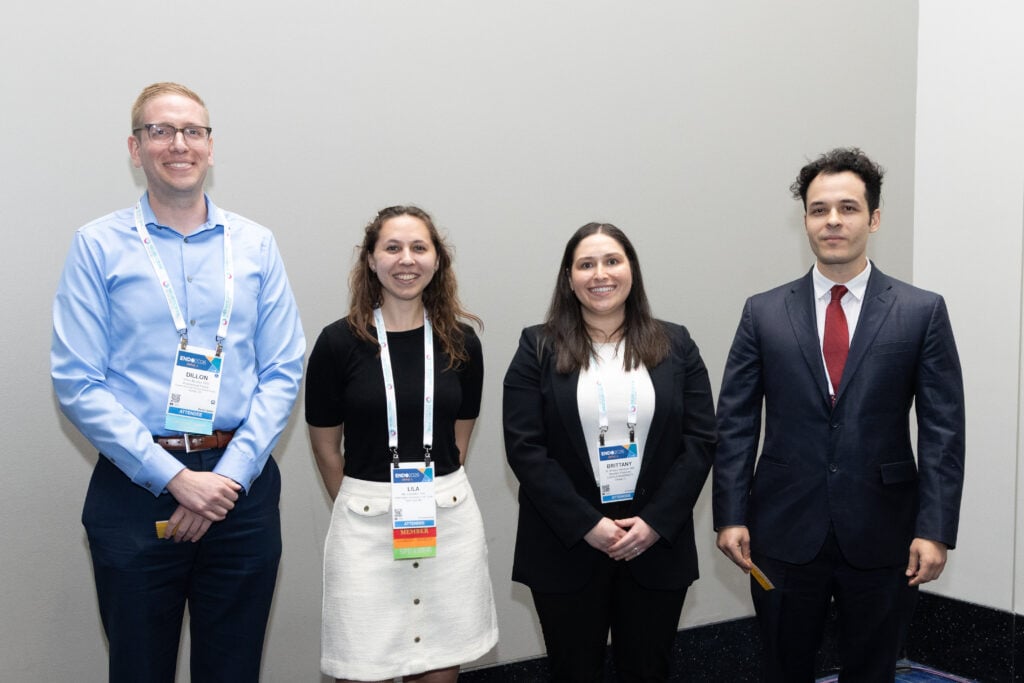
The competition culminated in the selection of winners across four distinct categories:
- Basic Science: Lila Dabill, a PhD student at Washington University in St. Louis.
- Clinical Science: Brittany Weisbrot, an internal medicine resident at Loyola University Medical Center.
- Translational Science: Dillon Boulton, PhD, a postdoctoral fellow at the University of Colorado – Anschutz Medical Campus.
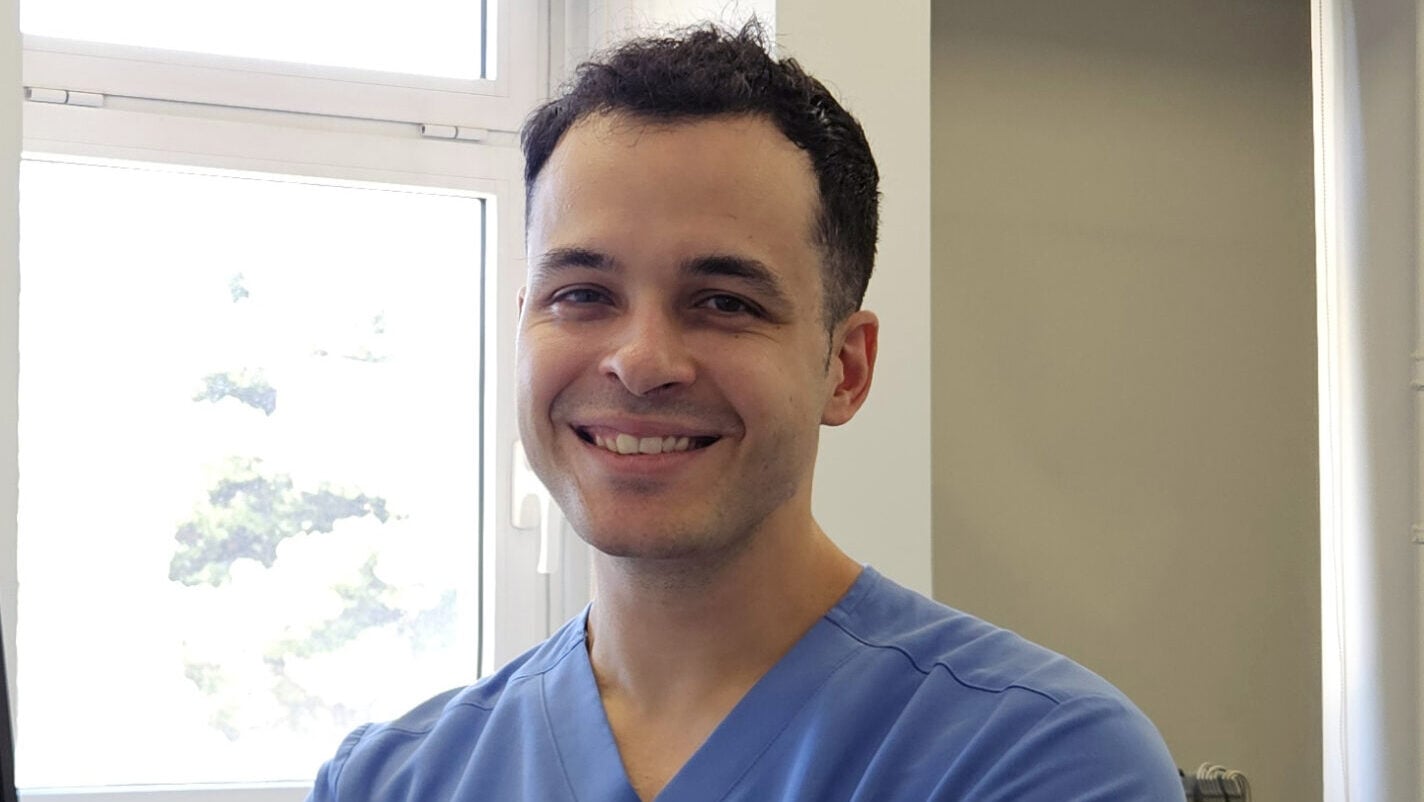
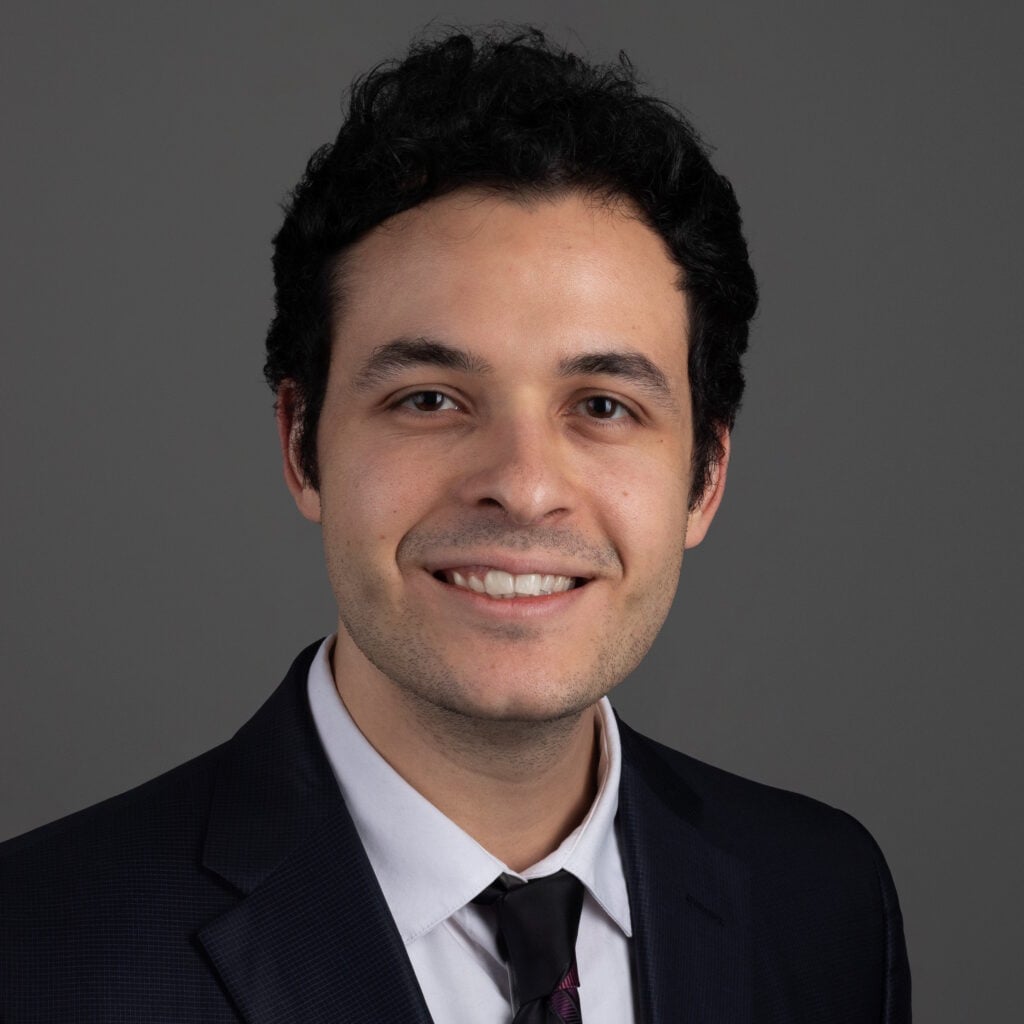
- Audience’s Choice: Konstantinos Stefanakis, MD, PhD (candidate), Harvard Medical School.
Addressing the Global Burden of MASLD and MASH
The research presented by Konstantinos Stefanakis addresses one of the most pressing challenges in modern metabolic medicine. MASLD, formerly known as non-alcoholic fatty liver disease (NAFLD), is estimated to affect more than 25% of the global population, correlating heavily with the rising rates of obesity, type 2 diabetes, and metabolic syndrome. When MASLD progresses to MASH, it involves active liver cell inflammation and damage, which can lead to advanced fibrosis, cirrhosis, liver failure, and hepatocellular carcinoma.
Despite the prevalence of the condition, diagnostics remain a significant bottleneck. Currently, the "gold standard" for diagnosing MASH and staging fibrosis is the liver biopsy. However, biopsies are invasive, carry a risk of complications, are subject to sampling errors, and are prohibitively expensive for large-scale population screening. While non-invasive tests (NITs) such as ultrasound-based elastography and clinical risk scores (like the FIB-4) are in use, they often lack the biological specificity required to understand the active inflammatory drivers in an individual patient.
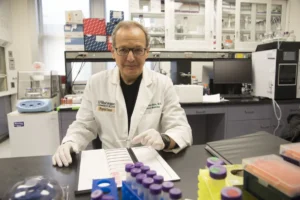
Stefanakis’s work, conducted within the Mantzoros Laboratory at Harvard Medical School, utilizes blood-based omics—specifically proteomics—to identify circulating proteins that reflect the internal state of the liver. "MASH is important because it is not only a liver disease; it is a metabolic disease," Stefanakis explained. "It affects patients who often already live with obesity, insulin resistance, type 2 diabetes, dyslipidemia, and cardiovascular risk."
Research Methodology and Findings: The Proteomic Window
The study presented at ENDO 2026 focused on analyzing serum and plasma samples from a cohort of patients with biopsy-characterized MASLD and MASH. By employing high-throughput proteomics, the research team sought to determine if specific protein concentrations in the blood could serve as reliable indicators of disease severity, inflammatory activity, and the presence of "at-risk MASH" (defined as MASH with moderate to advanced fibrosis).
The significance of this approach lies in its potential to provide a "biological layer" to diagnosis. Unlike simple imaging, which shows the physical stiffness of the liver, proteomics can reveal the underlying molecular pathways—such as tissue remodeling, metabolic stress, and immune activation—that are currently active. Stefanakis highlighted that identifying these patients is more urgent than ever, following the recent emergence of the first FDA-approved therapeutic options for MASH. As treatments become available, the medical community requires precise tools to identify which patients are most likely to benefit from pharmacological intervention and to monitor their response to therapy without repeated biopsies.
The Mentorship Pipeline: The Mantzoros Laboratory
A recurring theme in the success of the 2026 Rising Stars was the role of institutional support and mentorship. Stefanakis credited much of his development to Dr. Christos Mantzoros, a figure whose influence within the Endocrine Society is well-documented. Dr. Mantzoros, the recipient of the Outstanding Scholarly Physician Laureate Award in 2025, has cultivated an environment at Harvard that emphasizes the identification of "unmet clinical needs" and the application of rigorous translational science to solve them.
The continuity of this mentorship was evident throughout the conference. In addition to Stefanakis’s win, the Mantzoros Laboratory saw a former mentee receive a Junior Faculty Award, and a current MD student co-mentored by Stefanakis and Mantzoros was awarded the 2026 REGMS (Research Experiences for Graduate and Medical Students) fellowship. This lineage of academic excellence underscores the importance of the Endocrine Society’s internal ecosystem in sustaining the physician-scientist pipeline.
Stefanakis noted that the Society has been a "scientific home" for him since 2020, when he first received a Summer Research Fellowship. This early support provided the momentum needed to pursue complex multi-omic research. "Through these experiences, I feel not only part of the Mantzoros Laboratory, but also part of the broader scientific family of the Endocrine Society," he stated.
Analysis of Implications: Toward Precision Metabolic Medicine
The implications of Stefanakis’s research extend beyond simple diagnostic convenience. The move toward non-invasive, protein-based testing represents a shift toward precision medicine in the cardiometabolic space. By integrating proteomics with other data layers—such as genetics, metabolomics, and imaging—clinicians may eventually be able to create a "liquid biopsy" that provides a comprehensive view of a patient’s metabolic health.
Furthermore, the data generated by discovery proteomics is invaluable for drug discovery. By delineating the specific pathophysiological pathways that are upregulated in progressive MASH, researchers can identify novel targets for medication. This is particularly relevant for diverse populations. Stefanakis emphasized that a major priority for the next phase of his research is inclusivity. Historically, MASLD and MASH research has underrepresented certain groups, including Latin American populations and pediatric patients. Since disease biology can vary significantly across ethnic and age groups, validating proteomic signatures in diverse cohorts is essential for the global applicability of these tests.
Future Directions and Chronology of Research
The roadmap for Stefanakis and the Mantzoros Laboratory involves the transition from "discovery proteomics" to "validation and simplification." While discovery platforms can measure thousands of proteins, a clinical diagnostic tool must be refined to a robust signature of the most predictive markers.
The timeline of this research reflects a steady progression from foundational science to clinical application:
- 2020: Stefanakis receives the Endocrine Society Summer Research Fellowship, initiating his focus on metabolic research.
- 2022–2025: Continuous recognition via Outstanding Abstract Awards at ENDO meetings, focusing on the intersection of obesity and liver disease.
- 2026: Presentation of the MASH proteomic study at the Rising Star Power Talks, winning the Audience’s Choice award.
- Upcoming (2027 and beyond): Plans to integrate transcriptomics and clinical imaging data to create a multi-omic risk stratification tool.
As MASLD and MASH continue to rise in prevalence alongside the global obesity epidemic, the work of researchers like Konstantinos Stefanakis provides a glimpse into a future where liver disease is caught earlier, treated more effectively, and managed with far less invasive methods. The ENDO 2026 Rising Star Power Talks not only celebrated these individual achievements but also reaffirmed the Endocrine Society’s role in fostering the next generation of leaders who will navigate the complexities of metabolic health in the 21st century.