







Achieving sustainable weight loss often hinges on making informed dietary choices that prioritize satiety and nutrient density while managing caloric intake. Costco, a prominent membership-only warehouse club, has emerged as a surprisingly valuable resource for individuals aiming to navigate their weight loss journey effectively. The retailer’s extensive selection, particularly within its Kirkland Signature brand, offers numerous high-protein and high-fiber options that align with expert nutritional guidelines.
The fundamental principle of weight loss is achieving a caloric deficit, where the body expends more energy than it consumes. However, the quality of calories plays an equally critical role in adherence and long-term success. As explained by Lindsay Ogden, a Certified Personal Trainer and Nutrition Coach at Life Time, foods most conducive to weight loss typically share four key characteristics: they are high in protein, rich in fiber, offer high volume relative to their calorie count (low calorie density), and are low in added sugars. Ogden elaborates that "these factors help you stay fuller longer, reduce cravings, and make it easier to stay in a calorie deficit without feeling deprived." This strategic approach to food selection transforms the often-challenging task of calorie restriction into a more manageable and satisfying experience.

The Foundational Pillars: Protein and Fiber for Optimal Weight Management

The emphasis on protein and fiber is not arbitrary; these macronutrients are cornerstones of an effective weight loss strategy, supported by extensive scientific research. Protein, often dubbed the "king of macronutrients," contributes to satiety by influencing appetite-regulating hormones such as ghrelin and leptin. Its higher thermic effect of food (TEF) means the body expends more energy digesting and metabolizing protein compared to carbohydrates or fats, contributing marginally to the overall caloric deficit. Furthermore, adequate protein intake is crucial for preserving lean muscle mass during weight loss, which helps maintain a healthy metabolic rate. Muscle is more metabolically active than fat, meaning it burns more calories at rest.
Fiber, particularly soluble fiber, also plays a significant role in satiety. It forms a gel-like substance in the digestive tract, slowing down gastric emptying and promoting a prolonged feeling of fullness. Both soluble and insoluble fibers contribute to digestive health, regulate blood sugar levels, and can help reduce the absorption of dietary fat and cholesterol. The combination of high protein and high fiber creates a powerful synergy, ensuring individuals feel satisfied and energized, thereby reducing the likelihood of overeating or succumbing to cravings for less nutritious, calorie-dense foods.
Costco’s unique position as a bulk retailer allows consumers to purchase these essential weight-loss-supporting foods in larger quantities, often at a lower unit cost, making healthy eating more accessible and economically viable for many households. This accessibility is particularly important given the rising prevalence of obesity and related health conditions globally, underscoring the need for practical, everyday solutions to dietary challenges.
Costco’s Weight Loss Arsenal: A Deep Dive into Seven Key Foods
Here are seven specific food items currently available at Costco that align with these expert-backed criteria, offering practical solutions for those committed to their weight loss journey:
1. Frozen Vegetables: The Volume Powerhouses
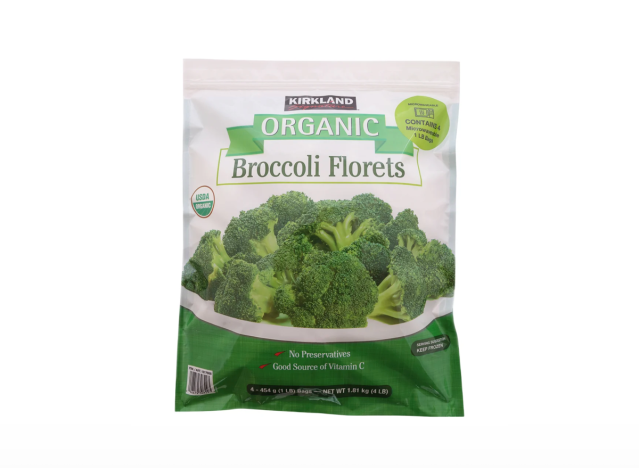
Frozen vegetables, such as Kirkland Signature Organic Broccoli Florets, green beans, or diverse stir-fry mixes, are foundational for any weight loss diet. Their appeal lies in their remarkably high volume-to-calorie ratio. A generous serving of frozen broccoli, for instance, provides substantial bulk with minimal calories, primarily due to its high water and fiber content.
- Nutritional Profile: These vegetables are packed with vitamins (like Vitamin C, K, and folate), minerals (potassium, magnesium), and an array of phytonutrients. Broccoli, for example, is known for its sulforaphane, a compound with anti-inflammatory and antioxidant properties. Green beans offer Vitamin A and iron.
- Satiety and Digestion: The fiber content (both soluble and insoluble) is key. Insoluble fiber adds bulk to stool, aiding digestion and regularity, while soluble fiber contributes to satiety by slowing nutrient absorption. This combination helps prevent spikes in blood sugar, mitigating subsequent hunger pangs.
- Convenience and Cost-Effectiveness: Frozen vegetables offer unparalleled convenience. They are pre-washed, pre-cut, and ready to cook, eliminating prep time. Freezing also locks in nutrients at their peak, often surpassing the nutrient content of fresh produce that has traveled long distances. Buying them in large bags at Costco ensures a consistent supply for weeks, reducing frequent grocery trips and overall food costs.
- Culinary Versatility: Beyond simple steaming or roasting, frozen vegetables can be effortlessly incorporated into a myriad of dishes: stir-fries, soups, stews, casseroles, omelets, and as a bulk-adding component to almost any protein-centric meal.
2. Frozen Berry Mixes: Naturally Sweet & Antioxidant-Rich
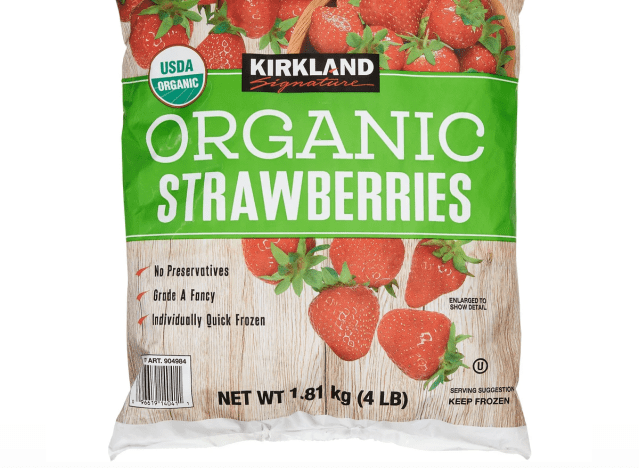
Costco’s frozen berry mixes, often featuring strawberries, blueberries, raspberries, and blackberries, are a sweet indulgence that supports weight loss. These vibrant fruits are naturally sweet, making them an excellent alternative to processed snacks high in added sugars.
- Nutritional Profile: Berries are renowned for their high antioxidant content, particularly anthocyanins, which contribute to their rich color and offer potent anti-inflammatory benefits. They are also excellent sources of Vitamin C, Vitamin K, manganese, and a good amount of fiber. A typical serving of mixed berries can provide several grams of dietary fiber.
- Blood Sugar Regulation: The fiber in berries helps to moderate the absorption of their natural sugars, preventing rapid blood glucose spikes that can lead to energy crashes and increased hunger. This makes them a more stable energy source compared to refined sugary snacks.
- Reduced Food Waste: As Ogden notes, choosing frozen berries over fresh significantly reduces food waste. Fresh berries have a short shelf life, whereas frozen varieties can be stored for months without spoilage, ensuring a readily available healthy option.
- Diverse Usage: Frozen berries are incredibly versatile. They are perfect additions to smoothies, providing natural sweetness and thickness. They can be stirred into Greek yogurt or oatmeal, thawed and used as a topping for pancakes or waffles, or simply enjoyed as a refreshing, low-calorie snack.
3. Kirkland Signature Greek Yogurt: The Protein Powerhouse
Kirkland Signature Greek Yogurt stands out as a top recommendation from nutrition experts like Ogden, primarily due to its exceptional protein content. Unsweetened Greek yogurt, in particular, is a cornerstone of many healthy diets.
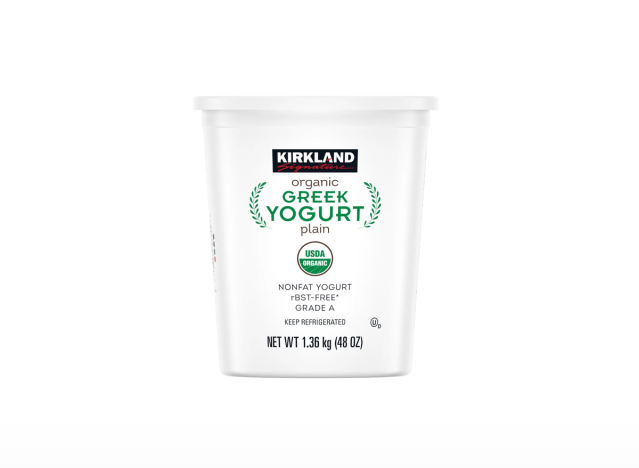
- Exceptional Protein Source: With approximately 18 grams of protein per serving (depending on the specific product), Greek yogurt significantly surpasses traditional yogurt varieties. This protein consists of both whey and casein. Whey protein is quickly absorbed, aiding in immediate muscle repair, while casein digests slowly, providing a sustained release of amino acids that helps maintain fullness over several hours. This makes it an ideal food for breakfast or a post-workout snack to support muscle recovery and satiety.
- Probiotic Benefits: Many Greek yogurts contain live and active cultures, which are beneficial probiotics. These microorganisms support a healthy gut microbiome, playing a role in digestion, nutrient absorption, and even mood regulation, all of which can indirectly impact weight management.
- Calcium for Bone Health: Greek yogurt is also an excellent source of calcium, vital for bone density and overall skeletal health.
- Versatility and Sugar Control: The unsweetened nature of Kirkland Signature Greek Yogurt is a significant advantage. It allows consumers to control the amount and type of sweetener they add, whether it’s a touch of honey, fresh fruit, or a sprinkle of cinnamon. This versatility extends to savory applications as well, where it can be used as a base for dips, marinades, salad dressings, or as a sour cream substitute, adding a creamy texture and protein boost without excessive fat or calories.
4. Eggs (Egg Whites & Hard-boiled Eggs): The Complete Protein Solution
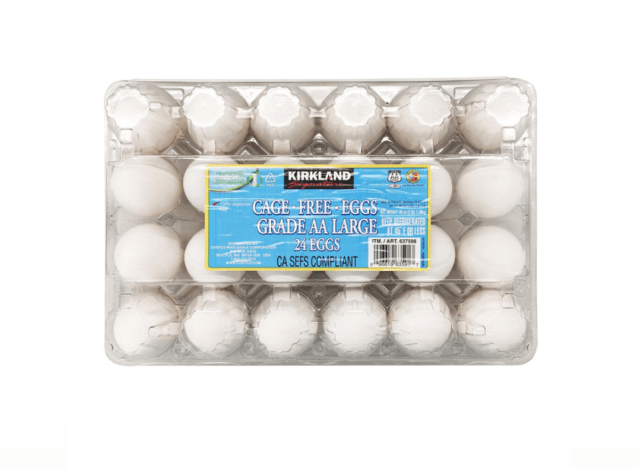
Eggs, particularly egg whites and hard-boiled eggs, are a staple for weight loss due to their complete protein profile and versatility. Costco offers large quantities of eggs, including cartons of liquid egg whites and convenient pre-cooked hard-boiled eggs.
- Complete Protein Source: Eggs are considered a complete protein, meaning they contain all nine essential amino acids necessary for human health. Egg whites, specifically, are almost pure protein with virtually no fat or cholesterol. A single large egg white contains about 3.6 grams of protein for a mere 17 calories.
- Nutrient Density (Whole Eggs): While egg whites are ideal for maximizing protein with minimal calories, whole eggs offer additional nutrients. The yolk contains healthy fats, fat-soluble vitamins (A, D, E, K), and minerals like choline, which is vital for brain health and metabolism. For those not strictly limiting dietary fat, incorporating whole eggs provides a broader spectrum of benefits.
- Convenience and Versatility: Hard-boiled eggs are the epitome of convenience for on-the-go breakfasts or snacks. They require no preparation beyond peeling. Egg whites can be easily added to omelets, scrambles, or even baked goods to boost protein content without altering flavor significantly. This makes them an easy way to increase protein intake without excessive added fats, as Ogden points out.
- Cost-Effectiveness: Buying eggs in bulk at Costco is highly economical, providing a cheap and nutrient-dense protein source that can be incorporated into multiple meals throughout the day.
5. Chicken Breast: The Lean Protein Champion
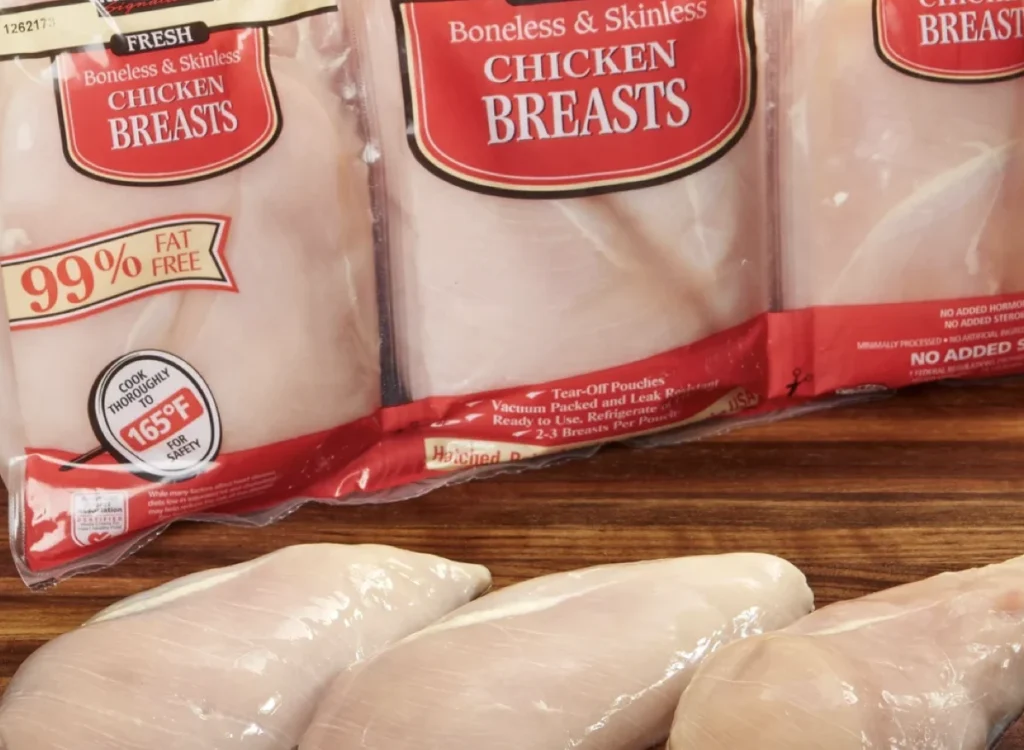
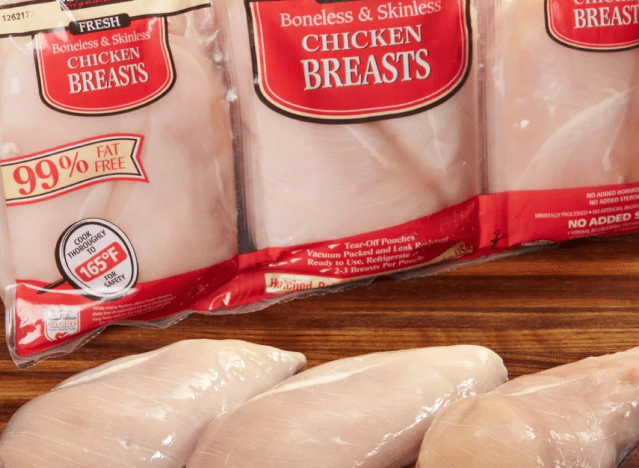
Chicken breast, available fresh or frozen in bulk at Costco, is widely recognized as one of the leanest and most versatile protein sources, making it indispensable for weight loss.
- Premier Lean Protein: Chicken breast is exceptionally high in protein and very low in fat, especially when skinless. This makes it an ideal choice for maintaining a caloric deficit while ensuring adequate protein intake to preserve muscle mass. A 4-ounce serving can provide over 30 grams of protein for around 150-180 calories.
- Thermic Effect of Food (TEF): As mentioned, protein has a higher TEF than carbohydrates or fats. Consuming chicken breast contributes to a slightly increased metabolic rate during digestion, further aiding in calorie expenditure.
- Amino Acid Profile: The protein in chicken breast provides a full spectrum of essential amino acids, crucial for muscle repair, growth, and various bodily functions, which is vital during periods of calorie restriction.
- Versatile Cooking Methods: Chicken breast is incredibly adaptable to various culinary preparations. It can be grilled, baked, pan-seared, shredded for salads, stir-fried, or used in soups and stews. As Ogden suggests, its suitability for grilling makes it a perfect option for warmer months, offering flavorful, healthy meals. Costco’s bulk packaging allows for portioning and freezing, ensuring a consistent supply.
6. Avocado Mash or Guacamole Mini Packs: Healthy Fats in Controlled Portions
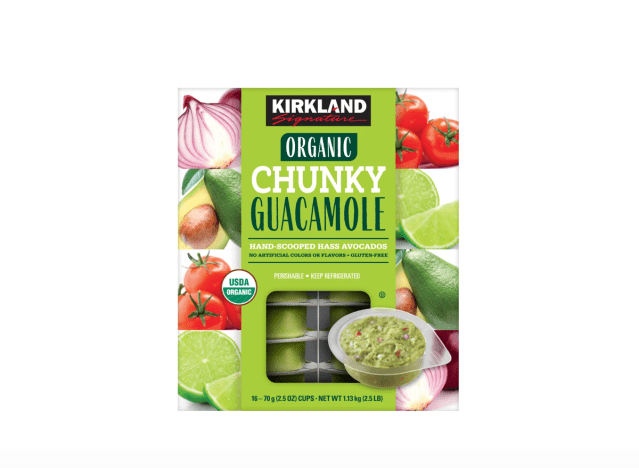
While avocados are calorie-dense due to their healthy fat content, Costco’s individual avocado mash or guacamole mini packs offer a pre-portioned solution that is excellent for weight loss.
- Healthy Fats and Satiety: Avocados are rich in monounsaturated fats (MUFAs), particularly oleic acid, which are known to promote satiety and help stabilize blood sugar levels. They also contain omega-3 fatty acids, contributing to overall cardiovascular health and reducing inflammation. These healthy fats are crucial for nutrient absorption and can keep hunger at bay for longer periods compared to low-fat alternatives.
- Fiber and Micronutrients: Avocados also provide a significant amount of dietary fiber and are packed with vitamins and minerals, including potassium (more than a banana), Vitamin K, Vitamin C, Vitamin B6, and Vitamin E.
- Crucial Portion Control: The pre-portioned mini packs are a game-changer for weight loss. Avocados are delicious, making it easy to overconsume them. These single-serving packs eliminate the guesswork and help prevent accidental caloric excess, ensuring consumers reap the benefits of healthy fats without derailing their deficit.
- Integration into Meals: These convenient packs are perfect for spreading on whole-grain toast, adding to salads, enhancing wraps, or serving as a healthy dip for raw vegetables. They provide a creamy texture and rich flavor that can elevate simple meals.
7. Mixed Greens or Power Greens: The Ultimate Low-Calorie Filler
Costco’s large containers of mixed greens (like spring mix) or power greens (such as spinach and kale blends) are essential for adding volume and nutrients to meals without significant caloric cost.
- High Volume, Low Calorie Density: These greens are predominantly water and fiber, making them incredibly low in calories but high in volume. This characteristic allows individuals to eat substantial amounts of food, feeling full and satisfied, while maintaining a caloric deficit. As Ogden states, she "almost always has a package of these on hand to toss in with meals that lack volume."
- Rich in Micronutrients: Beyond their bulk, mixed greens are nutritional powerhouses. Spinach is known for its iron and Vitamin K content, while kale is a superfood rich in Vitamin A, C, and K, as well as various antioxidants. Spring mix provides a diverse array of vitamins, minerals, and phytonutrients.
- Antioxidant and Anti-inflammatory Properties: The vibrant colors of these greens indicate a high concentration of antioxidants and anti-inflammatory compounds, which support overall health and may aid in recovery from exercise.
- Versatility in Consumption: Mixed greens are not just for salads. They can be wilted into hot dishes like stir-fries, scrambled eggs, or pasta sauces. They can be blended into smoothies for an undetectable nutrient boost or used as a bed for lean proteins, effectively increasing the perceived size and satisfaction of a meal without adding many calories.
Strategic Shopping at Costco for Sustainable Weight Loss
Leveraging Costco effectively for weight loss extends beyond simply identifying healthy products. It involves strategic planning to maximize the benefits of bulk buying while mitigating potential drawbacks. Consumers can utilize the ample refrigerator and freezer space provided by bulk purchases to ensure a consistent supply of these nutrient-dense foods. Meal prepping becomes more efficient when staple ingredients like chicken breast, frozen vegetables, and hard-boiled eggs are readily available.
The Kirkland Signature brand often represents high-quality products at competitive prices, making healthy eating more affordable. This democratizes access to nutritious food, which can be a significant barrier for many. By focusing on these seven categories, shoppers can build a robust foundation for a weight-loss-friendly diet that is sustainable, satisfying, and cost-effective.
Broader Implications for Health and Wellness
The availability of such a diverse array of weight-loss-supporting foods at a mainstream retailer like Costco has broader implications for public health. It empowers consumers with convenient options to make healthier choices, shifting the focus from restrictive dieting to incorporating nutrient-dense foods into daily life. This approach promotes long-term behavioral changes rather than temporary fixes. By making high-protein, high-fiber, low-sugar options accessible and affordable, Costco inadvertently contributes to a societal shift towards more informed and health-conscious consumption patterns.
In conclusion, Costco offers more than just bulk savings; it provides a comprehensive toolkit for individuals committed to their weight loss journey. By focusing on foods high in protein, fiber, and volume, and low in added sugars, shoppers can cultivate a diet that promotes satiety, reduces cravings, and facilitates a sustainable caloric deficit. The seven foods highlighted—frozen vegetables, frozen berry mixes, Kirkland Signature Greek yogurt, eggs, chicken breast, avocado mash mini packs, and mixed greens—represent practical, expert-recommended choices that can significantly support health and wellness goals. The power of informed choices, coupled with smart shopping strategies, makes achieving and maintaining a healthy weight an attainable reality for many.