

Stereotaxis, a global leader in innovative magnetic navigation robotics for minimally invasive endovascular surgery, has entered into a definitive agreement to acquire Robocath, a privately held French developer of robotic systems for interventional vascular procedures. The acquisition marks a transformative milestone for Stereotaxis as it seeks to integrate its proprietary magnetic navigation technology with Robocath’s mechanical robotic expertise, effectively creating a comprehensive platform capable of addressing a wide range of endovascular needs. By combining these two distinct yet complementary technologies, Stereotaxis aims to solidify its position as a dominant force in the rapidly evolving surgical robotics market, offering solutions that span from cardiac arrhythmia treatment to complex coronary and peripheral interventions.
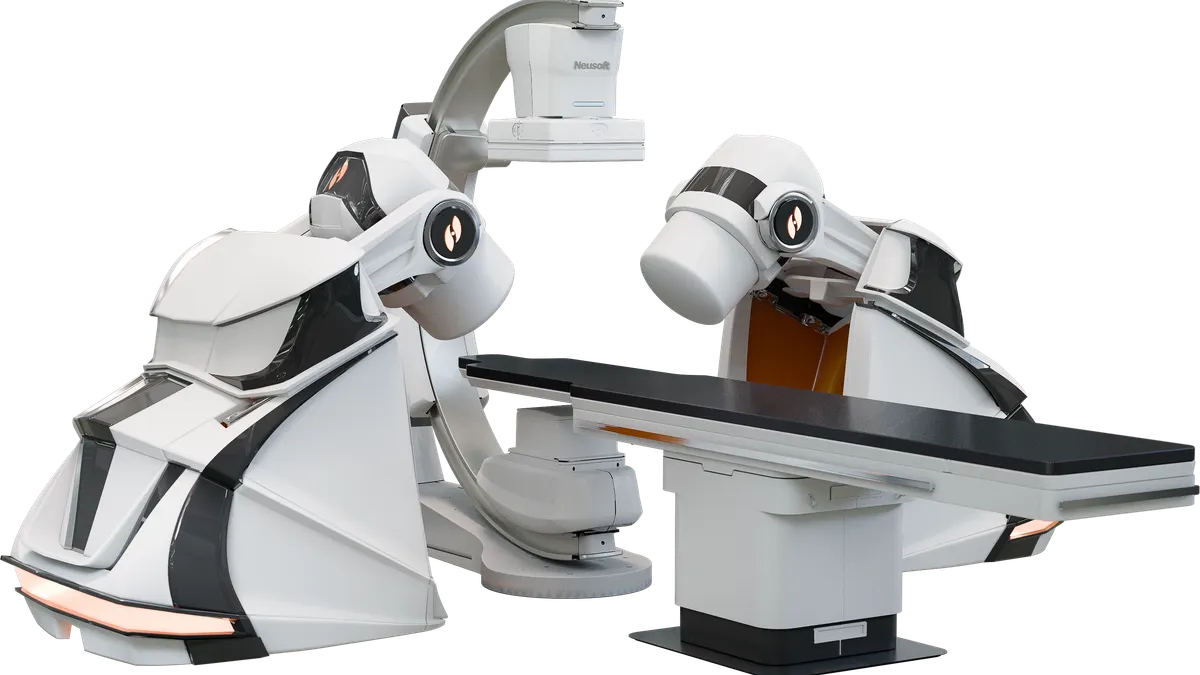
Under the terms of the agreement, Stereotaxis will acquire Robocath for a consideration of cash or Stereotaxis common stock, with the transaction expected to close in mid-2026. Following the completion of the deal, Robocath will operate as a subsidiary of Stereotaxis, maintaining its research and development operations in Rouen, France. This acquisition comes at a pivotal moment for Stereotaxis, which recently received FDA clearance for its GenesisX surgical robot, a system designed to overcome the logistical and infrastructure barriers that hindered the adoption of earlier robotic iterations.
Technological Synergy and Product Integration
The core value proposition of the acquisition lies in the synergy between the two companies’ technological philosophies. Stereotaxis has built its reputation on the use of computer-controlled magnetic fields to navigate the distal tip of interventional devices, such as catheters, with extreme precision. This method is particularly effective in ablation procedures for cardiac arrhythmias, where navigating the complex anatomy of the heart requires high degrees of flexibility and accuracy.
In contrast, Robocath’s flagship system, the R-One+, utilizes a mechanical robotic platform to provide multi-device control at the patient’s bedside. Currently, the R-One+ is the only robotic system commercially available in Europe for percutaneous coronary interventions (PCI). While Stereotaxis excels in the distal navigation of tools through magnetic pull, Robocath focuses on the mechanical advancement and manipulation of guidewires and stents. By merging these capabilities, Stereotaxis intends to offer a unified system that manages both the navigation of the device through the vasculature and the precise deployment of therapeutic tools at the target site.
CEO David Fischel emphasized that the combination of these technologies would allow Stereotaxis to serve the "full spectrum" of endovascular procedures. This includes not only electrophysiology (EP) but also interventional cardiology, neurology, and peripheral vascular surgery. The integration is expected to result in a "best-of-both-worlds" scenario where physicians can leverage magnetic precision for navigation and mechanical robotics for the heavy lifting of device delivery.
Financial Projections and Market Positioning
Stereotaxis has provided a conservative yet optimistic financial outlook regarding the acquisition. In the first year following the close of the transaction, Robocath is expected to contribute approximately $2 million in annual revenue. While this initial figure is modest, the long-term goal is to achieve operational break-even by the third year post-acquisition. The bridge to profitability will likely be built on the successful commercialization of Robocath’s next-generation robotic system, which is currently in development.
The market for endovascular robotics has seen significant fluctuations over the last decade. While the adoption of robotic systems in general surgery (such as the Da Vinci system) has been widespread, the vascular space has faced unique challenges. High costs, large footprints, and the need for specialized hospital infrastructure have historically slowed adoption. However, Stereotaxis’ GenesisX system was specifically engineered to address these "infrastructure challenges" by being more compact and easier to integrate into existing catheterization labs without extensive renovations.
The acquisition of Robocath allows Stereotaxis to enter the PCI market, which represents a significantly larger patient volume than the cardiac arrhythmia market alone. Globally, millions of PCI procedures are performed annually to treat coronary artery disease. By providing a robotic solution that enhances the precision of stent placement while reducing radiation exposure for the clinical team, Stereotaxis is positioning itself to capture a significant share of this high-volume market.
Chronology of Development and Regulatory Roadmap
The timeline for this acquisition and the subsequent product rollouts is structured to ensure regulatory compliance and clinical validation.
- November 2023: Stereotaxis receives FDA clearance for the GenesisX magnetic navigation system, laying the groundwork for a more accessible robotic platform.
- Early 2024: Robocath completes the first-in-human procedures for its next-generation robotic system in France. This system is designed to allow the simultaneous manipulation of up to five interventional devices, a significant upgrade over the current R-One+ system.
- Mid-2026: Expected closing of the Stereotaxis-Robocath acquisition.
- 2026-2027: Stereotaxis plans to pursue regulatory submissions for the integrated next-generation system in both the United States and Europe.
Robocath currently has 15 R-One+ systems installed worldwide, primarily in Europe and Asia. Stereotaxis plans to leverage its existing global sales and service infrastructure to support these installations and accelerate the placement of new units. The two-year window between the announcement and the deal’s closing provides a runway for the companies to align their engineering teams and begin the complex process of cross-platform integration.
Clinical Benefits and Physician Safety
One of the primary drivers for robotic adoption in endovascular surgery is the improvement of physician safety. During traditional manual procedures, interventionalists must wear heavy lead aprons to protect themselves from the X-ray radiation used for imaging. Despite this protection, long-term exposure can lead to orthopedic issues and increased risks of cancer.
Robotic systems like those developed by Stereotaxis and Robocath allow the physician to operate the system from a shielded cockpit, often located several feet away from the patient or even in a separate room. This "tele-robotic" capability removes the physician from the radiation field and eliminates the need for heavy protective gear.
From a patient perspective, the robotic systems offer enhanced precision. Manual manipulation of catheters and guidewires is subject to human error, including hand tremors and the inherent limitations of tactile feedback. Robotic systems provide sub-millimeter accuracy, which is critical when navigating the delicate vessels of the brain or the intricate structures of the heart. The ability of Robocath’s next-gen system to handle five devices simultaneously could also reduce procedure times and complexity, particularly in multi-vessel disease cases.

Industry Context and Strategic Implications
The medtech industry has seen a trend toward consolidation as companies look to offer "total solution" platforms rather than single-point products. The Stereotaxis-Robocath deal mirrors this trend. It also occurs in a competitive landscape where other major players have faced setbacks. For instance, Siemens Healthineers, which acquired the vascular robotics company Corindus for $1.1 billion in 2019, recently shifted its focus away from the cardiology robotics market, citing slower-than-expected adoption.
Stereotaxis appears to be betting that its unique magnetic technology will provide a competitive edge that purely mechanical systems lack. By lowering the barriers to entry with the GenesisX platform and expanding the clinical utility through the Robocath acquisition, the company is attempting to prove that robotics is not just a luxury for high-volume academic centers but a necessary evolution for the standard of care in all interventional suites.
David Fischel’s statement that the transaction "supports other strategic opportunities" suggests that Stereotaxis may not be finished with its expansion. The company’s focus on "commercial synergies" implies that the sales teams for both companies will be cross-trained to offer a comprehensive suite of robotic tools to hospitals, potentially leading to bundled contracts and long-term service agreements that provide recurring revenue.
Conclusion and Future Outlook
The acquisition of Robocath by Stereotaxis represents a calculated expansion into the broader endovascular market. While the financial impact will be gradual, the technological implications are immediate. The merger creates a unique entity in the medtech space—one that possesses the intellectual property for both magnetic and mechanical robotic control.
As the healthcare industry continues to move toward minimally invasive techniques, the demand for high-precision tools will only increase. Stereotaxis is now positioned to meet that demand across multiple medical disciplines. The success of this merger will ultimately depend on the seamless integration of Robocath’s bedside mechanics with Stereotaxis’ magnetic "brain," as well as the company’s ability to navigate the rigorous regulatory pathways in the U.S. and Europe over the next two years. If successful, the combined entity could redefine the standard of care for endovascular interventions, making surgery safer for physicians and more precise for patients worldwide.
