







The supplement industry continues to be a dynamic landscape of scientific discovery and product innovation, with recent developments highlighting the potential of novel ingredients and the expansion of established ones into new consumer segments. This edition of Supplement Shorts delves into key advancements, including the U.S. market launch of a wasabi-derived compound for cognitive support, promising research on carob extract’s impact on gut health, and the mainstreaming of creatine through a significant product introduction by Abbott. These developments underscore the ongoing evolution of dietary supplements, driven by scientific evidence and consumer demand for science-backed solutions.
Wasabi’s Ancient Roots Yield Modern Cognitive Benefits
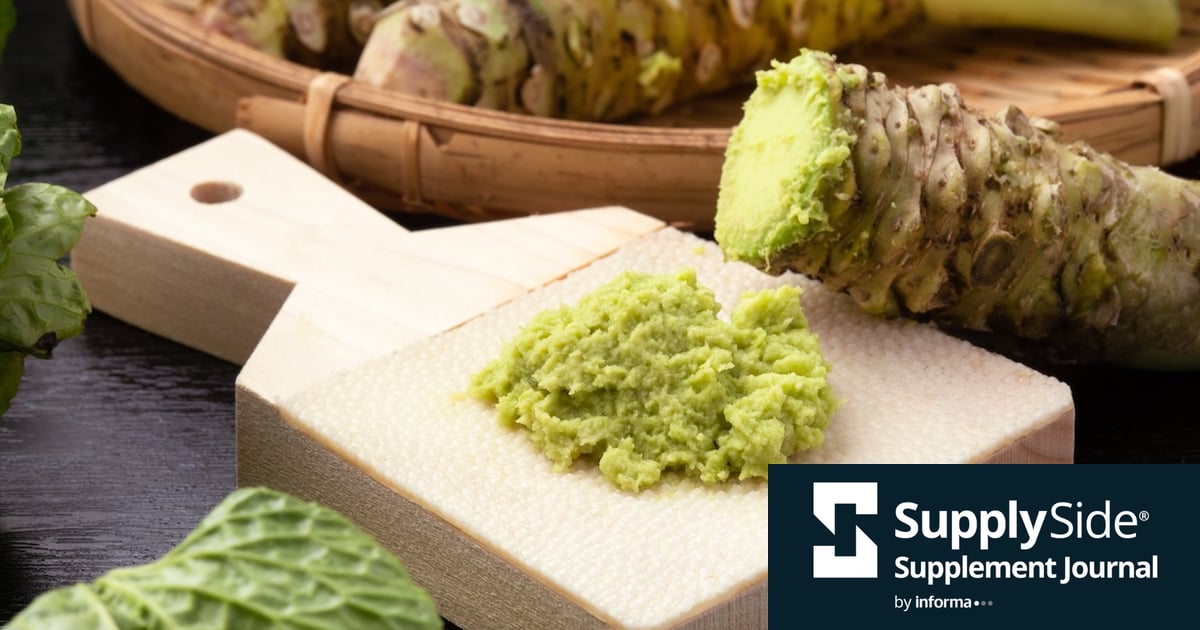
While historically celebrated for its pungent flavor in Japanese cuisine, the humble wasabi plant (Eutrema japonicum) is now emerging as a compelling source of compounds with significant potential for cognitive health and healthy aging. Kinjirushi, a company with deep roots in wasabi cultivation and processing, has announced the stateside launch of hexaraphane, a naturally occurring isothiocyanate derived from the wasabi plant. This ingredient has demonstrated a remarkable ability to enhance working and episodic memory in older, healthy adults, according to findings from a 2023 clinical trial published in the peer-reviewed journal Nutrients.
The clinical trial, which involved a cohort of older adults experiencing age-related cognitive changes, provided compelling evidence for hexaraphane’s neuroprotective and cognitive-enhancing properties. The specific mechanisms by which hexaraphane exerts its effects are still under active investigation, but researchers hypothesize that its potent antioxidant and anti-inflammatory capabilities play a crucial role. These properties are believed to protect brain cells from oxidative stress and inflammation, both of which are significant contributors to cognitive decline and neurodegenerative processes associated with aging. The study’s positive outcomes suggest that hexaraphane could represent a novel and natural approach to supporting cognitive function as individuals age.

Isao Okunishi, Ph.D., a fellow researcher at Kinjirushi, emphasized the evolving understanding of wasabi’s multifaceted benefits. "Wasabi has a long history in Japanese food culture, but our understanding of the plant continues to evolve," Dr. Okunishi stated. "Research into hexaraphane is helping us explore an entirely different side of wasabi. We want to bring greater awareness of that science to North America and encourage continued interest in the relationship between wasabi, nutrition, and cognitive health." This strategic expansion into the U.S. market signifies Kinjirushi’s commitment to translating scientific findings into accessible dietary supplement ingredients.
The safety profile of hexaraphane has also been rigorously investigated. Studies conducted on both rats and humans have substantiated its safety for consumption. Beyond cognitive health, hexaraphane supplementation has shown benefits for individuals suffering from chronic fatigue syndrome, a condition characterized by persistent and debilitating fatigue. Furthermore, in healthy populations, it has been linked to improvements in fatigue levels and sleep quality. These findings suggest a broader application for hexaraphane in supporting overall well-being and vitality. The introduction of this ingredient to the U.S. market is expected to generate significant interest among supplement manufacturers seeking novel, science-backed ingredients for their cognitive health and healthy aging product lines. The growing consumer awareness of brain health and the desire for natural solutions position hexaraphane as a potentially impactful addition to the supplement formulary.
Carob Extract: Unlocking the Potential of Gut Health Through SCFA Production
In another significant development for the supplement industry, research has indicated that carob extract may play a vital role in improving the production of short-chain fatty acids (SCFAs) within the gut microbiome. SCFAs, such as butyrate, propionate, and acetate, are metabolic byproducts generated by the fermentation of dietary fiber by gut bacteria. They are increasingly recognized as critical modulators of gut health, immunity, and even systemic metabolic processes.
While specific details regarding the company or research group behind this particular finding are not extensively detailed in the initial brief, the implication of carob extract’s ability to enhance SCFA production is substantial. SCFAs contribute to gut health in numerous ways. Butyrate, for instance, serves as the primary energy source for colonocytes, the cells lining the colon, thus supporting the integrity and function of the gut barrier. This barrier function is crucial for preventing the translocation of harmful substances from the gut into the bloodstream, a process implicated in inflammation and various chronic diseases.
Moreover, SCFAs have been shown to influence appetite regulation, insulin sensitivity, and immune responses. Increased SCFA production can lead to improved satiety, potentially aiding in weight management. They can also modulate inflammatory pathways, contributing to a more balanced immune system. The link between SCFAs and improved mood and cognitive function, often referred to as the gut-brain axis, is another area of burgeoning scientific interest, suggesting that a healthier gut microbiome could have far-reaching systemic benefits.
Carob, derived from the pods of the carob tree (Ceratonia siliqua), is naturally rich in dietary fiber and various polyphenolic compounds. These components are believed to act as prebiotics, selectively feeding beneficial gut bacteria and promoting their growth and activity. The synergistic action of carob’s fiber content and bioactive compounds likely underpins its capacity to stimulate SCFA production. As research continues to elucidate the intricate relationship between diet, the microbiome, and overall health, ingredients like carob extract that can positively modulate SCFA production are poised to become increasingly valuable in the functional food and supplement markets. The potential for carob extract to support digestive health, metabolic wellness, and potentially even mood and cognitive function makes it a promising ingredient for future product development.
Creatine Goes Mainstream: Abbott’s "Ensure Max Protein" Marks a New Era for the Popular Supplement
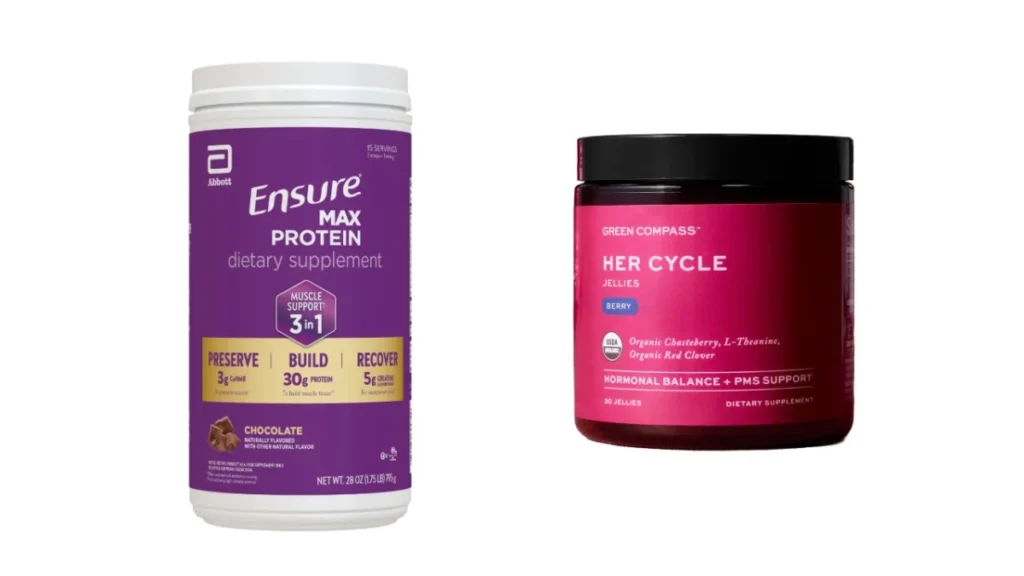
The well-established efficacy of creatine as a supplement for muscle strength, power, and cognitive function has led to its widespread adoption, particularly among athletes and fitness enthusiasts. Now, creatine is poised to reach an even broader consumer base with the introduction of "Ensure Max Protein," a new product from healthcare giant Abbott. This strategic move signifies a significant step in the mainstreaming of creatine, integrating it into a widely recognized nutritional supplement brand.
Abbott, a global leader in healthcare, has long been associated with nutritional products designed to support health and wellness across various life stages. The inclusion of creatine in Ensure Max Protein suggests a deliberate effort to position the ingredient as a beneficial component for general muscle health and potentially for older adults who may experience sarcopenia, the age-related loss of muscle mass and strength. This broadens the perceived application of creatine beyond its traditional athletic niche.
Creatine monohydrate is one of the most extensively studied dietary supplements, with a robust body of scientific evidence supporting its safety and efficacy. Its primary role in the body is to facilitate the recycling of adenosine triphosphate (ATP), the main energy currency of cells. During high-intensity exercise, muscles rely heavily on ATP. Creatine supplementation increases the body’s phosphocreatine stores, which can then be rapidly converted to ATP, thereby enhancing performance in short bursts of intense activity, such as sprinting, weightlifting, and jumping.
Beyond its well-known benefits for athletic performance, research over the past two decades has increasingly highlighted creatine’s positive effects on cognitive function. Studies have demonstrated that creatine supplementation can improve aspects of cognitive performance, particularly in situations of stress, sleep deprivation, or demanding mental tasks. This is attributed to creatine’s role in providing energy to brain cells, which have a high energy demand. The potential cognitive benefits of creatine may be particularly relevant for older adults looking to maintain mental acuity and for individuals experiencing mental fatigue.
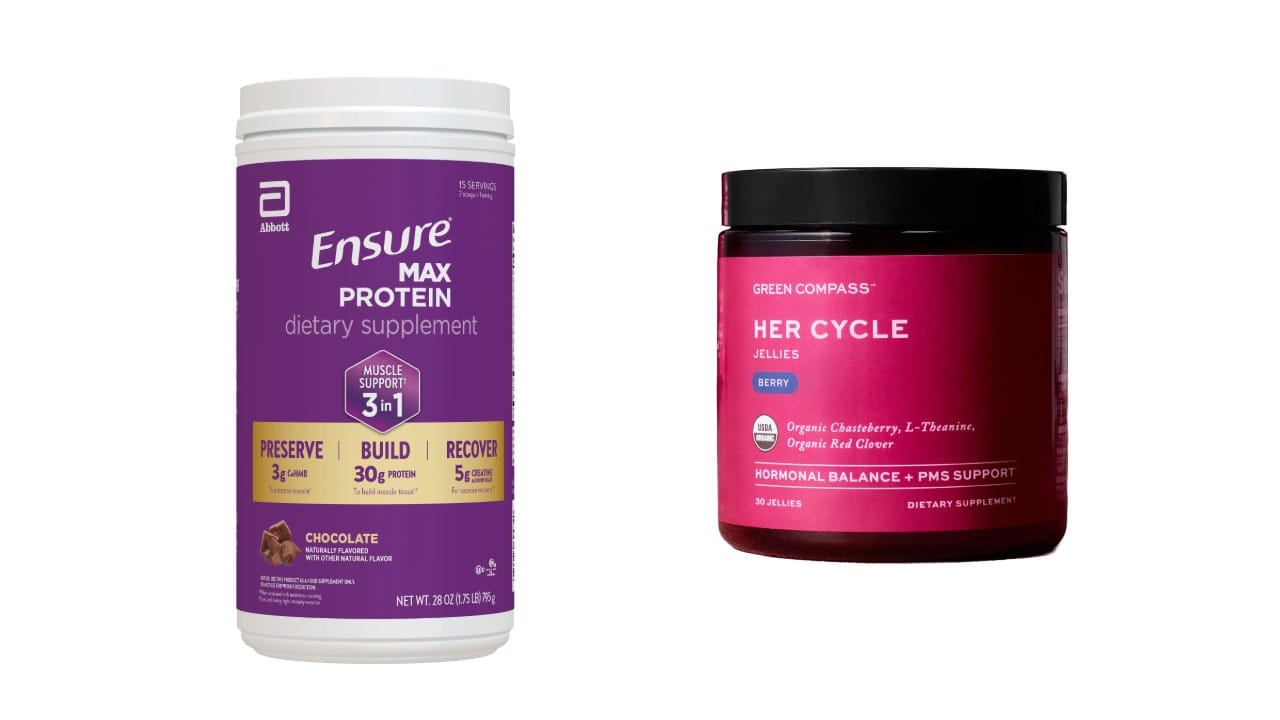
The integration of creatine into Ensure Max Protein, a product likely to be distributed through mainstream retail channels and pharmacies, is a testament to its established scientific credibility and its growing acceptance by the general public. This move by Abbott is expected to:
- Increase Consumer Awareness: By associating creatine with a trusted brand like Ensure, Abbott can introduce the benefits of creatine to a wider audience who may not actively seek out sports nutrition products.
- Broaden Market Reach: This product launch will likely expand the market for creatine beyond traditional sports nutrition stores and online retailers, making it more accessible in supermarkets and pharmacies.
- Legitimize Creatine for General Health: The inclusion of creatine in a general nutritional supplement may help to destigmatize its use and position it as a beneficial ingredient for overall muscle health and potentially cognitive support for a broader demographic, including older adults.
- Drive Further Research and Development: As creatine becomes more mainstream, it may encourage further research into its diverse applications, including its potential in clinical nutrition and therapeutic interventions.
The formulation of Ensure Max Protein with creatine represents a strategic expansion of Abbott’s product portfolio and a significant indicator of creatine’s transition from a niche athletic supplement to a widely recognized health and wellness ingredient. This development underscores the ongoing trend of evidence-based ingredients finding their way into mainstream consumer products, driven by scientific validation and market demand.
Broader Implications and Future Trends
The confluence of these developments – novel ingredient research, gut health innovation, and the mainstreaming of established supplements – paints a picture of a maturing and increasingly sophisticated dietary supplement industry. The scientific validation of ingredients like hexaraphane and the growing understanding of the microbiome’s impact on health are driving innovation. Simultaneously, established ingredients like creatine are finding new applications and reaching broader audiences through strategic product development by major companies.
The emphasis on scientific evidence, as seen in the clinical trial data for hexaraphane, is crucial for consumer trust and regulatory acceptance. As the industry continues to evolve, transparency in sourcing, manufacturing, and scientific backing will remain paramount. The growing consumer demand for natural, science-backed solutions for cognitive health, gut wellness, and overall vitality suggests a bright future for ingredients that can demonstrably meet these needs. The strategic integration of such ingredients into accessible consumer products, as exemplified by Abbott’s Ensure Max Protein, is likely to accelerate market growth and further solidify the role of dietary supplements in supporting public health. The industry is witnessing a shift from anecdotal claims to evidence-based benefits, a trend that bodes well for both consumers and responsible manufacturers.
The information presented in this article is for informational purposes only and does not constitute medical advice. Consumers should consult with a healthcare professional before starting any new supplement regimen.