Summer cookouts and backyard barbecues have long been synonymous with cherished traditions, bringing together friends and family over sizzling grills and communal meals. Historically, these gatherings have featured an array of dishes often rich in carbohydrates and sugars, from classic burger buns and sugary barbecue sauces to potato salads and sweet desserts. However, a significant shift in dietary preferences, particularly the widespread adoption of ketogenic and low-carbohydrate eating plans, is now reshaping this culinary landscape. This evolution presents both a challenge and an exciting opportunity for hosts and guests alike, demonstrating that adherence to specific dietary principles need not mean sacrificing the joy and flavor of communal dining.
The Rise of Ketogenic and Low-Carbohydrate Diets
The ketogenic diet, commonly known as keto, has transcended its origins as a therapeutic diet for epilepsy in the early 20th century to become a mainstream dietary approach for weight management, metabolic health, and enhanced energy levels. At its core, the keto diet emphasizes a high intake of healthy fats, a moderate amount of protein, and a very low intake of carbohydrates—typically limiting net carbs to 20-50 grams per day. This macronutrient composition encourages the body to enter a metabolic state called ketosis, where it primarily burns fat for fuel instead of glucose.

Parallel to the keto diet, broader low-carbohydrate eating approaches have also gained considerable traction. These include variations like Atkins, Paleo, and simply reducing refined sugars and starches, all driven by a growing awareness of the potential negative health impacts of excessive carbohydrate consumption, particularly from processed foods. Motivations for adopting these diets are diverse, ranging from managing type 2 diabetes and insulin resistance to achieving sustainable weight loss, improving cognitive function, and reducing inflammation.
Navigating Social Gatherings: A Chronology of Adaptation
For many years, individuals adhering to strict dietary protocols like keto faced considerable hurdles when participating in social eating events. Traditional cookout fare, with its reliance on bread, sugary marinades, and starchy sides, often left limited compliant options, leading to feelings of exclusion or the need for meticulous personal meal preparation. This early phase was characterized by a perception that dietary restrictions were burdensome, particularly in celebratory contexts.
However, a noticeable shift began to occur as the popularity of low-carb diets surged. This timeline of adaptation saw an increasing demand for alternatives, which gradually spurred innovation within the food industry and among home cooks. Initially, this meant simple substitutions, such as opting for bunless burgers or bringing a personal salad. Over time, the market responded with a proliferation of specialized products: sugar-free condiments, alternative flours (like almond and coconut flour), and low-carb sweeteners. This commercial evolution, coupled with a vast increase in readily available recipes online, transformed the challenge into an opportunity for culinary creativity.
Today, the landscape is far more accommodating. Hosts are often more aware and willing to incorporate diverse dietary needs, and guests on keto or low-carb diets arrive armed with an array of delicious, compliant options, whether for grilling or as a potluck contribution. The emphasis has moved from strict "dietary restriction" to an exploration of "culinary preference," demonstrating that flavor and satisfaction need not be compromised for health goals.
Supporting Data and Market Trends
The growth of the ketogenic and low-carbohydrate market segments provides compelling evidence of this dietary shift. According to recent market analyses, the global ketogenic diet food market size was valued at approximately USD 9.57 billion in 2021 and is projected to expand at a compound annual growth rate (CAGR) of 5.5% from 2022 to 2030. This growth is driven by increasing consumer health consciousness, rising prevalence of obesity and diabetes, and a greater understanding of the benefits associated with reduced sugar and carb intake.
Online search trends further underscore this phenomenon, with terms like "keto recipes," "low-carb meal prep," and "sugar-free alternatives" consistently ranking high in food-related queries. Cookbook sales reflecting these dietary approaches have soared, and even mainstream grocery stores now dedicate significant shelf space to keto-friendly products, including specialized snacks, ready meals, and baking ingredients. Restaurants and catering services are also increasingly offering low-carb options, signaling a broad industry response to consumer demand. This data illustrates a robust and sustained interest in these eating patterns, extending well beyond a fleeting fad.
Expert Perspectives on Inclusive Dining
Nutritionists and dietitians widely acknowledge the growing need for inclusive dining practices, particularly in social settings. Dr. Anya Sharma, a registered dietitian specializing in metabolic health, notes, "The key to sustainable dietary adherence, especially for long-term health goals, is finding ways to integrate it seamlessly into your social life. Preparing delicious, compliant dishes for shared meals not only helps individuals stay on track but also educates others about the versatility and flavor potential of these eating styles." She emphasizes the importance of focusing on whole, unprocessed foods, regardless of the specific dietary framework.
Food industry experts have also weighed in on the innovative approaches brands are taking. Mr. David Chen, a food product development consultant, states, "The demand for ‘better-for-you’ options, particularly low-carb and sugar-free, has pushed manufacturers to innovate rapidly. We’re seeing tremendous advancements in ingredients that mimic the texture and taste of traditional components without the high carb count. This allows companies like Perfect Keto to offer genuinely satisfying solutions that don’t feel like a compromise." He highlights the rising consumer expectation for transparency in ingredients and nutritional information.
Community leaders and influencers within the keto space often share strategies for successful social eating. Ms. Emily Rask, a popular keto blogger and cookbook author, advises, "The best approach is to be prepared. Either bring a dish you know is compliant and delicious, or communicate with your host beforehand. The goal isn’t to be restrictive, but to enjoy food that nourishes you and tastes great. When you show up with something like a flavorful turkey burger or a vibrant chicken salad that everyone enjoys, it dispels misconceptions about ‘diet food.’"
Culinary Innovation: Showcasing Flavor Without Compromise
The development of specific recipes exemplifies how culinary innovation is making keto and low-carb living not just manageable, but genuinely enjoyable, even at festive cookouts. These recipes demonstrate that the absence of high-carb ingredients can be an opportunity to explore bold flavors and creative presentations.
-
Zesty Chipotle Lime Turkey Burgers: Traditional beef burgers are a cookout staple, often served on a carb-heavy bun. This recipe innovates by utilizing lean turkey, which offers a lighter profile, and infusing it with vibrant flavors like fresh cilantro, zesty lime, and smoky chipotle. The emphasis shifts from the bun to the patty itself, which is then elevated with creamy chipotle mayo, fresh avocado, and a variety of low-carb toppings, often served in a lettuce wrap or on its own. This approach transforms a simple burger into a gourmet experience that is both satisfying and keto-compliant, appealing to a broader audience than just those on a specific diet.
-
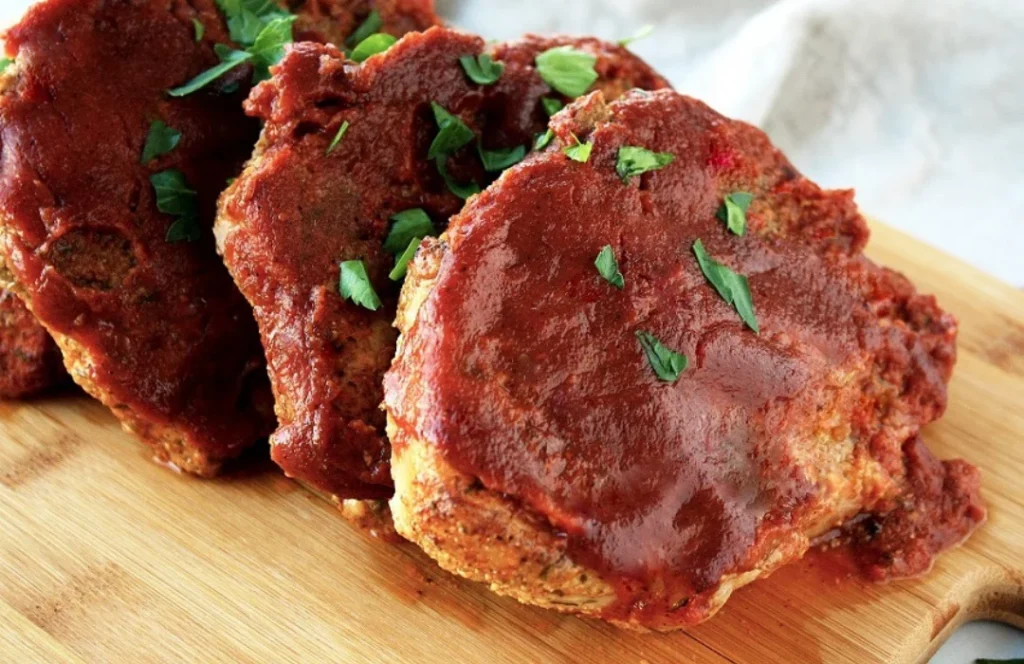
Baked Keto Pork Chops: Pork chops are versatile and can be prepared in numerous ways. The challenge for keto adherents lies in avoiding sugary marinades or carb-heavy breadings. This recipe addresses that by using a crispy parmesan and herb coating, which provides a rich, savory crust without added carbs. The result is a flavorful, juicy chop that pairs perfectly with sugar-free BBQ sauce and grilled vegetables, offering a robust main course that stands shoulder-to-shoulder with any traditional grilled meat.
-
Crispy Keto Chicken Tenders: Chicken tenders are a universally loved dish, especially popular with families. The conventional version, however, typically involves a wheat-flour breading. This keto adaptation ingeniously replaces wheat flour with almond flour, combined with parmesan cheese and herbs, to create an equally crispy exterior and juicy interior. These tenders are ideal for dipping in sugar-free BBQ sauce, making them a crowd-pleaser that satisfies cravings for comfort food while adhering to low-carb principles.
-
20-Minute Blackened Chicken: This recipe epitomizes efficiency and flavor. Blackening spices, typically a robust blend of Cajun-inspired herbs and spices, offer a smoky kick without relying on sugar. This quick-cooking method makes it an ideal option for grilling, delivering intense flavor in a short amount of time. It can be served as a standalone main dish directly from the grill or sliced and incorporated into fresh salads, offering versatility for various meal preparations and proving that fast food can indeed be healthy and flavorful.
-
Homemade Keto BBQ Sauce: One of the biggest hidden sources of sugar in cookouts is commercial barbecue sauce. Many popular brands contain significant amounts of high-fructose corn syrup or other added sugars. This homemade recipe is a crucial innovation, providing a sweet, smoky, and tangy sauce that is entirely sugar-free. Crafting it at home allows for complete control over ingredients, ensuring compliance while delivering the quintessential BBQ flavor profile that enhances burgers, chicken, and pork chops alike, making it an indispensable condiment for any keto-friendly grill master.
-
Easy Keto Chicken Salad: Often, side dishes at cookouts are carb-heavy, like potato salad or pasta salad. A keto chicken salad offers a refreshing and equally satisfying alternative. It’s a make-ahead favorite, providing a cool, creamy, and protein-rich dish that complements grilled meats perfectly. Served in lettuce wraps or alongside fresh vegetables, it provides a versatile option that can function as a light summer lunch or a substantial side, showcasing how classic comfort foods can be reimagined for a low-carb lifestyle.
Broader Impact and Implications
The integration of keto and low-carb options into mainstream social gatherings carries significant implications across various domains.
- Health Implications: By offering delicious low-carb alternatives, these recipes contribute to a reduction in overall sugar and refined carbohydrate intake at events traditionally associated with indulgence. This can have positive effects on blood sugar regulation, weight management, and metabolic health for individuals, ultimately promoting healthier eating patterns without feeling deprived.
- Social Inclusivity: The availability of such options fosters greater inclusivity at social events. Individuals with specific dietary needs, whether due to health conditions like diabetes or personal preferences, can fully participate in the communal dining experience without feeling isolated or resorting to restrictive, less appealing choices. This normalization of diverse eating habits enriches the social fabric of gatherings.
- Economic Implications: The rising demand for keto and low-carb products continues to drive innovation and growth within the food industry. This creates new market opportunities for ingredient suppliers, food manufacturers, and specialized brands, leading to a broader array of choices for consumers. The economic impact extends from small businesses specializing in keto-friendly products to large corporations adapting their product lines.
- Culinary Evolution: These dietary trends are pushing culinary boundaries, encouraging chefs and home cooks to experiment with alternative ingredients and creative flavor combinations. This fosters a more dynamic and innovative food culture, where taste and nutrition are not mutually exclusive but rather complementary aspects of well-crafted dishes.
In conclusion, the evolution of summer cookouts to embrace ketogenic and low-carbohydrate options is more than just a passing trend; it reflects a broader societal shift towards health-conscious eating and culinary adaptability. As brands like Perfect Keto continue to provide accessible and flavorful recipes, they empower individuals to enjoy every aspect of their social lives without compromising their dietary goals. The grill is ready, and the diverse, delicious future of communal dining is here.