





The international medical community is mourning the death of Martin O. Savage, Emeritus Professor of Pediatric Endocrinology at the William Harvey Research Institute, Barts and The London School of Medicine & Dentistry, Queen Mary University of London. Professor Savage, a figure of immense influence in the field of pediatrics and endocrinology, died on February 24, 2026. Known as a clinician-scientist of the highest caliber, his work spanned decades and fundamentally altered the way growth disorders and hormonal transitions are managed globally. His passing marks the end of an era for the Queen Mary University of London and the various international societies he led with distinction.
Throughout a career that balanced rigorous scientific inquiry with compassionate clinical practice, Professor Savage became a beacon for aspiring pediatricians. His contributions to the understanding of the growth hormone (GH) and insulin-like growth factor I (IGF-I) axis, as well as his groundbreaking work on Cushing’s syndrome in children, have provided the foundation for modern therapeutic protocols. Beyond his laboratory and clinical successes, he was celebrated for his role as a mentor, nurturing a generation of endocrinologists across the United Kingdom and the international stage.
A Legacy of Clinical Excellence and Scientific Innovation
Professor Savage’s career was defined by a rare ability to bridge the gap between bench science and bedside care. At the heart of his scientific legacy was his work on growth hormone resistance. His molecular dissection of these disorders allowed for a deeper understanding of the genetic and biochemical underpinnings of growth failure in children. By identifying specific mutations and pathways, Savage and his team at the William Harvey Research Institute provided clarity for families who previously had few answers regarding their children’s developmental challenges.

His research into Cushing’s syndrome—a condition characterized by excess cortisol—was equally transformative. In pediatric populations, Cushing’s presents unique challenges, particularly regarding growth suppression and pubertal development. Savage’s clinical observations and published studies helped refine the diagnostic criteria and surgical management of these young patients, significantly improving long-term outcomes and quality of life.
The Architect of Transition Endocrinology
Perhaps one of Professor Savage’s most enduring contributions to the medical field was his conceptualization and founding of "Transition Endocrinology." Before Savage’s advocacy, the handover of care for adolescent patients moving from pediatric to adult services was often fragmented. This "gap" in care frequently led to poor treatment adherence and adverse health outcomes for young adults with chronic endocrine conditions.
Recognizing this systemic failure, Savage championed a model of pediatric-adult collaboration. He argued that the transition from childhood to adulthood was not merely a change in age but a complex physiological and psychological process that required joint care. He established clinics where pediatric and adult endocrinologists worked side-by-side, ensuring that patients were not "lost in the system." This model has since been adopted by hospitals worldwide, becoming the gold standard for the management of chronic conditions during adolescence.
Formative Years and the Influence of a Medical Dynasty
The trajectory of Martin Savage’s life was shaped by a rich intellectual and medical heritage. Born into a family where literature and science intersected, he was the son of Oswald Savage, one of the United Kingdom’s first rheumatologists. Oswald’s professional connections were formidable; he was a contemporary and friend of Dr. Philip Hench, who received the Nobel Prize in 1950 for the development of cortisone. This exposure to high-level scientific discourse from a young age undoubtedly influenced Martin’s eventual career path.
His mother, Kitty, was a journalist and an accomplished writer of historical books for children. From her, Martin inherited a literary precision that would later define his medical writing and his 2023 memoir, "Reflections of an Itinerant Lecturer." This dual influence of scientific rigor and narrative clarity made him one of the most effective communicators in the medical profession.
Educated at Eton College, Savage initially pursued modern languages at Magdalene College, Cambridge. His talent for linguistics was evident early on, and he remained a lifelong Europhile. However, a gap year and the encouragement of his godfather, a general practitioner, led him to pivot toward medicine. This decision proved providential for the field of endocrinology. Even as he shifted his focus, his linguistic skills and cultural fluency allowed him to build bridges across the European medical community throughout his life.
Leadership on the International Stage
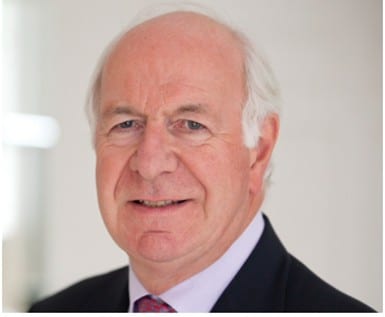
Professor Savage’s influence extended far beyond the borders of the United Kingdom. His role within the European Society for Paediatric Endocrinology (ESPE) was particularly significant. Serving as Secretary-General from 1997 to 2024, he was a stabilizing and visionary force for the organization. Under his stewardship, ESPE expanded its educational reach and solidified its position as a premier global authority on childhood endocrine disorders.
His colleagues within the society remember him as a "senior statesman," a man who could navigate complex international collaborations with a quiet, gentle confidence. He was instrumental in organizing flagship educational activities that brought cutting-edge medical knowledge to developing regions, reflecting his belief that high-quality endocrine care should be a global standard rather than a regional privilege.
Chronology of a Distinguished Career
The professional timeline of Professor Martin O. Savage is marked by consistent achievement and recognition:
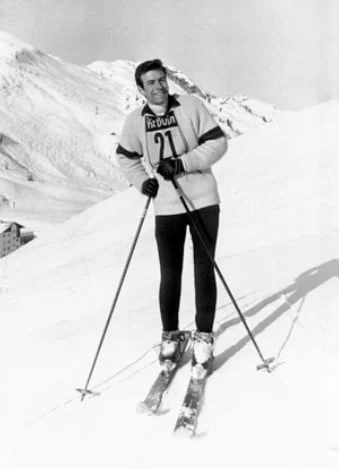
- 1964: Represented Cambridge University in skiing, earning a prestigious "Blue."
- Early 1970s: Completed medical training and began specializing in pediatrics.
- 1997–2024: Served as Secretary-General of the European Society for Paediatric Endocrinology (ESPE).
- 2007: Awarded the ESPE Andrea Prader Award, the society’s highest honor for leadership and excellence.
- 2018: Received the American Human Growth Foundation Visionary Award.
- 2022: Honored with the British Society for Paediatric Endocrinology and Diabetes (BSPED) James Tanner Award.
- 2023: Published his memoir, "Reflections of an Itinerant Lecturer," detailing his global travels and medical philosophy.
- 2025: Awarded the Royal College of Paediatrics and Child Health (RCPCH) James Spence Medal, the highest honor in UK pediatrics.
- February 24, 2026: Professor Savage passed away, leaving a legacy of clinical and academic excellence.
Scientific Analysis and Broader Implications
The impact of Professor Savage’s work can be measured in the lives of thousands of patients who benefited from his research into the GH-IGF-I axis. In the late 20th century, growth hormone deficiency was often treated as a monolithic condition. Savage’s work was instrumental in demonstrating the heterogeneity of growth disorders. By identifying patients with growth hormone insensitivity (Laron syndrome), he helped pave the way for the use of recombinant IGF-I therapy, providing a therapeutic option where none previously existed.
Furthermore, his advocacy for "Transition Endocrinology" has had broad implications for healthcare policy. It highlighted the economic and clinical benefits of preventing "dropout" among young adult patients. Data from clinics modeled on Savage’s principles show significant reductions in emergency admissions and long-term complications for conditions such as Type 1 diabetes and adrenal insufficiency.
Personal Attributes and Community Reaction
Despite his formidable list of accolades, those who worked with Professor Savage consistently describe him as a modest and thoughtful man. He was a "Blue" in skiing at Cambridge, an avid golfer, and a talented tennis player—pursuits he approached with the same quiet dedication he applied to his medical research.
The reaction to his passing from the academic community has been one of profound respect. Statements from Barts and The London School of Medicine emphasize his "boundless energy" and his "devotion to improving the endocrine care of children." Former students have taken to professional forums to recall his bedside manner—how he would gently take a medical history from a child, ensuring the patient felt seen and respected rather than merely treated as a clinical case.
His marriage to Elisabeth and their family life with children Caroline and Oliver were central to his identity. In his later years, his memoir reflected a man who viewed medicine not just as a career, but as a "creative endeavor" molded by family, education, and a deep sense of service.
A Lasting Influence on Pediatric Medicine
Professor Martin O. Savage’s legacy is preserved in the textbooks he authored, the societies he led, and the transition clinics that bear the hallmark of his philosophy. As an emeritus professor, his influence continued to be felt long after his formal retirement, as he remained a sought-after lecturer and mentor.
The James Spence Medal he received in 2025 served as a fitting capstone to a career dedicated to the advancement of child health. In the words of his peers, Savage did not just study medicine; he advanced the "art and science" of the discipline. His life’s work ensures that the transition from childhood to adulthood for patients with endocrine disorders is now a journey taken with a map and a guide, rather than a leap into the unknown. He leaves behind a medical landscape that is more collaborative, more scientific, and infinitely more compassionate.