








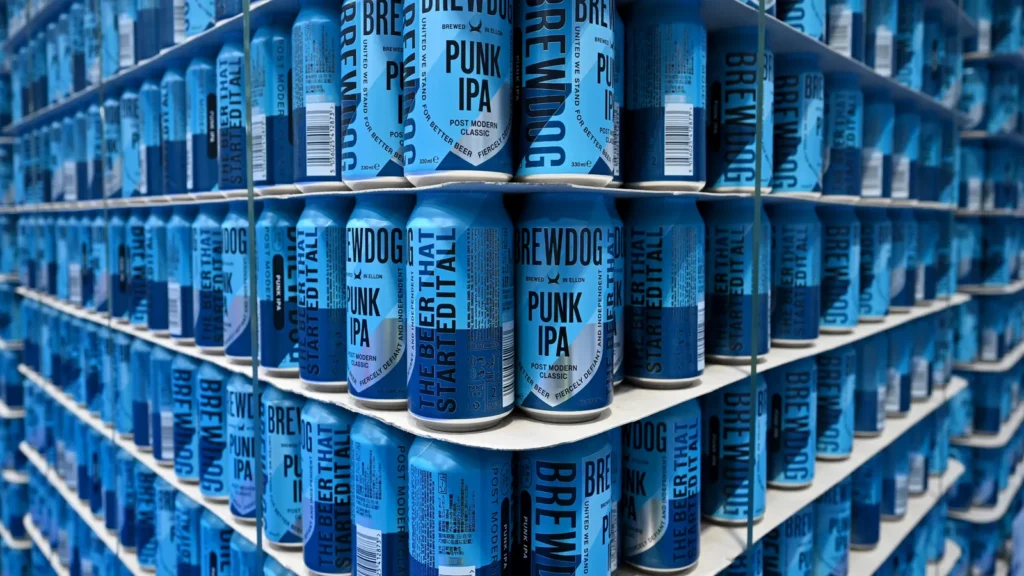
In a significant strategic maneuver aimed at diversifying its revenue streams and amplifying its global footprint, cannabis and alcohol conglomerate Tilray Brands has announced the acquisition of the embattled UK-based beer giant, BrewDog. The deal, valued at approximately $44 million, is poised to propel Tilray’s annual global beverage revenue to an impressive $500 million, marking a substantial leap forward in its ambitious expansion strategy beyond its core cannabis operations. This acquisition, finalized on March 4, 2026, signals a critical turning point for both companies, offering a potential lifeline to BrewDog while simultaneously bolstering Tilray’s position in the competitive global beverage market.
Tilray’s Strategic Pivot Towards Diversification
For Tilray Brands, this acquisition represents a continuation of a deliberate and aggressive strategy to build a robust and diversified portfolio of alcoholic beverages. Historically rooted in the cannabis industry, the company has increasingly recognized the imperative to reduce its reliance on a single, and at times volatile, market. This diversification is not a new development; Tilray has been systematically acquiring established beverage brands over the past few years, demonstrating a clear vision for becoming a major player across multiple consumer goods sectors.
The company’s existing beverage portfolio already includes a notable presence in the craft beer segment. Prior acquisitions, such as those of Shock Top, Redhook Brewery, and Sweetwater Brewery, have laid the groundwork for this expansion. These moves have not only expanded Tilray’s market share in the United States but have also provided valuable operational experience and established distribution networks. The integration of BrewDog, a brand with a significant international presence, is expected to significantly accelerate Tilray’s global ambitions, particularly in the United Kingdom and other previously underdeveloped international markets.
BrewDog’s Tumultuous Journey and the Path to Acquisition
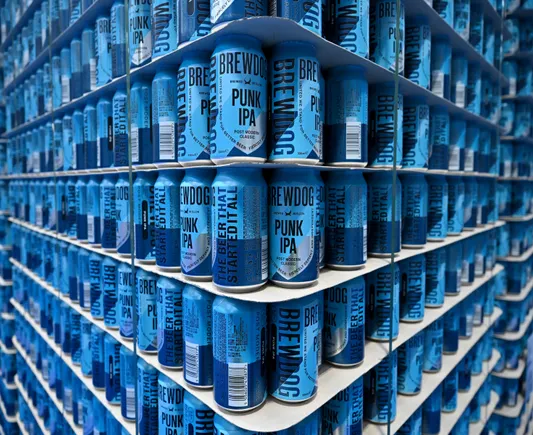
BrewDog, a company that once commanded a valuation exceeding $2 billion, has experienced a dramatic downturn in recent years, leading to its current acquisition at a fraction of its former worth. Founded in 2007, the Scottish craft brewery rapidly gained notoriety for its innovative marketing, distinctive beers, and a rebellious brand ethos. It became a symbol of the craft beer revolution, expanding its reach through numerous bars and a loyal global following.
However, the company has faced considerable headwinds. Reports from sources such as Bloomberg indicated that BrewDog had been actively seeking a buyer, engaging financial advisors to navigate a sale process. This period of financial strain culminated in the sale to Tilray. The acquisition has been framed as a critical intervention, reportedly saving 733 jobs. Nevertheless, the restructuring associated with the deal has led to significant job losses, with nearly 500 employees reportedly being laid off. Furthermore, 38 of BrewDog’s bars were not included in the acquisition and have since closed, a stark illustration of the financial challenges the company has been grappling with. The BBC reported that equity holders are unlikely to see any return on their investment, underscoring the severity of BrewDog’s financial predicament.
The $44 million price tag is a stark indicator of the broader struggles within the craft beer market. Data from the Brewers Association has highlighted a challenging environment for craft breweries in the United States, with closings outpacing openings in the first half of 2025. This trend, a 1% decline compared to the same period in the previous year, suggests a market facing saturation, evolving consumer preferences, and increasing operational costs. BrewDog’s acquisition at this valuation reflects these industry-wide pressures and the diminished financial standing of the once-dominant craft brewer.
A New Chapter Under Tilray’s Leadership
Irwin D. Simon, CEO of Tilray Brands, expressed optimism regarding the acquisition and the future of BrewDog under its new ownership. In a formal statement, Simon articulated a clear strategic direction: "As we begin a new chapter for this great brand, our priority is to refocus BrewDog on the craft beer excellence that made it beloved in the first place and strategically invest to return the operations to profitable growth." He further emphasized Tilray’s commitment to BrewDog’s enduring legacy, stating, "BrewDog’s future is bright, and we are committed to ensuring the brand continues to lead and inspire the global craft beer movement."

This commitment suggests a strategic realignment focused on BrewDog’s core strengths: its craft beer heritage and innovation. The infusion of capital and strategic guidance from Tilray is intended to revitalize the brand’s operational efficiency and financial performance. The company’s leadership appears poised to leverage BrewDog’s established brand recognition and product portfolio while implementing measures to ensure sustainable profitability.
Expanding Global Beverage Horizons
The BrewDog acquisition is not an isolated event but rather a key component of Tilray’s broader strategy to expand its presence in international beverage markets. The company has been actively pursuing opportunities in imported beers and international brews, a sector that has shown resilience and potential for growth.
A significant development in this ongoing strategy occurred just last month with Tilray’s announcement of a licensing agreement with the Carlsberg Group. This partnership grants Tilray the rights to produce, market, and sell the Danish brewing giant’s extensive beer portfolio within the United States. This move not only broadens Tilray’s offering in the U.S. market but also establishes a strategic alliance with one of the world’s leading brewing companies, further solidifying its position in the global beverage landscape. The BrewDog acquisition complements this by providing a strong European base and a well-recognized brand to leverage in international markets.
The Broader Implications for the Beverage Industry
The acquisition of BrewDog by Tilray Brands carries several significant implications for the broader beverage industry:

- Consolidation in Craft Beer: The deal underscores a trend of consolidation within the craft beer sector. Smaller or struggling brands may find themselves acquired by larger entities that can offer financial stability and expanded distribution. This could lead to a more concentrated market, with fewer, larger players dominating.
- Cannabis Companies’ Diversification Strategy: Tilray’s aggressive expansion into the alcohol sector highlights a growing trend among cannabis companies to diversify their revenue streams. As the cannabis market matures and faces regulatory uncertainties, companies are seeking to leverage their capital and market access to enter more established and stable consumer goods industries.
- Global Brand Integration: The successful integration of BrewDog into Tilray’s global beverage portfolio will be a key indicator of Tilray’s ability to manage and grow diverse international brands. The company’s experience with its existing U.S. acquisitions will be put to the test as it navigates the complexities of the European market.
- Consumer Impact: For consumers, the acquisition may mean greater accessibility to BrewDog products through Tilray’s expanded distribution channels. However, it also raises questions about potential changes to BrewDog’s brand identity and product innovation as it aligns with Tilray’s corporate objectives. The focus on returning to "craft beer excellence" suggests an intention to maintain brand integrity, but the financial pressures may lead to shifts in product strategy or pricing.
A Look Ahead
Tilray Brands’ acquisition of BrewDog is a bold move that underscores the company’s ambition to become a global powerhouse in the beverage alcohol industry. By integrating BrewDog’s established brand and international presence with its existing portfolio and strategic partnerships, Tilray aims to achieve significant revenue growth and market diversification. The success of this venture will depend on Tilray’s ability to navigate the complexities of the craft beer market, revitalize the BrewDog brand, and effectively integrate it into its expanding global operations. As the industry watches, this strategic acquisition marks a pivotal moment in Tilray’s evolution from a cannabis company to a diversified global consumer goods conglomerate.