






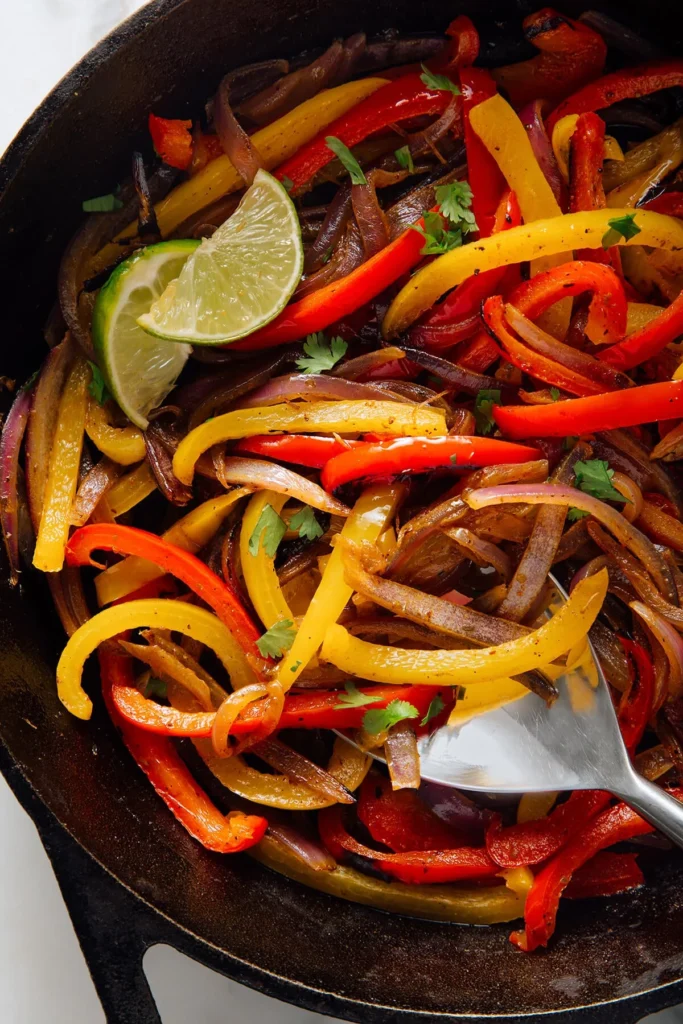
A significant culinary development is set to transform home kitchens as Kathryne Taylor, the acclaimed food blogger behind Cookie and Kate, has officially released a meticulously crafted recipe for sizzling fajita vegetables. This new offering, inspired by the vibrant flavors of Tex-Mex cuisine and the popular vegetable medley found in Chipotle burrito bowls, promises to elevate everyday meals with its unique combination of caramelized edges, tender texture, and bright, zesty finish. The recipe, which reportedly underwent extensive testing to achieve its desired characteristics, is lauded for its foolproof method, swift preparation time of under 20 minutes, and remarkable versatility, positioning it as a cornerstone for healthy, flavorful, and adaptable meal planning.
The Genesis of a Culinary Staple: From Blog to Bestseller

Kathryne Taylor, a recognized figure in the online food community since launching Cookie and Kate in 2010, has built a reputation as a "vegetable enthusiast" and "bestselling cookbook author." Her platform has consistently championed real food and wholesome ingredients, advocating for a plant-forward approach to cooking. The introduction of this fajita vegetable recipe is a natural extension of her culinary philosophy, addressing a growing consumer demand for accessible, healthy, and satisfying vegetarian options that do not compromise on flavor or texture.
The inspiration for this particular dish stems directly from the ubiquity of Tex-Mex cuisine in American dining and the specific popularity of vegetable-laden offerings at fast-casual chains. Chipotle Mexican Grill, in particular, has played a pivotal role in normalizing and popularizing seasoned, sautéed vegetables as a primary component in burrito bowls, tacos, and salads. Taylor’s objective was to recreate and, in her assessment, enhance this familiar flavor profile and texture experience for the home cook, ensuring a result that is both authentic in spirit and optimized for domestic preparation.
Meticulous Development: The Quest for Perfect Texture

The journey to perfecting this fajita vegetable recipe was not without its challenges, according to Taylor. She describes a rigorous testing process, emphasizing that "it took me quite a few tries to nail the texture that I had in mind." Her specific aim was a delicate balance: peppers and onions that were distinctly caramelized on their edges, thoroughly cooked to a tender state, yet crucially, "far from mushy." This pursuit of a nuanced texture underscores a broader trend in contemporary home cooking, where culinary enthusiasts increasingly seek professional-grade results from straightforward recipes. The successful culmination of this development process, Taylor asserts, has yielded a "simple and foolproof method" now accessible to her expansive audience.
This dedication to texture is a key differentiator in the crowded online recipe landscape. While many recipes offer flavor, achieving specific textural attributes like the "caramelized yet tender" quality of perfectly cooked fajita vegetables often requires precise technique and an understanding of ingredient science. The final recipe reflects this commitment, offering a guide that demystifies what might otherwise be a challenging culinary aspiration for many home cooks.
Understanding the Method: A Symphony of Sizzle and Steam

The brilliance of Taylor’s fajita vegetable recipe lies in its carefully considered methodology, which integrates several strategic techniques to achieve optimal results. Each tip is not merely an instruction but a deliberate choice designed to enhance the final product’s flavor, texture, and visual appeal.
Firstly, the selection of bell peppers is critical. While some commercial establishments, including Chipotle, might utilize green bell peppers, Taylor explicitly recommends "red, orange or yellow bell peppers." This preference is rooted in a fundamental understanding of flavor profiles; these colored peppers are inherently sweeter and possess a more complex flavor spectrum compared to their green counterparts, which can sometimes carry a slightly bitter undertone. This choice contributes significantly to the overall sweetness and vibrancy of the finished dish, making it more appealing as a standalone side or a central ingredient.
Secondly, the choice of cookware and its management are paramount. The recipe advises using a "medium-sized skillet about 10 inches in diameter." While a cast-iron skillet offers a "traditional presentation" often associated with fajitas, known for its superior heat retention and ability to create a deep char, Taylor confirms that "stainless steel also works well," making the recipe accessible to a wider range of home cooks. The crucial innovation, however, lies in the strategic use of a lid. This technique, described as simultaneously "steaming and sautéeing" the vegetables with "minimal oil," is pivotal. It ensures that the vegetables cook through evenly while developing those coveted caramelized edges, all without excessive oil or the risk of burning and setting off a smoke alarm. This controlled cooking environment allows for efficient heat transfer and moisture management, resulting in the ideal tender-crisp texture.

Thirdly, a counter-intuitive but essential tip is to "don’t stir too often." Home cooks are often tempted to constantly agitate vegetables in a pan, but Taylor’s method instructs allowing the vegetables to "sizzle against the pan for a couple of minutes at a time before stirring." This patient approach is fundamental to achieving caramelization. By leaving the vegetables undisturbed, direct contact with the hot pan surface promotes the Maillard reaction, developing rich, savory flavors and the desired golden-brown char on the edges.
Finally, the finishing touches are meticulously applied. A "squeeze of lime juice and salt, to taste," are integral. The lime juice serves a dual purpose: its bright acidity cuts through the inherent sweetness of the caramelized vegetables, providing a refreshing counterpoint, and enhances the overall flavor profile. An additional pinch of salt acts as a flavor amplifier, bringing out the best in all the ingredients. These seemingly minor additions are, in fact, critical to balancing the dish and elevating it from a simple cooked vegetable medley to a truly dynamic culinary experience.
Broader Culinary Impact and Market Trends

The release of this recipe by Cookie and Kate arrives at a time when the global culinary landscape is experiencing significant shifts. There is a growing emphasis on plant-based diets, with market research indicating a substantial increase in vegetarian and vegan food consumption across various demographics. Consumers are increasingly seeking out recipes that are not only nutritious but also flavorful, easy to prepare, and adaptable to diverse meal structures.
This fajita vegetable recipe directly addresses several of these emerging trends:
- Plant-Forward Eating: It provides a delicious and satisfying option for those reducing meat consumption or adhering to vegetarian and vegan diets, without sacrificing taste or texture.
- Time-Efficiency: The "20 minutes or less" preparation time caters to busy individuals and families seeking quick, healthy dinner solutions, a persistent demand in modern households.
- Versatility: Its utility as a side dish, a component in larger meals, or even a breakfast item highlights its adaptability, promoting creativity in the kitchen and potentially reducing food waste by offering multiple uses for leftovers.
- Health and Wellness: Bell peppers and onions are rich in vitamins, antioxidants, and fiber. The recipe’s minimal oil usage aligns with health-conscious cooking practices.
- Culinary Education: Through detailed instructions and explanatory tips, the recipe serves as a valuable educational tool, empowering home cooks to understand and replicate professional-grade techniques.
Industry analysts suggest that the influence of popular food blogs like Cookie and Kate extends beyond individual recipes. They often set trends, introduce new techniques to a mass audience, and contribute to the overall growth of culinary literacy. Recipes that achieve a perfect balance of flavor, texture, and ease of preparation, such as these fajita vegetables, are likely to resonate deeply with consumers and could inspire similar innovations from other culinary content creators.

Serving Suggestions: A Versatile Foundation for Any Meal
One of the most compelling aspects of Taylor’s fajita vegetable recipe is its extraordinary versatility. While traditional Tex-Mex fajitas often feature grilled skirt steak, this vegetable iteration proves to be a robust and flavorful component for a wide array of meals, extending far beyond the conventional.
The recipe positions itself as an ideal foundation for building comprehensive Mexican or Tex-Mex meals. It integrates seamlessly into various popular formats:

- Tacos, Burritos, or Burrito Bowls: The warm, seasoned vegetables can be combined with staples such as black beans, pinto beans, cooked rice (like cilantro lime rice or brown rice), fresh avocado or guacamole, salsa, sour cream, cheese, and various protein options. This modular approach allows for endless customization, catering to individual preferences and dietary needs.
- Salad Bowls: For a lighter, yet equally satisfying option, the fajita vegetables can be incorporated into salad bowls. Paired with crisp romaine lettuce or other greens, a vibrant cilantro-lime dressing, cheese, and crumbled tortilla chips, they transform a simple salad into a hearty and flavorful main course. This addresses the demand for meals that are both healthy and exciting, moving beyond mundane salad preparations.
- Breakfast Applications: Highlighting its truly expansive utility, the recipe suggests that "leftover veggies reheat well" and are particularly delightful when served with scrambled or fried eggs. Enhanced with cheese, sour cream, and crumbled tortilla chips, this transforms the vegetables into a savory and substantial breakfast, offering a creative solution for morning meals and demonstrating the recipe’s ability to span meal categories.
This extensive list of serving suggestions underscores the recipe developer’s foresight in creating a dish that is not merely a single-purpose item but a dynamic culinary building block. In a world where meal planning and efficient use of ingredients are increasingly valued, such versatility is a significant asset, allowing home cooks to maximize their efforts and minimize food waste.
The Future of Home Cooking: Accessibility and Innovation
The launch of Kathryne Taylor’s fajita vegetable recipe by Cookie and Kate represents more than just another addition to an already extensive online recipe database. It signifies a continued evolution in how culinary knowledge is shared and consumed. By meticulously developing a recipe that addresses common cooking challenges (achieving perfect texture, balancing flavors, ensuring quick preparation) and then clearly articulating the methods and the "why" behind them, Taylor empowers her audience.

This approach aligns with a broader movement towards making sophisticated cooking techniques accessible to the everyday cook. As consumers continue to prioritize health, flavor, and convenience, recipes that offer innovative yet practical solutions will undoubtedly continue to gain prominence. The fajita vegetable recipe, with its blend of Tex-Mex inspiration, refined technique, and adaptable applications, is poised to become a new favorite in countless home kitchens, further solidifying Cookie and Kate’s position as a leading voice in contemporary vegetarian and whole-food cooking. The anticipation within the culinary community for this recipe’s widespread adoption underscores its potential to leave a lasting mark on the landscape of home-cooked meals.