









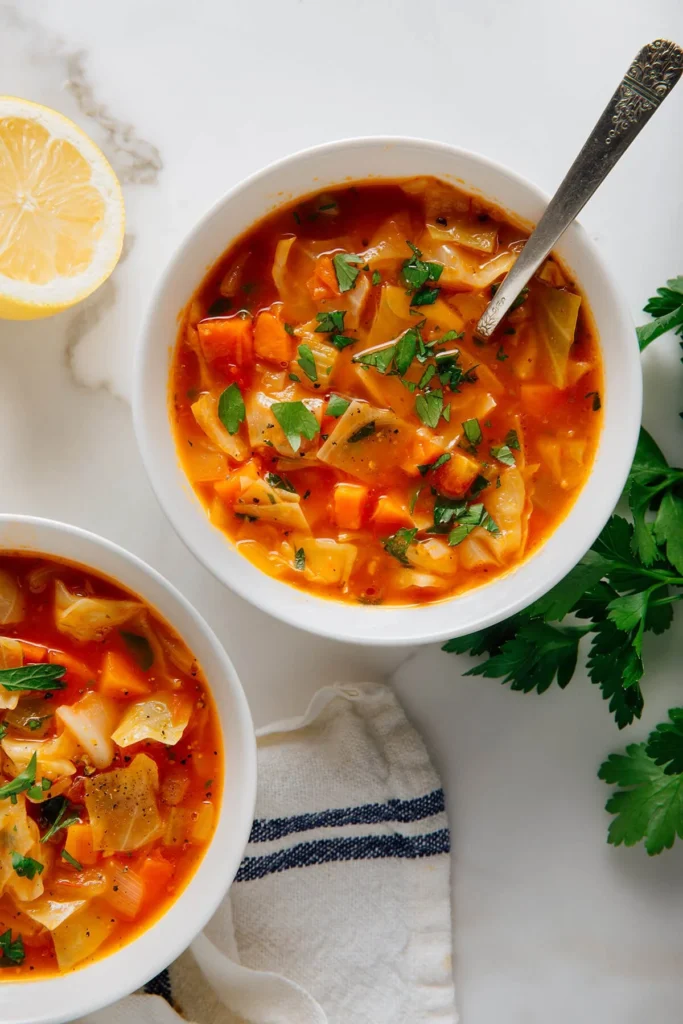
In an era marked by increasing health consciousness and a global focus on sustainable, budget-friendly eating, cabbage soup is experiencing a significant resurgence, transcending its historical reputation as a humble, utilitarian dish. Once primarily associated with austere diets or Eastern European culinary traditions, this versatile and nutrient-dense preparation is being rediscovered as a vibrant, accessible option for modern tables, offering a compelling blend of nutritional benefits, economic practicality, and surprising culinary depth. Its adaptability, particularly in contemporary iterations like an Italian-inspired rendition featuring a bright, light flavor profile, positions it as an ideal choice for individuals seeking to reintegrate healthy eating habits without compromising on taste or financial prudence, especially as a warming winter alternative to lighter salads.
Historical Roots and Cultural Significance of Cabbage

The journey of cabbage, and by extension cabbage soup, through culinary history is extensive and multifaceted. Cabbage (Brassica oleracea var. capitata) is believed to have originated in the Mediterranean region, with its wild ancestor, wild mustard, cultivated for thousands of years. Ancient Greeks and Romans valued cabbage not only for its nutritional content but also for perceived medicinal properties, using it to treat various ailments. Pliny the Elder, for instance, documented its use in Roman society. Over centuries, as agricultural practices evolved and trade routes expanded, cabbage made its way across Europe, becoming a foundational crop, particularly in cooler climates where it could be stored through harsh winters.

It is in Eastern Europe, however, that cabbage soup truly solidified its place as a culinary cornerstone. Dishes like Russian shchi, Ukrainian kapusniak, and Polish kapuśniak demonstrate the profound cultural integration of cabbage into regional diets. These soups, often robust and hearty, served as staple meals, providing essential sustenance during periods of scarcity and long, cold winters. They evolved to incorporate local ingredients, from various meats and potatoes to fermented cabbage (sauerkraut), showcasing the ingredient’s remarkable ability to absorb and enhance diverse flavor profiles. The enduring popularity of these traditional soups underscores cabbage’s historical role as a reliable, affordable, and nourishing food source for broad populations. The modern reinterpretation, while borrowing from these historical foundations, often streamlines ingredients and lightens the overall profile, aligning with contemporary dietary preferences for fresher, more acidic notes.
Nutritional Powerhouse: The Health Benefits of Cabbage

Beyond its historical and economic significance, cabbage stands out as a cruciferous vegetable, a family renowned for its exceptional health benefits. Like its botanical cousins – broccoli, kale, and Brussels sprouts – cabbage is a nutritional powerhouse, packed with an array of vitamins, minerals, and potent plant compounds. A single serving of cabbage provides a significant portion of the recommended daily intake for Vitamin K, crucial for blood clotting and bone health, and Vitamin C, a powerful antioxidant vital for immune function and skin integrity. It also contains notable amounts of folate, manganese, and Vitamin B6.
Perhaps even more compelling are the phytonutrients found in cabbage, particularly glucosinolates. When cabbage is chopped or chewed, these compounds are converted into isothiocyanates and indoles, which have been extensively studied for their potential anti-cancer properties. Research suggests these compounds may help detoxify harmful substances, reduce inflammation, and inhibit the growth of cancer cells. Furthermore, cabbage is an excellent source of dietary fiber, offering both soluble and insoluble types. Soluble fiber aids in cholesterol reduction and blood sugar control, while insoluble fiber promotes digestive regularity and overall gut health. The presence of antioxidants such as anthocyanins (especially in red cabbage) and various polyphenols contributes to its anti-inflammatory effects, helping to mitigate chronic disease risks. Nutrition experts consistently advocate for the inclusion of cruciferous vegetables like cabbage in a balanced diet, citing its comprehensive nutrient profile and low caloric density, making it an ideal component for weight management and overall wellness strategies. A typical serving of cabbage contains approximately 22 calories, 2.3 grams of fiber, and 36.6 mg of Vitamin C, making it an extremely efficient source of nutrition.
Economic Prudence: Cabbage as a Budget-Friendly Solution

In a global economy grappling with fluctuating food prices and inflationary pressures, the affordability of essential foodstuffs has become a critical concern for households worldwide. Cabbage emerges as an exemplary solution in this context, offering substantial nutritional value at a remarkably low cost. Compared to many other fresh vegetables, particularly leafy greens that often command higher prices and have shorter shelf lives, cabbage is consistently one of the most economical options available in produce aisles. Its robust nature means it can be purchased in bulk and stored for weeks in a crisper drawer, significantly reducing food waste and enabling more efficient meal planning.
This economic advantage is not merely anecdotal; market data frequently illustrates cabbage’s superior cost-effectiveness. For instance, while specialty greens or out-of-season produce can cost several dollars per pound, cabbage typically retails for under a dollar per pound in many regions, making it accessible to a wider demographic. This low cost per serving, combined with its high yield (a small head of cabbage can produce a substantial volume once cooked down), makes it an invaluable asset for budget-conscious consumers and families. Economic analysts specializing in food security often highlight the importance of such staple vegetables in maintaining nutritional standards within tight household budgets, especially during economic downturns or periods of elevated food costs. The ability to transform an entire head of cabbage into a satisfying meal, as demonstrated by the generous quantity used in a typical soup recipe, underscores its efficiency as a culinary ingredient that stretches resources further.
Culinary Adaptability: Beyond the Broth

While celebrated in soup, cabbage’s culinary versatility extends far beyond the confines of a broth. Its distinct texture and mild, slightly peppery flavor allow it to adapt to a multitude of preparations, demonstrating its prowess as a dynamic ingredient in global cuisine. Raw, finely shredded cabbage forms the crunchy base of countless slaws and salads, providing a refreshing counterpoint to richer ingredients. Its crispness and ability to hold dressing make it a superior choice for meal preparation, maintaining its texture longer than more delicate greens.
When subjected to heat, cabbage undergoes a transformative process. Roasting cabbage wedges until caramelized brings out a surprising sweetness and a tender-crisp texture, offering a sophisticated side dish. Stir-frying adds a delicate char and a tender bite, making it a common component in Asian-inspired dishes. Fermentation, perhaps the most ancient method of preserving cabbage, yields sauerkraut and kimchi, both fermented cabbage dishes renowned for their probiotic benefits and intense, tangy flavors that enhance a wide array of meals.
The specific Italian-inspired cabbage soup recipe exemplifies this adaptability, moving beyond the traditional Eastern European profiles. By building a flavor base with classic soffritto (carrots, onion, celery) sautéed in olive oil, then adding fresh garlic and dried oregano, the soup acquires a Mediterranean aromatic foundation. The inclusion of crushed tomatoes introduces a rich umami depth and vibrant color, while a finishing touch of lemon juice provides a crucial acidic lift, brightening the overall flavor profile and preventing the soup from tasting heavy or one-dimensional. This strategic layering of flavors demonstrates how a seemingly simple vegetable can be elevated through thoughtful culinary techniques, proving that "good" cabbage soup is not an oxymoron but a testament to its inherent potential. The process of cooking also sees the initially voluminous chopped cabbage shrink significantly as it releases moisture and softens, becoming "silky soft" and integrating seamlessly into the liquid base, contributing to the soup’s satisfying texture.

Crafting the Modern Cabbage Soup: A Recipe Profile
The contemporary approach to cabbage soup, as highlighted by popular culinary resources, emphasizes fresh ingredients and balanced flavors, moving away from the often heavy or bland perceptions of its predecessors. The foundational elements of this specific Italian-inspired recipe begin with a classic mirepoix, or soffritto, comprising carrots, onion, and celery. These aromatic vegetables are gently sautéed in a generous quantity of olive oil, a staple of Mediterranean cooking, until they achieve a tender consistency. This initial step is crucial, as it builds a layer of fundamental flavor that will permeate the entire dish.
Following the softening of the mirepoix, fresh garlic is introduced, providing a pungent aromatic kick, alongside dried oregano, which infuses the soup with its characteristic earthy, slightly peppery, and sweet notes reminiscent of Italian herb blends. The addition of chopped green cabbage, often an entire small head, then transforms the pot. Initially voluminous, the cabbage wilts and shrinks considerably as it sweats out excess moisture and softens through simmering, ultimately contributing a silky texture rather than a crisp bite. The liquid base is enriched with crushed tomatoes, which add both sweetness and acidity, deepening the soup’s body and color. A final, critical component is a squeeze of fresh lemon juice, which provides a bright, acidic counterpoint that "brings this simple soup to life," balancing the flavors and preventing any heaviness. This deliberate sequence of ingredient additions ensures that each component contributes optimally to the final complex yet harmonious taste profile.

Strategic Meal Integration and Customization
While undeniably flavorful and healthful, the modern cabbage soup, particularly in its lighter, vegetable-focused iterations, is designed to be a versatile component of a broader meal rather than a standalone entrée for maximum satiety. Its low calorie and protein content mean it serves optimally as a nutritious side dish or a light appetizer, effectively complementing heavier main courses or rounding out protein-centric meals. For example, pairing it with a robust salad, such as a Farro and Kale Salad with Goat Cheese, transforms it into a more substantial and nutritionally complete lunch or dinner option, offering a balance of complex carbohydrates, healthy fats, and protein.
Alternatively, its light character makes it an excellent accompaniment to comfort foods like a classic grilled cheese sandwich or a cheesy pizza, such as an Ultimate Veggie Pizza or a Butternut Squash Pizza with Arugula-Pepita Pesto, where the soup provides a refreshing, vegetable-laden counterpoint to richer fare. For a vegetarian brunch or lunch, serving cabbage soup alongside a Butternut Squash Frittata with Fried Sage offers a harmonious blend of savory flavors and textures.

For those seeking to elevate the soup to a more complete meal, particularly within a vegan framework, strategic additions are easily incorporated. A rinsed and drained can of chickpeas, added during the simmering phase, significantly boosts the soup’s protein and fiber content, making it more filling and nutritionally balanced. This adaptability ensures the soup aligns with diverse dietary preferences, including vegan and gluten-free lifestyles. When served with other plant-based dishes like Hummus Quesadillas or a Best Vegan Lasagna, the cabbage soup contributes essential vegetables and a vibrant flavor profile, creating a wholesome and satisfying plant-forward feast. Its inherent flexibility underscores its utility in contemporary meal planning, allowing for effortless customization to suit individual caloric and macronutrient requirements.
The Broader Implications: A Call for Mindful Eating
The renewed appreciation for dishes like cabbage soup signals a broader societal shift towards more mindful eating practices. This trend encompasses a greater emphasis on whole, unprocessed foods, an increased awareness of food sourcing and sustainability, and a growing desire for meals that are both nourishing and accessible. Cabbage soup, with its simple ingredients, ease of preparation, and profound health benefits, perfectly embodies these contemporary culinary values.

It represents a return to foundational cooking, encouraging individuals to engage with fresh produce and create meals from scratch, thereby fostering a deeper connection to their food. This movement is supported by public health initiatives that advocate for increased vegetable consumption to combat rising rates of chronic diseases. Furthermore, the emphasis on affordable, nutrient-dense foods like cabbage aligns with global efforts to improve food security and reduce food waste, promoting a more sustainable food system. As consumers become more discerning about what they eat and how it impacts their health and the planet, the humble cabbage soup stands as a potent symbol of this evolving culinary landscape – a testament to the enduring power of simple, wholesome ingredients to deliver exceptional flavor, nutrition, and value. Its quiet resurgence is not merely a culinary trend but a reflection of a deeper societal shift towards a more holistic and conscious approach to nourishment.