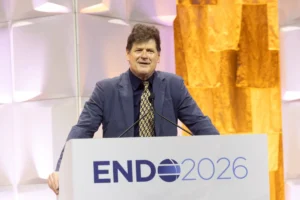





The annual meeting of the Endocrine Society, known globally as ENDO, represents the most significant gathering of hormone researchers and clinical practitioners in the world. As the most recent iteration in Chicago concludes, the event continues to serve as a primary engine for the dissemination of endocrine science, the establishment of international clinical standards, and the cultivation of professional networks that span continents and generations. For over a century, the Endocrine Society has facilitated these exchanges, but the modern ENDO meeting has evolved into a multi-disciplinary forum where the boundaries between basic science and clinical application are increasingly blurred.
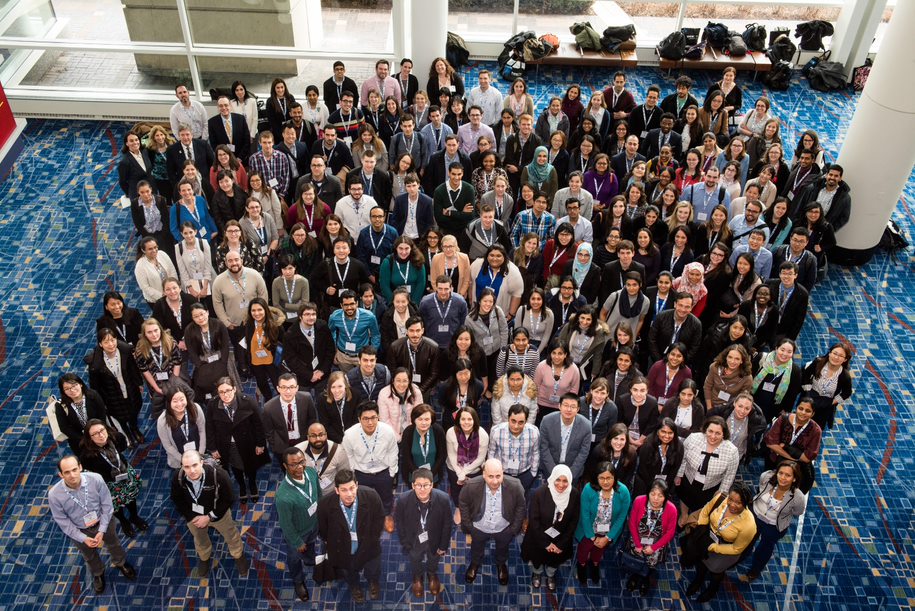
With a membership exceeding 18,000 professionals from 120 countries, the Endocrine Society utilizes its annual meeting to address the most pressing issues in global health, including diabetes, obesity, bone health, and reproductive medicine. The meeting typically attracts between 7,000 and 9,000 attendees, offering a platform for thousands of abstract presentations, hundreds of oral sessions, and high-level plenary lectures. The significance of ENDO lies not only in the data presented but in the transformative impact the meeting has on the careers of those who attend, serving as a critical juncture for junior investigators and a cornerstone for established leaders.
A Historical Chronology of Professional Transformation
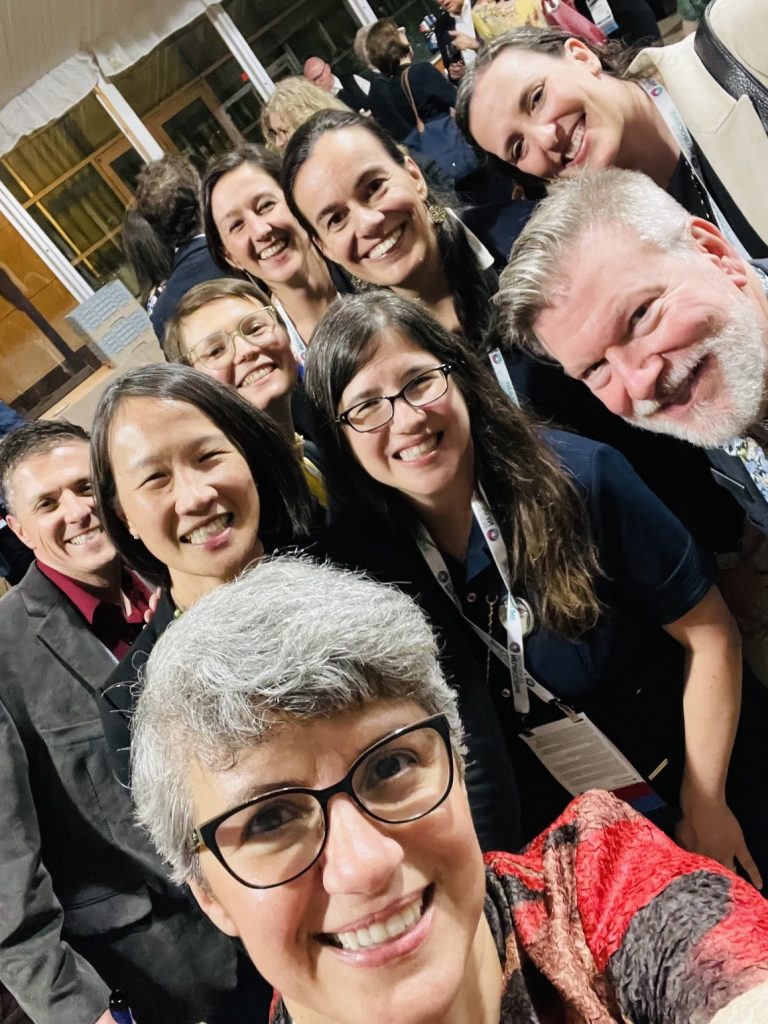
The trajectory of many leaders within the field of endocrinology can be traced back to specific moments at the ENDO conference. John Newell-Price, PhD, a past president of the Endocrine Society and Clinical Research Director at Sheffield Teaching Hospitals NHS Foundation Trust, recalls his first attendance in 1995. At the time, as a junior fellow, the sheer scale of the meeting was unprecedented for those outside the United States. His experience of presenting oral communications under the scrutiny of the world’s leading experts established a template for the "supportive yet incisive" culture that defines the Society. This progression from a "terrified" junior fellow in 1995 to the Society’s president in 2025 illustrates the long-term professional pipeline the event provides.
Similarly, Joy Y. Wu, MD, PhD, currently the Gerald M. Reaven, MD Professor of Endocrinology at Stanford University, identifies ENDO 1998 in New Orleans as the definitive moment she chose her specialty. As an MD/PhD student studying calmodulin-dependent kinases, the exposure to the intersection of basic science and clinical investigation provided by the meeting was a catalyst for her career path. This period in the late 1990s was a formative time for the Society, as it expanded its focus to better integrate molecular biology with traditional clinical practice.
The international reach of the meeting was further solidified during ENDO 2007 in Toronto, Canada—the only time in the last two decades the event was held outside the United States. This meeting was a milestone for international scholars like Shehzad Topiwala, MD, now the director of the Institute of Endocrinology in Atlanta. His journey from Mumbai to Toronto, facilitated by the Endocrine Scholars Award, highlights the meeting’s role in global brain-drain reversal and the fostering of international talent. The Society’s decision to return to Toronto for ENDO 2027 underscores a renewed commitment to its international membership.
Catalyzing Scientific Discovery and Research Funding
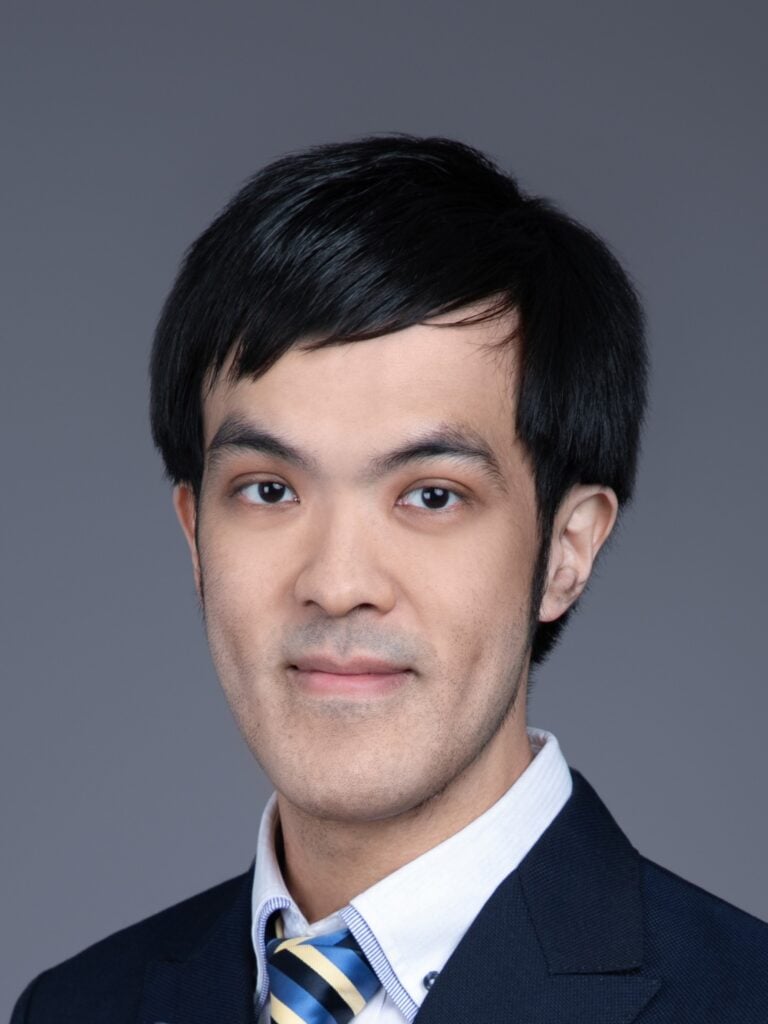
Beyond networking, ENDO serves as a critical marketplace for ideas that eventually secure major federal and private research funding. Lauren Fishbein, MD, PhD, MTR, an assistant professor at the University of Colorado School of Medicine, notes that her first R01 grant—the "gold standard" of National Institutes of Health (NIH) funding—took shape during informal hallway conversations at the meeting. The peer-validation found at ENDO often provides the necessary confidence for investigators to pursue high-risk, high-reward research.
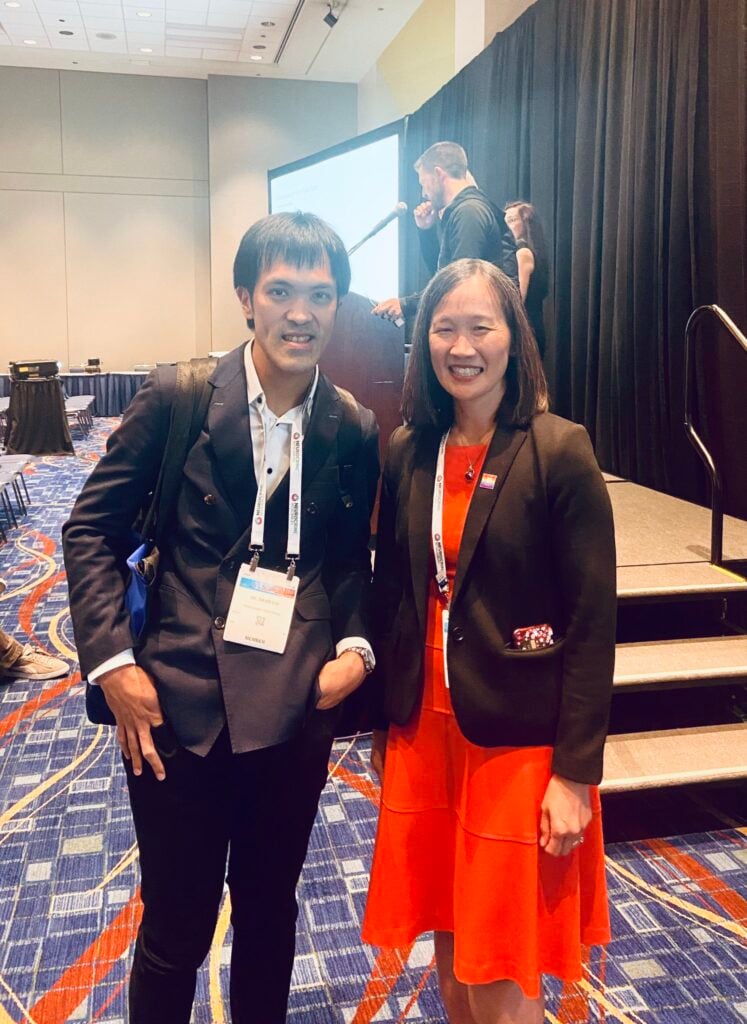
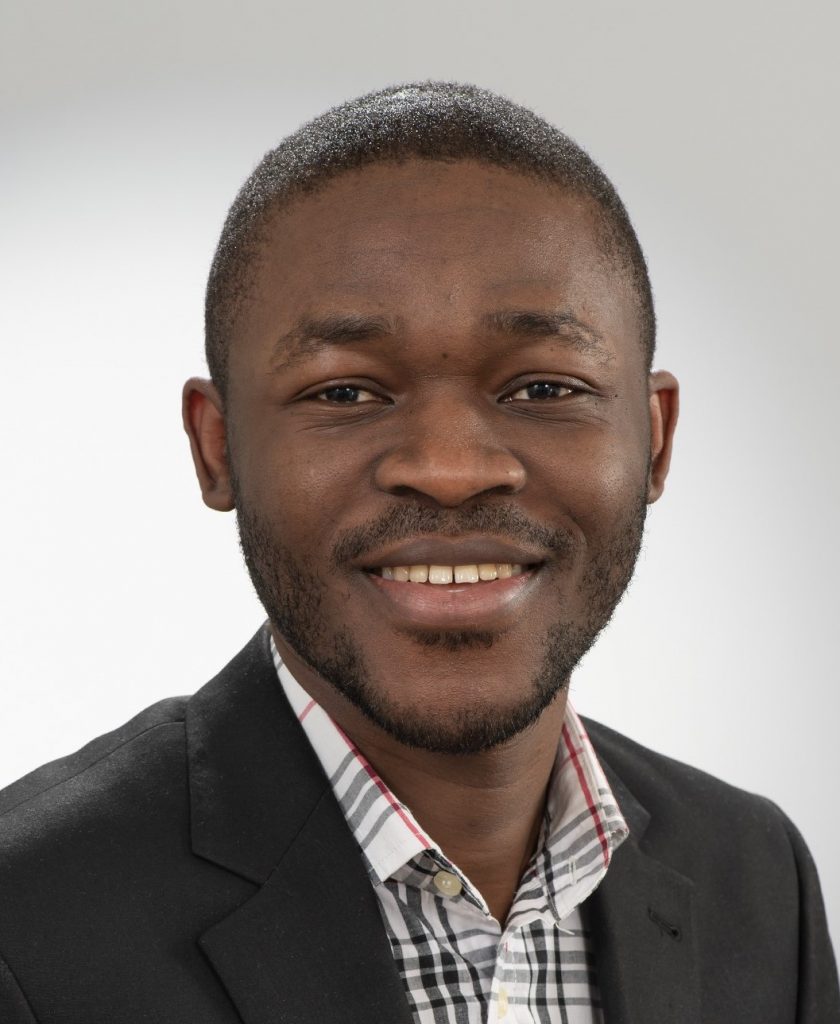
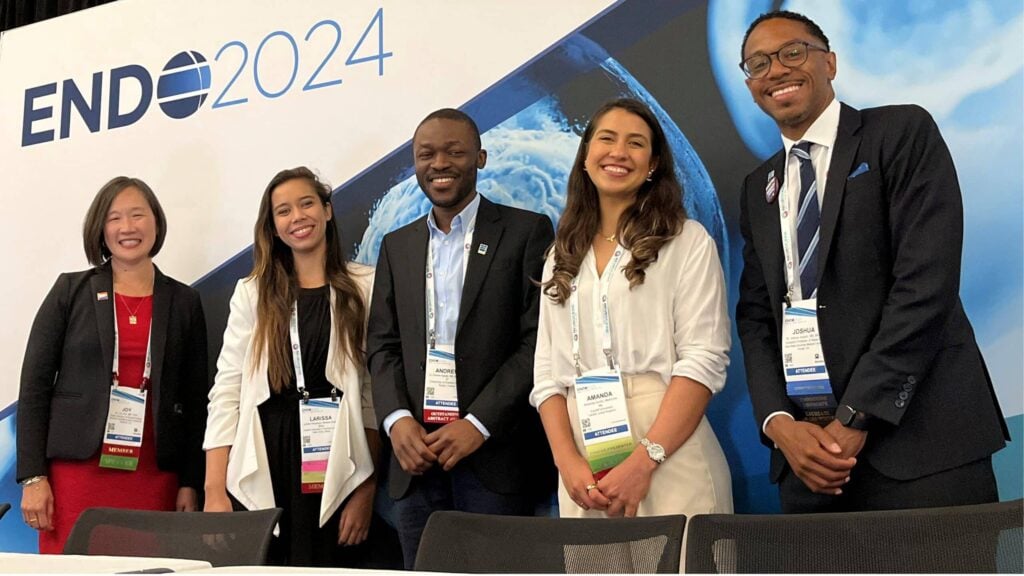
In the realm of pediatric health, Andrew O. Agbaje, MD, PhD, of the University of Eastern Finland, utilized ENDO 2024 in Boston to present groundbreaking longitudinal data. His study, which utilized device-measured sedentary behavior from childhood to predict liver steatosis and fibrosis in early adulthood, was the first of its kind. The visibility provided by the ENDO press office allowed this research to reach major media outlets like the New York Times, illustrating the conference’s role in public health advocacy. This exposure directly contributed to Agbaje receiving the inaugural Flemming Quaade Award for Innovative Approaches to Childhood Obesity, a $70,000 grant.
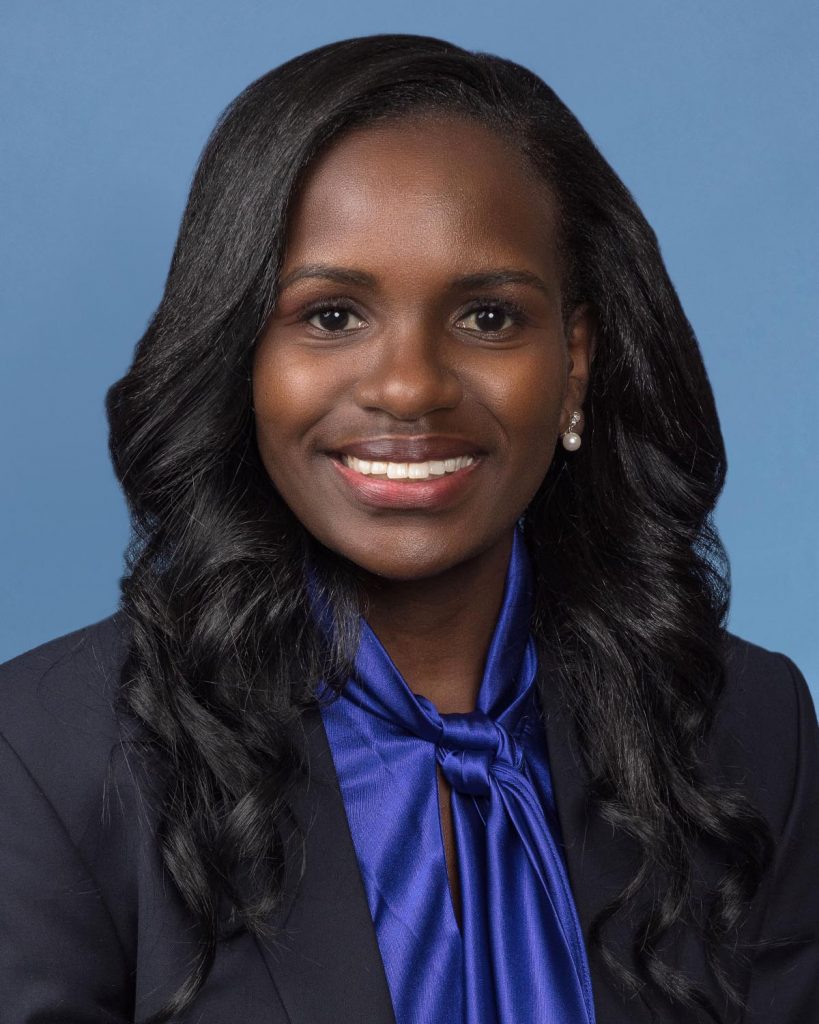
The scientific program also highlights the emerging role of organs not traditionally viewed as endocrine. At ENDO 2025 in San Francisco, Antentor Othrell Hinton, Jr., PhD, of Vanderbilt University, chaired a session on "Muscle as an Endocrine Organ." This session explored how skeletal muscle communicates with other systems through signaling metabolites like Lac-Phe. Such sessions redefine the boundaries of the field, moving endocrinology toward a more holistic "systems biology" approach.
The Evolution of Diversity, Equity, and Inclusion
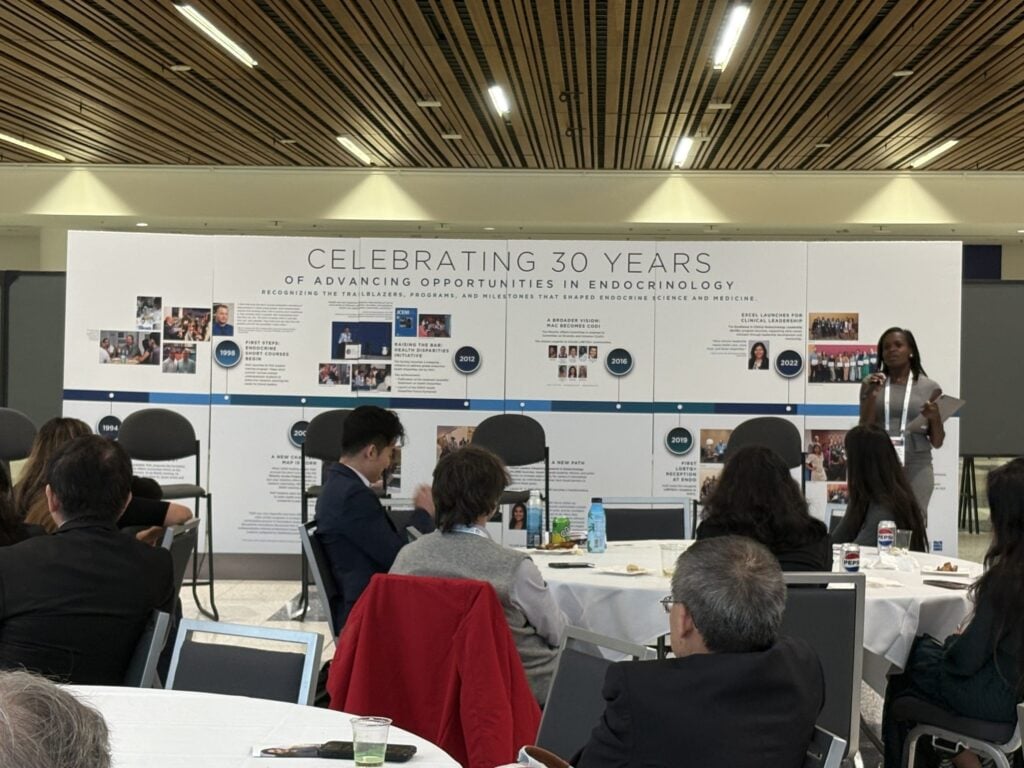
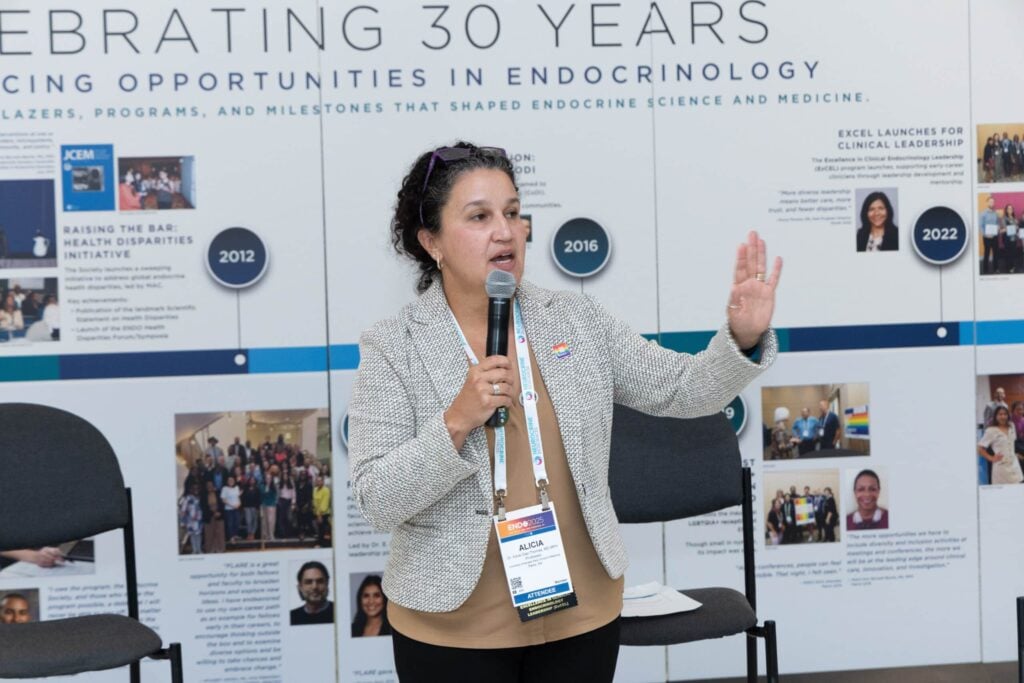
The Endocrine Society has been a pioneer among medical organizations in formalizing efforts to increase diversity within its ranks. The Committee on Diversity and Inclusion (CODI), formerly known as the Committee on Minority Health Affairs (CORE), celebrated its 30th anniversary at ENDO 2025. This focus on inclusion has had a tangible impact on the demographics of the field.
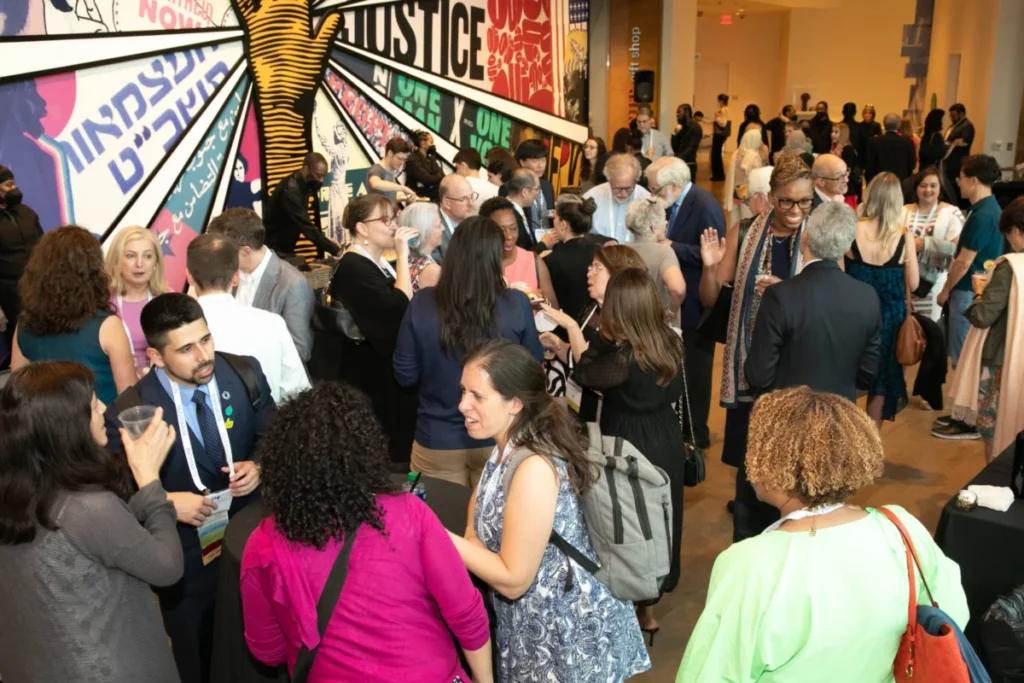
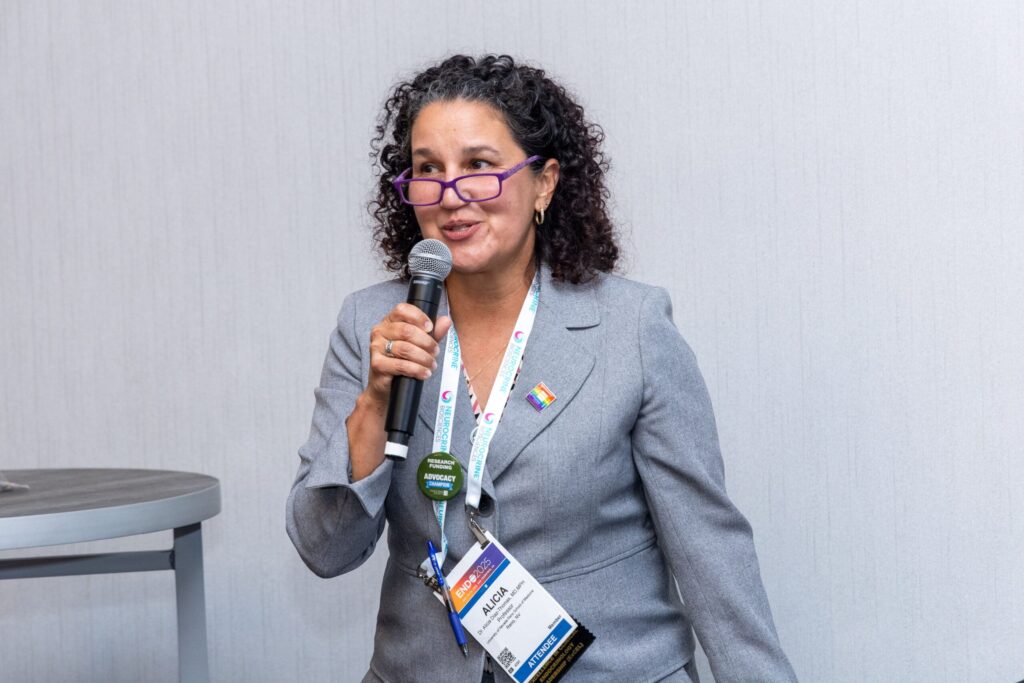
Alicia Diaz Thomas, MD, MPH, Senior Associate Dean at the University of Nevada, Reno School of Medicine, reflects on how the Minority Mentoring Reception at her first ENDO transformed her perspective. For many underrepresented minorities in medicine, large national meetings can feel isolating; however, the intentional spaces created by the Endocrine Society have fostered a sense of "professional home." Estelle M. Everett, MD, MHS, of the David Geffen School of Medicine, noted that the CODI anniversary celebration in San Francisco served as a reminder of how mentorship can bridge the gap between trainees and senior leadership, ensuring the field’s future reflects the diversity of the patient populations it serves.
Bridging the Gap Between Research and Clinical Practice
While much of ENDO is dedicated to "bench science," the implications for "bedside" clinical practice are profound. Michael Morkos, MD, MS, MHI, an Associate Professor at the Indiana University School of Medicine, emphasizes that professional development sessions at ENDO often provide practical insights that years of formal schooling may overlook. He credits a chance encounter with a senior clinician at a session for reshaping his approach to clinical efficiency—a critical skill in an era of physician burnout and high patient volumes.
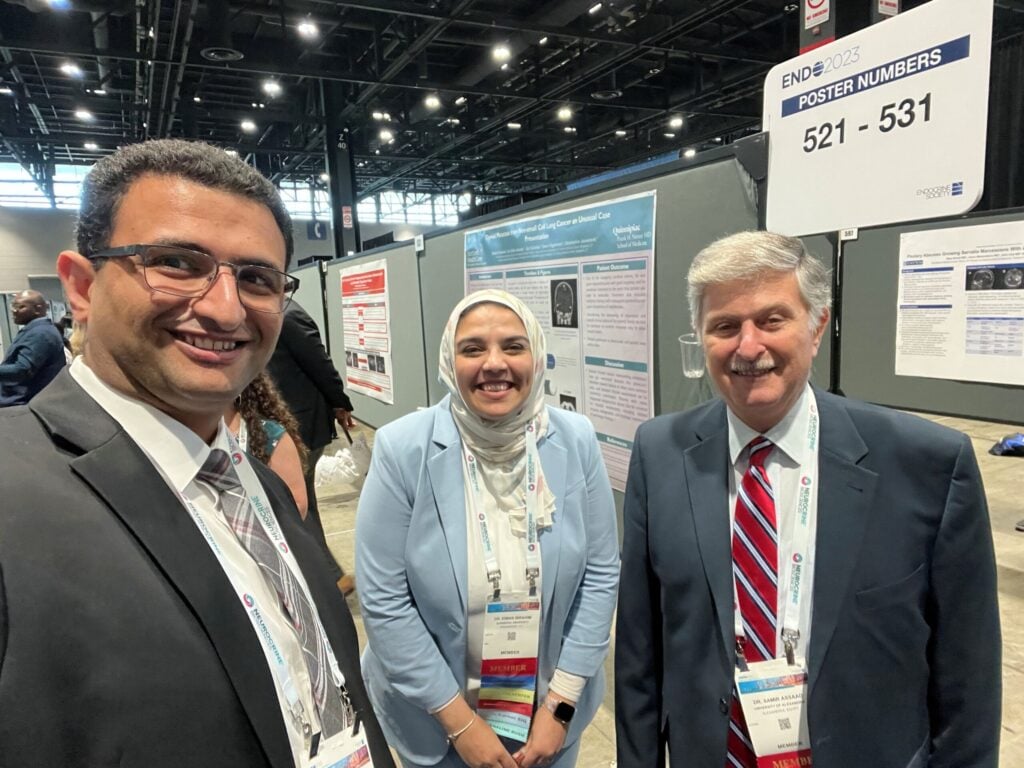
The conference also serves as a venue for "mini-reunions" that highlight the global nature of medical education. Eiman Ibrahim, MD, MSc, currently a chief fellow at the University of Missouri, recounted a meeting at ENDO 2023 where she reconnected with both a medical school classmate and their former professor from Egypt. This "full-circle" moment underscores the reality that endocrinology is a global legacy, where knowledge passed down in a classroom in Cairo is eventually applied in clinical settings in the American Midwest.
Data-Driven Impact and Future Implications
The data emerging from ENDO meetings has a direct correlation with clinical guidelines. For instance, research presented on COVID-19 vaccination safety in patients with hypothyroidism, discussed by David Lui, PhD, at the virtual ENDO 2022, provided essential reassurance to clinicians during the height of the pandemic. The transition from virtual to in-person meetings has been cited by members like Milay Luis Lam, MD, as essential for overcoming "imposter syndrome" and fostering the collaborative spirit that digital platforms cannot fully replicate.
The broader implications of these annual gatherings include:
- Standardization of Care: Plenary sessions often debut new clinical practice guidelines for conditions such as adrenal insufficiency, osteoporosis, and gender-affirming care.
- Technological Integration: The ENDO Expo allows clinicians to interact with the latest in medical technology, from continuous glucose monitors (CGMs) to advanced imaging for thyroid nodules.
- Public Policy Influence: By highlighting the effects of endocrine-disrupting chemicals (EDCs) and the rising costs of insulin, the Society uses the meeting to gather data that informs its advocacy efforts on Capitol Hill and with international regulatory bodies.
As the Endocrine Society looks toward ENDO 2026 in Chicago and the return to Toronto in 2027, the organization remains focused on its dual mission of advancing scientific research and improving public health. The enduring value of ENDO lies in its ability to charge the "collective batteries" of the community, ensuring that whether a member is a first-year fellow or a lifetime achievement award winner, they remain at the forefront of a field that is vital to the human experience. The "hubbub" of conversation in the hallways of McCormick Place or the Moscone Center is not merely noise; it is the sound of the next generation of medical breakthroughs being negotiated in real-time.