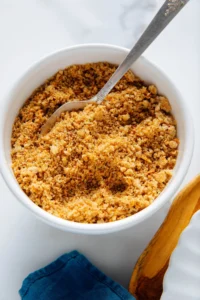
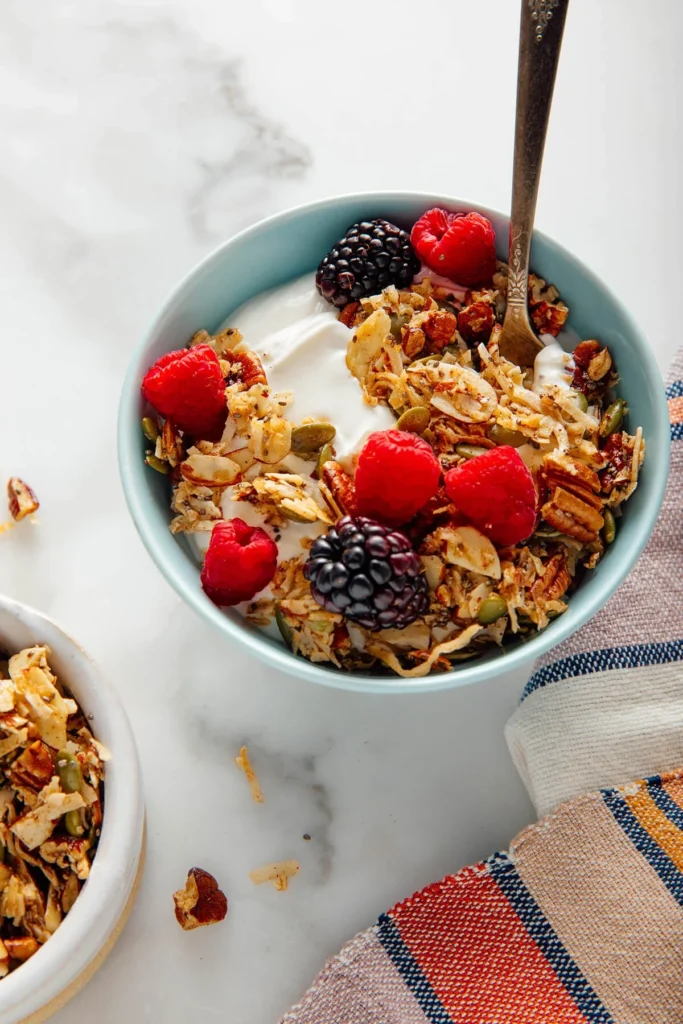
Grain-free granola, a distinctive alternative to traditional oat-based varieties, is steadily gaining traction among consumers seeking specialized dietary options. Characterized by its sweet, nutty crunch, this granola variant provides a satisfying texture and flavor profile reminiscent of its conventional counterparts, yet caters to a growing demographic with specific nutritional requirements or preferences. Its appeal extends beyond mere taste, positioning it as a functional food addressing various health considerations.
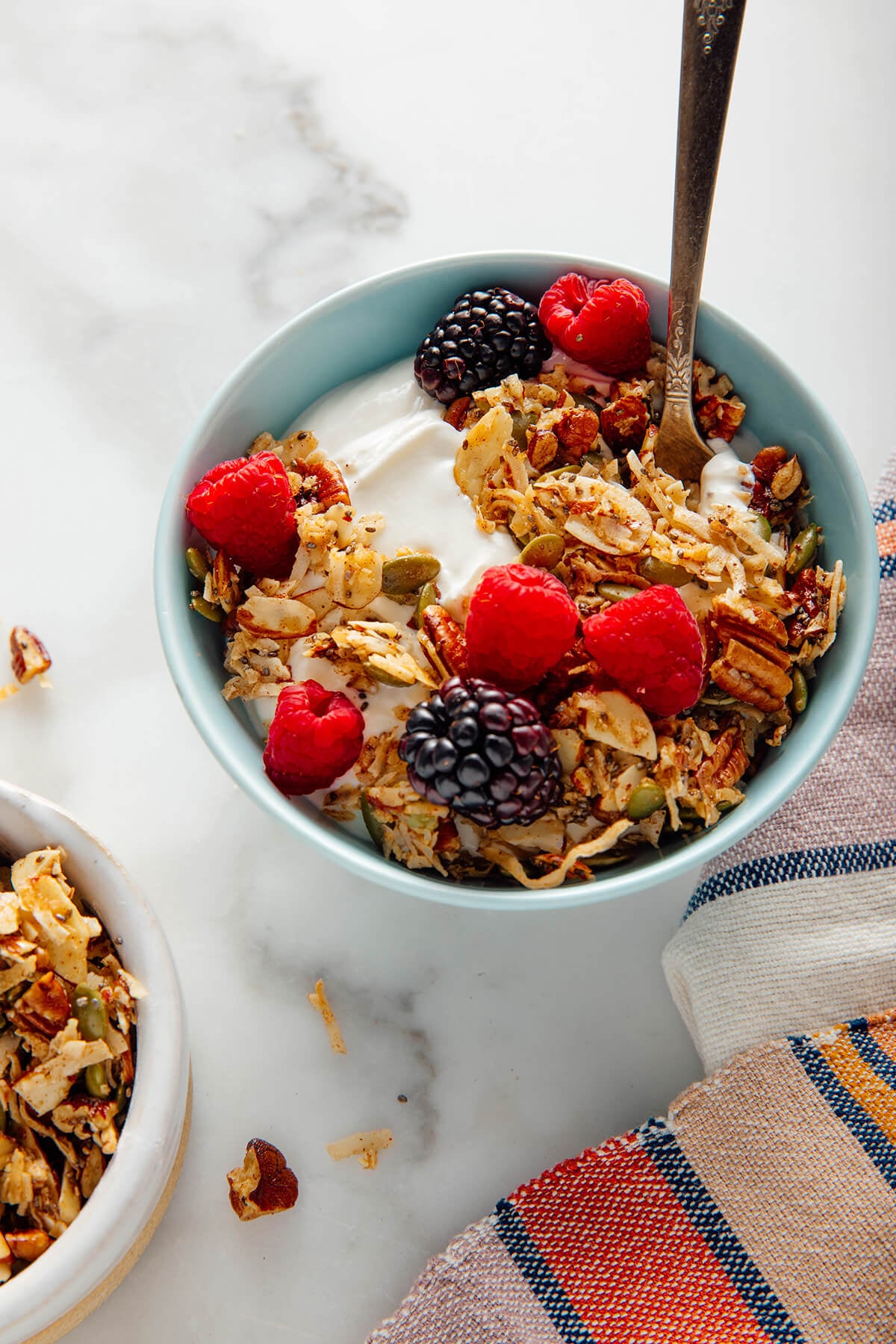
The concept of grain-free granola, initially met with some skepticism in a market long dominated by oat and whole-grain products, has become increasingly relevant due to shifts in dietary understanding and consumer health goals. For individuals managing blood sugar levels, such as those experiencing gestational diabetes, or those adhering to ketogenic, paleo, or gluten-free lifestyles, traditional granolas can pose challenges due to their carbohydrate content. The emergence of grain-free options fills a critical void, offering a familiar and enjoyable breakfast or snack component without compromising dietary restrictions.
One prominent example of this dietary adaptation stems from the personal experience of managing conditions like gestational diabetes, where carbohydrate intake must be meticulously monitored. During such periods, innovative food solutions become indispensable for maintaining a diverse and enjoyable diet. The formulation of grain-free granola, often inspired by resources like dietitian Lily Nichols’ "Real Food for Pregnancy," exemplifies how nutritional science is directly influencing culinary development to support specific health needs. These recipes, while initially tailored, often evolve into widely applicable staples, refined through experimentation to enhance flavor, texture, and nutritional balance. The adaptability of such recipes, allowing for variations in nuts, seeds, and sweeteners, underscores their versatility and broad appeal.

The Evolving Landscape of Dietary Trends and Health Needs
The rise of grain-free granola is intrinsically linked to several overarching dietary trends that have reshaped the food industry over the past decade. A significant driver is the increasing awareness and diagnosis of gluten-related disorders, including Celiac disease and non-Celiac gluten sensitivity. According to market research firm Grand View Research, the global gluten-free products market size was valued at over USD 6 billion in 2022 and is projected to grow substantially, reflecting a consistent demand for gluten-free alternatives across all food categories. While oats themselves are naturally gluten-free, cross-contamination risks in processing often lead individuals with severe sensitivities to seek out entirely oat-free products. Grain-free granola, by definition, eliminates this concern, providing a safe and reliable option.
Beyond gluten, the ketogenic and paleo diets have significantly influenced consumer demand for low-carbohydrate and grain-free foods. The ketogenic diet, which emphasizes very low carbohydrate intake, moderate protein, and high fat, aims to induce ketosis for metabolic benefits. Paleo diets, conversely, focus on foods presumed to be available to early humans, eschewing grains, legumes, and refined sugars. Both philosophies find a natural fit in grain-free granola, which typically derives its structure and energy from nuts, seeds, and healthy fats, with minimal natural sweeteners. The market for keto-friendly and paleo-certified products has seen explosive growth, with consumers actively seeking out items that align with these strict dietary frameworks.
Furthermore, the broader emphasis on blood sugar management, spurred by rising rates of type 2 diabetes and increased public health messaging, has led many to consciously reduce their intake of rapidly digestible carbohydrates. Granola, traditionally high in oats and often sweetened, can contribute to significant blood sugar spikes. Grain-free versions, with their higher fat and fiber content from nuts and seeds, offer a more stable energy release, making them a preferred choice for those monitoring glycemic response. This extends to pregnant individuals managing gestational diabetes, a condition affecting approximately 2% to 10% of pregnancies in the United States, according to the Centers for Disease Control and Prevention (CDC). For these individuals, maintaining stable blood glucose levels is paramount for maternal and fetal health, and specialized dietary options become critical tools.
Nutritional Profile and Health Benefits
The inherent composition of grain-free granola offers a robust nutritional profile distinct from its grain-based counterparts. Primarily composed of a diverse array of nuts, seeds, and often coconut, it is a powerhouse of healthy fats, dietary fiber, and plant-based protein.
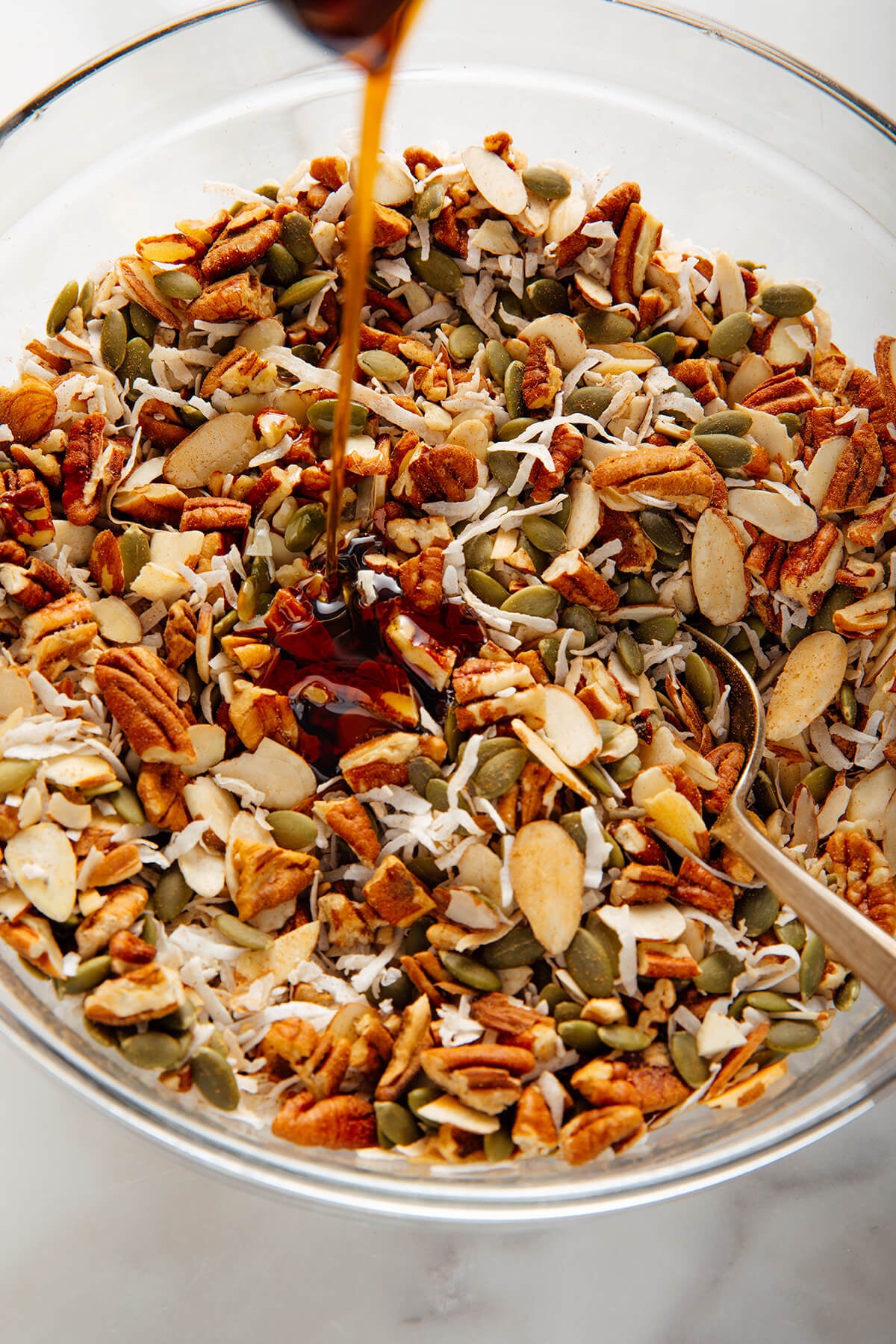
- Healthy Fats: Ingredients like almonds, pecans, walnuts, and coconut are rich in monounsaturated and polyunsaturated fats, including omega-3 fatty acids in walnuts and flax seeds. These fats are crucial for heart health, brain function, and overall cellular integrity. They also contribute to satiety, helping to keep hunger at bay for longer periods.
- Dietary Fiber: Nuts and seeds are excellent sources of dietary fiber, which supports digestive health, helps regulate blood sugar, and contributes to a feeling of fullness. Chia and flax seeds, often included for their nutritional boost, are particularly high in soluble and insoluble fiber.
- Plant-Based Protein: While not a primary protein source, the combination of various nuts and seeds provides a respectable amount of plant-based protein, essential for muscle repair, enzyme production, and metabolic processes.
- Vitamins and Minerals: These ingredients are also packed with essential micronutrients, including Vitamin E (antioxidant), magnesium (muscle and nerve function), zinc (immune support), and selenium.
Compared to traditional oat-based granolas, which often rely heavily on oats for fiber and carbohydrates, grain-free versions shift the macronutrient balance towards higher fat and protein, and lower net carbohydrates. This profile is particularly advantageous for the aforementioned dietary regimens. The inclusion of ingredients like finely shredded coconut not only adds a delicate flavor and texture but also contributes medium-chain triglycerides (MCTs), which are known for their potential to support energy metabolism.
Preparation and Customization: A Culinary Innovation
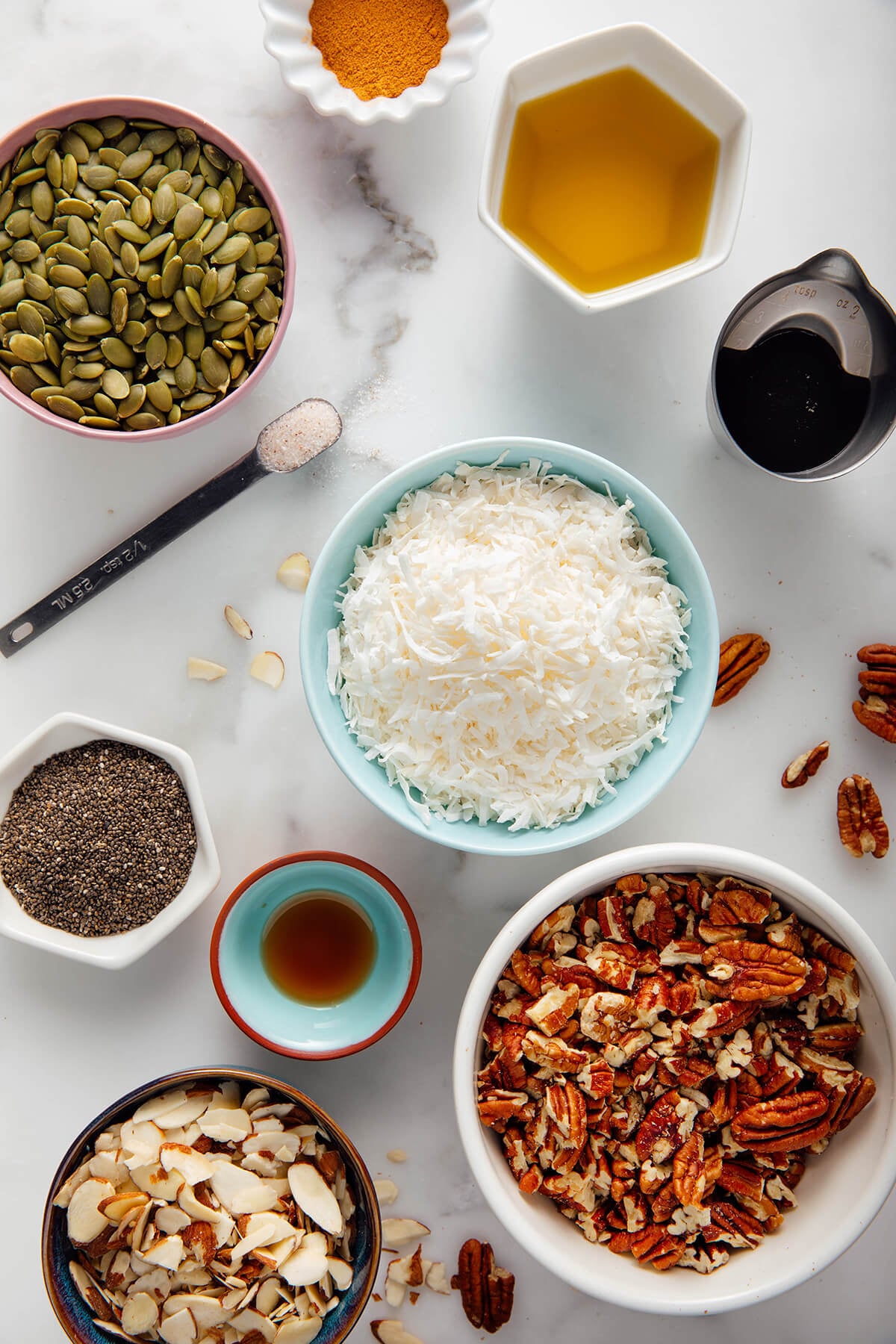
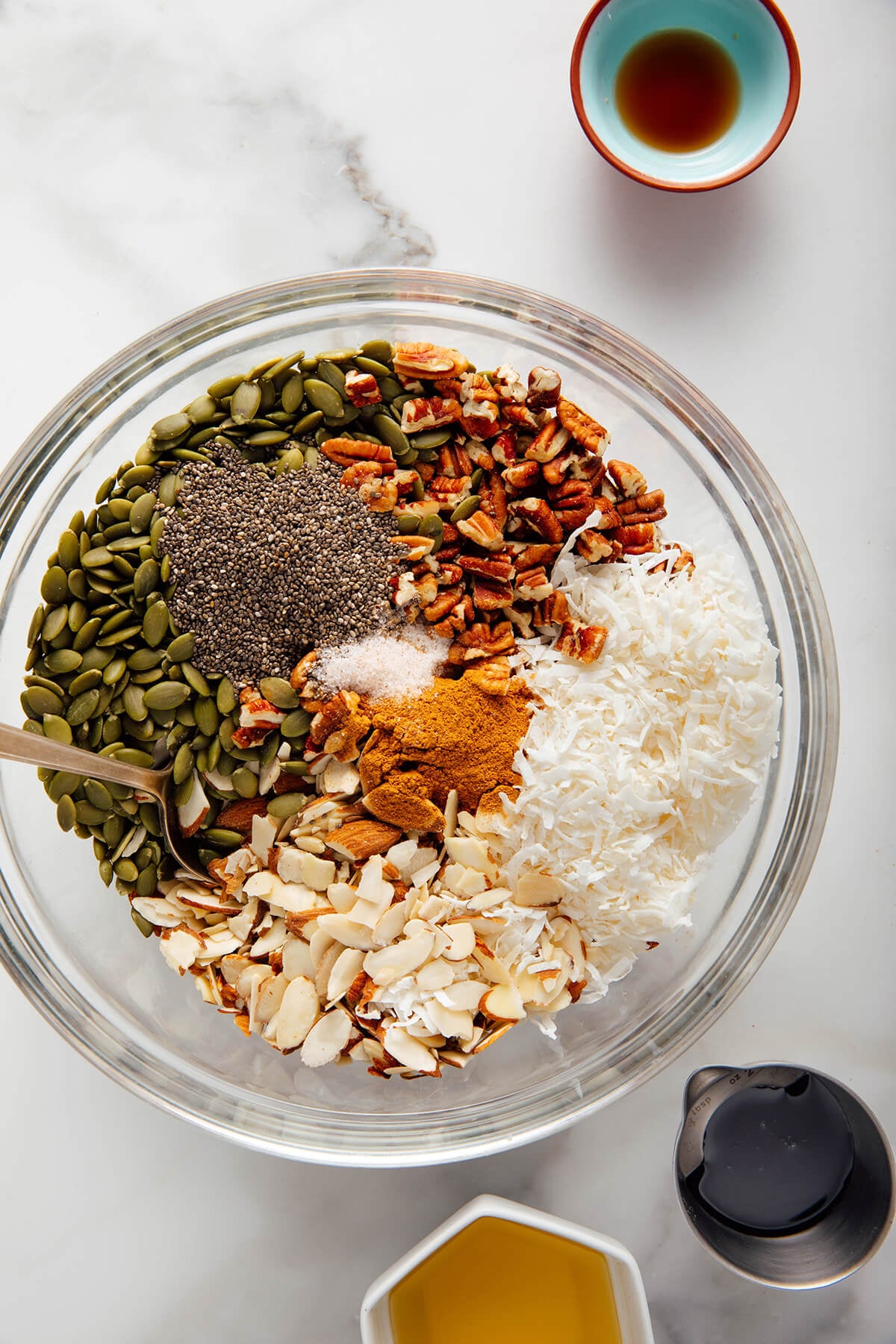
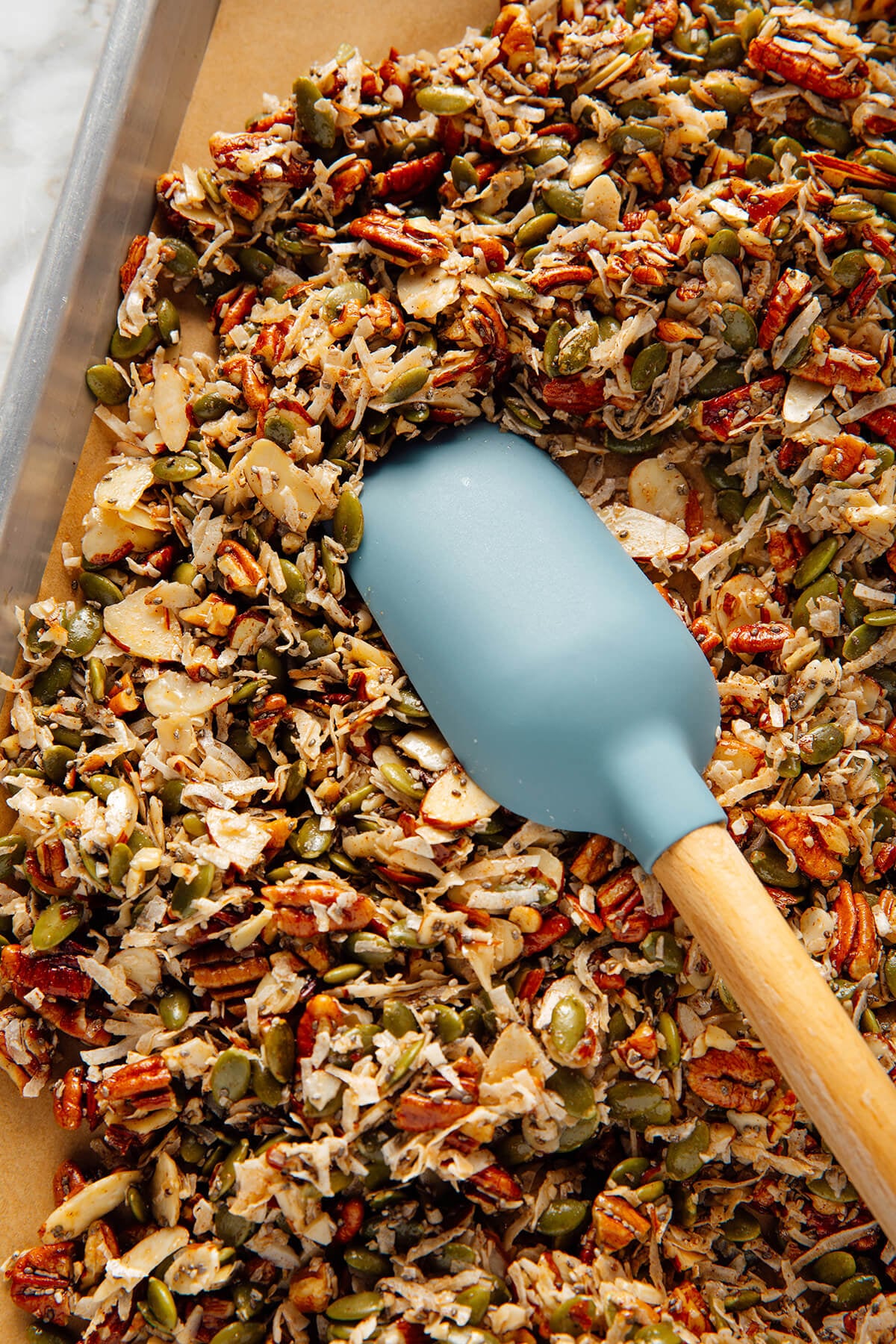
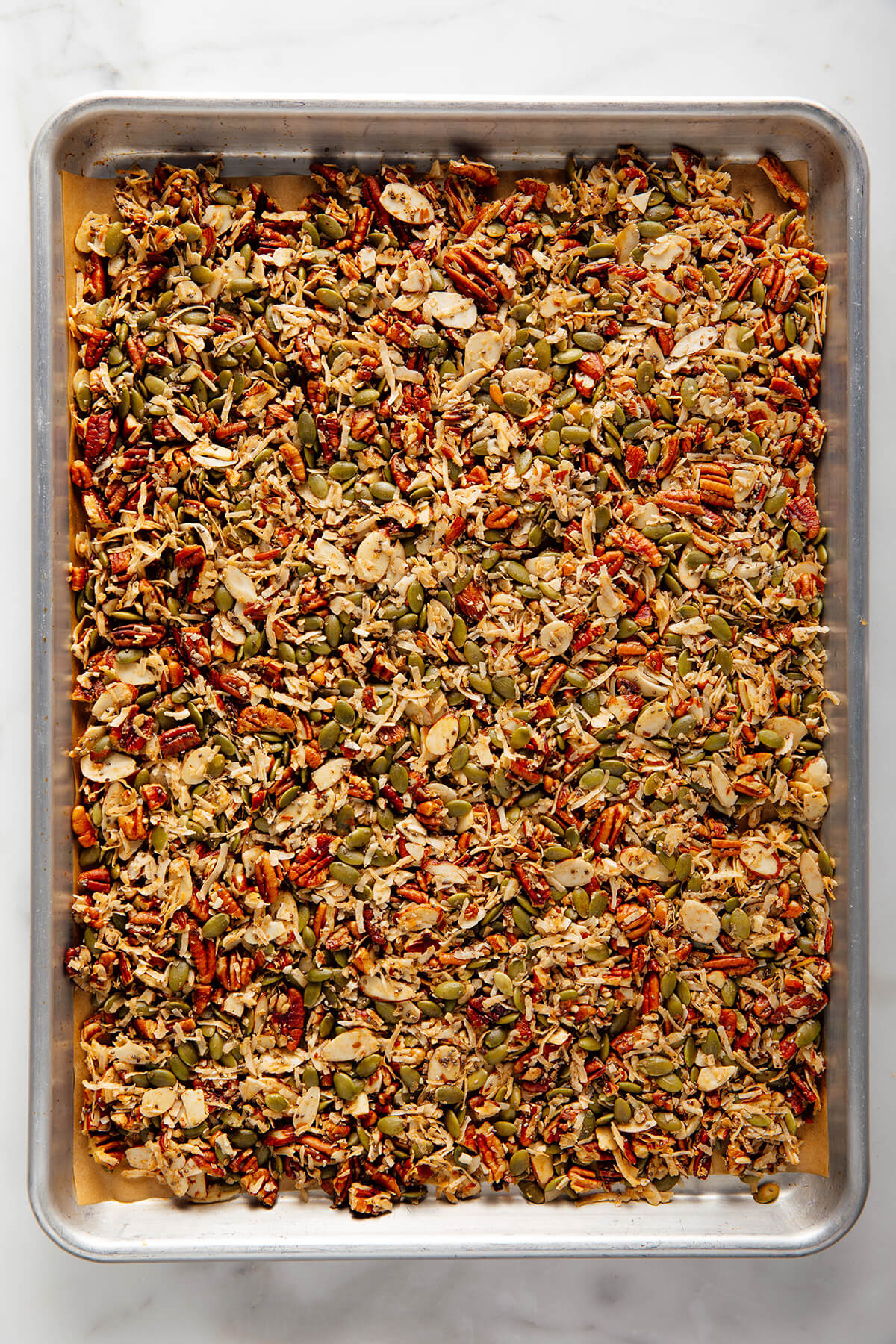
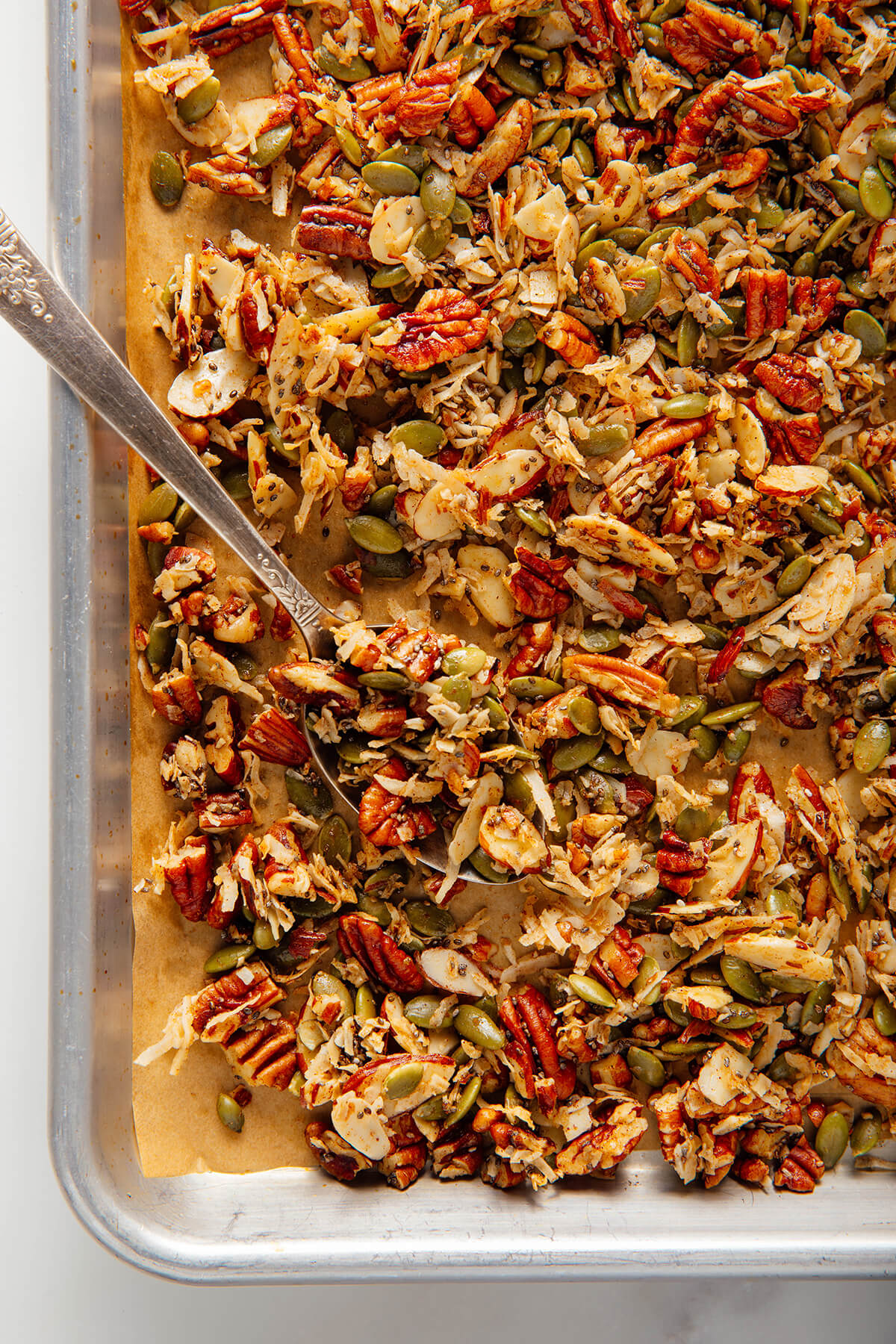
The preparation of grain-free granola is relatively straightforward, involving a careful balance of dry ingredients (nuts, seeds, coconut), a binding agent (typically maple syrup or honey), and healthy fats (such as coconut oil). The process usually entails combining these ingredients, spreading them onto a baking sheet, and baking at a moderate temperature until crisp and golden. A critical step for achieving the desirable clustered texture often associated with granola is allowing it to cool completely on the baking sheet without disturbance.
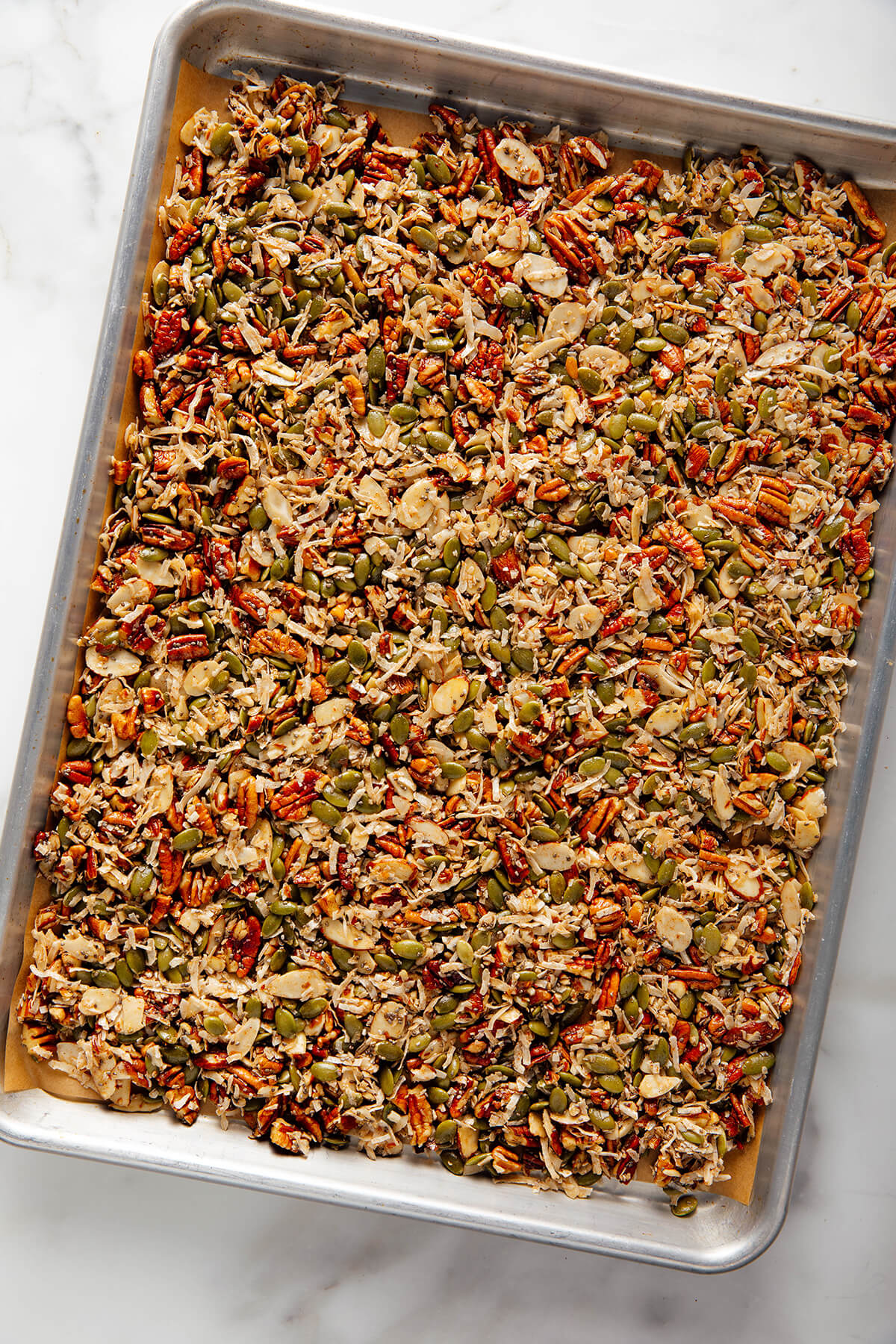
One of the most appealing aspects of grain-free granola, particularly for home cooks, is its high degree of adaptability. This flexibility allows individuals to tailor the recipe to their specific preferences, dietary needs, and pantry availability.
- Nut Options: The base can be customized with various nuts, including almonds (sliced, slivered, or chopped), pecans, walnuts, and cashews. For those with nut allergies, substitutions with additional seeds like pepitas (pumpkin seeds) or sunflower seeds offer a viable nut-free alternative without sacrificing crunch or nutritional value.
- Seed Variety: Chia seeds and flax seeds are common additions, offering a boost of omega-3s and fiber. While chia seeds provide a noticeable visual and textural presence, ground flax seeds tend to blend more seamlessly. Other seeds like hemp hearts or sesame seeds could also be incorporated for additional flavor and nutrients.
- Coconut Customization: Coconut, a staple in many grain-free granolas, can be adjusted based on preference. Finely shredded coconut offers a lighter, crackly texture, while larger flakes provide a more substantial chew. For those who dislike coconut, it can be replaced with an equivalent volume of other nuts or seeds. Conversely, coconut enthusiasts can increase its proportion, balancing it with a reduction in other ingredients.
- Flavoring Enhancements: Cinnamon is a classic spice that complements the nutty flavors, but it can be omitted for a purer taste or swapped for seasonal blends like pumpkin spice for an autumnal twist. Extracts such as vanilla or almond can further deepen the flavor profile.
- Sweetener Choices: Maple syrup and honey are common natural sweeteners, offering distinct flavor notes. For vegan preparations, maple syrup is the preferred choice. The quantity of sweetener can also be adjusted to control the overall sweetness level, aligning with personal preferences or blood sugar management goals.
This inherent versatility not only makes grain-free granola an exciting option for culinary creativity but also ensures its longevity as a staple in diverse households. The ability to swap ingredients mitigates potential issues with allergies, availability, or taste preferences, making it a truly inclusive recipe.
Serving Suggestions and Market Impact
The utility of grain-free granola extends beyond a simple breakfast cereal. Its distinct texture and flavor make it a versatile component in a variety of meals and snacks:
- Breakfast Staple: A few spoonfuls provide a satisfying crunch when sprinkled over Greek yogurt, dairy-free yogurt, or served with milk (dairy or plant-based). It can elevate a simple fruit and yogurt parfait into a more substantial and nutritionally dense meal.
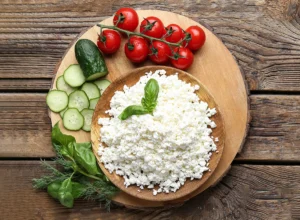
- Snack Enhancement: It serves as an excellent topping for smoothie bowls, adding texture and a boost of healthy fats and fiber. Mixed into cottage cheese, it offers a sweet and savory contrast.
- Culinary Ingredient: While less common, it can be incorporated into certain baked goods for added texture or used as a crunchy crust for desserts.
The commercial implications of grain-free granola are significant. As consumer demand for healthier, specialized, and convenient food options continues to grow, food manufacturers are increasingly investing in developing and marketing grain-free products. This segment is not just a niche market; it represents a substantial and growing portion of the overall healthy snack and breakfast food industries. Brands that successfully innovate in this space, offering high-quality, flavorful, and nutritionally sound grain-free granolas, are well-positioned to capture a significant share of the health-conscious consumer base. The proliferation of such products on grocery shelves underscores the shift in consumer preferences and the responsiveness of the food industry to evolving dietary science and lifestyle choices.
Future Outlook and Broader Implications
The trajectory of grain-free granola within the food market suggests continued growth and innovation. As research into gut health, metabolic syndromes, and personalized nutrition advances, the demand for foods tailored to specific biological needs is likely to intensify. Grain-free options, by their nature, align well with many of these emerging dietary recommendations.
However, it is crucial to note that while beneficial for specific dietary needs, a grain-free approach is not universally recommended without careful consideration. Whole grains offer their own unique nutritional benefits, including different types of fiber and a range of B vitamins. Dietitians and nutritionists often emphasize the importance of a balanced diet that considers individual health status, activity levels, and preferences. For those who do not have a medical necessity to avoid grains, a diverse diet including a variety of whole grains is generally encouraged. The value of grain-free granola, therefore, lies in its capacity to serve as an excellent alternative for those who benefit from or choose a grain-free lifestyle, rather than a universal replacement for all grain products.
In conclusion, grain-free granola stands as a testament to the dynamic nature of modern dietary practices. Born from specific health challenges and nurtured by evolving consumer preferences for specialized nutrition, it has transformed from a niche recipe into a significant category within the healthy food market. Its robust nutritional profile, adaptability, and versatility solidify its position as a valuable option for countless individuals navigating the complexities of contemporary dietary choices, reflecting a broader trend towards more mindful and personalized eating.