







The simple act of transforming leftover bread into golden, crispy bread crumbs is experiencing a significant resurgence in modern kitchens, driven by a confluence of culinary, economic, and environmental factors. Far from being a mere byproduct, homemade bread crumbs are increasingly recognized as a vital ingredient that elevates dishes, reduces household food waste, and offers a superior sensory experience compared to their mass-produced counterparts. This renewed appreciation underscores a broader shift towards more mindful and sustainable home cooking practices.
The Culinary Renaissance: Embracing Kitchen Fundamentals

In an era where convenience often dictates consumer choices, there is a discernible pivot back to foundational culinary skills. Home cooks are increasingly seeking to understand the origins of their food, control ingredients, and maximize flavor profiles. Homemade bread crumbs perfectly embody this trend. Unlike many store-bought varieties that can be bland, stale, or laden with preservatives and artificial flavors, fresh bread crumbs offer unparalleled taste and texture. The ability to select specific bread types—from robust sourdoughs and artisanal baguettes to wholesome whole wheat loaves—allows for a customized flavor base that commercial options simply cannot replicate.
Culinary experts note that the texture of homemade crumbs is often superior, providing a delicate crispness when toasted, which contributes significantly to the mouthfeel of various dishes. This tactile quality is paramount in applications ranging from crispy toppings on casseroles to light breading for cutlets, providing a satisfying contrast that elevates the overall dining experience. The control over seasoning is another critical advantage, allowing cooks to tailor the flavor profile precisely to the dish at hand, whether opting for plain, versatile crumbs or a vibrant Italian-seasoned blend.
Economic Advantages: A Smart Strategy for the Household Budget

The economic rationale for making bread crumbs at home is compelling, particularly in an environment of fluctuating food prices. Bread is a staple in most households, and it is also one of the most frequently wasted food items. Rather than discarding bread that has begun to turn stale—a common occurrence—transforming it into bread crumbs represents a zero-cost ingredient acquisition.
Consider the cost analysis: a bag of store-bought bread crumbs can range from $2 to $5, depending on the brand and type (plain, seasoned, Panko). A typical loaf of quality bread might cost between $3 and $6. By using just a few slices of leftover bread that would otherwise be wasted, a household can produce a significant quantity of high-quality bread crumbs at virtually no additional expense. Over the course of a year, this small practice can lead to substantial savings, contributing to overall household budget efficiency. Furthermore, it exemplifies a broader principle of maximizing every food item purchased, reducing reliance on single-use, specialized products. This financial prudence aligns with a growing consumer demand for cost-effective and resourceful kitchen practices.
Combating Food Waste: A Sustainable Practice with Global Impact

The environmental implications of food waste are profound, and the proactive use of leftover bread addresses a significant portion of this global challenge. According to data from the United States Department of Agriculture (USDA) and the Food and Agriculture Organization (FAO) of the United Nations, a substantial percentage of food produced for human consumption is lost or wasted globally, with bread and bakery products being among the most commonly discarded items in developed nations. When food waste ends up in landfills, it decomposes without oxygen, producing methane, a potent greenhouse gas that contributes to climate change.
By converting stale bread into bread crumbs, households directly contribute to reducing their ecological footprint. This simple act diverts organic material from landfills, conserves the resources (water, energy, land) used to produce and transport the bread, and mitigates associated greenhouse gas emissions. This practice is not merely about individual savings; it is a tangible step towards a more sustainable food system. Beyond bread crumbs, other creative uses for stale bread, such as croutons, French toast, bread puddings, or panzanella salads, further highlight the versatility of this common kitchen item in the fight against food waste. Food sustainability advocates frequently emphasize that simple, everyday kitchen habits collectively create a significant positive environmental impact.
The Art of Crafting Superior Crumbs: Technique and Ingredients

Achieving the perfect homemade bread crumb involves a few key techniques and thoughtful ingredient choices that differentiate them from their commercial counterparts.
- Bread Selection: The foundation of superior bread crumbs lies in the choice of bread. While almost any bread can be used, the characteristics of the original loaf will directly influence the final crumb. Crusty sourdough or rustic baguettes yield crumbs with a more complex flavor profile and a slightly coarser, more irregular texture, ideal for robust dishes. Whole wheat sandwich bread offers a nuttier flavor and denser crumb, while classic white sandwich bread provides a neutral base. The ideal state of the bread is often slightly stale; while extremely fresh, moist bread can be processed, lightly stale bread requires less drying time and achieves a crispier result more readily.
- Processing Method: A food processor is the most efficient tool for creating uniform bread crumbs. Chunks of bread are pulsed until they break down into fine, consistent particles. A blender can also be used, though it may require more frequent stopping and stirring to ensure even processing and prevent unevenly sized crumbs or a paste-like consistency. The goal is to achieve tiny, airy bits of bread, and processing longer rather than shorter is often advisable to prevent larger, chewy pieces.
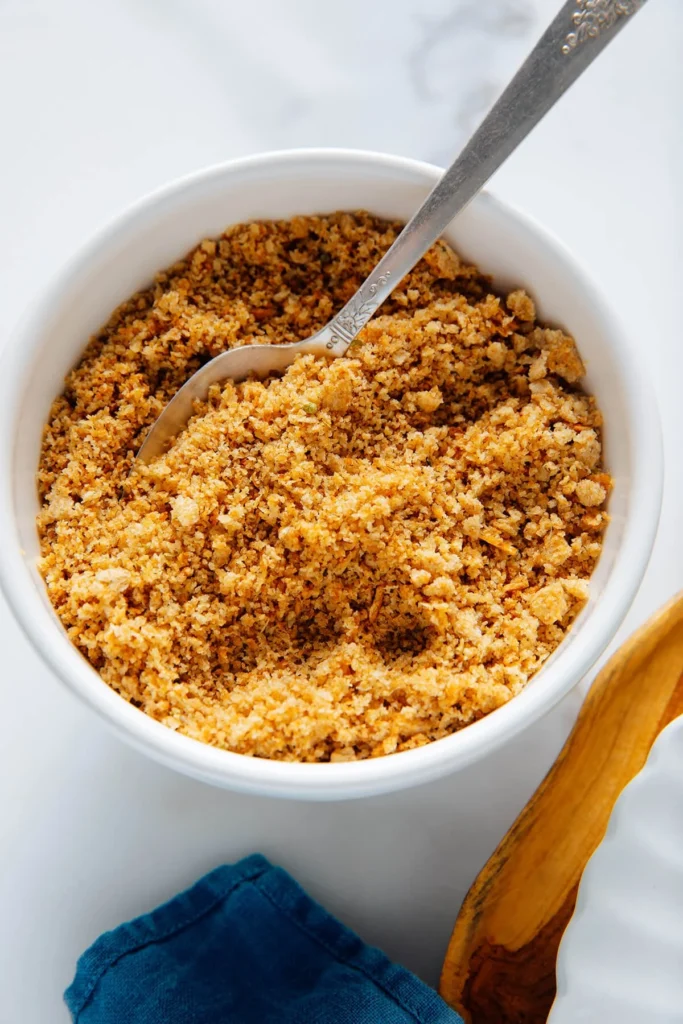
- The Role of Fat: Butter vs. Olive Oil: A critical distinction in the crispness and longevity of toasted bread crumbs comes down to the choice of fat. Extensive culinary testing has shown that butter consistently outperforms olive oil in achieving and maintaining crispness. When bread crumbs are toasted in olive oil, they tend to clump more significantly and soften over time after cooking. Butter, with its milk solids, contributes to a more even browning and a sustained crisp texture. The milk solids in butter toast beautifully, adding depth of flavor and a golden hue, creating a more stable, crisp coating.
- Toasting Technique: The toasting process is crucial for developing flavor and texture. Butter should be melted in a skillet over medium heat. A key indicator for readiness is when the foam from the melting butter nearly subsides; a small test batch of crumbs dropped into the hot butter should sizzle immediately. The crumbs should be added to the hot butter and stirred frequently to ensure even browning. This prevents burning and promotes uniform golden crispness.
- Cooling and Storage: Immediately after toasting, the hot bread crumbs should be spread out on a plate or baking sheet to cool completely. This crucial step halts the cooking process, preventing them from burning, and allows air circulation, which is essential for maintaining their crisp texture. Once cooled, homemade bread crumbs can be stored in an airtight container at room temperature for several weeks, or in the freezer for several months, making them a convenient pantry staple.
A Historical Perspective: Bread Crumbs Through the Ages
The practice of using stale bread is not a modern innovation but a testament to historical resourcefulness. For centuries, various cultures have found ingenious ways to repurpose leftover bread, reflecting a deep-seated culinary ethos of minimizing waste. Ancient civilizations likely used dried bread in various forms. In medieval Europe, bread was a primary staple, and stale bread was routinely transformed into thickeners for stews, binding agents for meat preparations, and even as a primitive form of flour.

The evolution of bread crumbs saw different iterations across culinary traditions. Italian cuisine famously utilizes pangrattato, often seasoned with garlic, parsley, and chili flakes, serving as a frugal yet flavorful topping for pasta or vegetables, sometimes dubbed "poor man’s Parmesan." Japanese cuisine introduced Panko, a specific type of bread crumb known for its unique flake-like texture, which provides an exceptionally light and crispy coating, revolutionizing fried dishes globally. These historical applications underscore the enduring value and versatility of bread crumbs as a fundamental component of global gastronomy.
Beyond the Breading: Diverse Culinary Applications
The utility of bread crumbs extends far beyond their most common role as a breading for fried foods. Their capacity to add texture, bind ingredients, and absorb moisture makes them an invaluable asset in a vast array of dishes:

- Crispy Toppings: Perhaps their most celebrated application, toasted bread crumbs provide an irresistible crunch to casseroles and gratins, transforming dishes like broccoli casserole or creamy roasted Brussels sprout gratin into textural delights. They offer a lighter, yet equally satisfying, alternative to croutons in salads such as Caesar or lemony kale, imparting a delicate crispness without the bulk.
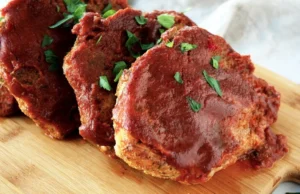
- Binding Agents: In savory preparations like meatballs, meatloaf, or vegetarian burgers, bread crumbs act as a crucial binder, holding ingredients together while also absorbing moisture and contributing to a tender texture.
- Pasta Dishes: Sprinkled over pasta, especially those with rich sauces like mac and cheese or simple olive oil-based preparations, bread crumbs introduce a textural counterpoint that enhances the overall eating experience.
- Stuffings: As a core component of stuffings for poultry, vegetables (like stuffed mushrooms or bell peppers), or even fish, bread crumbs absorb flavors and provide body and moisture.
- Thickeners: In soups and stews, particularly rustic or cream-based varieties, a small amount of finely ground bread crumbs can serve as a natural thickener, adding body and a subtle richness.
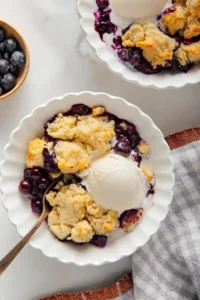
- Crumbles and Bakes: While less common for savory crumbs, plain bread crumbs can also be incorporated into sweet crumbles or fruit bakes, especially when combined with oats or nuts, to create a textured topping.
This broad spectrum of uses highlights the adaptability of homemade bread crumbs, positioning them as an indispensable tool for creative and resourceful cooking.
Expert Insights and Broader Implications
The renewed emphasis on homemade bread crumbs resonates with insights from culinary professionals and sustainability advocates alike. Chefs frequently attest to the superior flavor and textural control afforded by making crumbs from scratch, noting that this attention to detail is a hallmark of truly exceptional cooking. Food educators often include bread crumb production in their curricula, not just as a recipe, but as a lesson in waste reduction and maximizing food resources.

The broader implications of this trend are significant. On an individual level, it fosters greater culinary skill, appreciation for ingredients, and a deeper connection to the food preparation process. Collectively, it represents a step towards a more sustainable food culture, where food waste is minimized, and resources are valued. As consumers become increasingly conscious of their environmental impact and seek ways to manage household budgets more effectively, the humble homemade bread crumb stands as a powerful symbol of thoughtful, flavorful, and economically sensible home cooking. This resurgence is not merely a passing fad but a testament to enduring culinary wisdom and a practical response to contemporary challenges.