










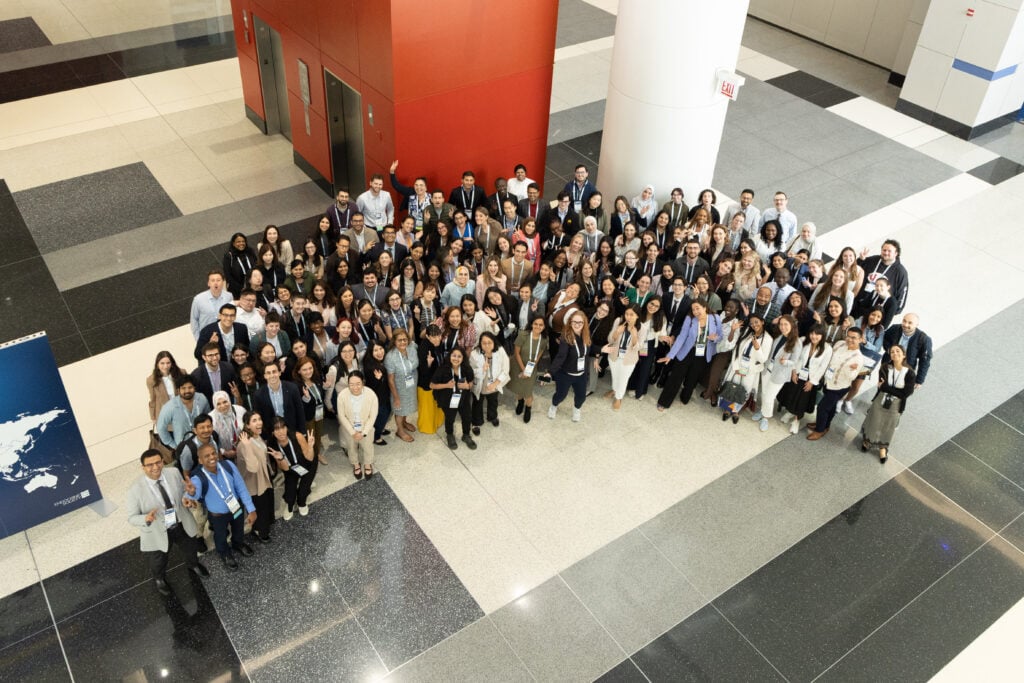
The ENDO 2026 annual meeting, held this past June in Chicago, established itself as a landmark event for the global endocrine community, drawing record-breaking attendance during a period of profound transition for the healthcare sector. Despite a climate of economic uncertainty and fluctuating research budgets that have historically hampered long-term scientific inquiry, the field of endocrinology demonstrated a unique brand of professional stoicism. The gathering served as both a showcase for cutting-edge pharmacological breakthroughs and a forum for addressing the systemic inequities that continue to plague patient access to life-altering treatments.
Chicago, a city long defined by its history of transformation and its role as a destination for those seeking new horizons, proved an apt backdrop for the conference. Just as the city historically welcomed the migration of jazz from New Orleans and allowed it to "grow up" into a global influence, ENDO 2026 reflected a field that has matured from niche metabolic studies into a central pillar of modern internal medicine. The atmosphere at the McCormick Place convention center was one of focused determination, as clinicians and researchers alike navigated the complexities of a healthcare landscape currently defined by the dual pressures of austerity and unprecedented technological acceleration.
The Resiliency of the Endocrine Field
The backdrop of ENDO 2026 was one of institutional challenge. In recent years, experts in the field have faced significant hurdles, including federal budget constraints and the consolidation of research funding. These pressures have forced many departments to "cut to the bone," yet the consensus among attendees was that the work has never been more vital. Dr. Nanette Santoro, the current President of the Endocrine Society and the E. Stewart Taylor Chair of Obstetrics & Gynecology at the University of Colorado School of Medicine, noted that endocrinologists have remained "unflappable," maintaining a steadfast commitment to both "bench and bedside" excellence.
This resiliency is not merely a matter of temperament but a professional necessity. Endocrinology sits at the intersection of nearly every major chronic disease currently burdening global health systems. From the rising tide of metabolic disorders to the complexities of reproductive health and the management of rare hormonal cancers, the breadth of the field was on full display throughout the multi-day event. However, the most significant narrative to emerge from the meeting involved the rapid evolution and expanded application of Glucagon-like peptide-1 (GLP-1) receptor agonists.

The GLP-1 Revolution and the Weight Loss Paradigm
Perhaps the most transformative development discussed at ENDO 2026 was the continuing trajectory of GLP-1 medications. Originally developed for the management of type 2 diabetes, these agents—including semaglutide and tirzepatide—have fundamentally altered the approach to treating obesity. The conference highlighted how these medications have shifted from secondary treatments to primary interventions, sparking a broader conversation about the nature of obesity as a chronic, biological disease rather than a failure of willpower.
During a highly anticipated Q&A session on the expo floor, two of the most distinguished figures in the field shared their insights: Dr. Daniel Drucker, a professor at the University of Toronto and recipient of the 2025 Fred Conrad Koch Lifetime Achievement Award, and Dr. Barbara Kahn, the vice chair for research strategy at Beth Israel Deaconess Medical Center and recipient of the 2025 Roy O. Greep Award for Outstanding Research.
The discussion took an unexpected turn when Dr. Santoro inquired about the "ice cream hypothesis," referencing a controversial 2023 report in The Atlantic which suggested that moderate ice cream consumption might paradoxically reduce heart disease risk in diabetic patients. Dr. Kahn offered a nuanced scientific explanation, suggesting that the lipid content in ice cream might slow the absorption of carbohydrates, thereby preventing the sharp glucose spikes typically associated with high-sugar foods. Furthermore, she pointed out that fatty acid esters of hydroxy fatty acids found in dairy products are also present in breast milk and certain vegetables, suggesting that the "mysterious" benefits of ice cream might be rooted in specific, naturally occurring compounds.
Projecting the Future: Endocrinology in 2036
When asked to project the state of weight loss therapy a decade into the future, Dr. Drucker offered a visionary yet sobering perspective. He expressed hope that by 2036, the medical community would move beyond merely treating the symptoms of the obesity epidemic and begin to address its root causes. Drucker argued that the massive surge in Body Mass Index (BMI) observed globally over the last 40 years cannot be attributed to genetics alone but is likely driven by environmental factors and the prevalence of ultra-processed foods.
"Ideally, in 2036, we would have figured this out—implemented changes in our environment and our food system," Drucker stated. He suggested that if the underlying drivers of metabolic dysfunction are addressed, the reliance on GLP-1 medications might actually decrease. However, he also noted that if pharmacological intervention remains necessary, the market in 2036 will likely be saturated with dozens of affordable, generic versions of these drugs, significantly increasing global access.
Dr. Kahn echoed these sentiments but emphasized the current necessity of lifestyle interventions. She pointedly observed that while the expo floor was filled with vendors promoting pharmaceutical solutions, there was a noticeable absence of lifestyle-focused technology, such as stationary bikes. She reminded attendees that for some patients, bariatric surgery remains a viable "one and done" option, highlighting the need for a diversified toolkit in obesity management.
Breaking Barriers: The Crisis of Access and Equity
A recurring theme throughout ENDO 2026 was the stark disparity in access to these new, highly effective treatments. While the science of endocrinology is advancing at a record pace, the delivery of that science is often stalled by socioeconomic barriers. This was the central focus of a session titled "Breaking Barriers: Addressing Endocrine Disorders in Underserved Populations," moderated by Dr. Alicia Diaz-Thomas of the University of Nevada, Reno School of Medicine.
Dr. Eric Bomberg presented data illustrating that non-Hispanic White Americans have significantly higher rates of access to bariatric surgery and the latest obesity medications compared to Black and Hispanic populations, even when accounting for education levels. This disparity is particularly concerning given that Black Americans have historically faced higher mortality rates from metabolic diseases, a trend documented as far back as W.E.B. Du Bois’s landmark 1899 study.
The financial burden of these medications remains a primary obstacle in the United States. Dr. Drucker contrasted the American pricing model with that of Canada, where a month’s supply of semaglutide costs approximately $78 CAD—roughly the price of a long-distance Uber ride. Dr. Bomberg argued that until obesity is universally recognized and covered as a chronic disease by all insurance providers, the "GLP-1 revolution" will remain a luxury for the privileged rather than a public health solution.
New Research Frontiers: Liver Health and Menopause
While GLP-1s dominated the headlines, ENDO 2026 also featured significant research in other areas of endocrinology. A collaborative study led by researcher Hans Johnson, involving 80,000 adults using tirzepatide, provided new insights into individualized treatment. The study found that women generally experienced greater weight loss on the medication than men. It also identified that pre-existing conditions—such as type 2 diabetes, hypertension, and obstructive sleep apnea—can mitigate the weight-loss efficacy of the drug, underscoring the need for personalized medical strategies.

In the realm of lifestyle and metabolic health, a study from Wenzhou Medical University in China linked prolonged daily napping to an increased risk of metabolic dysfunction-associated steatotic liver disease (MASLD). Dr. Xuejiang Gu, who led the research, advised the public to "nap wisely," suggesting that naps exceeding 30 minutes may disrupt metabolic rhythms in patients with type 2 diabetes.
The conference also addressed women’s health, specifically the management of menopausal symptoms. A study presented by Dr. Pauline M. Maki of the University of Illinois Chicago demonstrated that the non-hormonal medication fezolinetant not only reduces hot flashes but also improves symptoms of depression and anxiety. Dr. Maki emphasized that the real-world benefits of the drug mirrored those seen in clinical trials, a crucial finding given that clinical trial participants are often healthier than the general population.
The Evolution of the Field: A Global Perspective
The closing remarks of the conference often returned to the idea of evolution. Using the metaphor of Miles Davis—the Illinois-born jazz legend who famously claimed to have "changed the course of music five or six times"—attendees were reminded that endocrinology is in a state of constant reinvention. The field is no longer just about managing hormones; it is about understanding the systemic interconnectedness of human health.
The emergence of obesity as a primary focus is a testament to this evolution. Obesity is now understood to be the precursor to nearly 200 other disorders, making the work of the endocrinologist more central to the healthcare system than ever before. As the conference concluded, the prevailing sentiment was that while the "notes" of endocrine science have been written, the most impactful "rhythms"—the implementation of these discoveries into equitable, global healthcare practices—are still being composed.
ENDO 2026 served as a powerful reminder that while the future of healthcare may seem uncertain, the dedication of the scientific community remains a constant. The shift from treating disease to preventing it, the drive for pharmaceutical affordability, and the commitment to serving underserved populations are the "notes yet to be played" that will define the next decade of endocrinology.