







In a significant development for the culinary world and home bakers alike, a new gluten-free blackberry cobbler recipe, featuring a unique almond-flour topping and nuanced flavor profile, has rapidly gained traction, positioning itself as a standout dessert for the summer season. Published by the influential food blog Cookie and Kate, this innovative take on a traditional favorite is drawing attention for its accessibility, sophisticated taste, and clever ingredient substitutions, reflecting broader shifts in dietary preferences and culinary innovation. Its widespread appeal underscores a growing consumer demand for dishes that blend health consciousness with indulgent flavors, proving that dietary restrictions need not compromise gastronomic delight.
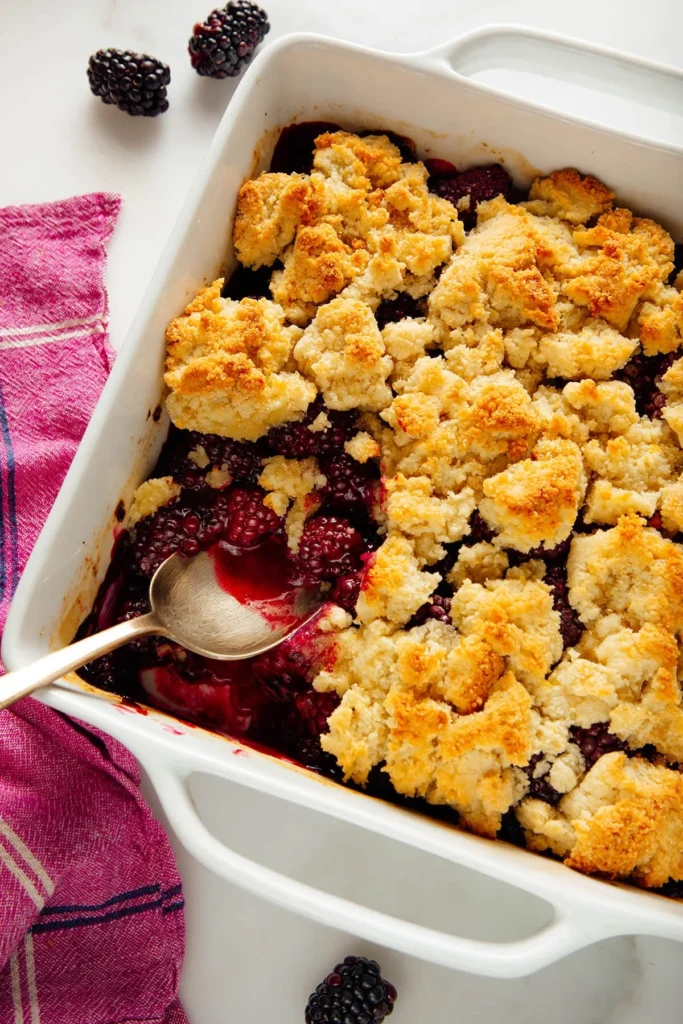
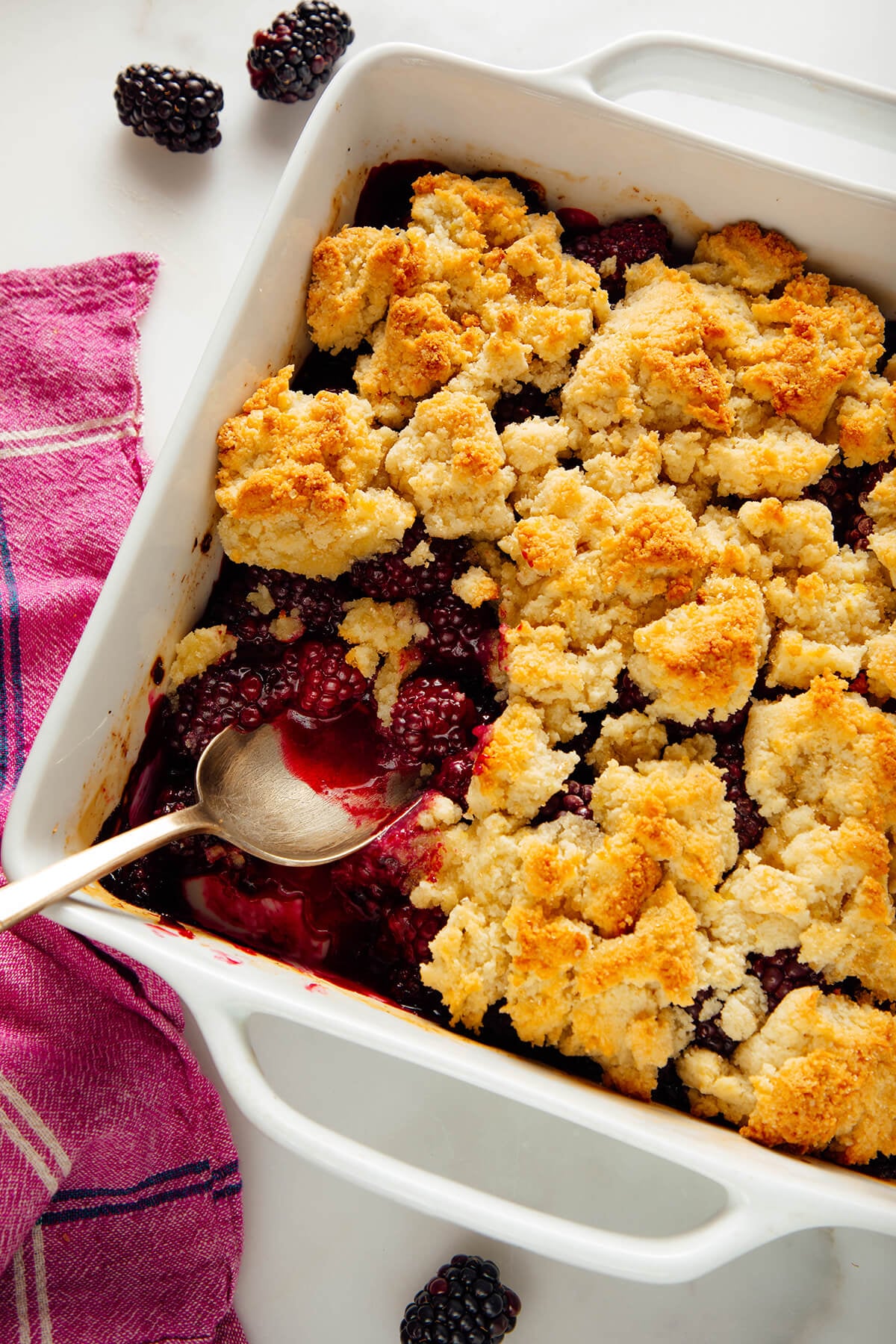
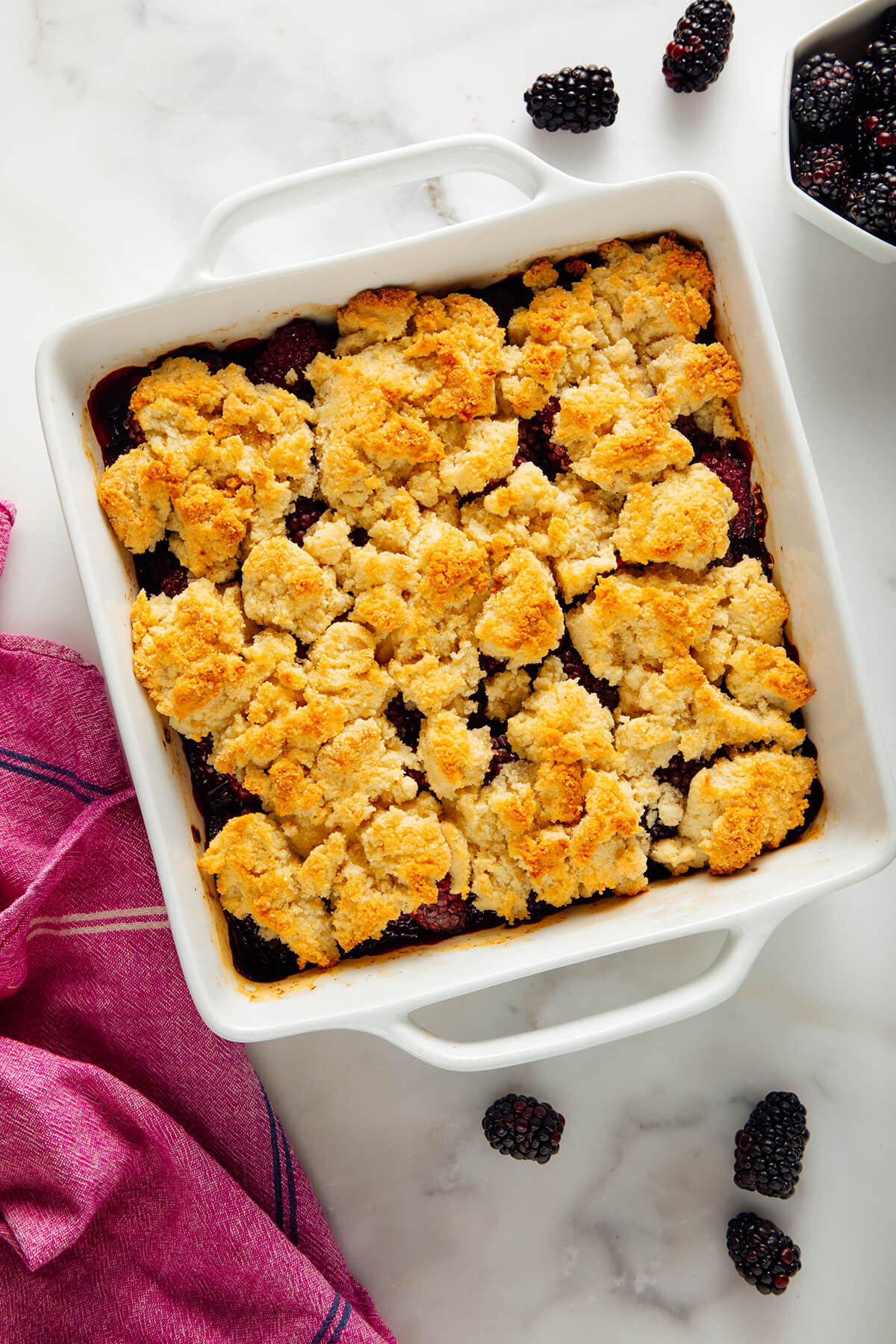
The recipe, championed by Kathryne Taylor, the creative force behind Cookie and Kate, presents a "summertime delight" characterized by "jammy blackberries underneath a tender, golden, scone-like topping." What sets this particular rendition apart is its ingenious use of almond flour in the topping, rendering the dessert entirely gluten-free without sacrificing texture or flavor. This strategic choice caters to a burgeoning demographic of individuals seeking gluten-conscious options, whether due to celiac disease, gluten sensitivity, or simply a preference for alternative flours. The recipe’s success is a testament to the evolving landscape of home cooking, where health and dietary needs are increasingly integrated into everyday culinary practices.
The Rise of Gluten-Free Baking and the Cobbler’s Enduring Appeal
The journey of the gluten-free movement from a niche dietary requirement to a mainstream culinary trend has been remarkable. Over the past decade, market research firm GlobalData reported a consistent annual growth in the gluten-free food sector, projecting it to reach over $10 billion globally by 2025. This surge is driven by increased awareness of celiac disease and gluten sensitivities, alongside a broader perception of gluten-free products as healthier alternatives. In this context, Ms. Taylor’s blackberry cobbler arrives at an opportune moment, tapping into an established demand for delicious, adaptable recipes.
Cobblers themselves boast a rich culinary history, originating in the American colonies as a rustic, hearty dessert. Characterized by a fruit filling topped with a biscuit-like dough, they have long been cherished for their simplicity, versatility, and comforting warmth. Historically, these desserts were a practical way to utilize seasonal fruits, with variations emerging across different regions of the United States. The term "cobbler" itself is believed to derive from the way the topping appears "cobbled" or roughly paved over the fruit. Ms. Taylor’s recipe, while maintaining this traditional ethos of seasonal fruit and comforting texture, elevates it with modern ingredient choices and refined flavor enhancements.
A Deeper Dive into the Recipe’s Innovation and Flavor Profile
Beyond its gluten-free attribute, the Cookie and Kate blackberry cobbler distinguishes itself through a carefully curated flavor profile. Ms. Taylor notes that "something borderline magical happens when you bake blackberries," observing that "the heat of the oven seems to enhance their floral undertones and make them taste extra special." This observation highlights an understanding of fruit chemistry and baking techniques that elevates the simple blackberry.
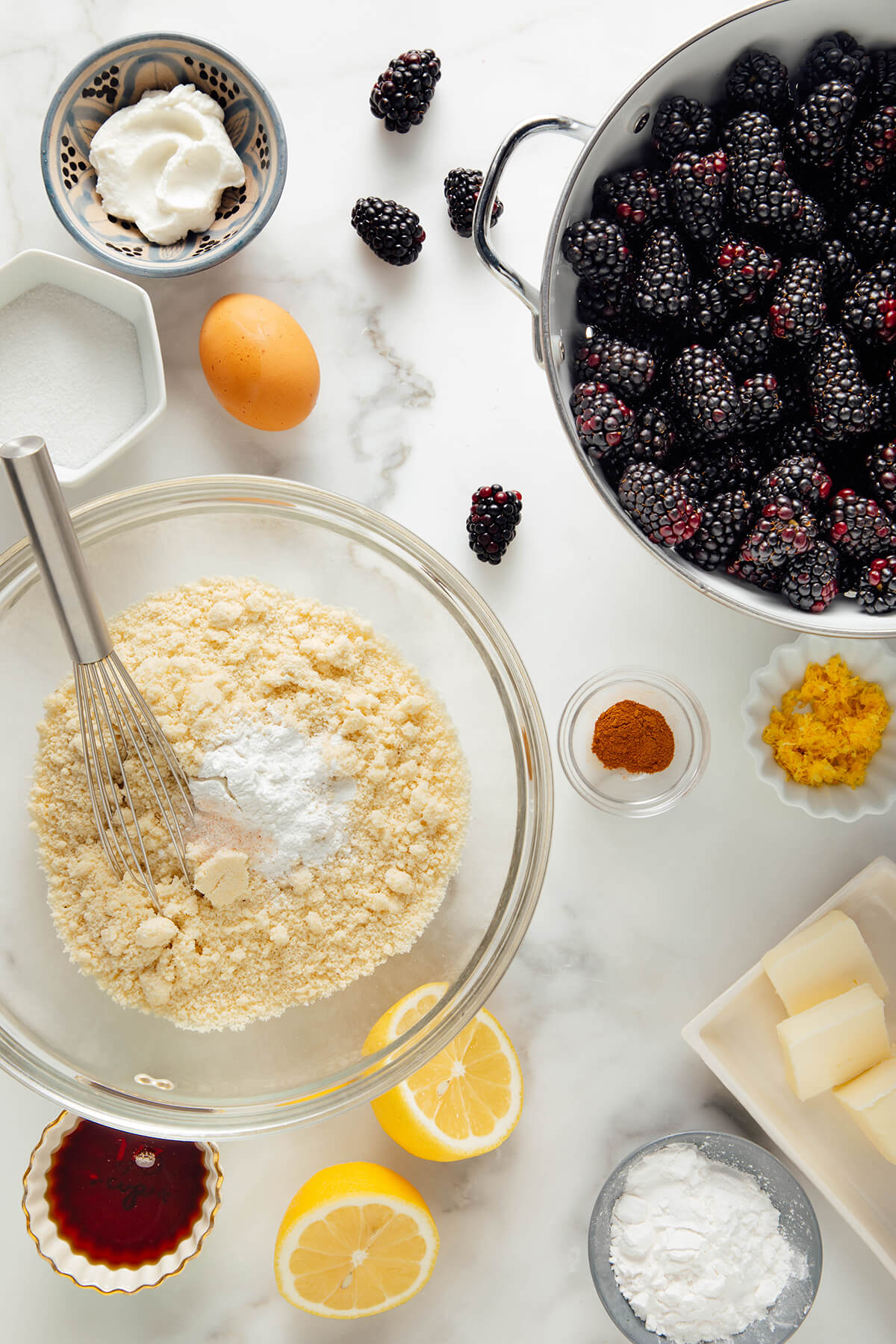
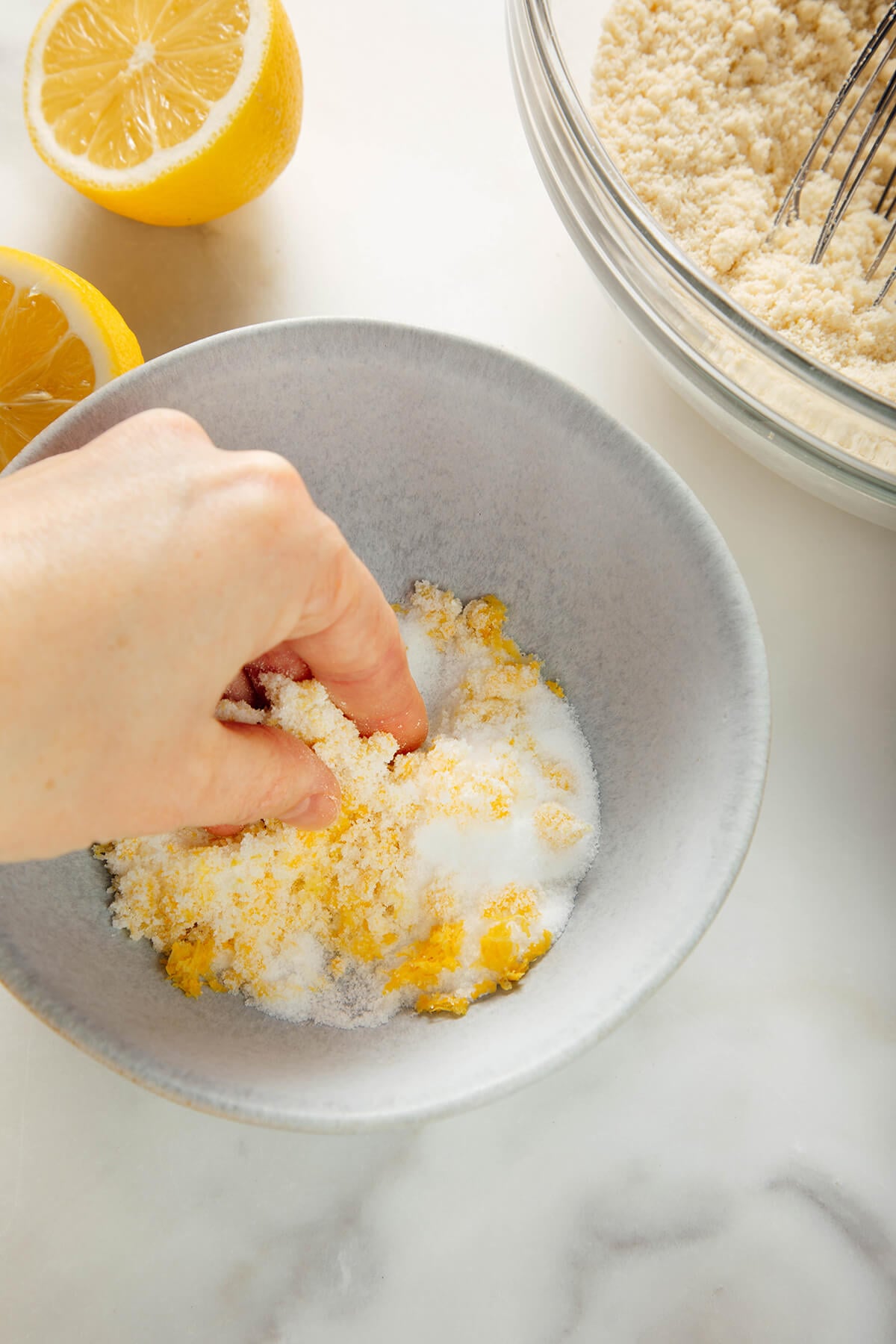
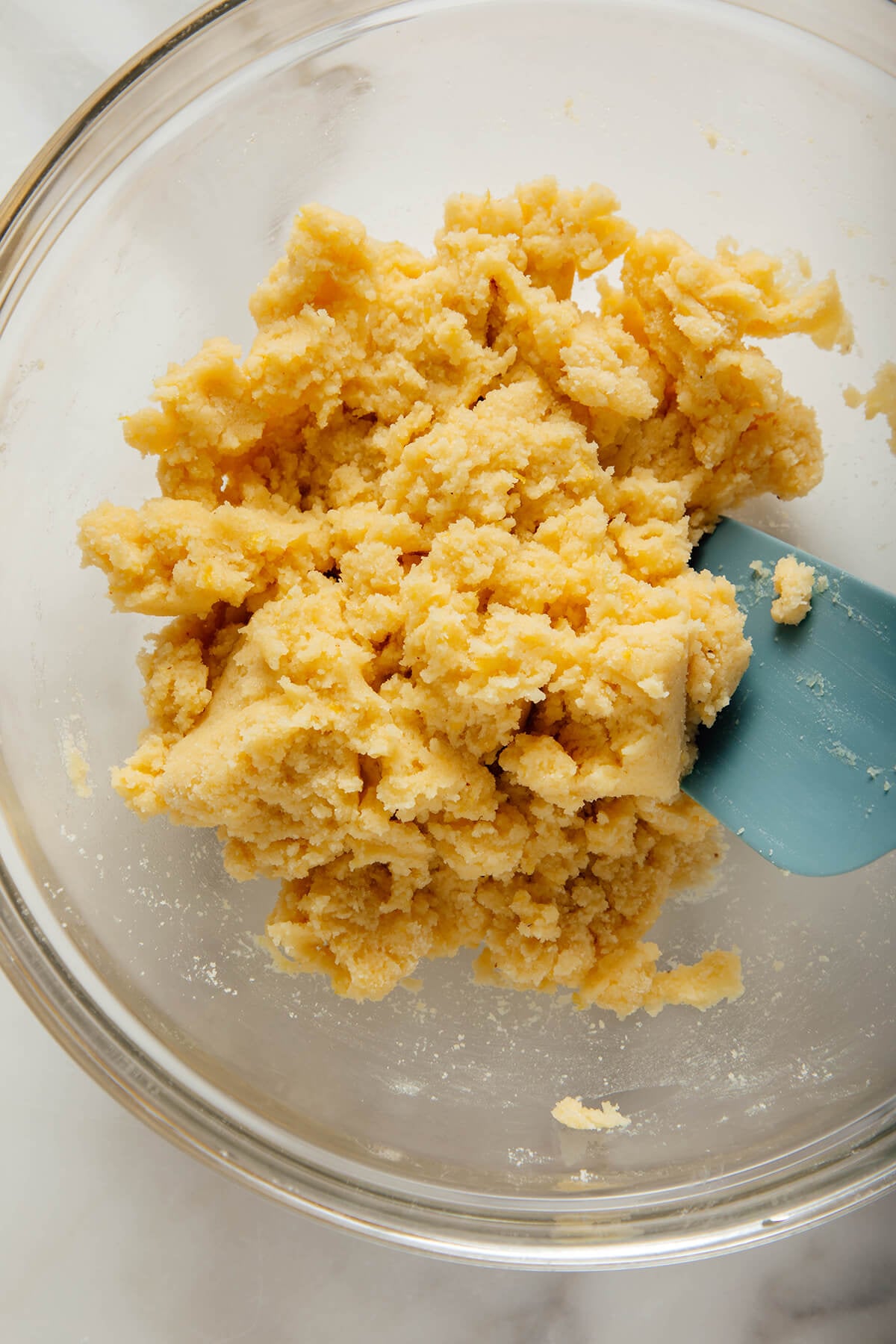
The addition of lemon zest introduces a bright, acidic counterpoint that cuts through the sweetness of the berries, preventing the dessert from becoming cloying. A "touch of cinnamon" adds warmth and depth, complementing the fruit without overpowering it, while a "dab of tangy Greek yogurt" in the topping contributes a subtle richness and tender crumb. These elements are not merely arbitrary additions but carefully considered components that create a complex and harmonious taste experience. Culinary critics have often lauded such thoughtful layering of flavors as a hallmark of sophisticated home baking, transforming a simple fruit dessert into a memorable gastronomic event.
Chronology of a Culinary Release and Its Reception
The development and release of this recipe align with a broader trend of popular food blogs serving as primary sources for culinary inspiration and innovation. Cookie and Kate, known for its focus on whole foods and vegetarian recipes, has a strong track record of successful gluten-free fruit-based desserts, including popular peach and blueberry cobblers, which also utilize almond flour. This prior success established a loyal audience eager for new creations.
- Early 2023: Growing anticipation among Cookie and Kate’s followers for new seasonal dessert recipes, particularly those accommodating dietary needs. The blog’s analytics likely showed sustained interest in gluten-free baking.
- Late Summer 2023 (e.g., August 15, 2023): The Blackberry Cobbler recipe is officially published on the Cookie and Kate blog, accompanied by high-quality photography and detailed instructions. The timing capitalizes on the peak blackberry season, encouraging readers to use fresh, ripe fruit.
- Initial Weeks Post-Publication: The recipe quickly gains traction across social media platforms. Users share photos of their creations, praising the recipe’s ease of preparation, delicious outcome, and successful gluten-free adaptation. Food influencers and smaller blogs begin to feature and review the recipe, amplifying its reach.
- Current Status: The recipe has accumulated a significant number of positive comments and ratings, establishing it as a go-to gluten-free blackberry cobbler. Its virality reflects the power of digital platforms in disseminating culinary trends.
Expert Endorsements and Consumer Feedback
The recipe’s rapid ascent has drawn comments from various stakeholders within the food industry. Dr. Evelyn Reed, a nutritionist specializing in alternative diets, commented, "Ms. Taylor’s cobbler is an excellent example of how gluten-free baking has evolved. It demonstrates that you can achieve both incredible flavor and texture using alternative flours, offering a truly inclusive dessert option for gatherings where diverse dietary needs are present." She highlighted the nutritional benefits of almond flour, which is higher in protein and healthy fats compared to conventional wheat flour, adding a subtle health advantage to the indulgent treat.
From a culinary perspective, Chef Marcus Thorne, a renowned pastry chef and advocate for seasonal ingredients, remarked, "The strategic two-step baking process outlined in the recipe is key. Baking the fruit first allows it to condense and intensify in flavor, preventing a watery filling, while ensuring the topping achieves that perfect golden crispness. It’s a technique that showcases a deep understanding of baking science." This technical insight underscores the thoughtful development behind the recipe.
Online comments from home bakers mirror this enthusiasm. Sarah P., a long-time follower of Cookie and Kate, posted, "I made this for a family gathering, and no one could tell it was gluten-free! It was absolutely delicious, and the subtle almond flavor with the tart blackberries was divine. This is definitely going into my regular rotation." Such testimonials reinforce the recipe’s success in bridging the gap between specialty dietary needs and mainstream appeal.
The Two-Step Baking Process: A Masterclass in Technique
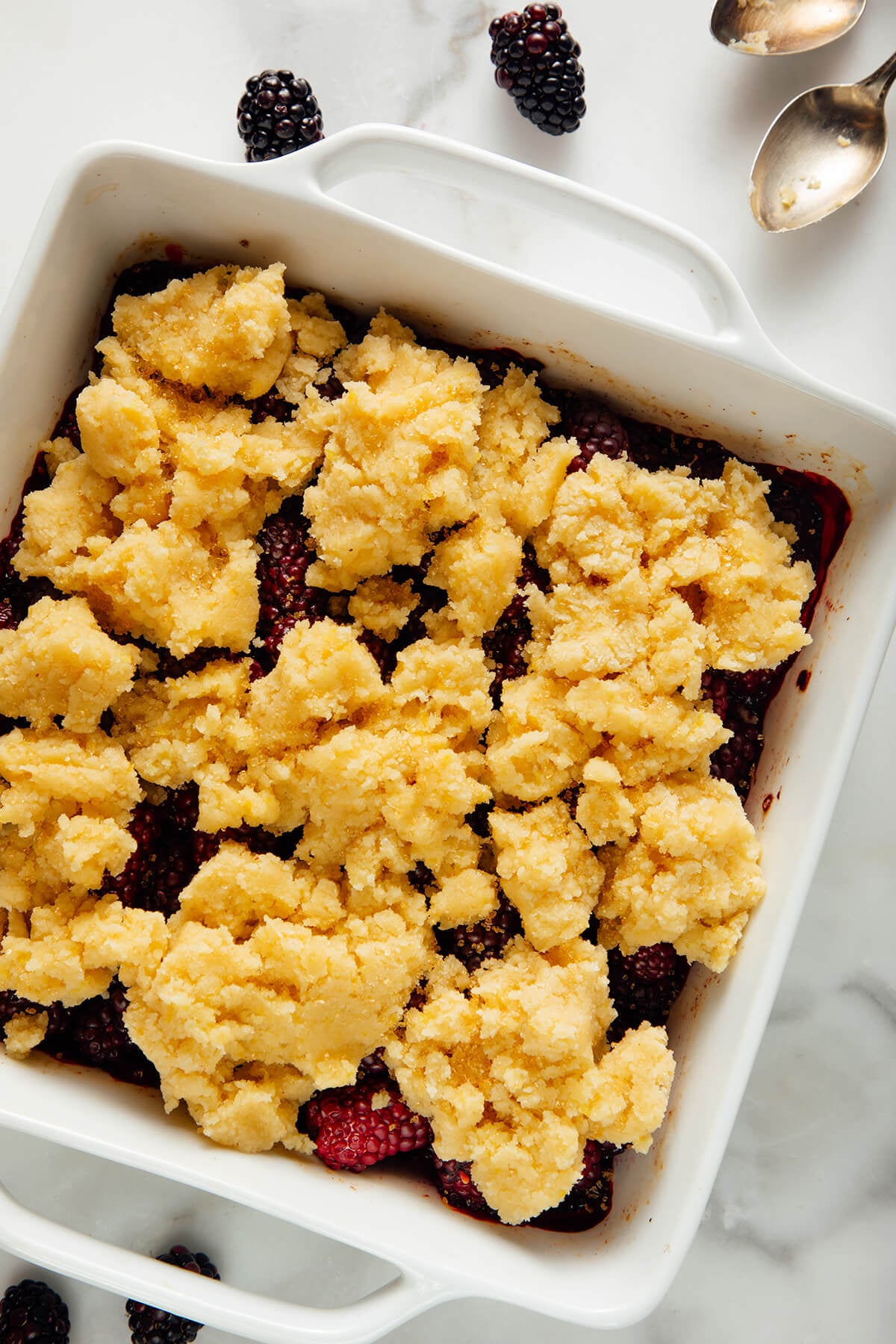
A critical element contributing to the recipe’s consistent success is its recommended two-step baking process. The methodology involves initially baking the blackberry filling alone for a period before adding the topping for the final bake. Ms. Taylor explains, "With this simple two-step baking process, you’ll achieve a bubbly, condensed blackberry filling with a perfectly golden topping. If you tried to bake it all together at once, the topping will turn too golden before the filling is done."
This technique is a common strategy employed by experienced bakers to manage different cooking times and achieve optimal textures for various components of a dish. For the fruit filling, the initial bake allows the blackberries to release their juices, soften, and become "jammy," concentrating their flavor without overcooking the delicate topping. The topping, made with almond flour, benefits from a shorter, more direct baking period to achieve its desired "scone-like" tenderness and golden-brown crust without burning. This methodological precision is what transforms a good recipe into a consistently excellent one, offering home bakers a reliable path to success.
Blackberry Tips for Optimal Results
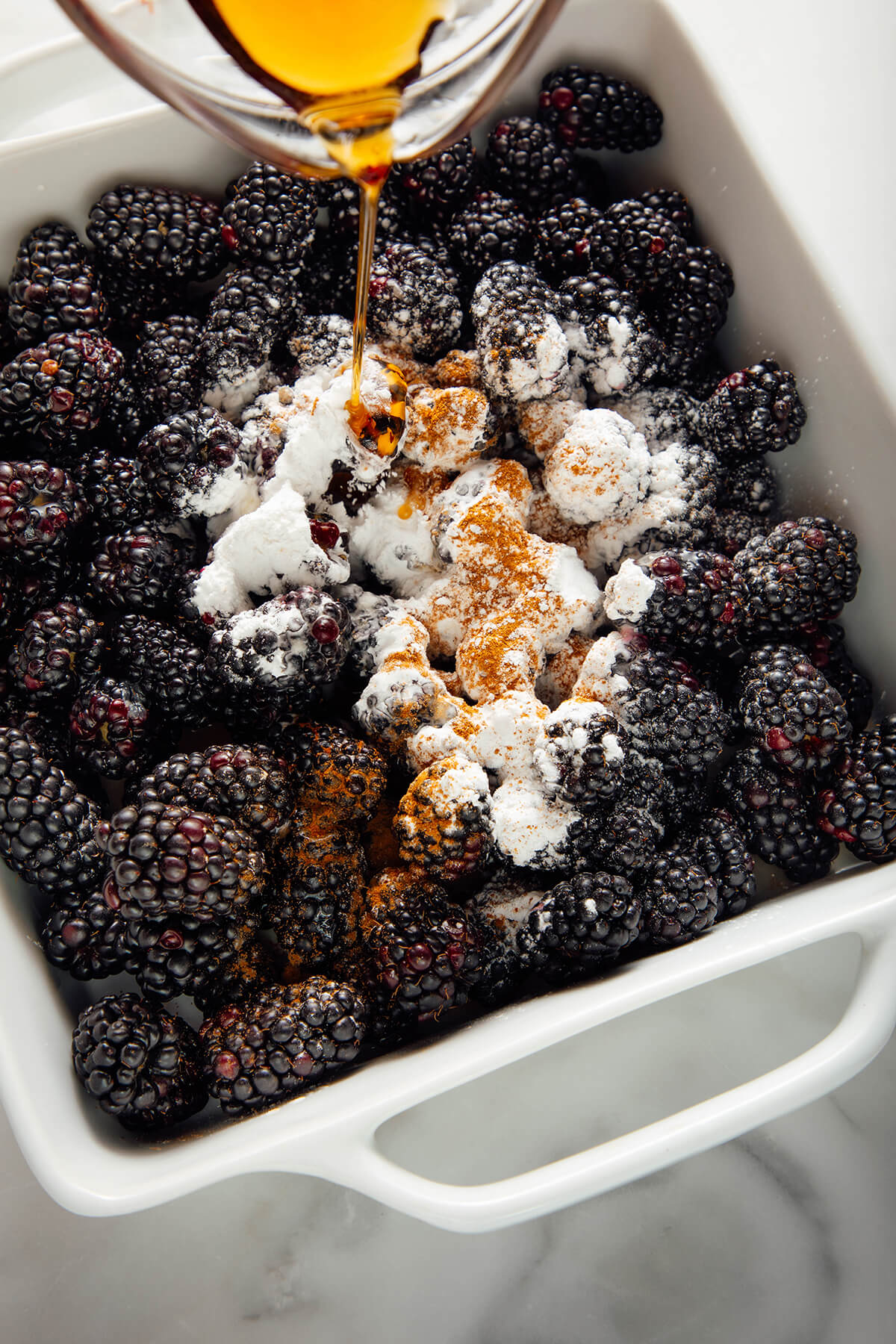
The recipe also includes practical tips for working with blackberries, an essential detail for maximizing the success of the dessert. Considerations such as the quality and ripeness of fresh berries, or the proper preparation of frozen berries, are crucial. For instance, the instruction to defrost frozen berries without draining their juices is vital, as those juices contribute significantly to the "jammy" consistency of the filling. The recommendation to warm frozen berries in the oven before adding other ingredients ensures even cooking and flavor development, avoiding a cold, unevenly baked core. These practical guidelines exemplify the journalistic commitment to providing comprehensive and actionable advice to the reader, moving beyond mere ingredients lists to ensure a successful outcome.
Broader Implications and Future Culinary Trends
The widespread adoption of Cookie and Kate’s gluten-free blackberry cobbler carries several implications for the future of home cooking and the broader food industry.
- Reinforcement of Gluten-Free as a Mainstream Standard: The success of this recipe solidifies the idea that gluten-free options are no longer just for those with specific health requirements but are becoming a preferred choice for a wider audience seeking perceived healthier alternatives or simply diverse culinary experiences. This pushes manufacturers and recipe developers to prioritize gluten-free versions of classic dishes.
- Innovation in Ingredient Substitution: The effective use of almond flour in a scone-like topping sets a high bar for gluten-free baking, inspiring further experimentation with alternative flours and binding agents. This could lead to more innovative and delicious gluten-free adaptations across various dessert categories.
- Influence of Digital Platforms on Culinary Trends: The rapid dissemination and adoption of this recipe highlight the unparalleled power of influential food blogs and social media in shaping consumer preferences and driving culinary trends. Food bloggers like Kathryne Taylor act as de facto culinary researchers and trendsetters, directly impacting what people cook in their homes.
- Emphasis on Seasonal and Whole Ingredients: The recipe’s focus on fresh, seasonal blackberries reinforces a broader consumer trend towards ingredients that are locally sourced, in season, and minimally processed. This encourages a return to ingredient-driven cooking, celebrating the natural flavors of produce.
- Demand for Versatile and Easy-to-Follow Recipes: The recipe’s perceived simplicity and clear instructions make it approachable for novice and experienced bakers alike, meeting the demand for recipes that are both impressive and achievable.
In conclusion, the gluten-free blackberry cobbler from Cookie and Kate is more than just a dessert; it is a culinary statement. It exemplifies the ongoing evolution of home baking, where health, taste, and accessibility converge to create delightful and inclusive culinary experiences. As consumers continue to seek innovative solutions for dietary needs without sacrificing flavor, recipes like this cobbler are poised to become enduring staples, influencing how future generations approach classic desserts. The enthusiastic reception from both critics and home bakers suggests that this summertime delight is set to leave a lasting mark on the culinary landscape.