









The conventional wisdom surrounding snacking has undergone a significant transformation within the nutritional and public health discourse. Historically, snacking often carried a negative connotation, frequently equated with excessive calorie intake and an impediment to weight management. However, a more nuanced understanding has emerged, particularly concerning the dietary needs of older adults. Strategic snacking, when executed thoughtfully with nutrient-dense choices, can serve as a potent tool to enhance protein intake, regulate satiety, and support crucial physiological functions such as metabolism and muscle preservation, especially for individuals navigating the unique metabolic shifts that accompany aging past the age of sixty.
As the human body ages, it undergoes a series of predictable physiological changes that directly impact nutritional requirements and metabolic efficiency. Among the most significant are a natural decline in basal metabolic rate, often attributed to a decrease in lean muscle mass, and the phenomenon known as sarcopenia – the progressive and generalized loss of skeletal muscle mass and strength. These changes underscore the critical importance of a diet rich in high-quality protein and fiber to counteract muscle wasting, maintain metabolic vigor, and support overall health. Recognizing these age-specific challenges, leading nutrition experts are increasingly advocating for intentional snacking as a vital component of a balanced diet for seniors.
Tara Collingwood, MS, RDN, CSSD, LD/N, ACSM-CPT, a Board Certified Sports Dietitian and co-author of the Flat Belly Cookbook for Dummies, has provided expert recommendations for daily snacks specifically tailored to support fat loss, muscle maintenance, and metabolic health in individuals over sixty. Her insights emphasize accessible, nutrient-rich options that address common dietary needs and preferences, ranging from sweet to savory. While these dietary recommendations are designed to optimize nutritional intake and support body composition goals, it is crucial to understand that they complement, rather than replace, the benefits of regular physical activity for comprehensive health. However, for those seeking to leverage nutrition to manage weight and support muscle health, particularly abdominal fat, these snacks offer a powerful, evidence-based approach.


Understanding Age-Related Nutritional Shifts and the Role of Snacking
The period after sixty marks a critical juncture for nutritional focus. Metabolism typically slows by approximately 1-2% per decade after the age of 20, a rate that can accelerate further in later life. This deceleration means that maintaining weight requires a more precise approach to calorie intake and nutrient density. Concurrently, the body’s efficiency in synthesizing protein can diminish, making adequate protein consumption paramount for combating sarcopenia. Studies indicate that adults over 50 may require more protein per kilogram of body weight than younger adults to maintain muscle mass. Fiber, too, becomes increasingly vital for digestive regularity, blood sugar control, and prolonged satiety, which can prevent overeating and support fat loss efforts. Intentional snacking allows for the strategic distribution of these macronutrients throughout the day, optimizing absorption and utilization.
Beyond muscle and metabolism, nutrient-rich snacks can play a pivotal role in managing other age-related health concerns. For instance, maintaining stable blood sugar levels is crucial for preventing type 2 diabetes and managing existing conditions. Snacks that combine fiber, protein, and healthy fats can significantly reduce glycemic spikes compared to carbohydrate-only options. Furthermore, adequate nutrition contributes to bone health, immune function, and cognitive vitality, all of which are critical for an active and healthy older age.
Expert-Recommended Daily Snacks for Optimal Health After Sixty
Collingwood’s recommendations are designed to be both effective and practical, offering convenient solutions for daily nutritional needs. Each suggestion is rooted in sound nutritional science, targeting the specific requirements of the aging body.
1. Greek Yogurt with Berries: A Synergistic Powerhouse
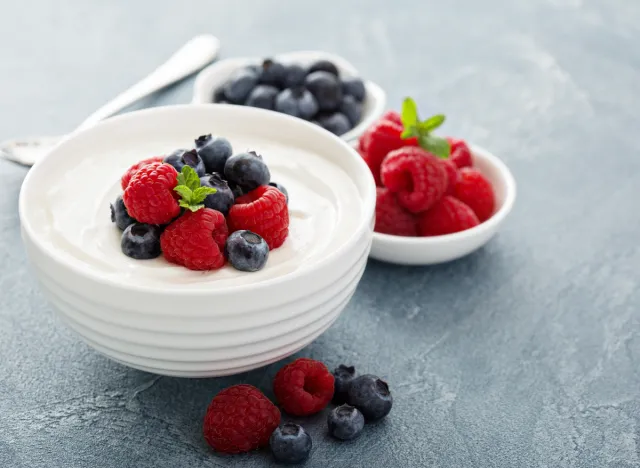
Greek Yogurt with Berries stands out as a top recommendation, lauded for its exceptional protein content and nutrient density. Collingwood highlights that "Protein becomes especially important as we age to help preserve muscle, and Greek yogurt delivers a solid protein boost in a small, easy-to-eat snack. Adding berries adds fiber, which helps keep hunger at bay longer. This combo supports muscle health, digestion, and steady energy."
- Detailed Nutritional Profile: Greek yogurt is celebrated for its high concentration of high-quality protein, primarily casein and whey. A standard serving (approximately 150-170g) can provide 15-20 grams of protein, significantly contributing to the daily protein targets essential for preventing sarcopenia. Casein protein, known for its slow digestion, provides a sustained release of amino acids, supporting muscle repair and growth over a longer period. Additionally, Greek yogurt is an excellent source of calcium, crucial for maintaining bone density, a significant concern for older adults, and probiotics, which support gut health and immune function.
- Benefits of Berries: Berries, such as blueberries, raspberries, and strawberries, are nutritional superstars. They are low in calories but rich in dietary fiber, which aids digestion, promotes satiety, and helps regulate blood sugar levels. Beyond fiber, berries are packed with antioxidants, particularly anthocyanins, which combat oxidative stress and inflammation—processes linked to aging and chronic diseases like heart disease and certain cancers. Blueberries, for instance, are renowned for their potential to support cognitive function.
- Combined Impact for Seniors: The synergy between Greek yogurt and berries creates an ideal snack for individuals over sixty. The protein-fiber combination is highly satiating, helping to manage appetite and reduce the likelihood of overeating at subsequent meals, thereby supporting fat loss goals. The sustained energy release from this pairing helps stabilize blood sugar, avoiding energy crashes and promoting consistent metabolic activity. For bone health, the calcium from yogurt combined with the vitamin K in berries offers comprehensive support.
- Practical Enhancement Tips: To further enhance this snack, consider adding a sprinkle of chia or flax seeds for additional omega-3 fatty acids and fiber, or a small handful of chopped nuts for healthy fats and extra protein. Opting for plain, unsweetened Greek yogurt and adding natural sweetness from berries and perhaps a touch of cinnamon (known for its blood sugar-regulating properties) is recommended to minimize added sugars.
2. Harvest Snaps with Hummus or Cottage Cheese: The Savory, Crunchy Alternative
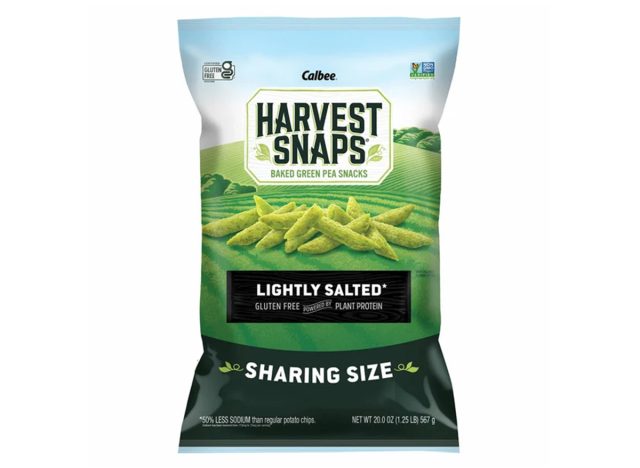
For those who prefer a savory snack with satisfying crunch, Harvest Snaps paired with hummus or cottage cheese offers an excellent, nutrient-dense option. Collingwood explains, "Harvest Snaps Lightly Salted are made from real veggies, so they naturally provide 4g of fiber and 5g of satiating, whole food-sourced protein. Pairing them with hummus or cottage cheese adds even more protein. The crunch satisfies cravings, while protein and fiber work together to promote fullness."
- Harvest Snaps as a Base: Harvest Snaps, typically made from green peas or lentils, provide a healthier alternative to traditional fried potato chips. Their inherent fiber and plant-based protein content contribute significantly to satiety. The "lightly salted" variety helps manage sodium intake, an important consideration for older adults who may be monitoring blood pressure. The satisfying crunch can effectively curb cravings for less healthy, processed snacks.
- Hummus: A Legume-Based Powerhouse: Hummus, made from chickpeas, tahini, olive oil, and lemon juice, is a potent source of plant-based protein and dietary fiber. Chickpeas are rich in complex carbohydrates, providing sustained energy, and contain various vitamins and minerals, including folate, iron, and manganese. The healthy fats from tahini (sesame paste) and olive oil contribute to satiety and provide essential fatty acids, which are beneficial for heart health and inflammation management. The fiber in hummus also supports gut health and regular bowel movements, a common concern in older populations.
- Cottage Cheese: Dairy-Based Protein and Calcium: Cottage cheese, similar to Greek yogurt, is an excellent source of high-quality dairy protein, particularly casein. It is also rich in calcium and phosphorus, vital for bone health, and B vitamins. Choosing low-fat or fat-free cottage cheese can help manage calorie intake while still providing a substantial protein boost. Its soft texture also makes it an easy-to-eat option for those with dental or chewing difficulties.
- Optimizing Satiety and Nutrient Intake: The combination of Harvest Snaps with either hummus or cottage cheese leverages the power of protein and fiber to create a highly satisfying snack. This pairing helps prevent the rapid blood sugar spikes often associated with refined carbohydrate snacks, leading to more stable energy levels throughout the day. For individuals over 60, this translates to better appetite control, reduced risk of unhealthy snacking, and support for body composition goals.
- Customization and Health Considerations: When selecting hummus, look for brands with minimal additives and healthy fats. For cottage cheese, consider opting for lower sodium varieties if blood pressure is a concern. Adding a sprinkle of paprika or a few chopped herbs can enhance flavor without adding significant calories.
3. Apple Slices with Peanut or Almond Butter: The Classic, Balanced Treat
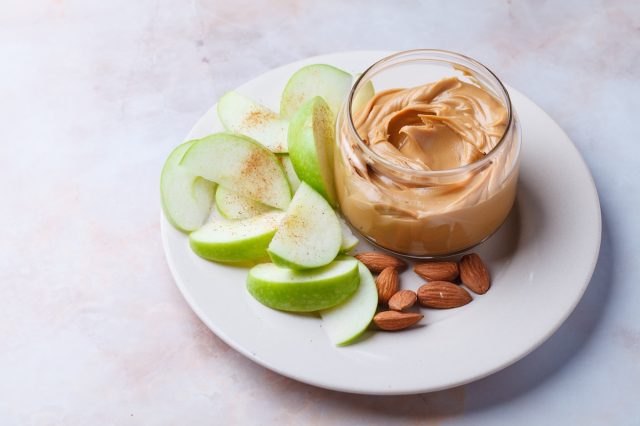
The simple yet effective combination of Apple Slices with Peanut or Almond Butter is a time-tested snack that offers a perfect balance of macronutrients. Collingwood states, "Fiber from fruit plus protein and fat from nut butter is a classic combination that works especially well after 50, when blood sugar stability and satiety really matter. This snack is portable, satisfying, and easy to adjust for appetite."
- Apples: Fiber and Antioxidants: Apples are an excellent source of dietary fiber, particularly pectin, which is known for its ability to regulate digestion, lower cholesterol, and stabilize blood sugar. They also provide essential vitamins, such as Vitamin C, and a host of antioxidants that protect cells from damage. The natural sweetness of apples satisfies cravings without resorting to added sugars. Different varieties offer varying textures and sweetness levels, allowing for personal preference.
- Nut Butters: Healthy Fats, Protein, and Micronutrients: Peanut butter and almond butter are dense in healthy monounsaturated and polyunsaturated fats, which are beneficial for heart health and contribute significantly to satiety. They are also good sources of plant-based protein and fiber. Additionally, nut butters provide important micronutrients like Vitamin E (a powerful antioxidant), magnesium (involved in over 300 bodily functions, including muscle and nerve function, blood glucose control, and blood pressure regulation), and potassium.
- Blood Sugar Stability and Satiety: The strategic combination of fiber from apples with the protein and healthy fats from nut butter creates a snack that promotes gradual glucose absorption, preventing rapid blood sugar spikes and subsequent crashes. This stability is paramount for sustained energy and preventing hunger pangs, which can lead to overeating. For individuals over 60, maintaining stable blood sugar is crucial for metabolic health and managing conditions like insulin resistance.
- Portability and Customization: This snack is incredibly versatile and easy to prepare, making it ideal for on-the-go consumption. When choosing nut butter, it is important to select natural varieties with minimal ingredients (ideally just nuts and salt) to avoid added sugars, hydrogenated oils, and unnecessary fillers. Portion control for nut butters is also key, as they are calorie-dense. A tablespoon or two is typically sufficient for a snack.
- Enhanced Nutritional Value: Consider pairing apples with other nut or seed butters like cashew butter or sunflower seed butter for variety and different nutrient profiles. Adding a sprinkle of cinnamon can further enhance flavor and metabolic benefits.
4. Smoothie with Protein and Fiber: The Customizable Nutrient Delivery System
A Smoothie with Protein and Fiber offers a highly customizable and convenient way to pack essential nutrients into a single serving, particularly beneficial for older adults who may experience reduced appetite or difficulty chewing. Collingwood notes, "A small smoothie with protein powder, berries, and chia or flax offers both protein and fiber in a convenient form. You can customize the type of protein you prefer and drink it at your desk or on the go."
- Versatility and Customization: The beauty of a smoothie lies in its adaptability. It can be tailored to individual taste preferences, dietary restrictions, and specific nutritional needs. This makes it an invaluable tool for ensuring adequate nutrient intake, especially for those with specific health goals or conditions.
- Protein Sources: The choice of protein powder is critical. Whey protein is a complete protein, rapidly absorbed, making it excellent for post-exercise recovery or for quickly boosting protein intake. Casein protein offers a slower release of amino acids. Plant-based protein powders, such as pea, soy, or hemp protein, are excellent alternatives for those with dairy allergies or who follow vegetarian/vegan diets. Ensuring adequate protein intake throughout the day is crucial for combating sarcopenia and maintaining muscle mass in older adults.
- Fiber-Rich Additions: Beyond berries, which offer both fiber and antioxidants, a variety of ingredients can boost a smoothie’s fiber content. Leafy greens like spinach or kale blend seamlessly into smoothies, adding vitamins, minerals, and fiber without significantly altering taste. Chia seeds and flax seeds are exceptional sources of soluble and insoluble fiber, as well as omega-3 fatty acids, which support heart and brain health. Rolled oats can also be added for complex carbohydrates and additional fiber, promoting sustained energy.
- Healthy Fats and Micronutrients: Incorporating healthy fats like a quarter of an avocado, a tablespoon of nut butter, or a few walnuts can enhance satiety, aid in the absorption of fat-soluble vitamins, and provide essential fatty acids. Adding ingredients like unsweetened almond milk, coconut water, or plain water as a liquid base helps maintain hydration, which is often overlooked but critical for overall health in seniors.
- Ease of Consumption and Nutrient Density: Smoothies are an ideal option for individuals who may have difficulty consuming solid foods due to dental issues, reduced appetite, or swallowing difficulties. They allow for a high concentration of nutrients in an easily digestible liquid form, ensuring that vital vitamins, minerals, protein, and fiber are consumed efficiently. This can be particularly important for preventing nutrient deficiencies that become more prevalent with age.
- Considerations for Preparation: To maximize health benefits, use unsweetened ingredients and avoid excessive added sugars. Blend thoroughly to ensure a smooth texture, which can be more palatable. Preparing ingredients in advance (e.g., pre-portioned frozen fruit and greens) can make daily smoothie preparation quick and convenient.
Broader Implications and Holistic Health for Seniors
While these snack recommendations offer a powerful dietary strategy for supporting fat loss, muscle preservation, and metabolic health after sixty, it is essential to view them within the broader context of holistic well-being. Nutrition is one pillar; others include adequate hydration, regular physical activity, sufficient sleep, and stress management.
- Hydration: Often overlooked, adequate water intake is crucial for metabolic function, nutrient transport, and preventing constipation, especially when increasing fiber intake.
- Mindful Eating: Encouraging mindful eating practices – paying attention to hunger and fullness cues, eating slowly, and savoring food – can enhance the effectiveness of these snacks by fostering a healthier relationship with food and preventing mindless overconsumption.
- The Synergistic Role of Exercise: While the article focuses on dietary support without exercise, it is important to reiterate that physical activity, particularly strength training, is the most direct and effective method for building and maintaining muscle mass, which in turn significantly impacts metabolism. A combination of strategic nutrition and appropriate exercise offers the most comprehensive approach to healthy aging.
- Professional Consultation: For individuals with specific health conditions (e.g., diabetes, kidney disease, allergies) or complex dietary needs, consulting with a registered dietitian or healthcare provider is always recommended. Personalized nutritional guidance ensures that dietary choices are safe, effective, and tailored to individual requirements.
In conclusion, the expert recommendations provided by dietitian Tara Collingwood underscore a paradigm shift in how we view snacking, particularly for the aging population. By selecting nutrient-dense, protein- and fiber-rich snacks like Greek yogurt with berries, Harvest Snaps with hummus or cottage cheese, apple slices with nut butter, and customized protein-fiber smoothies, individuals over sixty can proactively support their fat loss goals, preserve vital muscle mass, maintain a healthy metabolism, and ultimately enhance their overall quality of life. These simple, daily choices empower older adults to take control of their nutritional well-being, fostering sustained energy, satiety, and a foundation for vibrant health in their golden years.