The Endocrine Society has officially announced the creation of a prestigious new accolade, the Jesse Roth Award and Lecture, designed to commemorate the life and monumental scientific contributions of the late Jesse Roth, MD. This award is slated to become a cornerstone of the Society’s recognition programs, specifically targeting physician-scientists who have demonstrated exceptional achievement in the fields of hormone action, diabetes, or metabolism. By bridging the gap between honoring established legends and fostering the growth of emerging researchers, the award seeks to ensure the continued evolution of endocrine science.
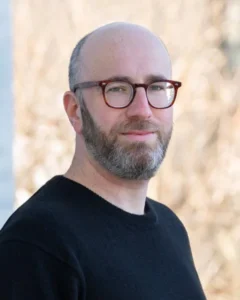
In a simultaneous announcement, the Society named C. Ronald Kahn, MD, a world-renowned expert in insulin signaling from the Joslin Diabetes Center and Harvard Medical School, as the inaugural recipient of the honor. Dr. Kahn is scheduled to deliver the keynote Jesse Roth Lecture at ENDO 2027, the Endocrine Society’s premier annual meeting. The prize includes an honorarium and a travel grant, components designed to facilitate the sharing of high-level scientific discourse. Furthermore, in a move that underscores the late Dr. Roth’s commitment to education, the award will also provide travel support for two early-career scientists to present their abstracts at the ENDO meeting, ensuring that the next generation of researchers has a platform on the global stage.
The Scientific Legacy of Jesse Roth, MD
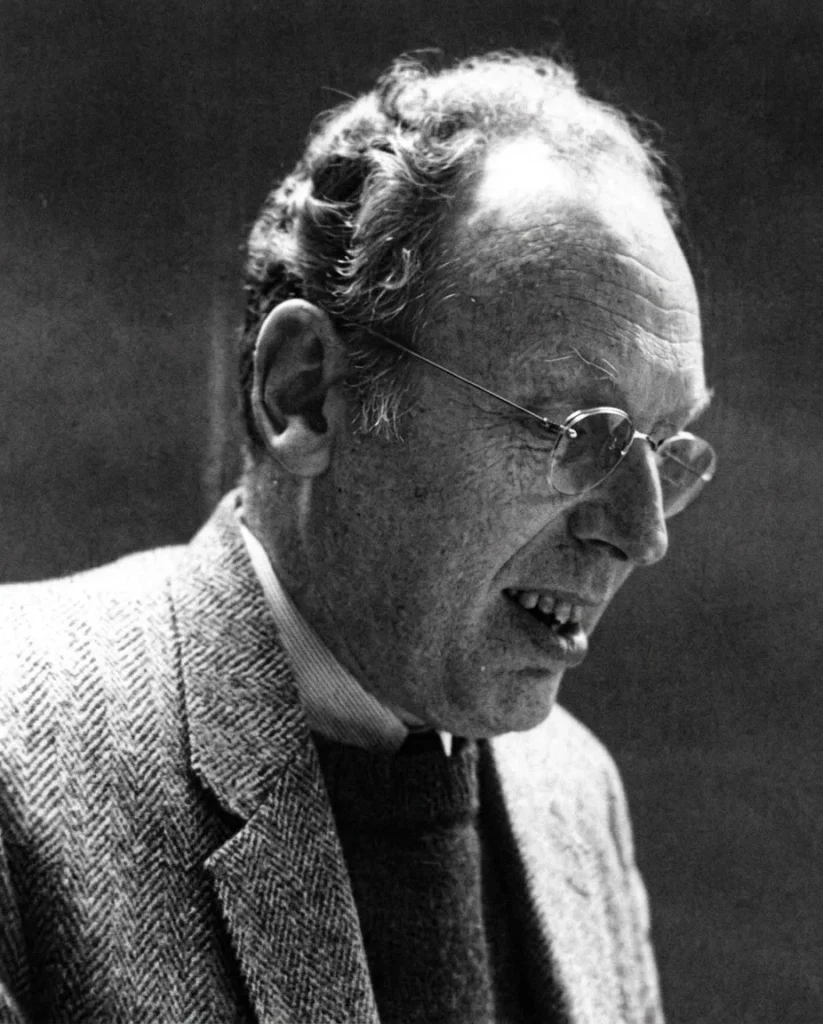
The establishment of this award serves as a formal tribute to a man whose work fundamentally altered the trajectory of metabolic medicine. Dr. Jesse Roth, who passed away in March 2026 at the age of 91, was a visionary whose research provided the foundational evidence for how hormones interact with the human body. Before Dr. Roth’s breakthroughs in the early 1970s, the precise mechanism by which insulin exerted its influence on cells was largely a matter of theoretical speculation.
Dr. Roth was the first to provide direct, empirical evidence that cells possess specific receptors for insulin. This discovery was revolutionary; it shifted the scientific understanding of diabetes from a condition solely defined by an "insulin deficiency" to one that could also be caused by "insulin resistance." His research demonstrated that even if the body produced sufficient insulin, diabetes could still manifest if the target cells possessed faulty receptors or an insufficient number of them. This paradigm shift opened the door to the development of modern treatments for Type 2 diabetes and metabolic syndrome, focusing on improving insulin sensitivity rather than just replacing the hormone.
Dr. Roth’s professional journey was marked by a nearly three-decade tenure at the National Institutes of Health (NIH) in Bethesda, Maryland. During his time there, he ascended to the role of scientific director of the National Institute of Diabetes and Digestive and Kidney Diseases (NIDDK). His influence extended beyond the NIH, as he later held significant positions at Johns Hopkins University and the Feinstein Institutes for Medical Research. Within the Endocrine Society, Dr. Roth was a towering figure, serving on the Board of Directors from 1993 to 1996 and receiving the Society’s highest honors, including the Fred Conrad Koch Award and the Robert H. Williams Distinguished Leadership Award.
C. Ronald Kahn: A Fitting Inaugural Laureate
The selection of C. Ronald Kahn, MD, as the first winner of the Jesse Roth Award and Lecture reflects a deep historical and scientific continuity. Dr. Kahn, currently the Mary K. Iacocca Professor of Medicine at Harvard Medical School and Chief Academic Officer at the Joslin Diabetes Center, was himself a mentee of Dr. Roth. This lineage of mentorship is a central theme of the new award.
Dr. Kahn’s own research has significantly expanded upon the foundations laid by Roth. While Roth identified the existence of the insulin receptor, Kahn’s work focused on the intricate "wiring" inside the cell—the insulin signal transduction pathway. He is credited with discovering the insulin receptor kinase, a critical enzyme that triggers the cellular response to insulin. His work has been instrumental in identifying the molecular defects that lead to insulin resistance in obesity and Type 2 diabetes.
Upon receiving news of the award, Dr. Kahn emphasized the personal and professional impact of his predecessor. "Jesse Roth transformed our understanding of insulin action and inspired generations of scientists through his extraordinary mentorship," Kahn stated. "His mentorship helped guide and shape my own career path. It is deeply meaningful to be selected as the inaugural recipient of an award bearing his name, particularly one that will help early-career researchers pursue the kinds of ambitious questions that defined Jesse’s career." In a gesture of further support for the field, Dr. Kahn has announced his intention to donate his honorarium back to the fund to support future award cycles.
A Collective Effort in Scientific Philanthropy
The Jesse Roth Award and Lecture is unique not only for what it honors but also for how it was created. Rather than being established through a single large endowment, the award was the brainchild of a group of Dr. Roth’s most distinguished colleagues and former mentees. This group includes Nobel Prize winner Robert J. Lefkowitz, MD, alongside Drs. C. Ronald Kahn, Jeffrey S. Flier, Dominic Accili, Simeon Taylor, and Alan Shuldiner.
These individuals recognized that Dr. Roth’s influence was best honored by creating a permanent mechanism to support the field he helped build. They spearheaded a fundraising campaign to ensure the award would have the longevity and prestige necessary to impact the scientific community for decades. The Endocrine Society has noted that the fund remains open for public and professional donations, reflecting a community-wide commitment to metabolic research.
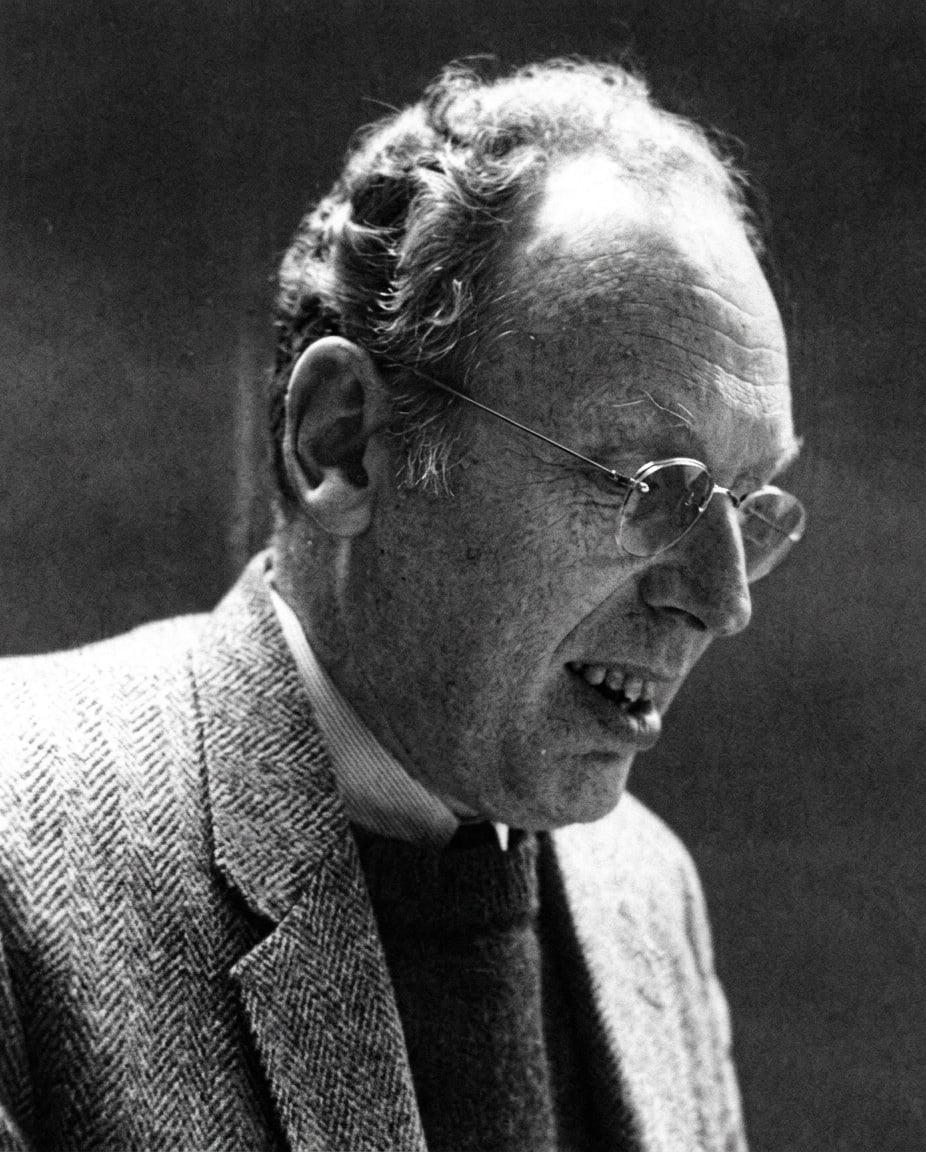
Endocrine Society President Nanette Santoro, MD, praised the collaborative spirit behind the initiative. "Jesse Roth exemplified the scientific excellence, curiosity, and commitment to mentorship that drive our field forward," Santoro said. "We are proud to honor his contributions to diabetes research through an award that recognizes exceptional research and supports the next generation of endocrine scientists. I would like to express my gratitude to Dr. Roth’s colleagues and mentees who proposed this award and raised the funds to make it a reality."
Strengthening the Pipeline for Early-Career Scientists
A critical component of the Jesse Roth Award is its explicit focus on junior faculty and fellows. In the current scientific landscape, securing funding and travel support for major international conferences can be a significant hurdle for early-career researchers. By providing travel grants for two scientists to present their work at the ENDO meeting, the award addresses a vital need in the academic community.
Mentorship was a hallmark of Jesse Roth’s career. His laboratory at the NIH was known as a "cradle of excellence," producing some of the most influential figures in modern endocrinology. By embedding support for young researchers into the award structure, the Endocrine Society is institutionalizing Roth’s belief that the future of medicine depends on the rigorous training and encouragement of the next generation.
This focus is particularly timely given the global health challenges posed by metabolic diseases. According to the International Diabetes Federation (IDF), approximately 537 million adults are currently living with diabetes worldwide, a number projected to rise to 783 million by 2045. The need for innovative research into hormone action and metabolism has never been more urgent. By supporting young scientists who are investigating these areas, the Jesse Roth Award contributes directly to the global effort to combat the diabetes epidemic.
The Role of the Endocrine Society and ENDO 2027
The Endocrine Society, founded in 1916, is the world’s oldest and largest organization devoted to research on hormones and the clinical practice of endocrinology. With over 18,000 members in more than 120 countries, the Society plays a pivotal role in setting clinical standards, advocating for research funding, and disseminating the latest scientific findings.
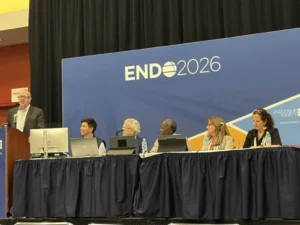
The annual ENDO meeting is the flagship event for this community, typically drawing thousands of attendees ranging from clinicians and researchers to industry leaders. The inclusion of the Jesse Roth Lecture in the ENDO 2027 program ensures that the recipient’s work will be showcased to a global audience. The 2027 meeting is expected to highlight advancements in precision medicine, the impact of artificial intelligence on metabolic monitoring, and new pharmacological interventions for obesity—all areas that trace their lineage back to the receptor research pioneered by Dr. Roth.
Analysis of Broader Implications
The establishment of the Jesse Roth Award reflects a broader trend in the scientific community toward "legacy-building" that prioritizes mentorship. In an era where scientific breakthroughs are often the result of massive collaborative networks, the award reminds the community of the power of individual curiosity and the importance of the teacher-student relationship.
From a research perspective, the award emphasizes the enduring importance of basic science. While clinical trials and drug development often receive the most public attention, the Jesse Roth Award honors the fundamental discovery of how molecules interact. This "bench-to-bedside" philosophy is essential; without the initial understanding of the insulin receptor, the multi-billion-dollar industry of diabetes therapeutics would not exist in its current form.
Furthermore, by honoring Dr. C. Ronald Kahn as the first recipient, the Society is validating the importance of long-term, sustained inquiry. Dr. Kahn’s career spans several decades of constant refinement of our understanding of the cell. In a funding environment that often favors short-term results, this award signals a commitment to the "long game" of scientific discovery.
Conclusion and Future Outlook
The Jesse Roth Award and Lecture stands as a testament to a life dedicated to the pursuit of knowledge and the betterment of human health. As the scientific community looks toward ENDO 2027, the anticipation for Dr. Kahn’s inaugural lecture serves as a reminder of how far the field of endocrinology has come since the 1970s.
The Endocrine Society continues to invite contributions to the Roth Award fund, aiming to expand the number of travel grants and the scope of the honorarium in future years. For researchers, clinicians, and patients alike, the award is more than just a trophy; it is a promise that the curiosity and excellence personified by Jesse Roth will continue to guide the search for cures and treatments in the decades to come. Through this initiative, the Society ensures that while Dr. Roth may have passed, his influence on the cellular understanding of life remains very much alive.