At the ENDO 2026 annual meeting, a landmark collaboration between the Endocrine Society’s Endocrine Mentor Day (eMD) and the Diabetes Education & Camping Association (DECA) provided nearly 100 medical learners and established professionals with an immersive simulation designed to bridge the gap between clinical theory and the daily realities of living with type 1 diabetes. The initiative, staged during one of the world’s premier gatherings for endocrine research and care, moved beyond traditional lecture-based pedagogy to offer a patient-centered learning environment. By recreating the atmosphere of a diabetes camp, the program aimed to foster deep empathy and practical understanding among medical students, residents, fellows, and practicing endocrinologists. The simulation highlighted a growing trend in medical education: the integration of experiential learning to humanize chronic disease management and prepare the next generation of specialists for the complexities of long-term patient care.
The Evolution of Experiential Learning at ENDO 2026
The ENDO 2026 conference served as the backdrop for this innovative educational experiment, reflecting the Endocrine Society’s commitment to evolving its mentorship models. Historically, Endocrine Mentor Day has focused on connecting early-career professionals with seasoned experts to discuss career trajectories, research opportunities, and clinical best practices. However, as the healthcare landscape shifts toward value-based care and patient-reported outcomes, the need for "lived experience" education has become more pronounced.
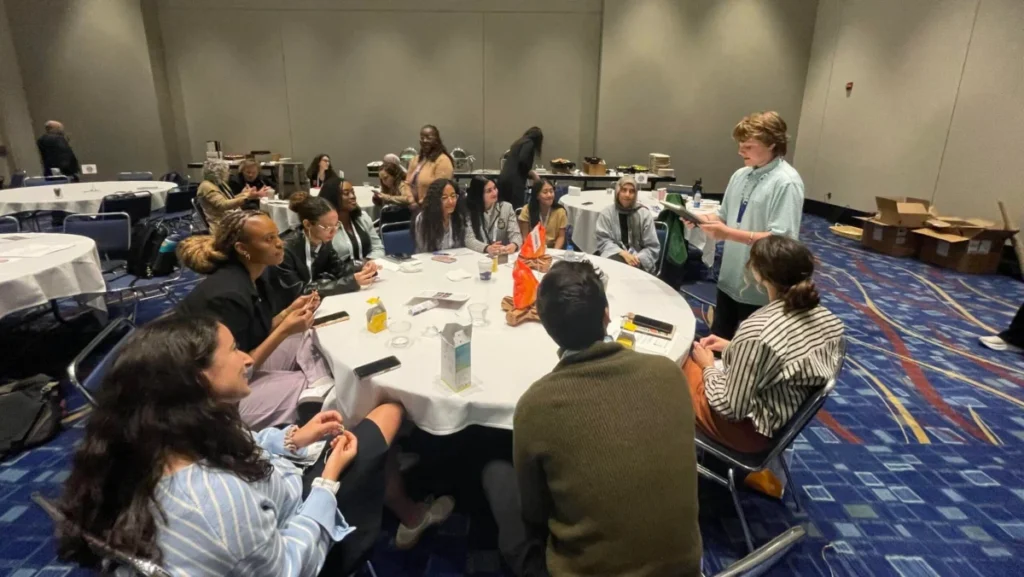
The partnership with DECA allowed organizers to transform a standard conference room into a microcosm of a diabetes camp. This transition was not merely aesthetic; it was functional. Participants were encouraged to step out of their roles as clinicians and into the shoes of campers. This shift in perspective is critical in a field like endocrinology, where the efficacy of treatment is often dependent on the patient’s ability to navigate a grueling, 24/7 regimen of glucose monitoring, carbohydrate counting, and insulin administration.
A Chronology of the Diabetes Camp Simulation
The day’s events were structured to mirror the progression of a typical day at a specialized summer camp. The simulation began with "camp-style introductions," an activity designed to break down the hierarchical barriers often found in medical training. By engaging in informal icebreakers and the exchange of friendship bracelets—a staple of camp culture—participants established a rapport based on shared experience rather than professional status.
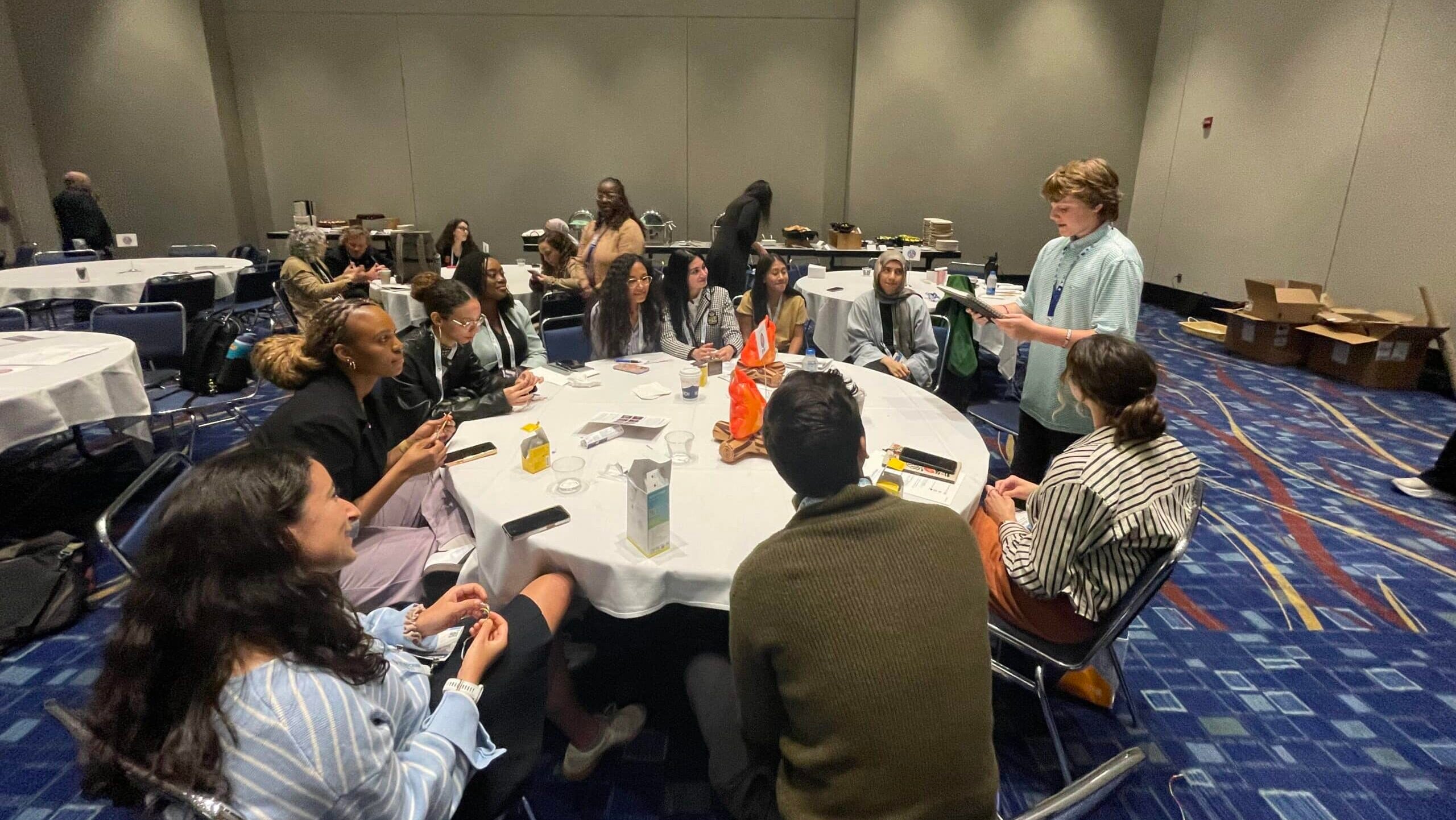
Following the introductions, the program transitioned into interactive diabetes trivia and campfire-inspired songs. While these activities appeared lighthearted, they served a dual purpose: they demonstrated how community-building activities are used in camp settings to alleviate the psychological burden of the disease. For children living with diabetes, these camps are often the only places where they are not "the different one," as every peer is managing the same condition.
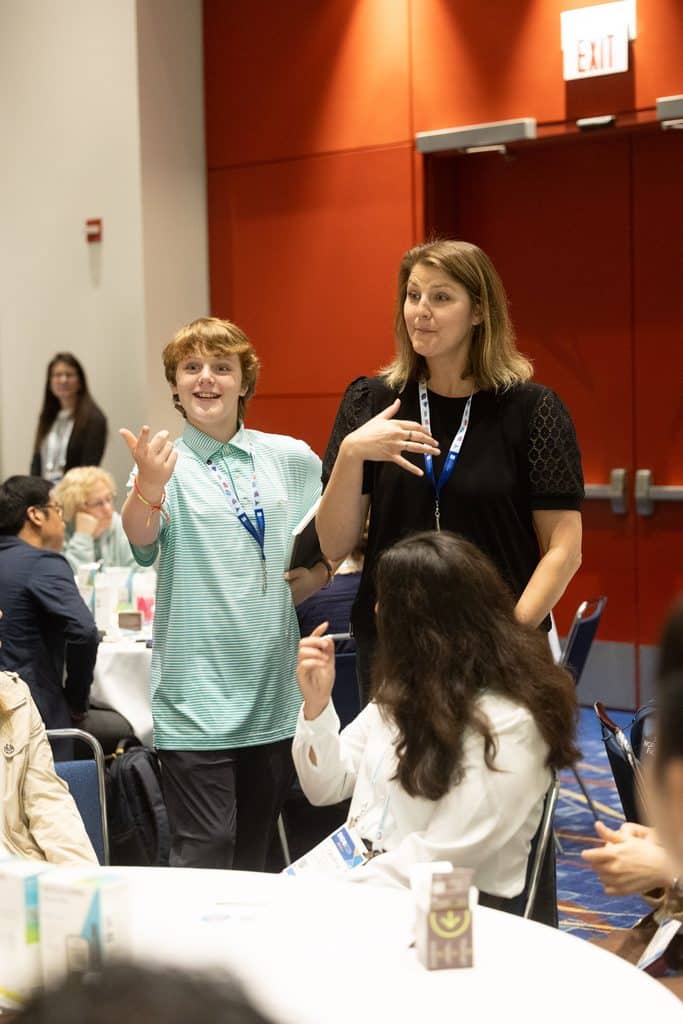
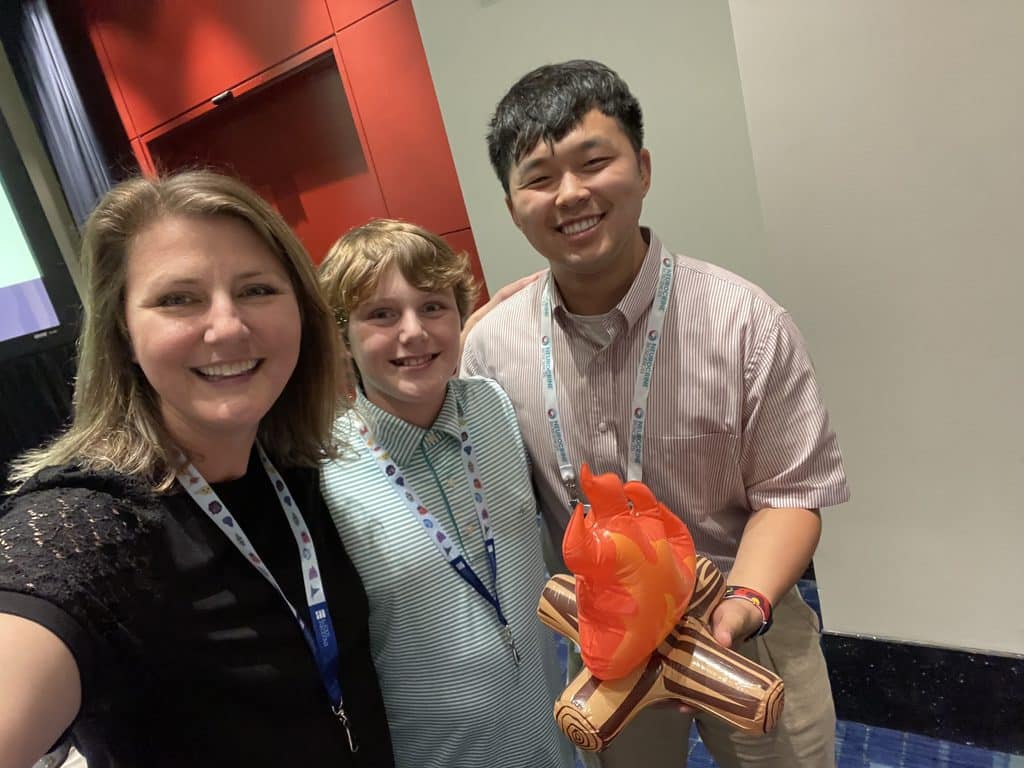
The core of the simulation involved direct conversations with campers and individuals living with diabetes. Among the presenters were Lisa Gier, Executive Director of DECA, and a young camper named Gavin. Their testimonies provided a raw look at the emotional and social challenges that do not appear on a laboratory report. Participants heard firsthand accounts of the anxiety of overnight hypoglycemia, the social stigma of using medical devices in public, and the profound sense of liberation found in a supportive camp environment.
The afternoon sessions focused on the logistical and clinical roles of volunteer medical staff at these camps. Participants explored how endocrinologists can apply their skills in non-traditional settings, ensuring the safety of hundreds of children while they participate in physical activities like swimming, hiking, and sports—activities that require complex, real-time adjustments to insulin dosing.
Supporting Data: The Clinical and Psychological Value of Diabetes Camps
The simulation at ENDO 2026 is supported by a growing body of data regarding the benefits of diabetes camps and experiential medical education. According to research published in journals such as Diabetes Care, children who attend specialized camps often show significant improvements in self-efficacy and a reduction in diabetes-related distress. These camps serve as a "living laboratory" where patients learn to manage their condition in real-world scenarios under the supervision of experts.
From the perspective of medical education, studies indicate that "empathy-based training" can reduce burnout among healthcare providers. A 2023 study on medical student perspectives found that those who participated in patient-simulation exercises reported a 40% increase in their perceived ability to communicate effectively with patients regarding lifestyle adjustments. By experiencing a simulation of the "camp life," the 100 professionals at ENDO 2026 were essentially engaging in a form of high-fidelity social simulation that clinical rotations rarely provide.
Furthermore, the need for such programs is underscored by the current endocrinology workforce shortage. Data from the American Board of Internal Medicine (ABIM) suggests that the demand for endocrinologists is expected to outpace supply by nearly 20% over the next decade. Initiatives like Endocrine Mentor Day and the DECA simulation are vital recruitment tools, showing prospective specialists that the field offers deep human connection and the opportunity to make a systemic impact on patient quality of life.
Official Responses and Participant Feedback
The response from participants was overwhelmingly positive, with many citing the DECA simulation as the highlight of the ENDO 2026 eMD program. In post-event evaluations, attendees frequently noted that the informal networking and the stories shared by Gavin and Lisa Gier were more impactful than traditional clinical workshops.
"The interactive elements were my favorite part of the day," noted one medical student. "It’s one thing to calculate a bolus; it’s another to understand the social pressure a teenager feels when they have to do that in the middle of a camp activity."
Sacha Uelmen, the Director of Professional & Clinical Affairs at the Endocrine Society, emphasized that the goal was to create a "pathway for future endocrinologists" to engage with their patient populations outside the sterile environment of a clinic. "Learning is often most impactful when it happens through shared experiences and authentic human connection," Uelmen stated. This sentiment was echoed by Lisa Gier, who highlighted that the collaboration helps healthcare professionals see the "whole person" behind the diagnosis.
The presence of awardees like Maxwell Song from the Boston University Chobanian & Avedisian School of Medicine further illustrated the program’s reach. As an Excellence in Endocrinology awardee through the Medical School Engagement Program (MSEP), Song’s participation represented the integration of high-level academic achievement with the empathetic training provided by the simulation.
Broader Impact and the Future of Endocrine Education
The success of the DECA and Endocrine Society collaboration at ENDO 2026 suggests a new blueprint for professional development in the medical field. By moving away from purely didactic methods, the Society is addressing the "hidden curriculum" of medicine—the social and emotional competencies that are often neglected in favor of hard science.
The implications of this shift are significant. First, it encourages a more holistic approach to diabetes management. When a clinician understands the "camp culture" and the confidence it builds, they are more likely to recommend such resources to their patients, leading to better long-term outcomes. Second, it strengthens the community of endocrine professionals. The informal networking noted by participants builds a support system for the doctors themselves, which is essential for retention in a demanding specialty.
Looking forward, the Endocrine Society plans to continue leveraging its various programs—including MSEP, FLARE (Future Leaders Advancing Research in Endocrinology), and ExCEL (Excellence in Clinical Endocrinology Leadership)—to incorporate more patient-centered modules. The diabetes camp simulation has proven that even in a high-tech era of continuous glucose monitors and automated insulin delivery systems, the most powerful tool in a physician’s arsenal remains a deep, empathetic understanding of the patient’s daily life.
As the attendees of ENDO 2026 return to their respective institutions, they carry with them more than just updated clinical guidelines. They carry the memory of campfire songs, the symbolism of a friendship bracelet, and the voices of people like Gavin. These experiences serve as a reminder that effective medicine is not just about managing numbers on a screen; it is about supporting the lives of those who live with the condition every day. The partnership between the Endocrine Society and DECA has set a high standard for how professional societies can inspire the next generation of leaders to lead with both their heads and their hearts.