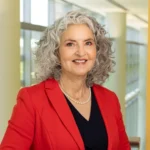

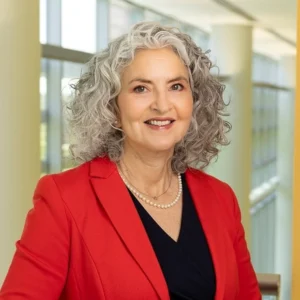








The Endocrine Society has officially announced that Dr. Rebecca Reynolds, MD, PhD, a distinguished leader in metabolic medicine, has been named the recipient of the 2026 International Excellence in Endocrinology Laureate Award. This prestigious recognition highlights Dr. Reynolds’ transformative contributions to the understanding of how endocrine pathways during pregnancy influence the long-term health of both mothers and their children. As the Personal Chair of Metabolic Medicine and Dean International at the University of Edinburgh’s College of Medicine and Veterinary Medicine, Dr. Reynolds has spent decades bridging the gap between complex laboratory science and practical clinical applications that improve global health outcomes.
The Laureate Awards, established by the Endocrine Society, represent the highest honors in the field, recognizing individuals who have demonstrated exceptional dedication to research, education, and clinical practice. Dr. Reynolds’ selection for the 2026 International Excellence Award underscores her role as a global authority in maternal-fetal medicine and her commitment to addressing health disparities in maternal care. Her work arrives at a critical juncture as the medical community increasingly recognizes the "developmental origins of health and disease" (DOHaD) as a cornerstone of preventative medicine.
A Legacy of Impact in Maternal and Fetal Health
Dr. Reynolds’ research focuses on the intricate hormonal environment of the womb and its lasting effects on a child’s metabolic trajectory. Her pioneering studies have elucidated how maternal obesity and metabolic stress alter endocrine signaling, potentially predisposing offspring to conditions such as Type 2 diabetes, cardiovascular disease, and obesity later in life. By identifying these risks early, her work has provided a roadmap for interventions that can break the cycle of intergenerational metabolic disease.

One of Dr. Reynolds’ most significant conceptual contributions is the framing of pregnancy as a physiological "stress test." During pregnancy, a woman’s body must undergo massive hormonal and metabolic shifts to support the growing fetus. Dr. Reynolds argues that how a woman’s body responds to this stress—such as the development of gestational diabetes or preeclampsia—serves as a powerful predictor of her future health risks. This perspective has shifted the focus of obstetric care from a purely short-term view to one that incorporates long-term chronic disease prevention.
Chronology of Academic and Clinical Leadership
The journey of Dr. Reynolds to the pinnacle of endocrine research began with a deep-seated fascination with the "in utero" environment. During her PhD studies, she began investigating how long-term health outcomes are etched into the biology of the fetus during gestation. This interest evolved into a comprehensive career at the University of Edinburgh, one of the world’s leading centers for medical research.
Throughout her tenure, Dr. Reynolds has balanced high-level administrative roles with rigorous scientific inquiry. As Dean International for the College of Medicine and Veterinary Medicine, she has fostered global partnerships that have expanded the reach of the university’s research. Her leadership has been instrumental in translating local discoveries into international health policy. Her career is marked by several key milestones:
- Early Research (1990s-2000s): Initial investigations into the role of glucocorticoids and the placenta in programming fetal development.
- Clinical Integration: Bridging the gap between the lab and the clinic by establishing trials focused on maternal obesity and its metabolic consequences.
- Policy Formulation: Contributing to major international guidelines, including those for the Royal College of Obstetricians and Gynaecologists (RCOG) and the Scottish Diabetes Prevention Programme.
- Global Health Expansion (2021): Influencing the Obstetric Ultrasound Guideline in Malawi, ensuring that her research findings benefit populations in low-resource settings.
- 2026 Laureate Announcement: Recognition by the Endocrine Society for her sustained excellence and international influence.
Supporting Data: The Global Burden of Maternal Metabolic Health
The significance of Dr. Reynolds’ work is underscored by current global health statistics. According to the World Health Organization (WHO) and various endocrine research bodies, maternal obesity rates have climbed significantly over the last two decades. In many developed nations, nearly 20% to 25% of pregnant women are classified as obese at the start of their pregnancy. This condition is a primary driver of gestational diabetes mellitus (GDM), which affects approximately 14% of pregnancies worldwide.
Research led by Dr. Reynolds and her colleagues has shown that children born to mothers with poorly managed metabolic conditions during pregnancy have a significantly higher risk of developing metabolic syndrome in adolescence. Furthermore, the "stress test" of pregnancy reveals that women who experience GDM have a nearly seven-fold increase in the risk of developing Type 2 diabetes within ten years of delivery. Dr. Reynolds’ work provides the evidence base for clinical interventions—such as nutritional counseling and pharmacological management—that can mitigate these risks for both mother and child.
International Policy and Global Health Equity
Dr. Reynolds’ influence extends far beyond the borders of Scotland. Her commitment to global health equity is reflected in her work with international medical guidelines. Professor Ruth Andrew, PhD, Chair of Pharmaceutical Endocrinology at the Edinburgh CRF MS Core, noted in her nomination that Dr. Reynolds’ research is particularly vital for those living with poor healthcare infrastructure and challenging socioeconomic circumstances.
In 2021, Dr. Reynolds played a key role in the development of obstetric ultrasound guidelines for Malawi. This initiative was designed to standardize care and improve fetal monitoring in a region where maternal and neonatal mortality rates remain high. By applying endocrine principles to ultrasound diagnostics, the guidelines help clinicians identify fetal growth restriction and other complications early, allowing for life-saving interventions. This work exemplifies Dr. Reynolds’ belief that scientific excellence must be paired with global accessibility.
Analysis of Implications: Bridging the Gender Research Gap
A central theme in Dr. Reynolds’ recent advocacy is the historical underfunding of women’s health research. Despite making up half the population, women have historically been excluded from clinical trials, leading to a "gender data gap" in medical science. Dr. Reynolds’ work serves as a corrective to this imbalance. By focusing on the unique endocrine environment of pregnancy, she is highlighting biological processes that are exclusive to women but have implications for the entire human population.
The recognition of Dr. Reynolds by the Endocrine Society also signals a broader shift in the field of endocrinology toward a more holistic view of "life-course" health. Rather than treating diseases in isolation, the medical community is moving toward understanding how early-life exposures—governed by endocrine signals—set the stage for adult health. Dr. Reynolds is at the forefront of this movement, advocating for a healthcare model that prioritizes maternal health as a foundational pillar of public health.
Professional Reflections and Personal Balance
Despite the demanding nature of her research and administrative duties, Dr. Reynolds maintains a commitment to personal well-being, which she integrates into her professional philosophy. She is a certified Iyengar yoga teacher and practitioner, a discipline she credits with providing the clarity and energy required for high-stakes scientific work.
In addition to yoga, Dr. Reynolds is an avid "Munro bagger." In Scotland, "Munros" are mountains with a height of over 3,000 feet. There are 282 such peaks, and Dr. Reynolds has nearly completed the list. She has noted that the solitude and physical challenge of the Scottish Highlands often provide the environment where her most creative research ideas take shape. This balance of physical activity and intellectual rigor is a hallmark of her approach to science, emphasizing that a clear mind is essential for solving complex biological mysteries.
Reactions from the Scientific Community
The announcement of the 2026 Laureate Award has been met with widespread acclaim from Dr. Reynolds’ peers. Professor Ruth Andrew’s nomination letter highlighted not only Dr. Reynolds’ scientific acumen but also her mentorship and her ability to inspire the next generation of endocrinologists. Colleagues at the University of Edinburgh have praised her for her "Dean International" role, noting that she has been a tireless advocate for international collaboration during a period of significant global change.
Dr. Reynolds expressed a sense of humility upon receiving the news, attributing the success to the patients and colleagues who have been part of her journey. "The award would not be possible without all the amazing people and patients that I have worked with," she stated. This sentiment reflects a career-long dedication to collaborative science and patient-centered care.
Looking Toward ENDO 2026
As the medical community looks forward to the ENDO 2026 conference, where Dr. Reynolds will formally accept her award, there is a growing sense of anticipation regarding the future of maternal-fetal endocrinology. The conference will serve as a platform for Dr. Reynolds to share her latest findings and to advocate for continued investment in women’s health research.
The impact of Dr. Rebecca Reynolds’ work is measurable in the lives of the mothers and children who benefit from her research every day. By uncovering the secrets of the endocrine system during the earliest stages of life, she has not only advanced the field of metabolic medicine but has also provided a legacy of health for future generations. Her 2026 International Excellence in Endocrinology Laureate Award is a testament to a career defined by scientific rigor, global compassion, and an unwavering belief in the power of early intervention.