






The Endocrine Society has officially ushered in the 2026 calendar year by unveiling its prestigious Laureate Award winners, a move that signals both a celebration of past achievements and a roadmap for the future of hormonal research and clinical practice. This annual tradition, often regarded as the highest honor within the field of endocrinology, recognizes a global cohort of scientists and clinicians whose work has fundamentally altered the understanding of the endocrine system. As the medical community transitions from the developments of 2025, the January 2026 briefing highlights a dual focus: the mentorship of the next generation of specialists and the implementation of cutting-edge, minimally invasive technologies for thyroid care.
Recognition of Excellence: The 2026 Laureate Awards
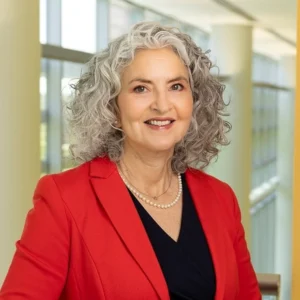
The 2026 Laureate Awards serve as a cornerstone for the Endocrine Society, celebrating individuals who have demonstrated exceptional dedication to research, clinical care, and the promotion of public health. Among the most notable honorees this year is Patricia Lee Brubaker, PhD, who received the 2026 Outstanding Mentor Award. Dr. Brubaker’s recognition underscores a growing emphasis within the Society on the "human element" of scientific progress—the necessity of nurturing early-career researchers to ensure the longevity of the field.
In an era where grant funding and academic positions are increasingly competitive, Dr. Brubaker’s philosophy emphasizes the delegation of trust. She posits that the success of a laboratory is inextricably linked to the autonomy of its trainees. According to Dr. Brubaker, while senior investigators focus on the logistical and financial pillars of research—such as grant writing and administrative navigation—trainees provide the intellectual and manual labor that sustains momentum. Furthermore, the Society emphasizes that professional development must extend beyond the laboratory. Participation in the Endocrine Society Annual Meeting (ENDO) remains a critical milestone for young endocrinologists, providing a platform for networking and the presentation of peer-reviewed data that is essential for career trajectory.
The 2026 class of Laureates represents a diverse geographical and scientific spread, reflecting the global nature of endocrine disorders. From molecular biologists investigating the nuances of G-protein coupled receptors to clinicians refining the management of rare metabolic bone diseases, the awards highlight the multifaceted nature of the discipline.
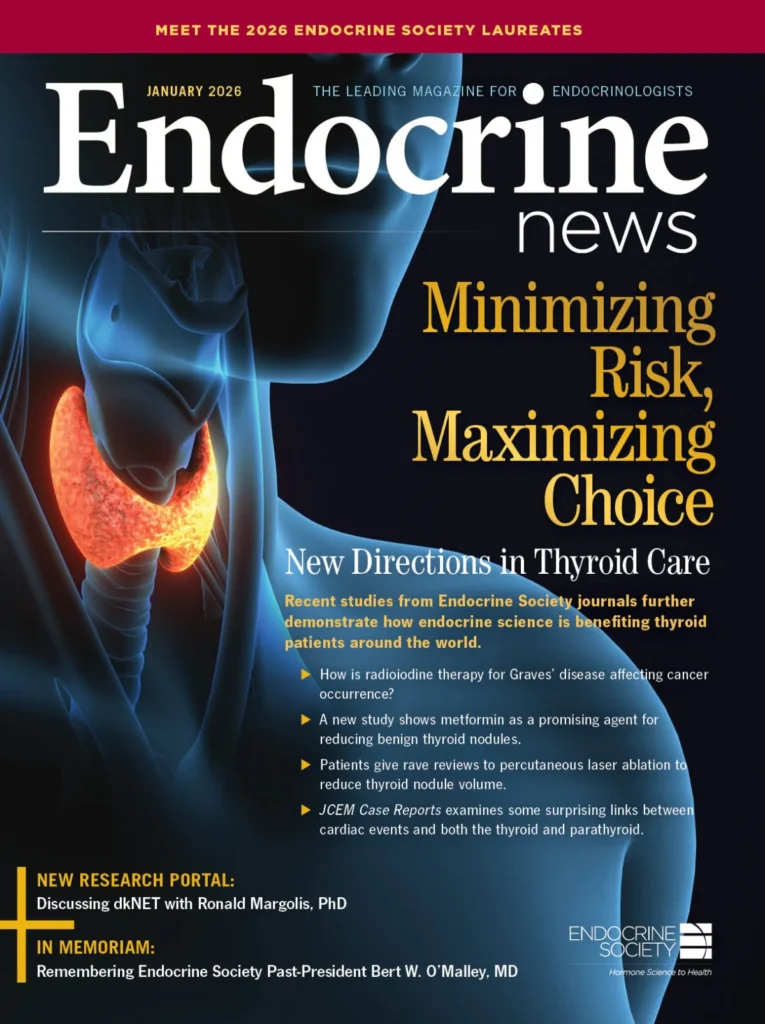
Advancements in Thyroid Care: Minimizing Risk and Maximizing Choice
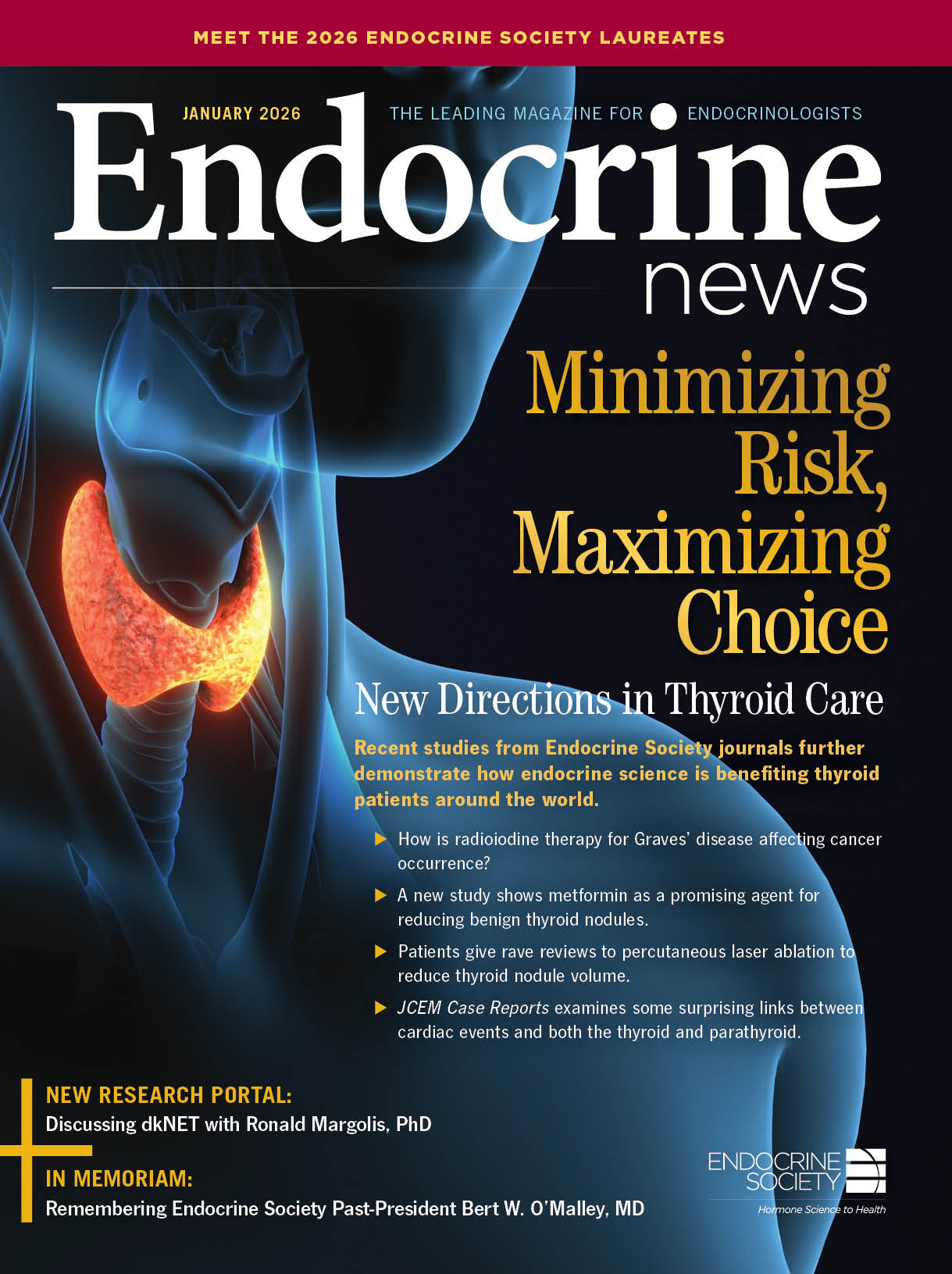
Coinciding with Thyroid Awareness Month in January, the Endocrine Society has released a series of findings via The Journal of Clinical Endocrinology & Metabolism (JCEM) that suggest a shift toward more personalized and less invasive treatment modalities. Thyroid disorders, which affect an estimated 20 million Americans and hundreds of millions more worldwide, remain a primary focus of endocrine clinical practice.
A significant portion of the recent research addresses the long-term management of Graves’ disease and benign thyroid nodules. Historically, radioiodine (RAI) therapy has been a standard treatment for Graves’ disease, an autoimmune condition resulting in hyperthyroidism. However, new longitudinal studies are scrutinizing the correlation between RAI and secondary cancer occurrences. This data is prompting clinicians to reconsider the risk-benefit ratio for younger patients, potentially shifting the standard of care toward pharmacological interventions or surgical options that offer more definitive outcomes with fewer long-term radiological risks.
Furthermore, the introduction of percutaneous laser ablation (PLA) for benign thyroid nodules represents a significant technological leap. Benign nodules are common, particularly in aging populations, and while they are non-cancerous, they can cause "compressive symptoms" such as difficulty swallowing or breathing. Traditional treatment often involved thyroidectomy—the partial or total removal of the thyroid gland—which requires general anesthesia and results in permanent scarring.
Dr. Giovanni Gambelunghe, a leading researcher from the Endocrine Unit at Clinica Liotti in Perugia, Italy, has provided evidence that PLA is not only safe but highly effective over the long term. PLA involves the use of laser energy delivered through a fine needle to shrink the nodule without the need for surgery. Dr. Gambelunghe’s research highlights a high rate of patient satisfaction, with the vast majority of subjects reporting they would choose the procedure again. This data suggests that the medical community is moving toward a "therapeutic armamentarium" that prioritizes outpatient, minimally invasive procedures, reducing the burden on healthcare systems and improving patient recovery times.
Chronology of Endocrine Innovation and the Digital Shift
The evolution of endocrine science has followed a distinct timeline over the last decade, moving from broad-spectrum treatments to precision medicine. In the early 2010s, the focus was largely on the genomic mapping of endocrine cancers. By 2020, the integration of telehealth and wearable glucose monitors revolutionized diabetes management. As of 2026, the focus has shifted toward "data democratization" and the use of artificial intelligence to synthesize vast amounts of research data.
This chronological progression has led to the development of the dkNET research portal, an initiative spearheaded by the National Institute of Diabetes and Digestive and Kidney Diseases (NIDDK), a branch of the National Institutes of Health (NIH). The portal is designed to act as a "research information superhighway," providing a single-entry point for scientists to access cross-disciplinary data, services, and community knowledge.
Dr. Robert Margolis, an emeritus member of the Endocrine Society and a veteran researcher, notes that the dkNET portal is a response to the "siloing" of scientific information. In the past, a researcher studying the metabolic pathways of the liver might not easily access relevant data from a study on pancreatic cell regeneration. dkNET aims to bridge these gaps, allowing for a more holistic understanding of metabolic and endocrine health. By providing real-time access to relevant content, the portal is expected to accelerate the pace of discovery, particularly in the development of treatments for complex conditions like Type 2 diabetes and obesity.
Supporting Data and Scientific Analysis
The shift toward minimally invasive thyroid treatments is supported by compelling clinical data. In studies comparing laser ablation to traditional surgery, PLA has shown a volume reduction of 50% to 80% in benign nodules within 12 months. Moreover, the complication rate for PLA is significantly lower—approximately 1% compared to the 2% to 5% risk of vocal cord paralysis or hypocalcemia associated with traditional thyroid surgery.
From a broader public health perspective, the prevalence of thyroid nodules detected via ultrasound is as high as 68% in the general population. While most of these are benign and do not require treatment, the sheer volume of cases necessitates cost-effective and low-risk management strategies. The data presented in the 2026 briefing suggests that if only 10% of surgical thyroid cases were transitioned to laser ablation, healthcare systems could save millions of dollars in surgical costs and hospital stay expenses.
Regarding the dkNET portal, the NIH reports that the integration of "FAIR" (Findable, Accessible, Interoperable, and Reusable) data principles is expected to increase the efficiency of clinical trials by up to 30%. By allowing researchers to identify existing data sets that can serve as control groups or baseline metrics, dkNET reduces the need for redundant studies and focuses resources on novel investigations.
Official Responses and Broader Implications
The leadership of the Endocrine Society has emphasized that these advancements are part of a broader mission to improve global health outcomes. The Society’s focus on "Minimizing Risk, Maximizing Choice" reflects a patient-centric philosophy that is becoming the hallmark of 21st-century medicine. By providing patients with more options—whether it be pharmacological, radiological, or minimally invasive surgical techniques—clinicians can tailor treatments to the specific lifestyle and health profile of the individual.
The implications of these developments extend beyond the clinic. The emphasis on mentorship and the democratization of data through portals like dkNET suggest that the future of endocrinology will be defined by collaboration rather than competition. As researchers from different corners of the globe share data and insights, the "bench-to-bedside" pipeline—the process by which laboratory discoveries become clinical treatments—is expected to shorten significantly.
Furthermore, the 2026 Laureate Awards serve as a reminder that despite the rise of digital tools and automated data analysis, the human element of clinical judgment and mentorship remains irreplaceable. The advice offered by the 2026 Laureates serves as a guiding light for the next generation of scientists who will eventually inherit the challenges of managing chronic endocrine diseases in an aging global population.
As the Endocrine Society moves forward into 2026, the integration of high-level honors, clinical breakthroughs in thyroid care, and the expansion of digital research networks paints a picture of a field that is both rooted in tradition and aggressively pursuing innovation. The focus remains clear: to harness the power of endocrine science to improve lives, one patient and one discovery at a time. Through the combination of elite mentorship, technological advancement, and global connectivity, the field of endocrinology is well-positioned to meet the medical challenges of the mid-21st century.