








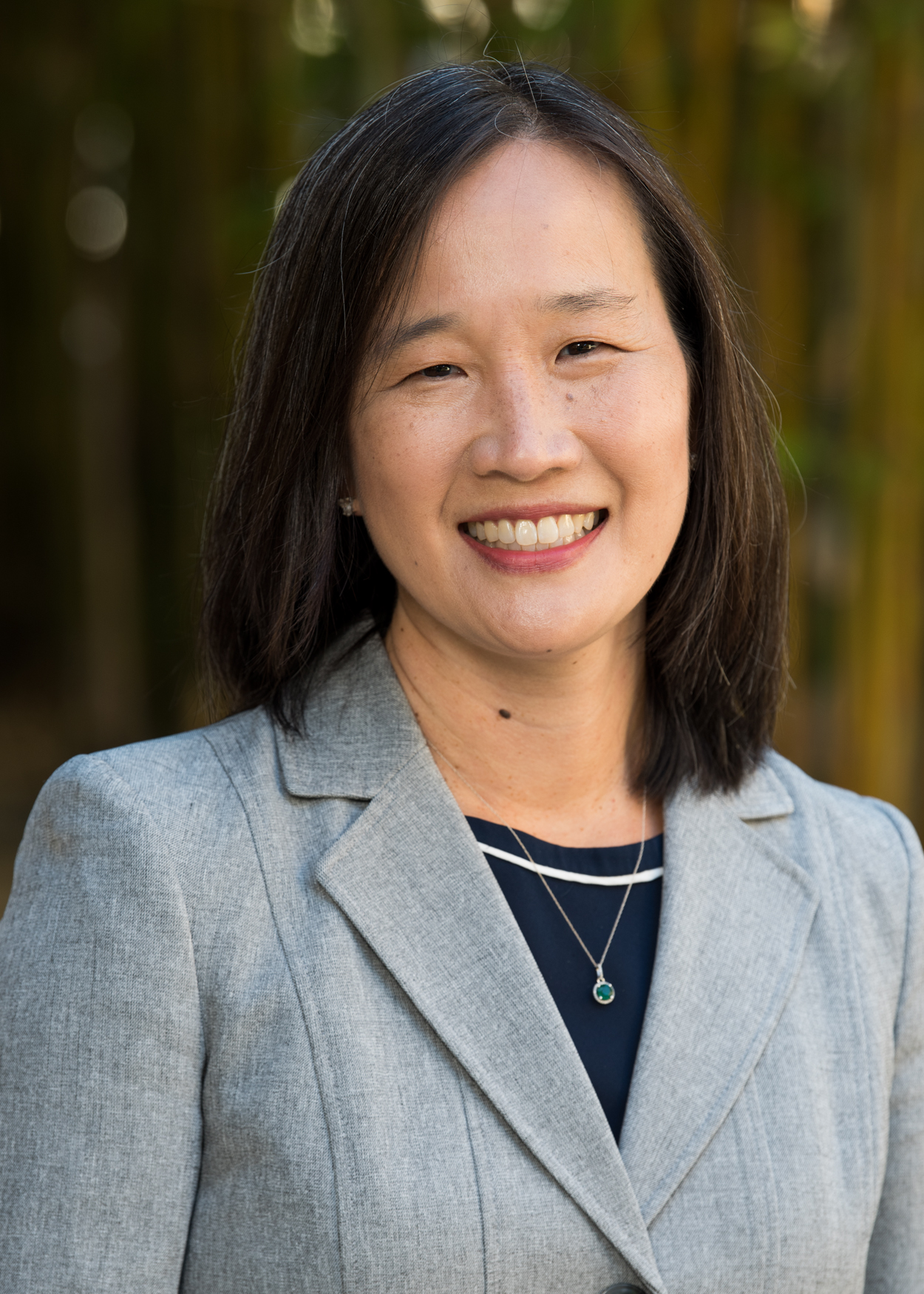
In a decisive move that highlights the intersection of clinical excellence and groundbreaking basic science, the membership of the Endocrine Society has elected Joy Wu, MD, PhD, of the Stanford University School of Medicine, to serve as the organization’s President for the 2027–2028 term. Dr. Wu, a renowned figure in the fields of bone health and regenerative medicine, will formally begin her leadership trajectory as President-Elect in June 2026, assuming the presidency the following year. This election underscores the Society’s commitment to advancing the frontiers of hormone research while addressing the complex clinical needs of patients facing metabolic and skeletal disorders.
Dr. Wu currently holds the prestigious title of the Gerald M. Reaven, MD Professor of Endocrinology at Stanford University. Her multifaceted role at the institution includes serving as the Chief of the Division of Endocrinology and the Vice Chair of Basic Science within the Department of Medicine. As a board-certified endocrinologist, her clinical practice is primarily dedicated to the treatment of osteoporosis and rare bone and mineral diseases. However, her expertise extends into the critical subspecialty of oncologic endocrinology, where she focuses on optimizing skeletal health for patients who are at high risk of bone loss due to aggressive cancer therapies.
A Career Defined by Academic and Clinical Excellence
The election of Dr. Wu reflects a career-long dedication to the advancement of endocrinology through both patient care and rigorous scientific inquiry. At Stanford, she has been instrumental in bridging the gap between laboratory discovery and clinical application. Her appointment as the Gerald M. Reaven, MD Professor is particularly significant, as the chair is named after a pioneer in the study of insulin resistance and metabolic syndrome, signaling Dr. Wu’s standing among the elite tier of academic physicians.
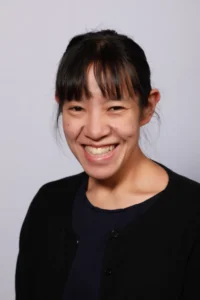
In her capacity as Vice Chair of Basic Science, Dr. Wu has been a vocal advocate for the integration of fundamental biological research into the broader medical curriculum. Her leadership in the Division of Endocrinology has seen an expansion of research initiatives that seek to understand the molecular mechanisms of hormone action, particularly as they relate to the skeletal system. This dual focus on the "bench and the bedside" is a hallmark of her professional identity and a primary reason for her broad support within the Endocrine Society’s international membership.
Pioneering Research in Bone Marrow and Stem Cell Therapy
Beyond her clinical duties, Dr. Wu directs a robust basic and translational research program that has garnered significant attention for its work on skeletal development. Her laboratory’s primary focus is the bone marrow hematopoietic niche—a complex microenvironment where blood cells are produced and regulated. By studying the interactions between bone-forming cells and the immune system, Dr. Wu’s team aims to unlock new treatments for conditions ranging from osteoporosis to blood cancers.
Currently, her research program is investigating the potential of stem cell therapies to stimulate bone formation. This work is particularly vital for patients with severe bone loss who do not respond to traditional pharmacological treatments. Furthermore, the Wu Laboratory is engaged in high-impact studies regarding the prevention of cancer metastasis to the bone. Given that many common cancers, such as breast and prostate cancer, frequently migrate to the skeleton, her work in this area has the potential to improve survival rates and quality of life for millions of oncology patients worldwide.
A Legacy of Service to the Endocrine Society
Dr. Wu’s election to the presidency is the culmination of years of active service to the Endocrine Society, which is the world’s oldest and largest organization of scientists and physicians dedicated to hormone research. She has previously served on the Society’s Board of Directors, providing strategic oversight during periods of significant growth and change in the medical landscape.
Her contributions to the Society’s clinical guidelines have been equally impactful. Dr. Wu was a key member of the Hypercalcemia of Malignancy Guideline Writing Committee, where she helped establish evidence-based standards for treating a dangerous condition characterized by high calcium levels in cancer patients. She also remains a prominent voice in the Bone and Mineral Special Interest Group (SIG), where she helps shape the Society’s educational and advocacy efforts regarding skeletal health.
Chronology of Leadership and Transition
The transition of leadership within the Endocrine Society follows a structured three-year cycle designed to ensure organizational stability and continuity of mission. The timeline for Dr. Wu’s tenure is as follows:
- June 2026: Dr. Wu will officially begin her term as President-Elect following the conclusion of ENDO 2026, the Society’s annual meeting. This event is scheduled to take place from June 13–16, 2026, in Chicago, Illinois.
- June 2027: She will be inaugurated as the President of the Endocrine Society, leading the organization’s executive committee and representing its 18,000 members on the global stage.
- June 2028: Upon the completion of her presidential term, she will serve for one year as the Immediate Past President, providing counsel to her successor.
This timeline allows Dr. Wu to work closely with the current leadership to refine the Society’s strategic plan, which focuses on increasing public awareness of hormone health, advocating for research funding, and supporting the next generation of endocrine researchers.
Supporting Data: The Global Burden of Bone and Endocrine Disorders
The significance of Dr. Wu’s focus on skeletal health is underscored by the rising global prevalence of bone-related diseases. According to the International Osteoporosis Foundation, osteoporosis causes more than 8.9 million fractures annually, resulting in an osteoporotic fracture every three seconds worldwide. In the United States alone, an estimated 10 million people have osteoporosis, and another 44 million have low bone mass, placing them at increased risk.
Furthermore, the intersection of endocrinology and oncology represents a growing field of medical necessity. As cancer treatments become more effective, survivorship has increased, leading to a higher number of patients living with the long-term endocrine side effects of chemotherapy and hormone-suppression therapy. Dr. Wu’s research into bone loss prevention for cancer survivors addresses a critical gap in survivorship care, aligning with global health trends that emphasize the management of chronic conditions following acute illness.
Official Responses and Professional Implications
While formal inaugural statements are typically reserved for the start of the presidential term, the reaction from the academic and medical community has been overwhelmingly positive. Colleagues at Stanford University have noted that Dr. Wu’s election is a testament to her ability to lead complex organizations while maintaining a high standard of scientific integrity.
"Dr. Wu represents the ideal of the physician-scientist," noted a representative from the Stanford Department of Medicine in an internal briefing. "Her ability to translate complex molecular biology into actionable clinical care for bone disease is exactly the type of leadership needed as the field of endocrinology moves toward more personalized, precision-based medicine."
Within the Endocrine Society, the election of a leader with a strong background in basic science is seen as a strategic move to reinforce the organization’s commitment to discovery. As the medical field faces challenges such as the rising cost of drug development and the need for more diverse clinical trial populations, Dr. Wu’s experience in both the lab and the clinic provides her with a unique perspective on how to navigate these obstacles.
Broader Impact: Breaking Barriers in Medical Leadership
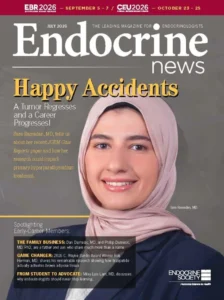
Dr. Wu’s election also carries significant symbolic weight. The Endocrine Society has recently highlighted her career in a cover story titled "The Joy of Endocrinology," which explored her journey in "breaking the glass and bamboo ceilings." This refers to the systemic barriers that have historically limited the advancement of women and Asian Americans into the highest echelons of academic medicine and institutional leadership.
As the 2027–2028 President, Dr. Wu will be in a position to influence the Society’s initiatives regarding Diversity, Equity, and Inclusion (DEI). Her leadership serves as a model for early-career researchers and clinicians from underrepresented backgrounds, demonstrating that excellence in science and clinical practice can lead to the highest levels of professional recognition.
Looking Ahead to ENDO 2026 and Beyond
As the Endocrine Society prepares for its upcoming annual meetings, the focus will increasingly turn toward the themes likely to define Dr. Wu’s presidency: the integration of regenerative medicine into endocrine care, the protection of skeletal health in aging populations, and the advancement of physician-led advocacy.
The Society’s annual meeting, ENDO, remains the premier venue for the unveiling of groundbreaking research in the field. With Dr. Wu set to take a central role in Chicago in 2026, the global medical community anticipates a renewed focus on the metabolic aspects of bone health and the expansion of endocrine-focused cancer research.
In the coming years, the Endocrine Society is expected to continue its expansion of global partnerships, particularly in regions where the burden of endocrine disorders is rising most rapidly. Under Dr. Wu’s future leadership, the organization is poised to strengthen its role as the definitive authority on hormone health, ensuring that scientific discovery continues to drive improvements in patient care on a global scale.