








The landscape of sports nutrition has been punctuated by various trends and fads, yet few compounds have maintained the enduring presence and scientific validation of creatine. Often misunderstood by the general public and occasionally viewed with skepticism by those outside the athletic community, creatine has transitioned from a niche bodybuilding supplement to a cornerstone of clinical and performance-driven nutrition. Supported by hundreds of peer-reviewed studies, it is now recognized not only for its ability to enhance physical strength and muscle hypertrophy but also for its emerging role in cognitive health and neuroprotection.
Historical Context and Evolution of Use
Creatine was first identified in 1832 by French chemist Michel Eugène Chevreul, who discovered it as a constituent of skeletal muscle. However, it was not until the early 20th century that researchers began to understand its role in energy metabolism. The supplement gained international notoriety following the 1992 Olympic Games in Barcelona, where high-profile athletes, including gold medalist sprinters, reportedly utilized creatine to enhance their training.
In the decades following the 1990s, the supplement market saw an explosion of various creatine formulations, including creatine ethyl ester, creatine hydrochloride (HCL), and buffered creatine. Despite the marketing claims of superior absorption or reduced side effects for these newer variants, the scientific community has consistently returned to creatine monohydrate as the gold standard. According to the International Society of Sports Nutrition (ISSN), creatine monohydrate remains the most extensively studied and clinically effective form of creatine for use in nutritional supplements in terms of muscle uptake and the ability to increase high-intensity exercise capacity.

The Biological Mechanism: ATP and Energy Resynthesis
To understand the efficacy of creatine, one must examine the cellular energy currency known as adenosine triphosphate (ATP). During short-duration, high-intensity activities such as sprinting or heavy resistance training, the body’s demand for ATP increases exponentially. However, intramuscular stores of ATP are limited, typically providing enough energy for only a few seconds of maximal effort.
When ATP is used for energy, it loses a phosphate group and is converted into adenosine diphosphate (ADP). For work to continue at a high intensity, the ADP must be rapidly re-phosphorylated back into ATP. This is where creatine, stored primarily in the muscles as phosphocreatine (PCr), becomes essential. Creatine "donates" its high-energy phosphate group to ADP, facilitating the rapid regeneration of ATP. This process, governed by the enzyme creatine kinase, allows athletes to maintain peak power output for longer durations and recover more quickly between successive bouts of intense exercise.
Quantifiable Benefits: Strength, Hypertrophy, and Performance
The primary draw for creatine supplementation is its proven impact on physical performance. Meta-analyses of over 500 studies indicate that approximately 70% of these trials reported statistically significant improvements in exercise capacity. Short-term creatine supplementation has been shown to increase maximal power and strength by 5% to 15%, while long-term use typically results in a 10% to 45% greater gain in muscle mass and strength compared to training without the supplement.
Beyond the immediate energy replenishment, creatine influences muscle growth through several secondary pathways:
- Cellular Hydration: Creatine is osmotically active, meaning it draws water into the muscle cells. This increased intracellular volume serves as a signal for protein synthesis and gives the muscle a fuller, more "pumped" appearance.
- Myostatin Inhibition: Some research suggests that creatine may help lower levels of myostatin, a protein that inhibits muscle cell growth, thereby facilitating a more favorable anabolic environment.
- IGF-1 Signaling: Supplementation has been linked to increased levels of insulin-like growth factor 1 (IGF-1), a hormone that plays a critical role in muscle repair and growth.
Cognitive and Neuroprotective Implications
In recent years, the focus of creatine research has expanded from the neck down to the neck up. The brain is one of the most metabolically active organs in the human body, accounting for approximately 20% of total energy expenditure despite representing only 2% of body weight. Like muscle tissue, the brain utilizes the creatine kinase system to maintain ATP homeostasis.
Clinical trials have demonstrated that creatine supplementation can improve short-term memory and reasoning, particularly in individuals under stress, such as those experiencing sleep deprivation or those with naturally lower creatine levels, such as vegetarians and vegans. Furthermore, researchers are investigating creatine as a therapeutic adjunct for neurodegenerative diseases. Studies involving Parkinson’s, Alzheimer’s, and Huntington’s diseases suggest that by stabilizing mitochondrial function and reducing oxidative stress, creatine may offer a degree of neuroprotection, though more large-scale human trials are required to establish definitive clinical protocols.

Administration Protocols: Loading and Maintenance
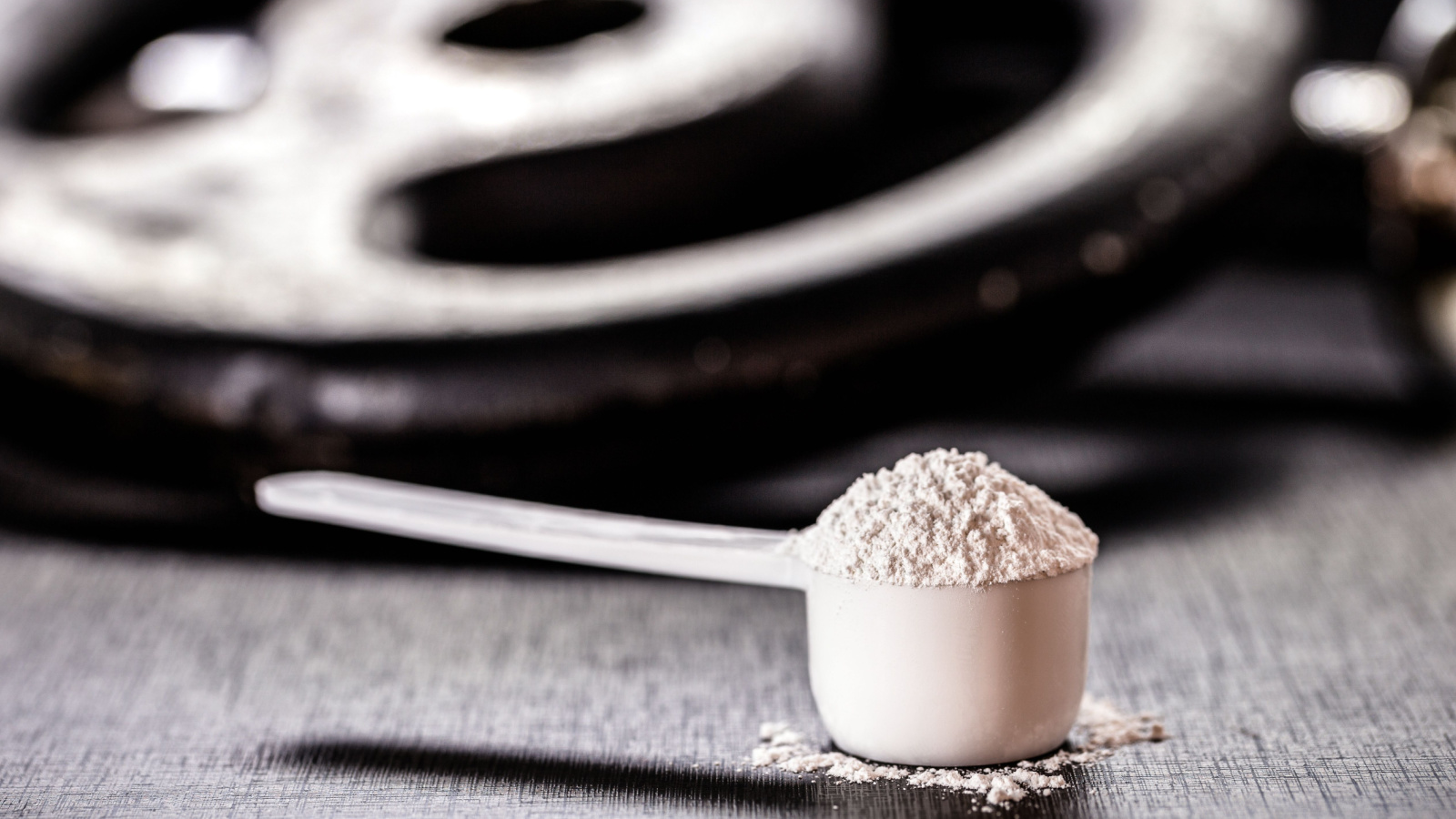
The goal of creatine supplementation is to achieve "muscle saturation," the point at which the muscle cells can no longer store additional phosphocreatine. There are two primary methods to reach this state:
The Loading Phase: This traditional approach involves consuming approximately 20 grams of creatine monohydrate per day, divided into four 5-gram doses, for five to seven days. This method is designed to saturate the muscles as quickly as possible, allowing the user to experience the benefits within a week.
The Maintenance Phase: Following the loading phase, a daily dose of 3 to 5 grams is sufficient to maintain saturation. Alternatively, individuals may choose to skip the loading phase and start with 3 to 5 grams daily. While this method takes longer to reach saturation—typically three to four weeks—it is equally effective in the long term and may reduce the risk of gastrointestinal discomfort associated with higher doses.
Timing and Synergies: While creatine is effective regardless of the time of day it is consumed, some evidence suggests that post-workout ingestion may be slightly superior. During the post-exercise period, muscle cells are more sensitive to nutrient uptake due to increased blood flow and insulin sensitivity. Consuming creatine with a source of carbohydrates or protein can further enhance its uptake via insulin-mediated transport.
Addressing Safety Concerns and Common Myths
Despite its extensive safety record, creatine remains a subject of several persistent myths.

Renal Function: A common concern is that creatine supplementation may damage the kidneys. This misconception likely stems from the fact that creatine is broken down into creatinine, a waste product measured in blood tests to assess kidney function. While supplemental creatine will elevate blood creatinine levels, numerous long-term studies have confirmed that it does not impair actual kidney filtration or health in individuals with no pre-existing renal disease.
Hair Loss: The link between creatine and hair loss is based on a single 2009 study of rugby players, which showed an increase in dihydrotestosterone (DHT), an androgen linked to male pattern baldness. However, this study did not actually measure hair loss, and the results have never been replicated in subsequent research. Most experts consider the link between creatine and alopecia to be speculative at best.
Dehydration and Cramping: Contrary to the belief that creatine causes dehydration or heat-related illness, research in NCAA athletes has shown that creatine users actually experience fewer instances of cramping, heat illness, and dehydration compared to those not using the supplement. This is likely due to the increased intracellular water retention, which may aid in thermoregulation.
Broader Economic and Societal Impact
The global creatine market has seen robust growth, valued at several hundred million dollars and projected to expand as its applications in healthy aging and clinical medicine become more mainstream. As the global population ages, the prevention of sarcopenia (age-related muscle loss) has become a public health priority. Creatine, when combined with resistance training, has proven to be one of the most effective interventions for maintaining physical independence and bone density in the elderly.
Furthermore, the World Anti-Doping Agency (WADA) and the International Olympic Committee (IOC) continue to permit the use of creatine, as it is a food-derived compound that does not fundamentally alter physiological limits in the manner of anabolic steroids.

Conclusion
Creatine monohydrate stands as a rare example of a supplement that has survived the rigors of decades of scientific scrutiny. Its ability to bolster the body’s primary energy system makes it an invaluable tool for athletes seeking strength and power, while its emerging cognitive benefits suggest a utility that extends far beyond the gymnasium. When administered through a disciplined protocol of 3 to 5 grams daily, and supported by adequate hydration, creatine represents a safe, cost-effective, and highly evidence-based strategy for enhancing both physical and mental performance. As research continues to unfold, the "meathead" stigma once attached to the supplement is being replaced by a sophisticated understanding of its role in human health and longevity.