








The Republican Party is confronting a increasingly difficult political landscape as the United States approaches the midterm elections, with new economic data suggesting a secondary, more severe "grocery price shock" is poised to exacerbate already record-high food costs. According to a report released Sunday by Axios, the timing of this inflationary surge—occurring just 65 days before voters head to the polls—presents a significant challenge for GOP candidates who are attempting to maintain or gain control of key legislative chambers. The anticipated price hikes are the result of a complex convergence of geopolitical conflicts, trade policies, and environmental factors that have disrupted global supply chains and domestic production cycles.
As noted by Axios’ Mike Allen, the upcoming volatility in the food market is expected to hit harder and cover a wider range of products than the initial inflationary waves seen earlier in the year. This development has placed the economy at the center of the national conversation, overshadowing other policy debates and forcing a recalculation of campaign strategies across the country.
The Convergence of Economic Pressures
The current inflationary environment is not the result of a single policy but rather a "perfect storm" of international and domestic stressors. Central to the rising costs are the long-term effects of trade tariffs implemented during the Trump administration and the economic fallout from the ongoing conflict with Iran. Analysts suggest that the tariffs, originally intended to bolster domestic industry, have instead increased the cost of imported raw materials and machinery, a cost that has been steadily passed down to consumers at the checkout counter.

Furthermore, the conflict with Iran has injected a high degree of uncertainty into global energy markets. Because the modern food supply chain is heavily dependent on fuel—for everything from running tractors to transporting perishable goods across state lines—the rise in oil prices has had a direct and immediate impact on grocery bills. When combined with the sustained disruption caused by the Russo-Ukraine war, which has sidelined two of the world’s largest exporters of grain and fertilizer, the global food market has reached a point of extreme fragility.
Commodity Volatility: Corn, Wheat, and the Feed-to-Table Pipeline
The most immediate threat to grocery stability comes from the commodity markets, specifically corn and wheat. Recent reports from CNBC indicate that poor weather conditions in major agricultural hubs have sent the prices of these essential crops to their highest levels in over three years. The "poor weather" cited includes a mixture of prolonged droughts in some regions and unseasonable flooding in others, which have significantly lowered yield forecasts for the current harvest season.
The implications of rising corn and wheat prices extend far beyond the cost of a loaf of bread or a box of cereal. Wheat serves as a foundational ingredient in a vast majority of pantry staples, while corn is the primary component of animal feed in the United States. As the cost of feed rises, producers of livestock and poultry are forced to raise their prices to maintain thin profit margins. This creates a "domino effect" across the grocery store:
- Meat and Poultry: Beef, pork, and chicken prices are expected to see double-digit increases as feed costs remain elevated.
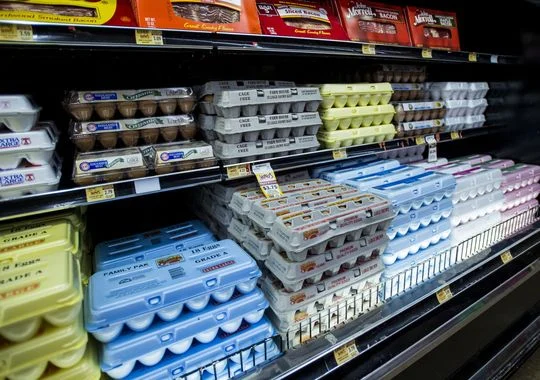
- Dairy and Eggs: Higher costs for maintaining dairy herds and poultry flocks lead to higher prices for milk, cheese, and eggs.
- Processed Foods: Most packaged goods contain corn or wheat derivatives (such as high-fructose corn syrup or flour), ensuring that the price shock reaches nearly every aisle of the supermarket.
Data Breakdown: The Rising Cost of Living
Recent Consumer Price Index (CPI) data and market analysis provide a stark look at the specific items most affected by the current economic climate. The Axios report highlights several key year-over-year increases that illustrate the scale of the burden on American households:
- Instant Coffee: Up 15.8%
- Beef Roasts: Up 13.5%
- Tomatoes: Up 12.8%
- Apples: Up 11.1%
These increases are particularly concerning for economists because they involve "inelastic" goods—items that consumers continue to buy even as prices rise because they are considered dietary essentials. When families spend a larger portion of their disposable income on basic nutrition, it leads to a "crowding out" effect, reducing consumer spending in other sectors of the economy such as retail, travel, and entertainment.
Political Implications and the Midterm Countdown
With the midterms only 65 days away, the "grocery price shock" is becoming a primary focus for both parties. For Republicans, the challenge lies in navigating the unpopularity of the Iran conflict and the lingering effects of previous trade policies. While the GOP has traditionally campaigned on a platform of fiscal responsibility and economic growth, the current reality of rising costs makes it difficult to present a unified message of prosperity.
Internal polling suggests that the electorate’s primary concern is the "kitchen table" economy. In swing districts, where margins are razor-thin, the price of a gallon of milk or a pound of ground beef can have a greater impact on voter behavior than high-level policy debates. Democratic strategists have already begun to pivot, focusing their messaging on the "costs of conflict" and the need for supply chain resilience, while attempting to distance themselves from the broader inflationary trends.
Republicans, meanwhile, are tasked with convincing voters that their long-term economic vision remains the most viable path to stability. Some GOP leaders have called for a temporary suspension of certain tariffs or a more aggressive domestic energy policy to lower transportation costs. However, these measures take time to implement and even longer to reflect in retail prices, leaving a narrow window to influence public perception before the election.
Timeline of the Crisis
To understand the current predicament, it is necessary to view the crisis through a chronological lens of the past 24 months:
- Mid-Year Previous: Initial supply chain bottlenecks begin to ease, but labor shortages in the agricultural sector persist.
- Late Previous Year: The conflict with Iran escalates, leading to the first major spike in global oil prices and a subsequent rise in logistics costs.
- Early Current Year: The Russo-Ukraine war enters a new phase, further restricting global fertilizer supplies and grain exports.
- Three Months Ago: Unfavorable weather patterns across the U.S. Midwest begin to impact corn and wheat planting schedules.
- One Month Ago: Commodity prices for corn and wheat hit a three-year high, triggering warnings from food processors about upcoming retail price adjustments.
- Present Day: Axios and other outlets report a secondary "price shock" is imminent, coinciding with the 65-day countdown to the midterms.
Expert Analysis and Industry Reaction
Agricultural economists warn that the "shock" may last longer than previous inflationary episodes. "We are looking at a structural shift in production costs," says Dr. Elena Rodriguez, a senior analyst at a leading economic think tank. "When you combine high energy costs, high fertilizer costs, and crop failures due to weather, you don’t just see a temporary spike. You see a new price floor."
Industry groups, such as the National Grocers Association, have expressed concern over the impact on independent retailers. Smaller grocery stores often lack the negotiating power of massive chains to absorb price increases, meaning they must pass costs on to consumers immediately or risk going out of business. This further complicates the political landscape in rural areas, where independent grocers are often the sole providers of fresh food.
On the legislative front, there is a growing call for a bipartisan investigation into price gouging, though many economists argue that the current prices are a logical, if painful, result of supply and demand imbalances. The Federal Reserve’s role also remains a point of contention; while interest rate hikes are intended to cool inflation, they also increase the cost of borrowing for farmers who need to finance their equipment and seeds for the next season.
Broader Socioeconomic Impact
Beyond the immediate political fallout, the grocery price shock has significant social implications. Food insecurity is on the rise, with food banks reporting a surge in demand as middle-income families find it increasingly difficult to keep up with the cost of living. The 11.1% increase in the price of apples and the 12.8% increase in tomatoes suggest that even healthy, fresh options are becoming less accessible, potentially leading to long-term public health challenges.
The psychological impact of "sticker shock" also cannot be understated. Frequent reminders of inflation—encountered every time a voter enters a store—create a sense of economic malaise that is difficult for any incumbent party to overcome. As the 65-day countdown continues, the ability of the Republican party to offer a credible and immediate solution to these rising costs will likely determine the outcome of several key races and, by extension, the direction of the country’s economic policy for the next two years.
Conclusion
The convergence of geopolitical instability, trade policy consequences, and environmental challenges has created a volatile economic environment that serves as a formidable hurdle for the GOP heading into the midterms. With essential items like coffee, beef, and produce seeing double-digit price increases, the "grocery price shock" is more than just a statistical trend; it is a daily reality for millions of Americans. As candidates enter the final stretch of their campaigns, the economy—and specifically the cost of the weekly grocery haul—remains the most critical factor in the battle for the American electorate.