








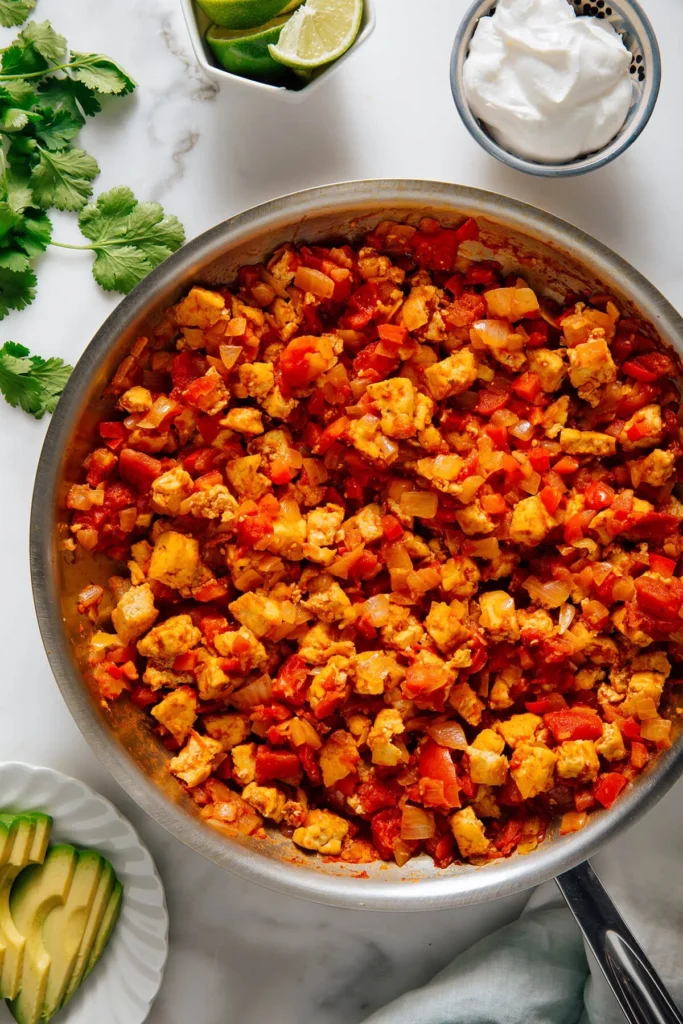
Chipotle introduced Sofritas in 2014, marking a pivotal moment in the company’s commitment to expanding its plant-based offerings. Prior to its debut, vegetarian options at many fast-casual establishments were often limited to variations of bean or vegetable-only dishes, sometimes lacking a substantial protein component. Sofritas, derived from the Spanish word "sofrito," meaning "to lightly fry," cleverly reimagined a traditional aromatic base of garlic, onions, and peppers, common in Spanish and Latin American cuisines, by infusing it into crumbled, braised tofu. This innovation provided a hearty, saucy, and spicy protein alternative that quickly gained popularity, particularly among vegetarians, vegans, and those looking to reduce their meat consumption without sacrificing flavor or substance. Its success demonstrated the commercial viability of well-executed plant-based proteins in a market segment traditionally dominated by meat. The inclusion of Sofritas not only diversified Chipotle’s menu but also positioned the brand as responsive to evolving dietary preferences, contributing to its image as a forward-thinking and inclusive eatery.
The home kitchen adaptation of Sofritas, as seen in this detailed recipe, is a testament to the dish’s widespread appeal and the ingenuity of home cooks. The creator embarked on a journey to reverse-engineer Chipotle’s celebrated offering, meticulously analyzing its ingredient list and then experimenting with quantities and preparation methods. The goal was to achieve a flavor profile that captured the essence of the original while allowing for personal refinements, particularly in managing the spice level. A common critique of the restaurant version, as noted by some diners, is its occasional overwhelming heat, which can sometimes overshadow other nuanced flavors in a burrito bowl or taco. This home-based approach specifically aimed to strike a more harmonious balance, delivering a dish that is robustly spiced yet allows the foundational ingredients to shine through, resulting in a fresher and more vibrant taste experience. This iterative process of tasting, adjusting, and refining is a hallmark of dedicated home cooking, transforming a commercial product into a tailored culinary delight.

Central to the success of any Sofritas recipe is its careful selection and preparation of ingredients, each playing a crucial role in building the complex flavor profile.

Key Ingredients and Their Culinary Contributions:
-
Olive Oil: As the traditional fat for cooking sofrito, extra-virgin olive oil forms the base. Its fruity, slightly peppery notes not only facilitate the sautéing process but also impart a subtle richness to the initial aromatics, setting the stage for deeper flavors. The choice of extra-virgin olive oil speaks to a preference for quality and authentic culinary practice.

-
Tofu: The backbone of this plant-based protein, extra-firm tofu is paramount. Unlike softer varieties, extra-firm tofu holds its structure well, allowing it to be crumbled with a fork, mimicking the texture of ground meat once cooked. The crumbling process significantly increases the surface area, enabling the tofu to develop a golden crust when sautéed and, critically, to absorb the rich, smoky, and spicy sauce more effectively. When sautéed until golden, it develops a surprising depth, often revealing a subtly smoky undertone that complements the chipotle peppers. Pressing the tofu before crumbling is an optional but recommended step to remove excess water, ensuring a crispier texture and better flavor absorption.
-
Aromatic Trifecta (Onion, Red Bell Pepper, Garlic): This foundational trio forms the heart of the sofrito base, a culinary tradition revered across many Spanish and Latin American cuisines.
- Onion: Provides a sweet and pungent depth when caramelized, forming a crucial layer of flavor. Yellow or white onions are generally preferred for their balanced taste.
- Red Bell Pepper: Offers a natural sweetness and vibrant color, contributing to the dish’s overall complexity and visual appeal. While red is ideal for its sweetness, orange or yellow bell peppers can serve as excellent substitutes, maintaining the desired flavor profile.
- Garlic: An indispensable aromatic, garlic infuses the dish with its characteristic pungent and savory notes, essential for building a robust flavor foundation. Freshly minced garlic is always recommended over pre-packaged alternatives for superior taste.
-
Tomatoes (Tomato Paste and Canned Diced Tomatoes): These two tomato components work in tandem to create the saucy body and rich umami of the Sofritas.

- Canned Diced Tomatoes: Provide essential moisture, a bright acidity, and a tender texture to the sauce. Their presence ensures the Sofritas remains juicy and not overly dry.
- Tomato Paste: A concentrated form of tomato, paste is a powerhouse of umami. A small amount significantly intensifies the tomato flavor, adding depth and richness that diced tomatoes alone cannot achieve. It contributes to the sauce’s body and helps bind the flavors together.
-
Chipotle Peppers in Adobo Sauce: This ingredient is the undisputed star, delivering the signature smoky and spicy kick that defines Sofritas. Chipotle peppers are smoked, dried jalapeños, and the adobo sauce they are packed in is a tangy, slightly sweet, and savory marinade. Both the peppers (chopped) and a portion of the adobo sauce are crucial. The smoky heat from the chipotles is a key flavor differentiator, distinguishing Sofritas from other spicy tofu dishes. The adobo sauce itself adds layers of complexity, contributing vinegar, spices, and a touch of sweetness.
- Recipe Tip for Leftovers: A practical kitchen hack involves freezing leftover tomato paste and chipotle peppers in adobo sauce. Storing them in small, flattened freezer bags with air squeezed out allows for easy portioning in the future, preventing waste and ensuring these potent ingredients are always on hand. This method is particularly useful given that many recipes only call for a small amount of each.
-
Red Wine Vinegar: A splash of acidity is vital for brightening and balancing the rich, savory, and spicy flavors. Red wine vinegar provides a sharp, fruity tang that cuts through the richness and enhances the overall vibrancy of the dish. Sherry vinegar can be used as a sophisticated substitute, offering a slightly nuttier, more mellow acidity.
-
Dried Spices (Ground Cumin, Smoked Paprika, Oregano): These spices are carefully selected to complement and enhance the chipotle’s smoky notes and build a classic Mexican-inspired flavor profile.

- Ground Cumin: Offers an earthy, warm, and slightly pungent flavor that is characteristic of many Mexican and Latin American dishes.
- Smoked Paprika: Echoes and amplifies the smoky notes from the chipotle peppers, adding another layer of complex aroma without increasing the heat significantly. It’s distinct from regular paprika, which lacks the smoky depth.
- Dried Oregano: Contributes an aromatic, slightly bitter, and peppery note, rounding out the spice blend and adding an authentic herbal dimension. Mexican oregano, if available, offers a more floral and citrusy profile compared to Mediterranean oregano.
Crafting the Dish: A Step-by-Step Overview
The preparation of homemade Sofritas involves a sequence of steps designed to build flavor depth and achieve the desired texture. It typically begins with the sautéing of crumbled extra-firm tofu in olive oil until golden, allowing it to develop a subtle smokiness and firm texture. This step is critical for preventing the tofu from becoming mushy in the sauce. Concurrently, the aromatic base of onions, bell peppers, and garlic is gently sautéed until softened, creating the foundational sofrito. Tomato paste is often added at this stage, cooked briefly to deepen its flavor and release its umami. Following this, the diced tomatoes, chipotle peppers in adobo, red wine vinegar, and the blend of dried spices are introduced. The mixture is then brought to a simmer, allowing the flavors to meld and the sauce to thicken around the crumbled tofu. The simmering process is key to integrating all the elements, transforming individual ingredients into a cohesive, flavorful dish. This method ensures that the tofu thoroughly absorbs the rich, spicy, and tangy sauce, resulting in a dish that is both hearty and bursting with flavor.
Versatility on the Plate: Serving Suggestions

The inherent versatility of Sofritas makes it an excellent addition to a wide array of Mexican and Tex-Mex meals, providing a robust, protein-rich component. Its bold flavors pair exceptionally well with creamy elements, which serve to balance its inherent heat. Rich guacamole, cool sour cream, or a tangy avocado crema are highly recommended alongside Sofritas to provide a soothing counterpoint to the spice.
Beyond the classic Chipotle-style burrito bowls, Sofritas can be creatively incorporated into numerous dishes:
- Burritos and Burrito Bowls: The most direct application, offering a plant-based protein alternative to meat.
- Nachos: Sprinkled generously over tortilla chips with melted cheese, beans, and other toppings for a flavorful vegetarian twist.
- Quesadillas: Stirred into cheese before grilling between tortillas, adding a spicy and savory kick.
- Tacos: A superb filling for soft or hard shell tacos, complemented by fresh salsa, shredded lettuce, and a squeeze of lime.
- Eggs: Excellent with breakfast items, whether stirred into scrambled eggs or served alongside fried eggs for a hearty morning meal.
- Enchiladas: Used as a filling for corn tortillas, topped with enchilada sauce and cheese, then baked.
- Stuffed Peppers or Sweet Potatoes: A flavorful and nutritious filling for baked bell peppers or sweet potatoes.
- Salad Topping: Added to a vibrant salad for a protein boost and a burst of flavor.
- Rice Bowls: Layered over a bed of rice with black beans, corn, and other vegetables for a complete meal.
Nutritional Profile and Health Benefits

Sofritas, particularly the homemade version, offers several nutritional advantages. As a plant-based dish centered around tofu, it provides a complete protein source, essential for muscle repair and growth, without the saturated fat often found in meat-based proteins. Tofu is also a good source of iron and calcium. The inclusion of various vegetables like onions, bell peppers, and tomatoes contributes essential vitamins, minerals, and dietary fiber, promoting digestive health and overall well-being. Chipotle peppers add antioxidants, while spices like cumin and oregano are known for their anti-inflammatory properties. While precise nutritional values can vary based on ingredients and portion sizes, this dish generally represents a wholesome, nutrient-dense option, aligning with increasing consumer interest in healthier and more sustainable eating patterns. It is also naturally dairy-free, egg-free, and gluten-free, making it suitable for individuals with various dietary restrictions or preferences, assuming complementary additions are chosen carefully.
The Broader Trend: Home Cooking and Plant-Based Diets
This home-cooked Sofritas recipe exemplifies several significant contemporary culinary trends. The first is the ongoing surge in plant-based eating. Driven by environmental concerns, ethical considerations, and perceived health benefits, more individuals are adopting vegetarian, vegan, or flexitarian diets. This has spurred innovation in plant-based protein alternatives, both in commercial kitchens and home cooking. Sofritas, with its robust flavor and satisfying texture, stands as a prime example of how plant-based dishes can be both delicious and fulfilling.

Secondly, there is a clear trend of consumers seeking to replicate popular restaurant dishes at home. This desire is often fueled by a combination of factors: the enjoyment of cooking, the ability to control ingredients (e.g., reducing sodium, adjusting spice levels, using organic produce), and the economic benefits of eating at home versus dining out. The process of reverse-engineering a beloved dish like Chipotle’s Sofritas offers a rewarding challenge for home chefs and allows for a personalized culinary experience that mass-produced versions cannot always provide. It reflects a shift towards greater culinary self-reliance and customization.
Finally, the emphasis on fresh, flavorful ingredients and balanced spice levels in this adaptation speaks to a broader appreciation for quality and nuanced taste in home cooking. As consumers become more sophisticated in their palates, they seek dishes that are not merely edible but truly enjoyable and tailored to their preferences. The success of dishes like homemade Sofritas underscores the enduring appeal of traditional flavors reimagined for modern dietary landscapes, proving that delicious, satisfying meals can be created without relying on animal products. This trend promises continued innovation and exploration in the realm of plant-based cuisine, both in restaurants and in kitchens worldwide. The enthusiastic response to such recipes demonstrates a vibrant and evolving culinary landscape, where taste, health, and sustainability converge.