


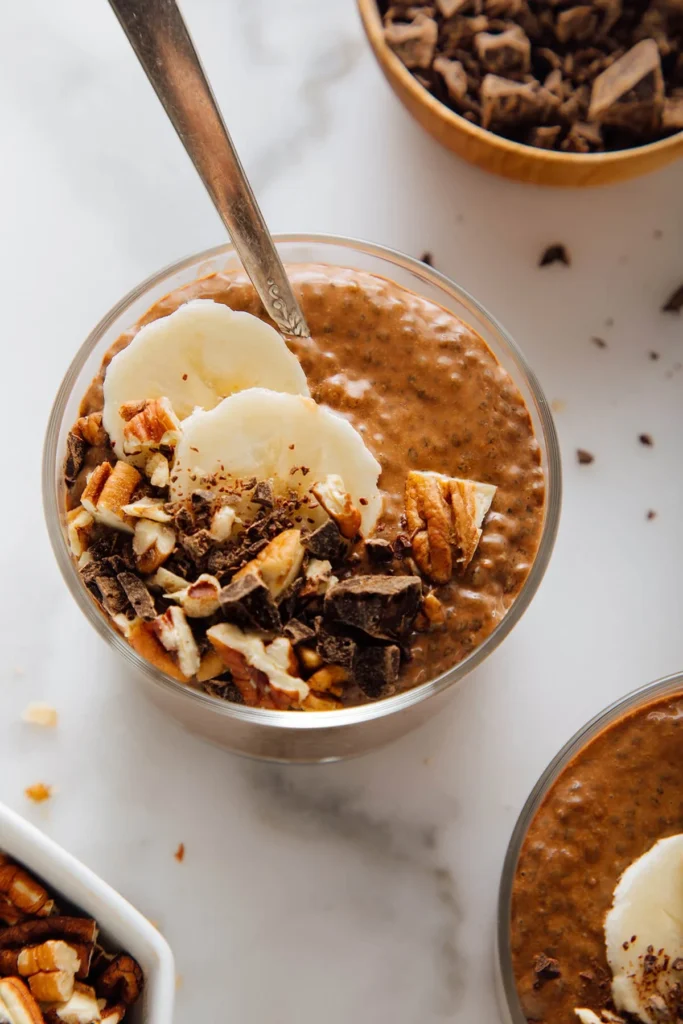
The culinary landscape has witnessed a significant shift towards nutritious yet palatable options, with chocolate chia seed pudding emerging as a prime example of this evolving trend. This deceptively simple dessert or snack, lauded for its ease of preparation and impressive nutritional profile, has garnered widespread acclaim from health enthusiasts and casual eaters alike. Far from being another "healthy" imitation that sacrifices flavor for virtue, this particular iteration stands out for its authentic dessert-like quality, effectively bridging the gap between wholesome ingredients and genuine indulgence. Its growing popularity underscores a broader consumer demand for foods that not only taste good but also contribute positively to overall well-being, without resorting to artificial substitutes or overly processed components. The concoction represents a triumph of minimalist cooking, requiring only a handful of pantry staples to create a rich, satisfying treat that challenges conventional notions of what constitutes a dessert.
The Rise of Chia Seeds: A Nutritional Powerhouse
The foundation of this celebrated pudding lies in the humble chia seed, an ingredient with a history as rich as its nutritional value. Originating from Salvia hispanica, a desert plant native to Central and South America, chia seeds were a dietary staple for ancient Aztec and Mayan civilizations. Valued for their sustained energy-boosting properties, they were often consumed by warriors and messengers for endurance, earning them the moniker "runner’s food." Beyond their historical significance, modern nutritional science has illuminated the remarkable composition of these tiny seeds. Chia seeds are an exceptional source of dietary fiber, accounting for approximately 8 grams per serving in a standard chia pudding preparation. This high fiber content is crucial for digestive health, promoting regularity and contributing to satiety, which can aid in weight management by reducing overall caloric intake.
Furthermore, chia seeds provide a notable 5 grams of plant-based protein per serving, making them an excellent addition to vegetarian and vegan diets that might otherwise struggle to meet protein requirements. This protein content, combined with healthy plant-based fats, primarily omega-3 fatty acids in the form of alpha-linolenic acid (ALA), positions chia seeds as a comprehensive superfood. ALA is vital for heart health, reducing inflammation, and supporting cognitive function. The seeds are also packed with antioxidants, which combat free radicals in the body, and a variety of essential minerals including calcium, phosphorus, magnesium, and manganese, all crucial for bone health, energy metabolism, and nerve function. Their neutral flavor profile and unique gelling property, attributed to their soluble fiber content, when exposed to liquid make them incredibly versatile, allowing them to be incorporated into a wide array of dishes from smoothies and oatmeal to baked goods and, of course, puddings. The resurgence of chia seeds in contemporary diets is not merely a fad but a testament to their enduring nutritional benefits, aligning perfectly with the global movement towards functional foods and preventative health strategies. Market data indicates a steady increase in the consumption and market value of chia seeds, reflecting their integration into mainstream dietary practices.
The Evolution of Healthy Desserts: A Culinary Shift
The mainstream acceptance of dishes like chocolate chia pudding reflects a significant evolution in consumer attitudes towards food, particularly in the realm of desserts and snacks. For decades, the concept of a "healthy dessert" often conjured images of bland, unsatisfying alternatives, frequently reliant on artificial sweeteners or obscure, highly processed ingredients. The original article subtly touches upon this skepticism, noting a suspicion of chocolate "desserts" made with "sneaky healthy ingredients like avocado or sweet potato" that compromise the authentic dessert experience. This sentiment highlights a crucial turning point: consumers are increasingly discerning, seeking genuine flavor and texture alongside nutritional benefits.
The shift is away from mere calorie reduction and towards ingredient quality and nutrient density. The modern consumer desires a treat that satisfies cravings without eliciting guilt, prompting food innovators and home cooks alike to explore natural, whole-food-based solutions. This culinary renaissance has led to a greater appreciation for ingredients like chia seeds, cocoa powder, and natural sweeteners such as maple syrup, which offer both indulgence and health advantages. The global market for health and wellness foods has seen robust growth, driven by rising awareness of diet-related diseases and a proactive approach to health management. Reports from market research firms, such as Grand View Research, indicate that the global plant-based food market size was valued at USD 44.2 billion in 2022 and is projected to grow at a compound annual growth rate (CAGR) of 12.0% from 2023 to 2030. This environment has fostered the development of recipes that prioritize clean labels, minimal processing, and verifiable nutritional claims. Chocolate chia pudding exemplifies this new paradigm, proving that wholesome ingredients can indeed create a dessert that is both genuinely enjoyable and genuinely good for you, sidestepping the "sneaky" aspect by celebrating the inherent qualities of its components.
Crafting the Perfect Chocolate Chia Pudding: Simplicity Meets Nutrition
The appeal of chocolate chia pudding extends beyond its nutritional prowess to its remarkable simplicity and adaptability, making it an ideal choice for busy lifestyles. Unlike traditional custard-based puddings, which often demand precise cooking temperatures, constant stirring, and the use of eggs or cornstarch as thickeners, chia pudding requires no heat and minimal active preparation time. The fundamental process is a testament to efficiency: combining liquid, chia seeds, a flavoring agent, and a sweetener.
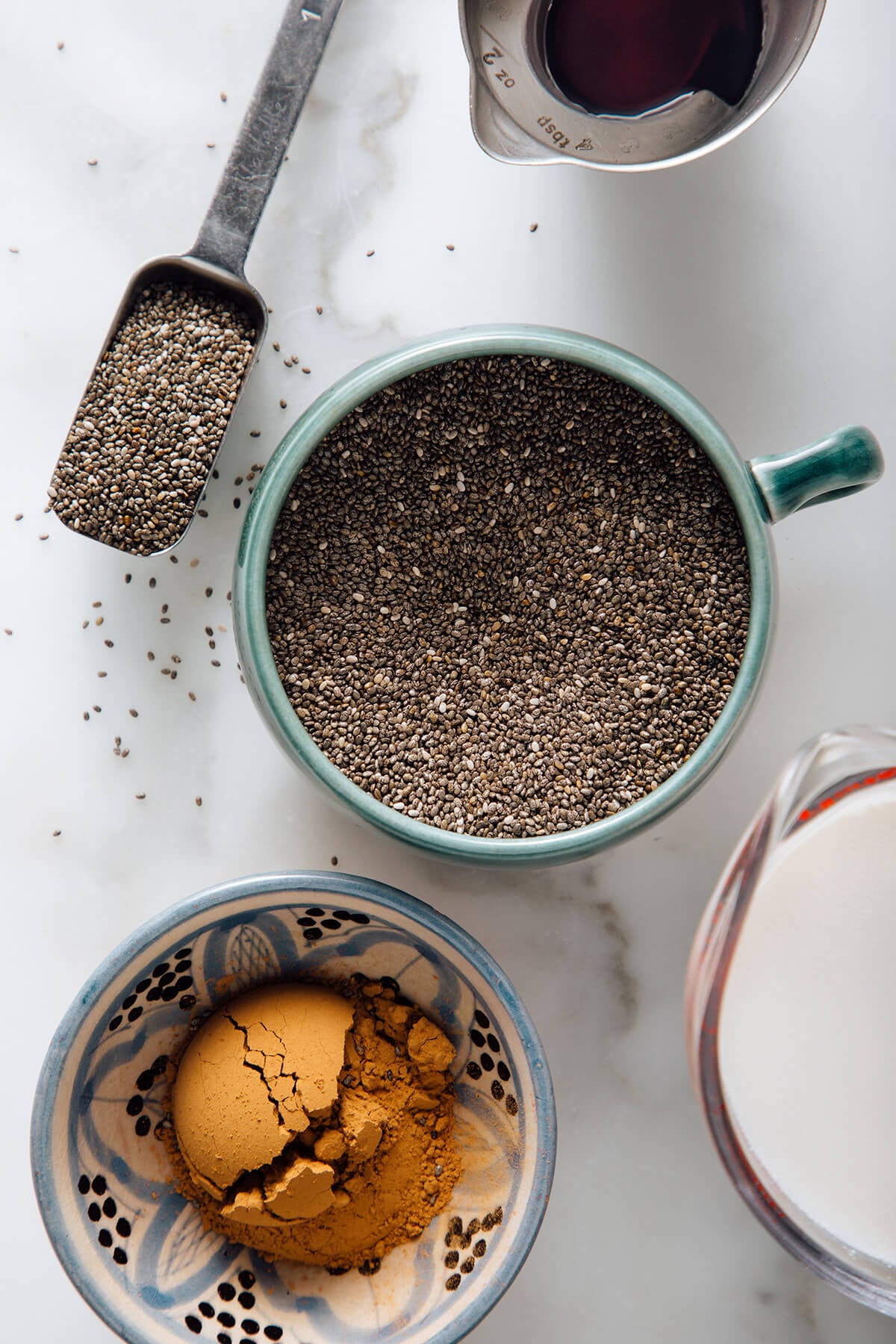
The core ingredients are purposefully chosen for their synergy:
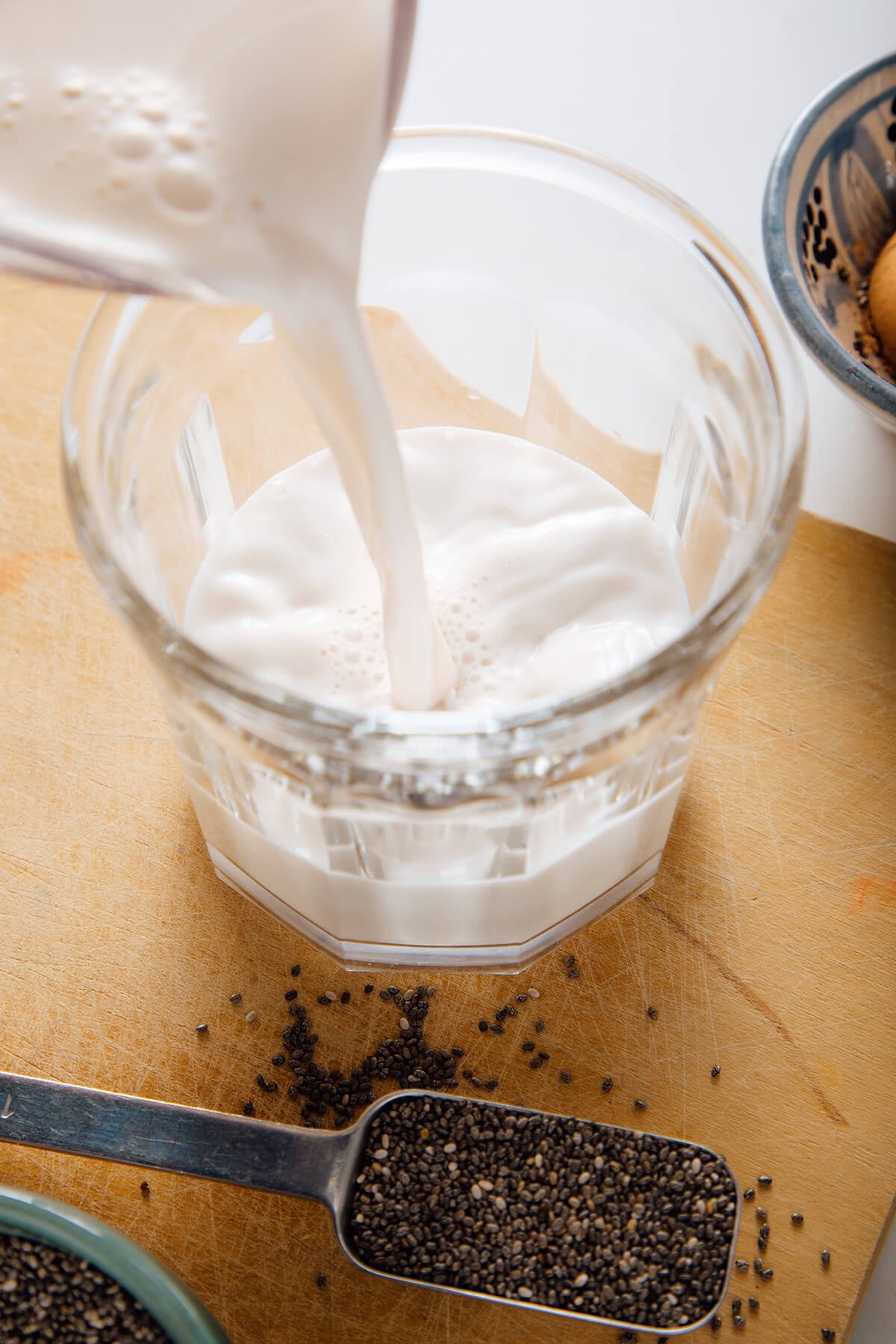
- Liquid Base: The choice of milk is critical, not just for flavor but also for catering to diverse dietary needs. While cow’s milk can certainly be used, the recipe frequently calls for plant-based alternatives such as cashew milk, almond milk, or coconut milk. This aligns with the increasing prevalence of dairy-free diets, whether due to lactose intolerance, veganism, or personal preference. Each milk imparts a slightly different nuance; cashew milk often offers a creamy, neutral base, while coconut milk can add a subtle tropical richness. The burgeoning market for plant-based milks, driven by health and environmental concerns, offers consumers an unprecedented array of options.
- Chia Seeds: These tiny seeds are the structural backbone of the pudding. When submerged in liquid, they absorb up to 10-12 times their weight, forming a gelatinous outer layer. This hydroscopic property, attributed to the soluble fiber, creates the characteristic pudding-like texture without the need for additional thickeners or extensive cooking. The key to optimal texture is allowing sufficient time for hydration, typically two hours or more in the refrigerator, allowing the seeds to plump fully and achieve a subtle, tapioca-like consistency.
- Cocoa Powder: Providing the essential chocolate flavor, cocoa powder also contributes a wealth of antioxidants, particularly flavonoids, which are associated with cardiovascular benefits and improved brain function. Unsweetened natural cocoa powder or Dutch-processed cocoa can be used, with Dutch-processed offering a slightly darker color and milder flavor due to its reduced acidity. The amount can be adjusted to achieve desired intensity, from a lighter milk chocolate profile (using less cocoa) to a rich, dark chocolate experience.
- Natural Sweetener: Maple syrup is frequently the preferred sweetener, offering a distinct, rich flavor profile that complements chocolate without being overpowering. Its natural origin and slightly lower glycemic index compared to refined sugars make it a healthier choice. Other natural sweeteners like honey (which is sweeter and imparts its own flavor), agave nectar, or even date syrup can be substituted, each lending its unique taste and sweetness level. The flexibility in sweetener choice allows individuals to tailor the pudding to their exact preference and dietary requirements.
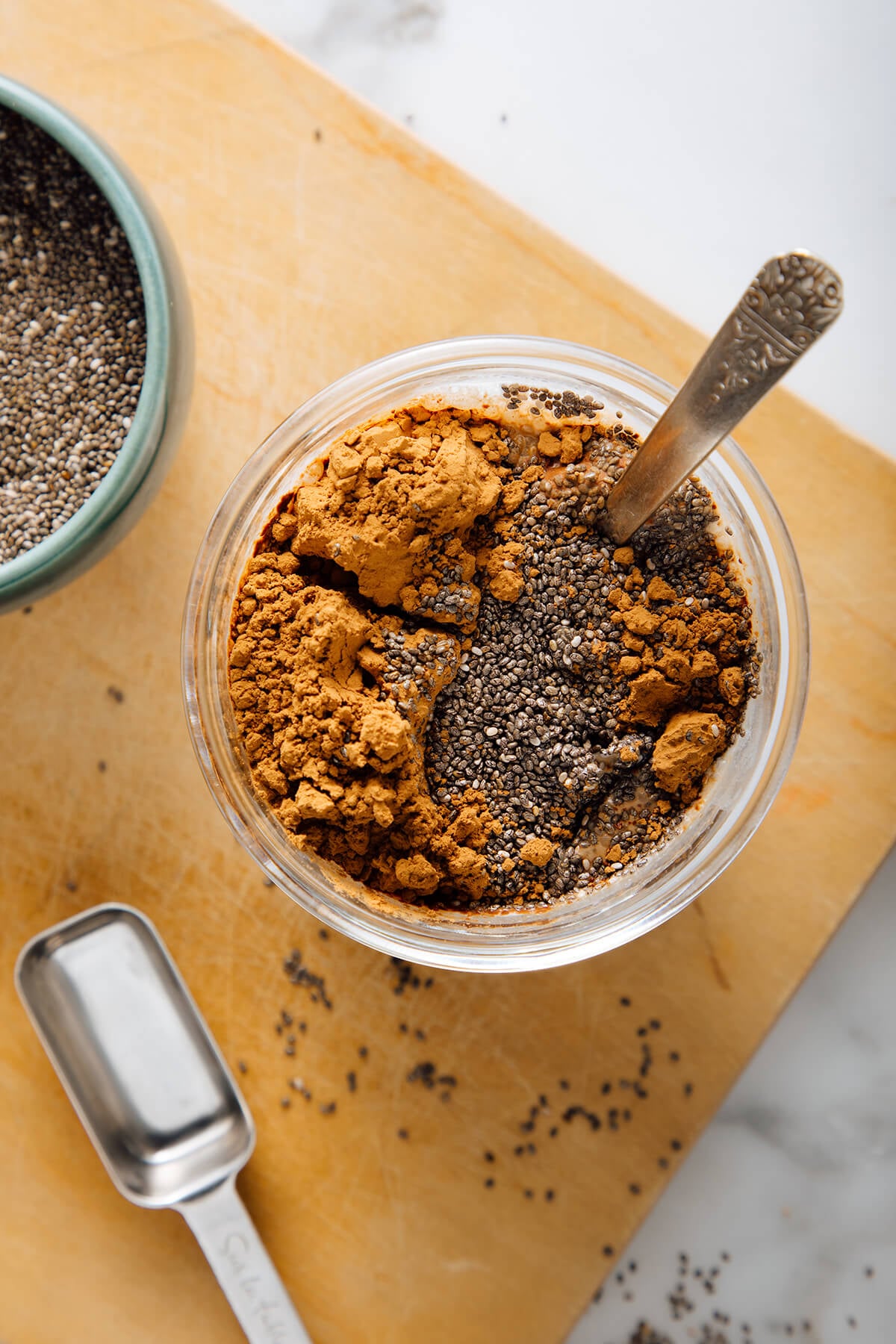
The "chronology" of making this pudding is deceptively simple: combine, whisk thoroughly to prevent clumping, and chill. The whisking step is crucial, particularly in the initial few minutes, to ensure the chia seeds are evenly dispersed and don’t settle at the bottom, which would lead to an inconsistent texture. The magic truly happens during the resting period, as the seeds slowly absorb the liquid and transform the mixture into a luscious pudding, a process that is both effortless and visually satisfying.
Fun Flavor Variations and Customization
The inherent simplicity of the base recipe provides a canvas for extensive customization, allowing individuals to tailor the pudding to their specific taste preferences and nutritional goals. This adaptability is a significant factor in its broad appeal and continued relevance in a diverse culinary landscape.
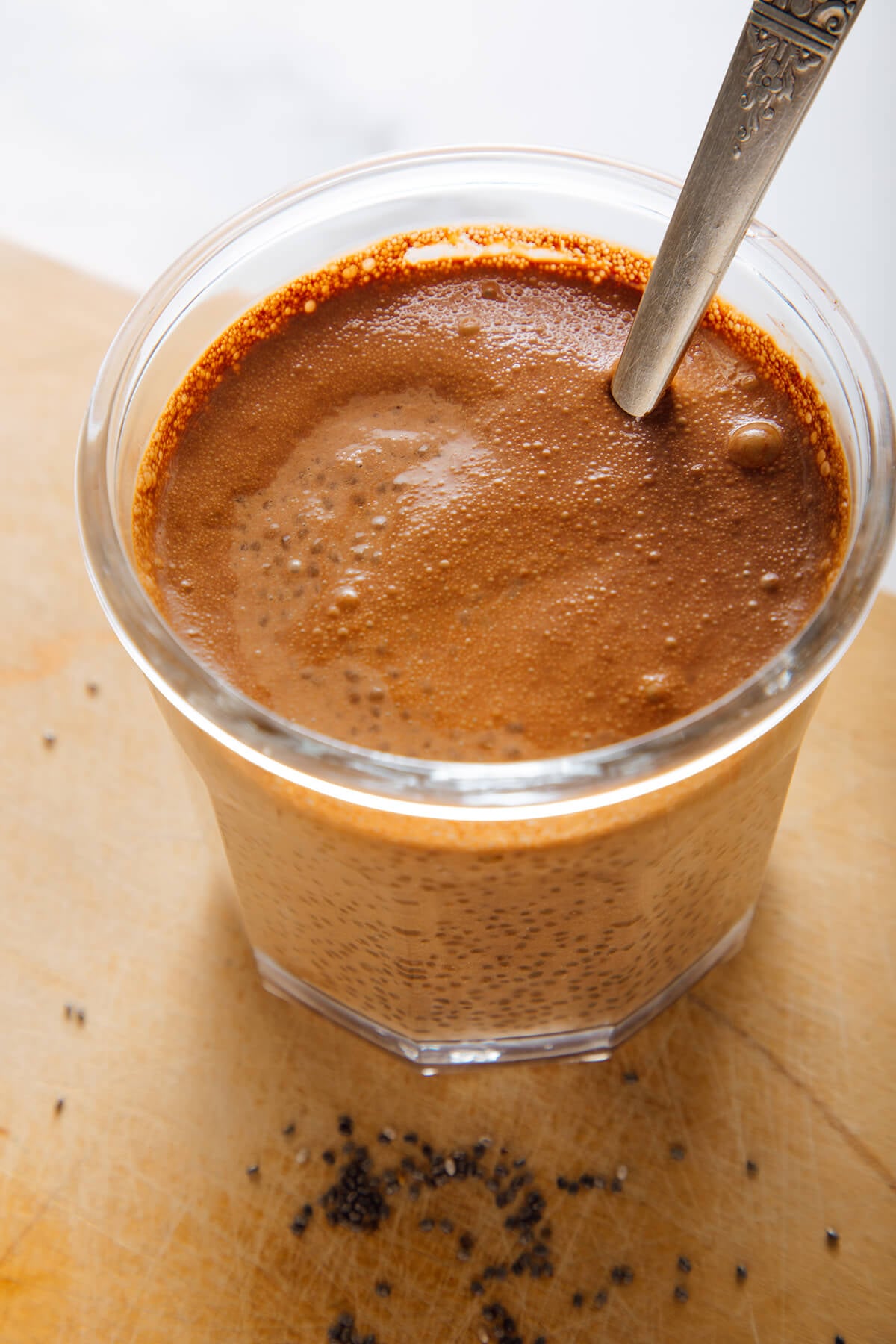
- Adjusting Chocolate Intensity: For those who prefer a milder, lighter chocolate flavor, reminiscent of milk chocolate, reducing the amount of cocoa powder is an effective strategy. This makes the pudding more approachable for palates sensitive to intense dark chocolate, including younger children. Conversely, an extra dash of cocoa can deepen the flavor for a truly decadent dark chocolate experience, appealing to connoisseurs of richer flavors.
- Enhancing Texture and Decadence: To introduce additional textural elements and amplify the chocolate flavor, stirring in a teaspoon or two of chopped dark chocolate or mini chocolate chips can elevate the pudding from a simple snack to a more indulgent treat. This also cleverly masks the subtle, inherent texture of the chia seeds, which some might find unfamiliar. The melting chocolate adds pockets of intense flavor and a luxurious mouthfeel, providing a satisfying contrast to the pudding’s base.
- Nut Butter Infusion: The addition of nut butters, such as peanut butter or almond butter, introduces a creamy richness and a complementary savory note. A tablespoon or two stirred into the base can transform the pudding into a "peanut butter cup"-inspired dessert, a popular flavor combination. When incorporating nut butters, an adjustment in sweetener might be necessary to balance the savory elements, often requiring a bit more maple syrup to maintain the desired sweetness profile.
- Achieving a Silky Smooth Texture: For those who prefer an utterly smooth, creamy consistency reminiscent of traditional custards, the pudding can be blended after it has set. Transferring the chilled pudding to a high-speed blender and processing briefly will break down the chia seeds, resulting in a velvety smooth texture. Care must be taken not to over-blend, as excessive friction can warm the pudding, compromising its chilled enjoyment and potentially altering its texture.
These variations underscore the pudding’s versatility, positioning it not just as a static recipe but as a dynamic framework for culinary creativity, encouraging experimentation and personalization.
Consumer Appeal and Dietary Considerations
The broad appeal of chocolate chia pudding can be attributed to several key factors that resonate deeply with modern consumer lifestyles and dietary needs. Its effortless preparation makes it a go-to option for individuals with demanding schedules who still prioritize nutritious eating. The "no-cook" aspect and requirement for only a few ingredients drastically reduce kitchen time, making it an ideal candidate for meal prepping breakfasts, snacks, or light desserts for the week ahead.
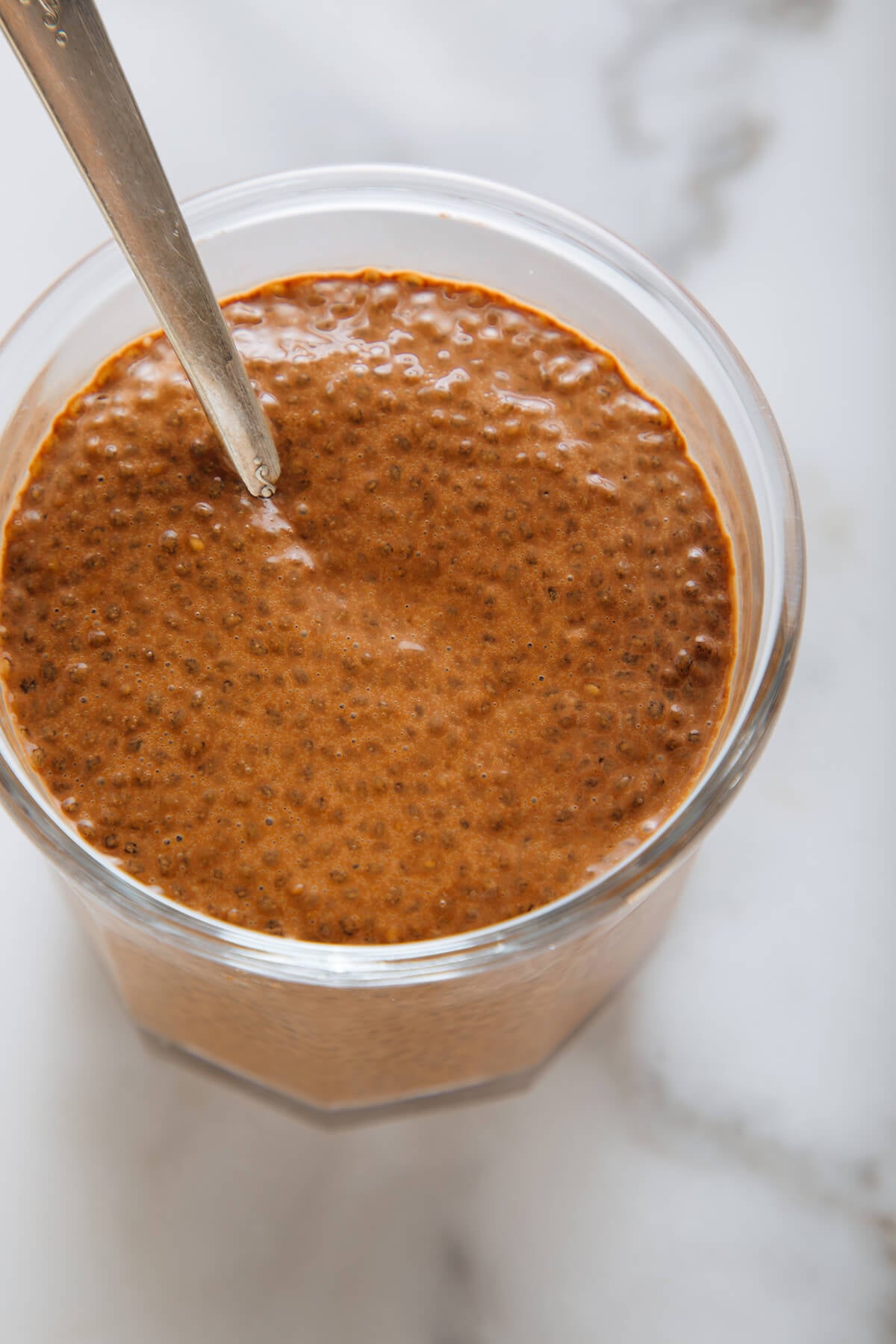
From a dietary perspective, the pudding naturally caters to a wide spectrum of requirements, enhancing its marketability and accessibility:
- Vegan and Dairy-Free: By utilizing plant-based milks and natural sweeteners, the recipe is inherently vegan and dairy-free, aligning with the growing plant-based movement and addressing concerns related to lactose intolerance or dairy allergies. The increasing number of consumers adopting plant-based diets, for ethical, environmental, or health reasons, finds this recipe particularly appealing.
- Gluten-Free: Chia seeds are naturally gluten-free, making the pudding a safe and delicious option for individuals with celiac disease or gluten sensitivities. This is a significant advantage in a market where gluten-free options are constantly sought after.
- Nut-Free Options: While often made with almond or cashew milk, the recipe can be easily adapted to be nut-free by opting for alternative plant-based milks like oat milk or soy milk, broadening its reach to those with nut allergies. This adaptability ensures wider accessibility across various dietary restrictions.
- Naturally Sweetened: The reliance on maple syrup or other natural sweeteners appeals to consumers looking to reduce their intake of refined sugars, offering a "cleaner" sweetness profile. This aligns with public health recommendations to limit added sugars in the diet.
Beyond these specific dietary benefits, the pudding’s robust nutritional profile — high in fiber, protein, and healthy fats — contributes to prolonged satiety, making it an excellent choice for managing hunger and supporting overall dietary goals. It can function as a wholesome breakfast to kickstart the day, a satisfying mid-day snack, or a guilt-free dessert.
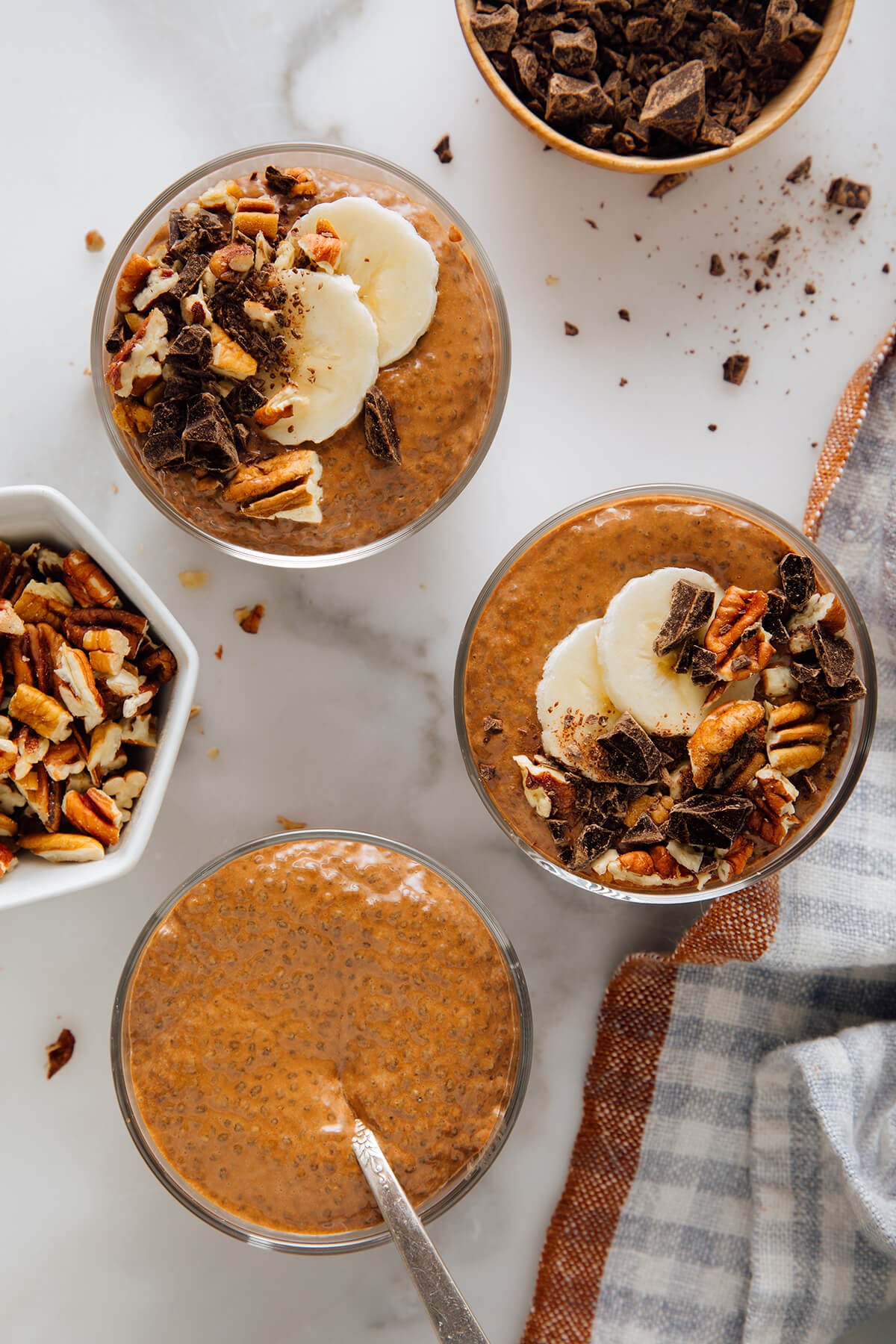
Furthermore, the article subtly highlights an often-overlooked demographic: children. The concept of transforming the pudding into a "healthier ‘dirt pudding’" by adding crushed Oreos and gummy worms demonstrates a clever strategy to introduce nutritious ingredients to younger palates. This approach leverages the familiar and fun aspects of classic children’s treats while subtly incorporating beneficial components, thereby promoting healthier eating habits from a young age. This adaptability for both adult and child consumption further cements its status as a versatile and universally appealing dish. The positive feedback and engagement from the creator’s audience, as implied by the request for comments on how the pudding turns out, underscore a vibrant community of health-conscious food enthusiasts actively seeking and sharing such innovative yet simple recipes.
The Broader Impact: A Paradigm Shift in Food Consumption
The widespread embrace of recipes like chocolate chia pudding signifies more than just a culinary trend; it represents a deeper paradigm shift in how consumers approach food and health. This movement is characterized by a demand for transparency in ingredients, a preference for whole and minimally processed foods, and a proactive engagement with personal wellness through diet.
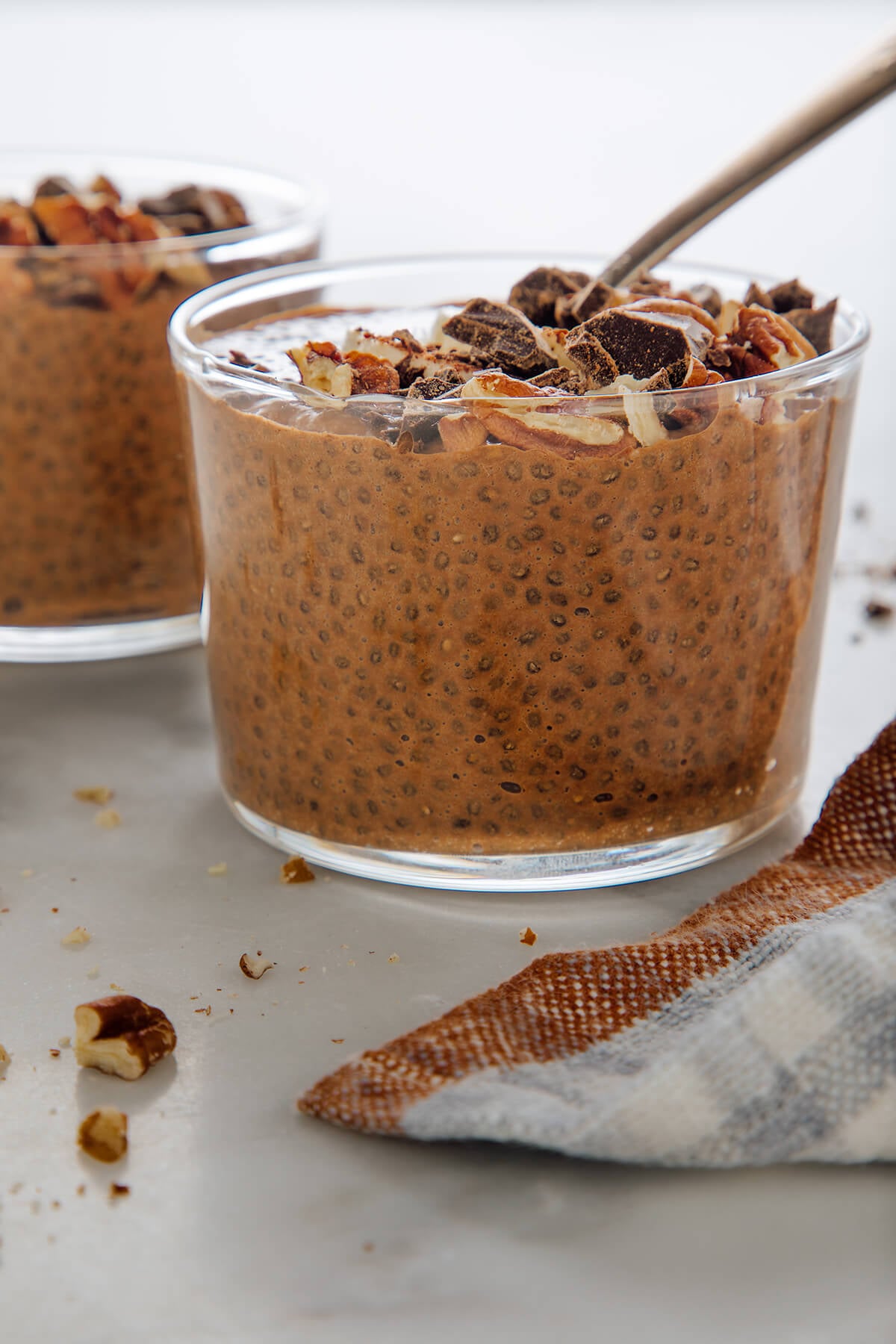
- Mindful Eating and Ingredient Awareness: Consumers are increasingly educated about nutritional science and the impact of food choices on their bodies. Recipes that clearly list simple, identifiable ingredients, like those in chia pudding, resonate strongly with this desire for transparency and mindful eating. This has led to a decline in the popularity of highly processed foods and an increased scrutiny of food labels, with consumers actively seeking out "clean label" products.
- Integration of Functional Foods: Chia seeds, once considered an exotic health food, have now become a pantry staple for many. This reflects a broader trend of integrating "functional foods" – those that provide health benefits beyond basic nutrition – into everyday meals. This includes items like turmeric, spirulina, adaptogens, and various seeds and nuts, all contributing to a preventative health strategy aimed at boosting immunity, improving gut health, and enhancing overall vitality.
- Economic Implications and Market Growth: The burgeoning popularity of plant-based and health-conscious foods has significant economic implications. The market for plant-based milks, natural sweeteners, and "superfoods" has seen exponential growth, attracting substantial investment and innovation. Food manufacturers and retailers are rapidly adapting their product lines to meet this demand, offering a wider array of vegan, gluten-free, and naturally sweetened options. Small businesses and online platforms specializing in healthy ingredients and recipes have also thrived, demonstrating a robust ecosystem built around this dietary shift.
- Accessibility and Democratization of Healthy Eating: Simple, no-cook recipes that use readily available ingredients, like chia pudding, contribute to the democratization of healthy eating. They lower the barrier to entry for individuals who might be intimidated by complex cooking or expensive specialty ingredients. This accessibility fosters a wider adoption of nutritious diets across various socioeconomic groups, promoting better public health outcomes.
- Future Outlook: The trajectory suggests that this shift towards health-conscious, plant-forward, and transparent food choices is not merely temporary. As awareness of climate change, animal welfare, and personal health continues to grow, the demand for sustainable, ethical, and nutritious food options is expected to intensify. Recipes like chocolate chia pudding, which effortlessly combine deliciousness with undeniable health benefits and ease of preparation, are poised to remain at the forefront of this culinary revolution. They serve as a powerful reminder that satisfying one’s sweet tooth can, and should, be an integral part of a balanced and health-promoting lifestyle.
Conclusion
In conclusion, the chocolate chia seed pudding stands as a compelling symbol of contemporary dietary trends, embodying a harmonious blend of indulgence and nutrition. Its straightforward preparation, coupled with the potent health benefits of its core ingredients, positions it as an exemplary model for the modern approach to eating. From its ancient roots to its current status as a culinary favorite, the chia seed has proven its enduring value, while the pudding itself demonstrates that genuinely healthy food can be genuinely delicious. This simple, adaptable dessert not only satisfies a sweet craving but also nourishes the body, reflecting a significant and positive evolution in consumer preferences towards more mindful, wholesome, and accessible eating habits. As the demand for foods that contribute to both pleasure and well-being continues to grow, chocolate chia pudding is set to remain a celebrated staple in kitchens worldwide, proving that healthy choices can indeed be incredibly satisfying.