The landscape of diabetes management is undergoing a fundamental shift as the focus moves from the physical hardware of glucose sensors to the sophisticated software ecosystems that interpret and share their data. While continuous glucose monitoring (CGM) systems have revolutionized how patients track their blood sugar in real-time, the true potential of these devices is increasingly being unlocked by a new generation of companion applications and digital health platforms. These technologies, ranging from open-source data aggregators to highly personalized alert systems, are transforming the raw data of interstitial glucose readings into actionable insights for both patients and healthcare providers. As the prevalence of diabetes continues to rise globally, these digital tools are becoming essential components of a modern care strategy aimed at improving "Time in Range" and reducing the long-term complications associated with the disease.
The Shift from Hardware to Data Ecosystems
For decades, diabetes management was defined by episodic data—single points of information captured through manual finger-stick blood glucose meters. The advent of CGM technology changed this paradigm by providing a constant stream of data, but it also introduced a new challenge: data overload. Patients and clinicians were suddenly faced with thousands of data points every week, making it difficult to discern meaningful patterns from background noise.
The current era of diabetes technology is characterized by the "software-first" approach. Digital platforms are now designed to filter, analyze, and present this data in ways that are intuitive and clinically relevant. By integrating customizable glucose alerts, remote data sharing, and comprehensive clinical reporting, these platforms are moving beyond mere data collection toward a model of connected, individualized care. This evolution is not just about convenience; it is about addressing the "therapeutic inertia" that often occurs when clinicians lack the clear, organized data necessary to make timely adjustments to a patient’s insulin regimen or lifestyle plan.

A Chronology of Innovation in Glucose Monitoring
To understand the impact of modern digital platforms, it is necessary to view them within the historical context of diabetes technology. The journey from the first urine glucose tests to modern cloud-based analytics has been marked by several key milestones:
- The 1970s and 80s: The introduction of the first portable blood glucose meters allowed patients to test their blood sugar at home, though these devices were cumbersome and required significant blood samples.
- The Late 1990s: The first professional CGM systems were approved, though they were "blinded," meaning patients could not see their data in real-time; instead, the data was downloaded by doctors after several days of wear.
- The 2000s: Real-time CGM systems entered the market, providing patients with immediate feedback. However, data was often siloed within proprietary devices, making it difficult to share with different software or medical record systems.
- The 2010s: The "We Are Not Waiting" movement, led by patient advocates and developers, began creating open-source tools to "hack" their own data, leading to the development of platforms like Nightscout and eventually influencing the industry to adopt more open data standards.
- The 2020s: The current decade is defined by interoperability and "device-neutral" platforms. Modern software now integrates data from multiple manufacturers, allowing for a holistic view of a patient’s health across various devices, including smartwatches, pumps, and CGMs.
Sugar Sense: Bridging the Gap Between Devices and Daily Life
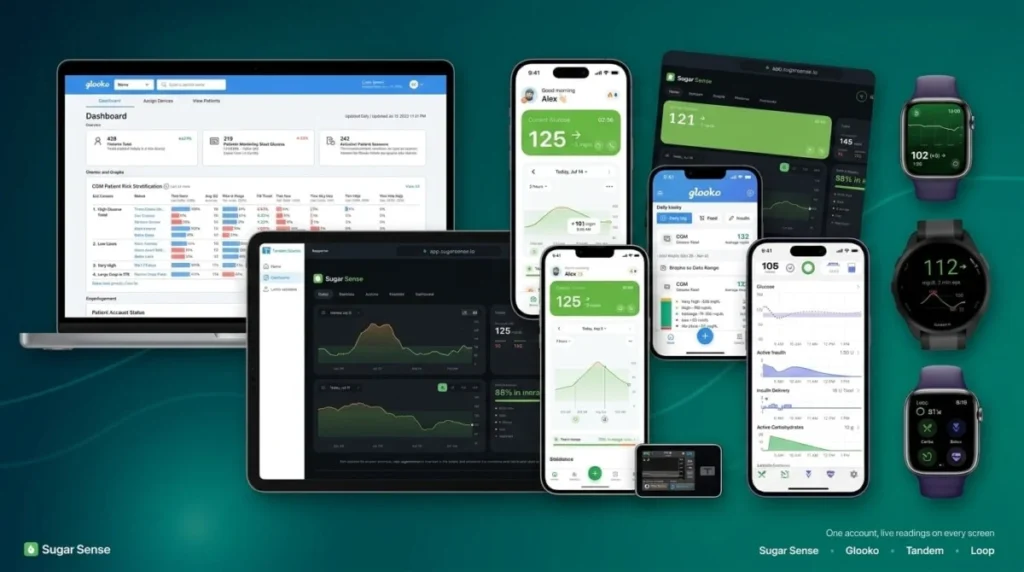
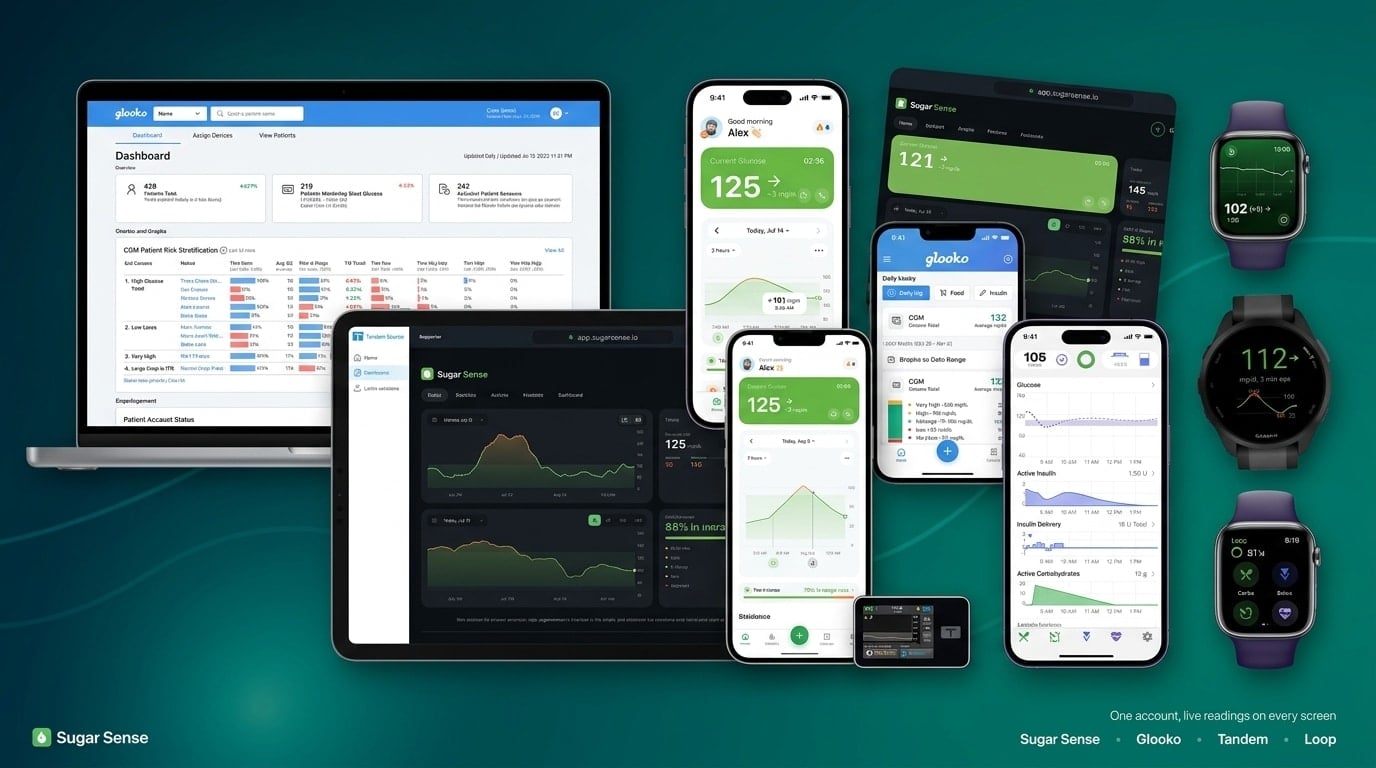
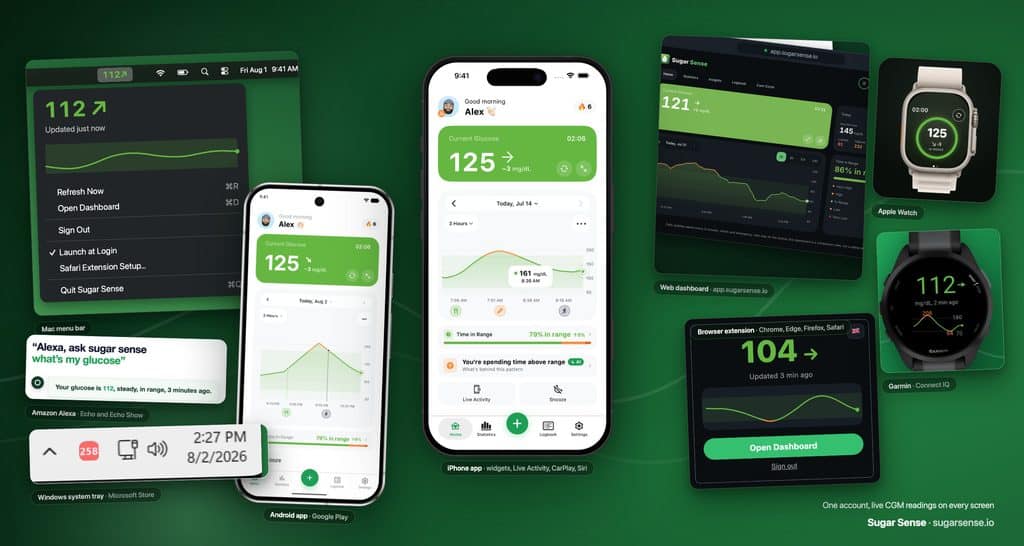
One of the most prominent examples of this new wave of software is Sugar Sense. Developed by Irakli Kurtanidze, an individual who has lived with diabetes for over 12 years, the application was born out of a personal need for better data accessibility. Sugar Sense functions as a CGM companion application that aggregates data from major providers such as Dexcom and FreeStyle Libre, as well as the open-source Nightscout platform.
The primary value proposition of Sugar Sense is its ability to push glucose readings to the devices people use most—not just their primary medical receivers, but also smartphones, smartwatches, and desktop computers. Its features include predictive low-glucose notifications, which use algorithms to warn users of an impending hypoglycemic event before it occurs. This proactive approach is a significant leap forward from traditional reactive alerts. Furthermore, the platform allows for family sharing, a feature that provides peace of mind to parents of children with Type 1 diabetes. By generating shareable reports, Sugar Sense facilitates a more data-driven dialogue between the patient and their endocrinologist, though it is important to note that the app is intended as a supplementary tool rather than a replacement for primary medical device alerts.
Glooko: Harmonizing Data Across the Clinical Continuum
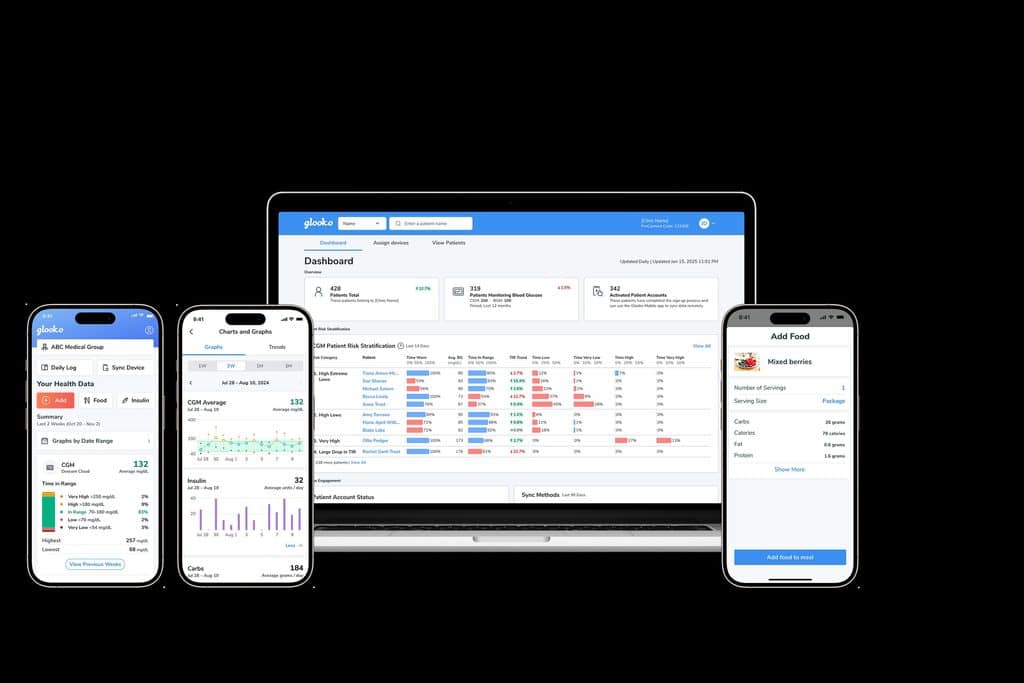
While some apps focus on the individual user experience, Glooko has positioned itself as a comprehensive enterprise solution for diabetes management. Glooko’s platform is notable for its massive scale, supporting data synchronization from more than 200 different diabetes and health-monitoring devices. This includes not only CGMs but also insulin pumps, smart insulin pens, and traditional blood glucose meters.
For healthcare providers, Glooko solves the problem of "data silos." In a typical clinical setting, a patient might use a Dexcom CGM and an Omnipod insulin pump. Historically, a clinician would have to log into two different portals to see the data. Glooko consolidates this information into a single, standardized report. This integration extends to Electronic Health Records (EHRs), allowing glucose trends to be viewed alongside other vital health metrics. This clinical depth supports population management tools, enabling clinics to identify which of their patients are struggling most with their glucose control and require immediate intervention. By providing a device-neutral environment, Glooko empowers clinicians to make informed decisions regardless of which brand of hardware the patient prefers.
Tidepool: The Non-Profit Pursuit of Interoperability
Tidepool represents a unique segment of the digital health landscape. As a nonprofit organization, its mission is centered on the belief that patients should have full ownership and easy access to their own health data. The Tidepool Data Platform is an open-source ecosystem that simplifies the collection and visualization of data from a wide array of compatible devices.
One of Tidepool’s most significant contributions is the Tidepool Uploader, which streamlines the process of getting data off of older devices and into the cloud. Additionally, Tidepool Mobile allows patients to add "context" to their glucose readings by documenting meals, exercise, and stress levels. This context is often the missing piece in the clinical puzzle; a spike in blood sugar is just a number until the patient notes it was caused by a high-carb meal or a missed dose of insulin. By providing a centralized, transparent platform, Tidepool has become a favorite among the "DIY" diabetes community and researchers who require high-quality, aggregated data for clinical trials.
Sweet Dreams: Enhancing Quality of Life through Integrated Alerts
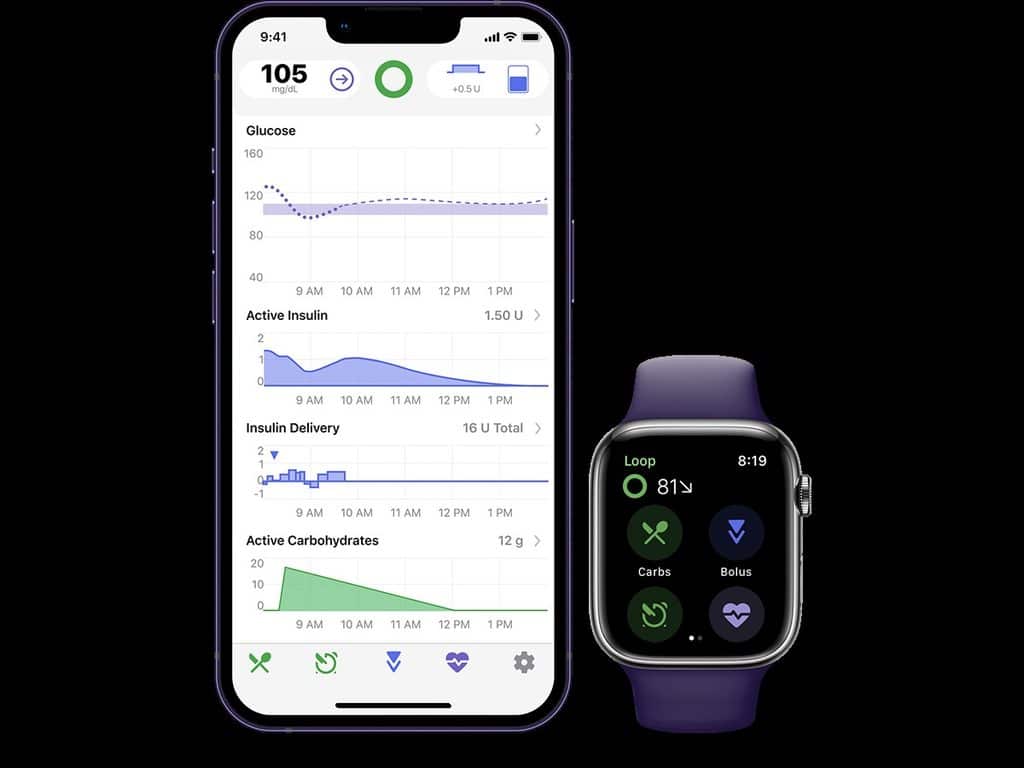
The Sweet Dreams application focuses on the intersection of diabetes management and modern lifestyle integration. Specifically designed for the Apple ecosystem, Sweet Dreams extends the reach of CGM data to iPhones, Apple Watches, and even Apple CarPlay. The inclusion of CarPlay is particularly noteworthy, as it allows drivers to monitor their glucose levels safely without having to look at their phones, a critical safety feature for preventing hypoglycemia behind the wheel.
The application offers highly customizable alerts for high, low, or rapidly changing glucose levels. This level of personalization is vital for reducing "alarm fatigue," a common issue where patients begin to ignore alerts because they are too frequent or not relevant to their specific needs. Sweet Dreams also emphasizes the role of the caregiver, providing individualized notifications to family members. Like Sugar Sense, Sweet Dreams is a companion tool, highlighting the trend of software "layering" where patients use multiple apps to customize their management experience.
Supporting Data: The Clinical Impact of Connected Care
The move toward digital platforms is supported by a growing body of clinical evidence. Research published in journals such as Diabetes Care and The Lancet has consistently shown that more frequent review of CGM data is associated with improved glycemic control.
- HbA1c Reduction: Studies have indicated that patients using integrated data platforms can see a reduction in HbA1c levels by 0.5% to 1.0% within the first six months of use.
- Time in Range (TIR): The use of remote monitoring and automated alerts has been shown to increase Time in Range (the percentage of time a person’s glucose stays within 70-180 mg/dL) by up to 10-15%, which significantly lowers the risk of long-term microvascular complications.
- Reduced Hypoglycemia: Predictive alerts, such as those found in Sugar Sense and Sweet Dreams, have been credited with reducing severe hypoglycemic episodes by providing users with a 15-to-30-minute lead time to consume fast-acting carbohydrates.
Addressing the Challenge of Data Fatigue
Despite the benefits, the influx of digital tools presents challenges. Both patients and clinicians have expressed concerns regarding "data fatigue." For clinicians, the challenge lies in finding the time to review the vast amount of data generated by these platforms during a standard 15-minute appointment. For patients, the constant pings and notifications can lead to psychological burnout.
The industry’s response to this has been the development of "exception-based reporting" and AI-driven insights. Rather than showing every data point, newer versions of platforms like Glooko and Tidepool are beginning to highlight only the most critical patterns—such as a recurring spike every Tuesday morning—allowing for more focused and efficient clinical consultations.
Broader Impact and Future Implications
The rise of these five technologies—Sugar Sense, Glooko, Tidepool, and Sweet Dreams—illustrates a broader trend toward the "democratization" of medical data. As software becomes more capable, the barrier to entry for managing complex chronic conditions like diabetes is lowered.
In the future, we can expect these platforms to integrate even more deeply with artificial intelligence. AI could potentially predict how a specific meal will affect a specific patient based on their historical data, or automatically suggest insulin dose adjustments for a physician to approve. Furthermore, the move toward interoperability suggests a future where a patient can switch from one sensor brand to another without losing their data history or having to learn an entirely new software interface.
In conclusion, while the CGM sensor remains the "eyes" of diabetes management, platforms like Sugar Sense, Glooko, Tidepool, and Sweet Dreams are becoming the "brain." By improving accessibility, providing clinical depth, and fostering a community of open data sharing, these digital tools are ensuring that the wealth of information generated by modern medical devices is finally being used to its full potential. The evolution of diabetes technology is no longer just about the hardware on the skin, but the software in the palm of the hand.