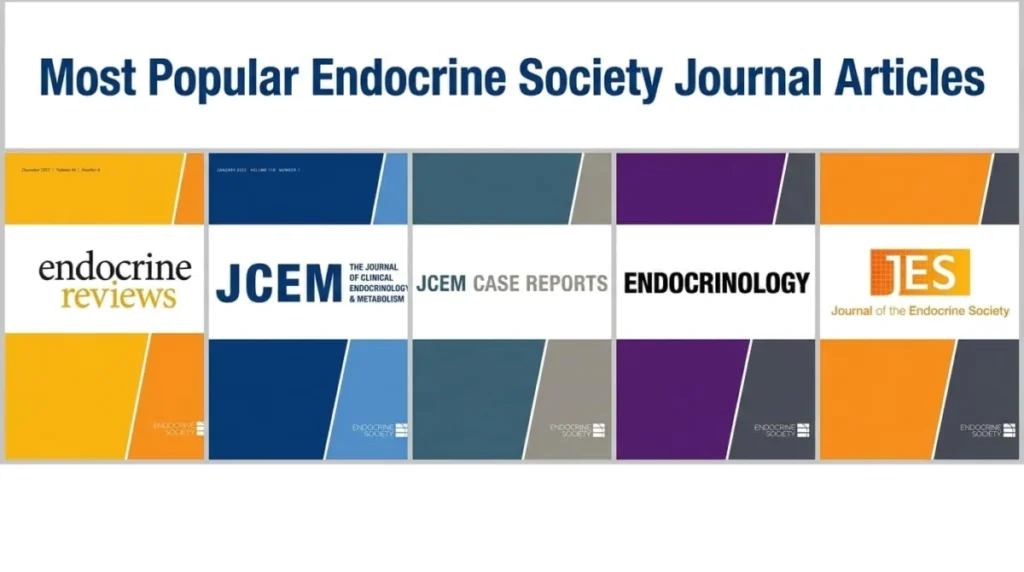
November serves as a pivotal period for the global medical community to reflect on the progress made in the management and understanding of diabetes mellitus, a condition that currently affects over 537 million adults worldwide according to the International Diabetes Federation. In observance of National Diabetes Month, the Endocrine Society has curated five seminal research articles published within the last year that provide transformative insights into pharmacological side effects, dietary interventions, social determinants of health, and technological advancements in glucose monitoring. These studies, appearing in the Journal of Clinical Endocrinology & Metabolism (JCEM) and the Journal of the Endocrine Society (JES), represent a significant step forward in personalizing care for the millions of individuals living with Type 1, Type 2, and Latent Autoimmune Diabetes.
The selected research comes at a time when the landscape of diabetes care is shifting from traditional glycemic control toward a more holistic approach that considers cardiovascular health, bone density, and the socio-economic factors that influence patient outcomes. By examining these five breakthroughs, clinicians and researchers can better navigate the complexities of a disease that remains a leading cause of blindness, kidney failure, and lower-limb amputation.
GLP-1 Receptor Agonists and Bone Health in the Aging Population
As the use of Glucagon-like peptide-1 receptor agonists (GLP-1RAs) such as semaglutide and liraglutide continues to surge, researchers are increasingly focused on secondary effects beyond weight loss and glucose stabilization. A significant study led by Michal Kasher Meron, MD, of Meir Medical Center in Kfar Saba, Israel, published in the Journal of Clinical Endocrinology & Metabolism, has raised important questions regarding the skeletal integrity of older adults utilizing these medications.

The research investigated the correlation between GLP-1RA therapy and the risk of fragility fractures—fractures resulting from low-energy trauma, such as a fall from standing height. While GLP-1RAs are lauded for their cardioprotective benefits and efficacy in treating Type 2 diabetes (T2D), the study found that initiating this therapy was associated with a modestly increased risk of fracture in the elderly.
The implications of these findings are profound for geriatric endocrinology. Older adults with T2D are already at an inherently higher risk for falls and fractures due to peripheral neuropathy and the potential for hypoglycemic episodes. The introduction of a medication that may further compromise bone health necessitates a careful risk-benefit analysis. Dr. Meron and her colleagues suggest that while the clinical benefits of GLP-1RAs often outweigh the risks, physicians should prioritize bone density screenings and falls-prevention strategies when prescribing these agents to vulnerable populations.
Metabolic Quality and the PICP Ratio: Ketogenic vs. Low-Fat Diets
The debate over the optimal diet for Type 2 diabetes management has evolved from simple calorie counting to the analysis of specific metabolic biomarkers. Research published in the Journal of the Endocrine Society by Marian L. Yurchishin, MS, and a team from the University of Alabama at Birmingham, offers a nuanced look at how dietary composition affects beta-cell function.
The study focused on the proinsulin-to-C-peptide (PICP) ratio, a critical metric that reflects the degree of stress placed on insulin-producing beta cells. A high PICP ratio indicates that the pancreas is struggling to process insulin, secreting "unfinished" proinsulin into the bloodstream. The researchers compared the effects of a ketogenic diet (KD) against a traditional low-fat diet (LFD) in individuals with early-stage Type 2 diabetes.
The results demonstrated that a ketogenic diet led to a significantly greater reduction in the PICP ratio compared to a low-fat diet. This reduction suggests that a low-carbohydrate, high-fat approach may provide the beta cells with a "metabolic rest," allowing for improved efficiency and long-term preservation of pancreatic function. For clinicians, this provides evidence-based support for the use of ketogenic protocols not just for weight loss, but as a therapeutic tool to improve the underlying pathophysiology of diabetes.
Addressing Socio-Economic Disparities in Gestational Diabetes
In a comprehensive nationwide cohort study published in JCEM, Nina Kaegi-Braun, MD, and her team explored the impact of social inequalities on gestational diabetes mellitus (GDM) in Sweden. This study is particularly noteworthy because it was conducted within a high-income country known for its equity-oriented healthcare system, yet it still revealed stark disparities in health outcomes.
The researchers observed that the prevalence of GDM has risen steadily in recent years, but the burden is not distributed equally. Women with lower education levels and lower household incomes were found to have a significantly higher risk of developing GDM and experiencing subsequent complications. Furthermore, the study identified a correlation between the region of birth and GDM risk, suggesting that cultural and migration-related factors play a role in metabolic health during pregnancy.
The data underscores a critical reality: access to universal healthcare does not automatically eliminate health disparities. The authors advocate for targeted interventions and increased surveillance for expectant mothers in lower socio-economic brackets. By addressing these social determinants of health, the medical community can work toward reducing the long-term risks associated with GDM, which include an increased likelihood of the mother and child developing Type 2 diabetes later in life.
Semaglutide as a Novel Intervention for Latent Autoimmune Diabetes
Latent Autoimmune Diabetes in Adults (LADA), often referred to as "Type 1.5 diabetes," presents a unique clinical challenge. It shares the autoimmune characteristics of Type 1 diabetes but often manifests in adulthood with a slower progression toward insulin dependence, similar to Type 2. Historically, LADA patients have had limited pharmacological options outside of insulin.
However, a study published in JCEM by Maria Elena Lunati, MD, of the University of Milan, Italy, explores the efficacy of semaglutide as an add-on therapy for LADA patients. The research found that semaglutide, when used in conjunction with insulin, significantly improved glycemic control and reduced insulin requirements. Notably, these benefits were most pronounced in patients who still possessed some level of preserved beta-cell function.
This discovery marks a potential shift in the treatment paradigm for LADA. By utilizing GLP-1 medications typically reserved for T2D, clinicians may be able to extend the "honeymoon phase" of LADA, preserving the patient’s endogenous insulin production for a longer period. This not only improves daily glucose management but also enhances the patient’s quality of life by delaying the need for intensive insulin regimens.
Time in Range: The New Frontier of Type 1 Diabetes Monitoring
For decades, the glycated hemoglobin (HbA1c) test has been the gold standard for assessing long-term blood sugar control. However, HbA1c provides an average over three months and can mask dangerous daily fluctuations between hyperglycemia and hypoglycemia. With the advent of continuous glucose monitoring (CGM), a new metric has emerged: Time in Range (TIR).
Amber Sabbe, MD, and colleagues at the University of Antwerp in Belgium, conducted a five-year real-world study to determine if TIR could predict the development of microvascular complications—such as retinopathy, nephropathy, and neuropathy—in patients with Type 1 diabetes. Their findings, published in JCEM, indicate that TIR is a powerful prognostic tool that may offer more detail than HbA1c alone.
The study revealed that a decrease in TIR over time was strongly associated with a higher incidence of microvascular complications. This longitudinal evidence suggests that maintaining a high percentage of time within the target glucose range (typically 70–180 mg/dL) is essential for preventing the debilitating organ damage associated with diabetes. While the authors call for further validation before TIR completely replaces or supplements HbA1c in routine clinical guidelines, the study provides a compelling case for the wider adoption of CGM technology.
Analysis of Implications and Future Directions
The collective findings of these five studies highlight a transition toward "precision diabetology." We are moving away from a one-size-fits-all approach and toward a model that considers the specific subtype of diabetes, the patient’s age, their dietary preferences, and even their socio-economic standing.
The chronology of diabetes care has seen massive leaps since the discovery of insulin in 1921. We have moved from basic survival to the management of long-term complications, and now, toward the optimization of metabolic health through advanced pharmacology and real-time data. The Endocrine Society’s highlights for this year emphasize that while we have powerful new tools like GLP-1RAs and CGMs, their implementation must be nuanced. We must remain vigilant about side effects like bone fragility in the elderly and proactive about closing the gap in care for those marginalized by social inequality.
As National Diabetes Month continues, these research articles serve as a roadmap for the next year of clinical practice. They remind us that diabetes management is an evolving science where the integration of technology, nutrition, and social awareness is just as vital as the medications themselves. The goal remains clear: to not only manage the disease but to preserve the long-term health and dignity of every individual living with diabetes.