Creatine was everywhere at SupplySide Global 2026. It was in cans and gummies, crunchy chews and soft chews, in cap-release bottles and "shielded" powders, on nearly every trend slide, and on the tip of everyone’s tongue. Behind the booth signage, though, the conversations were sharper than the marketing, and not everyone thinks all the apparent advances are worth putting stock in. Here’s what brands need to know from the show floor and education sessions.
The annual SupplySide Global trade show, a pivotal event for the health and nutrition industry, served as a barometer for emerging trends and established power players. In 2026, the compound creatine, long a staple in the athletic performance arena, demonstrably broadened its reach, infiltrating a diverse array of product formats and capturing the attention of a wider consumer base. From the bustling exhibition halls to the insightful educational seminars, the narrative surrounding creatine was one of pervasive presence and evolving applications, yet beneath the surface of this widespread adoption lay a complex interplay of market dynamics, regulatory scrutiny, and scientific debate.
Creatine: The Enduring "Golden Child" of Performance Nutrition
Erika Craft, a senior analyst at Nutrition Business Journal, presented compelling data highlighting the burgeoning market of "optimizers" – a segment of consumers who meticulously track and manage their health and fitness through precise data. According to Craft’s research, approximately 48% of the general population exhibits traits of this optimization mindset. Within this demographic, and particularly among "younger optimizers," creatine emerged as a leading ingredient, alongside fiber and collagen, in driving consumer interest and purchasing decisions.

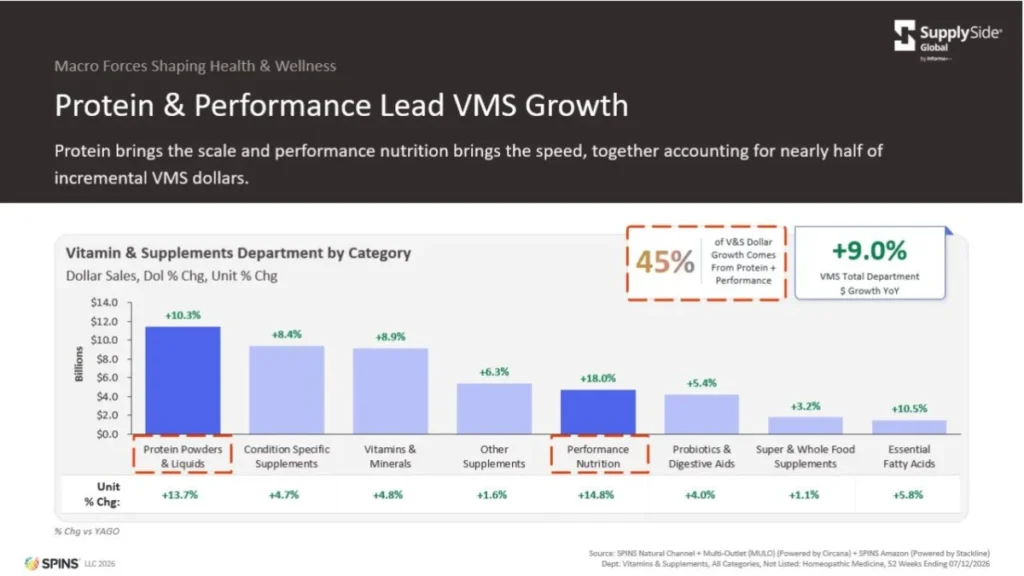
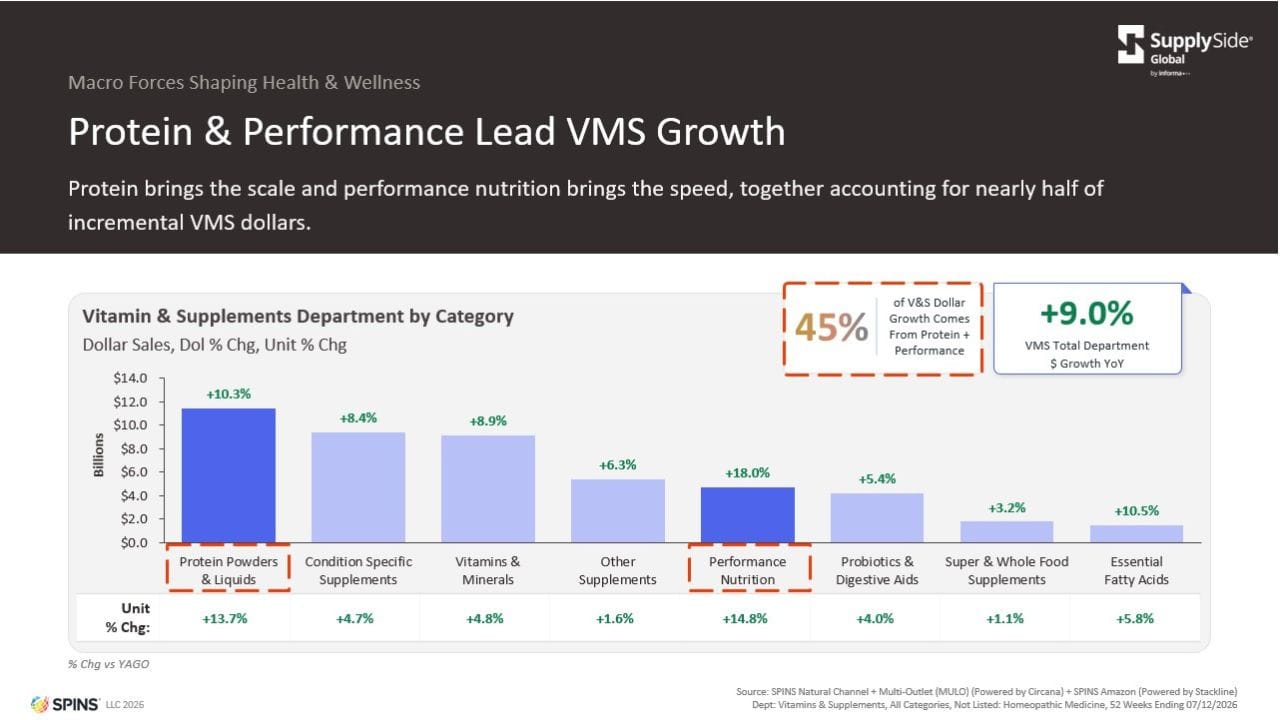
This surge in popularity has solidified creatine’s status as a "golden child" within the broader categories of protein and performance nutrition. Rahul Roy, a market intelligence specialist at SPINS, a leading data analytics firm for the natural and specialty products industry, emphasized this point, stating that these categories alone accounted for a significant 45% of the total dollar growth in the vitamins and supplements market over the preceding year. Roy confidently predicted that creatine would continue its reign as the "star of the show again" in the upcoming year, underscoring its sustained momentum and market dominance. This sustained appeal is rooted in creatine’s well-established efficacy in enhancing muscle strength, power, and recovery, making it a go-to ingredient for individuals seeking tangible improvements in their physical performance.
The Vast Untapped Market: Most Consumers Haven’t Embraced Creatine
Despite its ubiquity at industry events and its growing presence in consumer products, a striking disconnect exists between the perception of creatine’s market saturation within the industry and its actual penetration among the general population. Rachael Jennings, co-founder of Jenerise, a prominent supplement brand, articulated this sentiment during an interview with Devon Gholam, editor of SupplySide Supplement Journal. "It feels almost like it’s overdone from within where we are," Jennings observed, "But when you’re out in the real world, it’s really not."
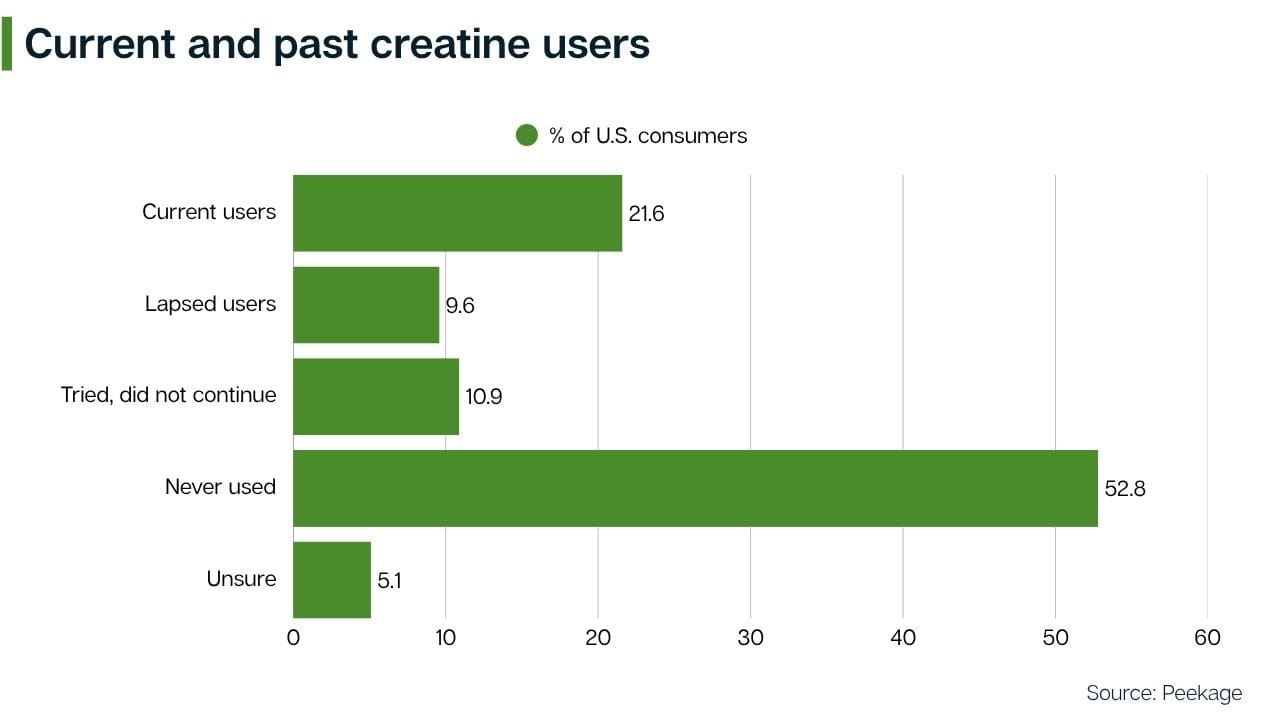
This sentiment is supported by stark consumer data. Jennings cited figures indicating that fewer than 5% of U.S. households currently stock creatine. Further underscoring this awareness gap, a comprehensive consumer survey conducted by Peekage in August 2026 revealed that while approximately 21% of individuals reported taking creatine, a significantly larger proportion – a remarkable 82.5% – expressed interest in the supplement. This substantial interest-to-adoption ratio signals a vast, largely untapped market, indicating that the industry’s efforts to educate and onboard new consumers are far from complete. The challenge for brands, therefore, lies not in creating demand, but in effectively bridging this awareness and trial gap.
Regulatory Headwinds: New York’s Age Restrictions and Broader Implications
The escalating popularity of creatine has not gone unnoticed by regulatory bodies, leading to increased scrutiny and the implementation of new compliance measures. Attorney Zach Taylor highlighted that creatine is among a select group of ingredients now subject to age restrictions under New York’s recently enacted law concerning muscle-building and weight-loss supplements. This legislation mandates that such products be stored under "lock and key" at retail locations, effectively creating a barrier to access for minors.
Beyond the immediate retail implications, the impact of these regulatory shifts is amplified by the actions of major retailers. Several have opted to cease shipping creatine-containing products to New York altogether, a move that foreshadows potentially broader implications. This preemptive strategy is particularly significant in light of California’s impending age-based law, AB 2030, set to take effect on January 1st. Unlike New York’s legislation, California’s law does not offer exemptions for protein or fiber supplements, potentially extending the scope of regulatory impact.
The practical consequences of these regulations are already being felt by consumers. Rahul Roy, a New York resident who has utilized creatine since his high school football days, shared his anecdotal experience of encountering an approximate $6 "NYC health surcharge" on his online creatine orders, attributed to the required signature upon delivery. "Great that it has more research injected into it," Roy remarked, "but now we have a lock and key, too." This illustrates how increased regulatory oversight, while intended to enhance consumer safety, can introduce additional costs and logistical hurdles for both consumers and businesses. The long-term effect of these regulatory measures on market accessibility and consumer behavior remains a critical point of observation for the industry.
Innovation in Form and Function: Beyond the Standard Powder
While the core creatine molecule, predominantly creatine monohydrate, remains the industry standard, innovation is clearly being channeled into its delivery mechanisms and product formats. This year’s SupplySide Global saw a proliferation of branded creatine products, with suppliers differentiating themselves through trademarked offerings. However, Scott Dicker, a market analyst at SPINS, observed that the vast majority of these branded products still feature creatine monohydrate, with enhancements often focused on improved texture and refinement rather than novel chemical forms. Alternative creatine compounds, once anticipated to regain market prominence, were notably scarce at the event.
The emphasis on branding, according to Dicker, is a strategic response by suppliers to "do whatever they need to do to stand out" in a competitive landscape. These branded initiatives aim to "signal purity and quality," a crucial differentiator given the consumer demand for high-purity ingredients, often underscored by a preference for German-sourced creatine due to its perceived rigorous testing standards. Dicker forecasts that these new branded creatine products will primarily capture market share from generic creatine offerings rather than directly impacting established premium brands like Creapure.
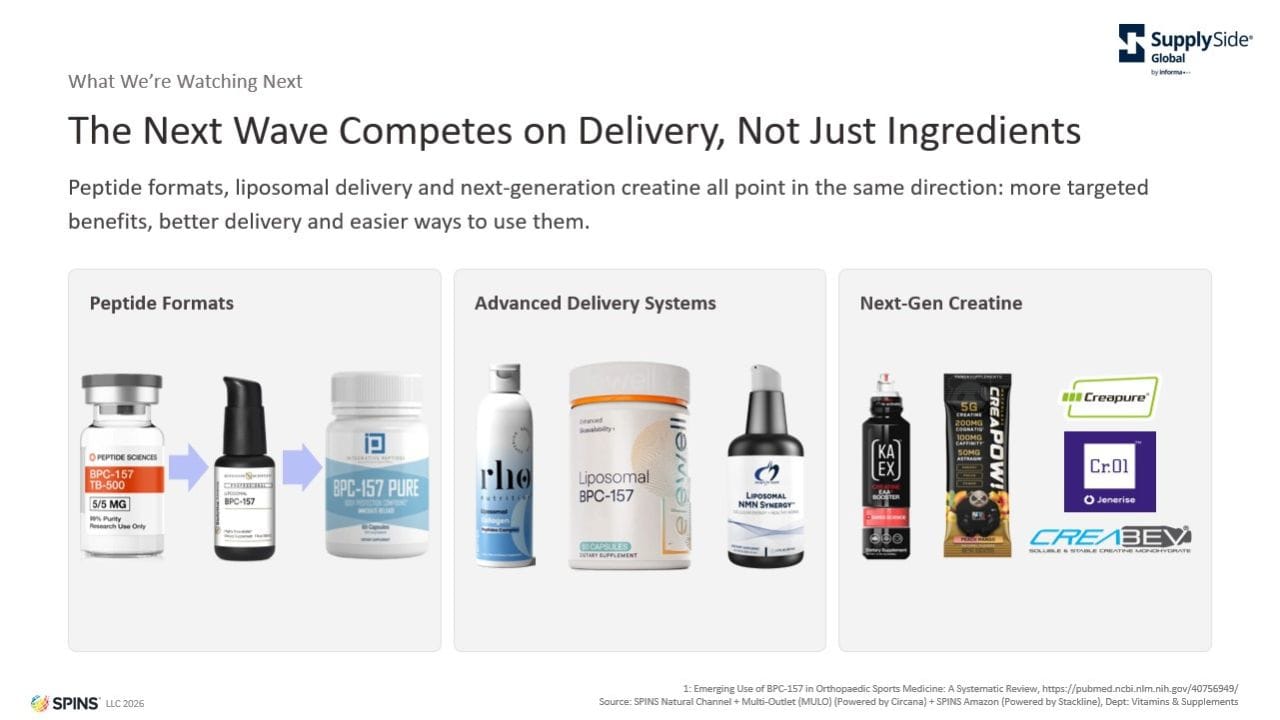
The most dynamic area of innovation lies in novel product formats designed to enhance consumer convenience and appeal. Rahul Roy pointed to advancements such as bottle caps that dispense creatine into a beverage upon activation and "dry-scoop" powders designed for direct oral consumption, reminiscent of candy sticks. Kevin Kerr, director of strategic initiatives at CreaBoost, a creatine monohydrate offshoot of Vireo Systems, revealed that the company’s U.S.-based production facility is initially focusing on soft chews and plans to expand into creatine-infused bars. This strategy is aimed at appealing to consumers seeking higher daily doses in more palatable forms. Kerr elaborated, "You can make a creatine milkshake and put 20 grams in it, but that’s not enjoyable."
Conversely, Jennings of Jenerise anticipates the next wave of innovation to emerge in savory food applications, moving beyond the proliferation of confectionery-based formats. The primary challenge for integrating creatine into baked goods and other processed foods, she noted, lies in its instability when exposed to water, heat, and time, which can degrade it into less effective creatinine. This highlights the ongoing scientific and formulation hurdles that brands must overcome to successfully diversify creatine’s product portfolio.
The Elusive Shelf-Stable Creatine Beverage: A Work in Progress
The development of a stable, shelf-ready creatine beverage remains a significant industry objective, often referred to as the category’s "white whale." While several companies at SupplySide Global claimed to have achieved this breakthrough, the scientific consensus suggests that the challenge is far from fully resolved. CoreFX, for instance, introduced its "shielded" creatine, CreaSHLD-IN, at the event, asserting that laboratory tests showed no detectable creatinine in 24-hour water samples.
However, skepticism persists regarding the real-world applicability of such coated creatine formulations in ready-to-drink (RTD) products. Andy Dratt of Imbibe, speaking on a functional beverage panel, expressed reservations: "It’s very hard to make that go into a liquid, and it’s even harder to make that thermally stable." He distinguished between refrigerated, pH-neutral beverages and those subjected to high-heat processing or acidic ingredients, suggesting that the latter present substantial formulation obstacles. Dratt concluded that in this domain, "interest and enthusiasm is ahead of science."
Anthony Almada, a seasoned researcher and formulator specializing in creatine, echoed these concerns, cautioning against an industry fixation on "out-of-body chemistry and out-of-body stability." He raised critical questions about the in-vivo behavior of coated creatine, specifically whether its absorption and efficacy within the human body mirror its performance in laboratory tests. Given that plain creatine monohydrate powder already boasts near 100% bioavailability, Almada argued that coated versions face a high bar to demonstrate superior benefits. The long-term implications for consumer absorption and efficacy remain largely unknown.
In light of these uncertainties, some manufacturers are adopting a more cautious approach. Jennings confirmed that Jenerise has been developing an RTD project for approximately two years but is intentionally delaying its market launch. "We’d rather get it right than be first," she stated, prioritizing scientific validation and product integrity over immediate market entry. This measured approach reflects a broader industry trend of prioritizing long-term success and consumer trust over premature product releases in a scientifically complex area.
Evolving Dosages: A Shift in Consumption Patterns
The standard 5-gram daily dose of creatine, long considered the benchmark, is currently undergoing reevaluation, with evidence pointing towards both higher and lower intake strategies gaining traction. Notably, in the days following SupplySide Global, the Council for Responsible Nutrition (CRN) announced an update to its "highest observed intake" guideline for adults, raising it from 5 to 10 grams per day. This revision is based on a comprehensive review of 162 clinical studies, signaling a growing acceptance of increased creatine supplementation.
This aligns with discussions at the previous year’s SupplySide Global, where researchers advocated for higher doses, ranging from 8 to 10 grams for bone health and up to 20 grams for cognitive enhancement. While the CRN’s guideline serves as a safety benchmark rather than a prescriptive dosing recommendation, it represents a significant endorsement from a prominent industry body, suggesting a potential shift towards higher intake levels.
Concurrently, a trend towards smaller, more frequent dosing is also emerging. Kevin Kerr of CreaBoost noted that his company is exploring approaches such as administering 3 grams of creatine twice daily. This strategy is supported by research presented by Darren Candow, Ph.D., at the 2025 SupplySide Global, which indicated that creatine accumulation can be achieved with doses as low as 1 gram. Kerr explained, "If you dose smaller amounts throughout the day, that absorption really does improve." This perspective is further bolstered by research suggesting that even doses of 1 to 1.5 grams can be efficacious, particularly for specific populations such as women who may have lower dietary intake of creatine. Such smaller doses are also perfectly suited for gummy-based delivery systems.
Despite these evolving strategies, a consensus among industry experts surveyed at both the 2025 and 2026 SupplySide Global events indicates that their personal creatine intake typically ranges from 8-10 grams per day, with many consuming double that amount. This suggests that while formulation and dosage strategies are diversifying, experienced users continue to opt for higher intake levels for optimal results.
Gummy Creatine: Consumer Preference vs. Quality Control
The creatine gummy format, while experiencing rapid growth, has also become a focal point for scrutiny. Previous testing has revealed significant discrepancies between the stated creatine content on gummy product labels and the actual amounts present, with some products found to be "severely understrength." Despite these quality control concerns, demand among mass-market consumers remains robust. Erika Craft of Nutrition Business Journal observed that when informed about the potential for inaccurate dosing, consumers often respond with a pragmatic indifference. "Every single one of them says, ‘I don’t care. I like the gummy. It’s fun, and it makes me consistent to take it every day,’" Craft reported.
This consumer sentiment presents a critical takeaway for brands: while consumers may exhibit a degree of tolerance for inconsistencies in gummy formulations, testing laboratories, retailers, and regulatory bodies are unlikely to share the same leniency. The continued demand for gummies, despite quality concerns, underscores the power of convenience and palatability in driving consumer choice, but it also highlights a potential vulnerability for the industry as regulatory oversight tightens.
Creatine and Cognitive Health: Navigating the Early Research Landscape
The application of creatine for cognitive enhancement is a rapidly expanding frontier, particularly in marketing efforts targeting women in midlife experiencing "brain fog." Jennings noted that the prevailing marketing narrative often centers on addressing such concerns, with recent surveys indicating that cognitive benefits have become a primary driver for creatine supplementation. However, a significant disconnect exists between consumer perception and reported experience, as less than a third of users reported actually experiencing tangible cognitive improvements.
The scientific research into creatine’s effects on cognition is still in its nascent stages. Some experts at SupplySide Global expressed even greater skepticism regarding the current claims. Anthony Almada described the notion of creatine’s cognitive benefits as "mythical," questioning the fundamental mechanism of action. "No one has ever shown that creatine goes into brain cells, into neurons," he stated. While imaging can detect creatine in the brain, Almada argued that it does not differentiate between creatine located within neurons or simply in the extracellular space. He also raised concerns about the methodological rigor of existing studies, particularly the challenges in blinding participants, given that the gritty texture and high dosage of creatine powder are easily distinguishable from a placebo.
Almada proposed that more robust research is needed, specifically studies employing hypoxic air to induce brain energetic stress while simultaneously assessing cognitive function within a high-powered MRI. "Right now, the loop is wide open," he concluded, emphasizing the need for more conclusive scientific evidence to substantiate the cognitive claims being made by the industry. Until such studies are conducted and yield definitive results, the marketing of creatine for cognitive enhancement remains a high-risk endeavor, potentially outpacing the current scientific understanding and leading to exaggerated consumer expectations.